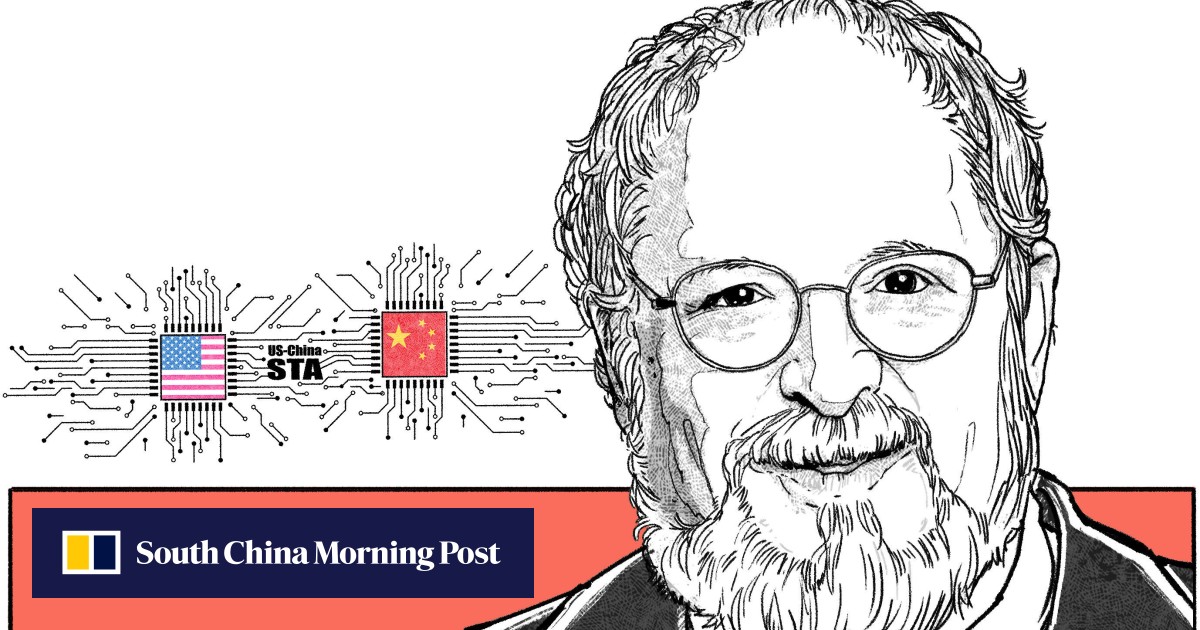
The long-time scholar on US-China cooperation on research explains how the landmark pact continues to define bilateral relations
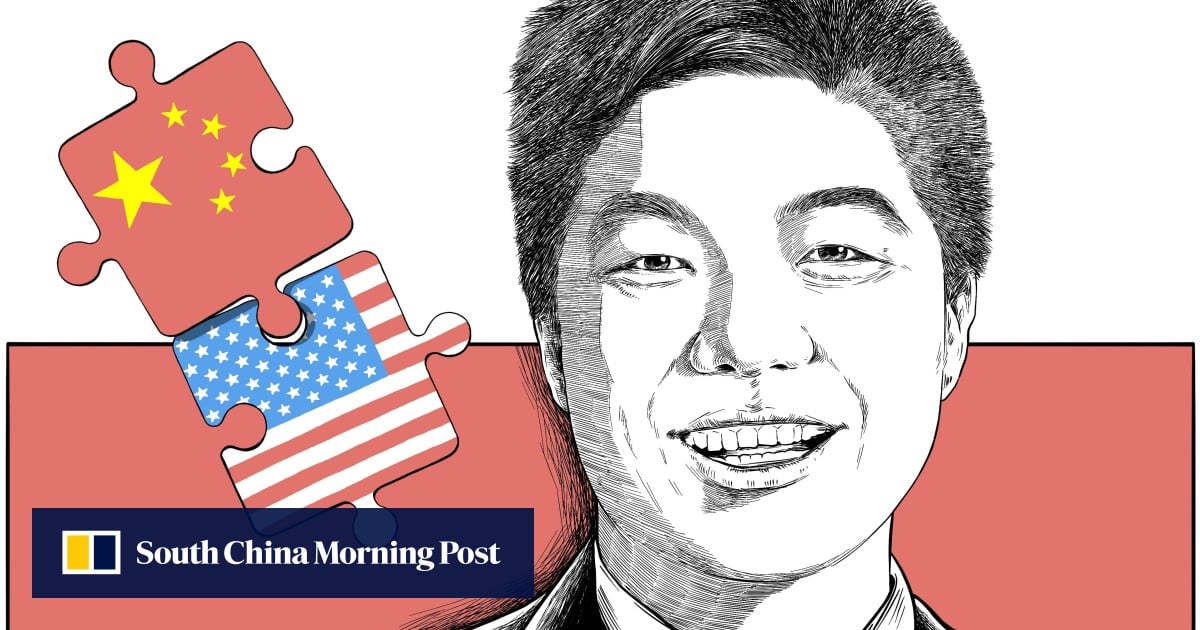
Denis Simon is one of the leading experts on US-China science and technology cooperation as well as China’s innovation system. He has held senior roles including executive vice-chancellor at Duke Kunshan University and director of the US-China programme at Pennsylvania State University.
Can you explain the core elements of the STA and its role in fostering scientific collaboration between the US and China? Why is it considered a cornerstone of bilateral relations, and what makes it so politically and strategically sensitive, especially in today’s geopolitical climate?
The US-China Science and Technology Cooperation Agreement (STA), first signed in 1979 during the [Jimmy] Carter administration, is the foundational legal and diplomatic framework governing official S&T cooperation between the two nations. Its core elements include government-to-government cooperation via ministries, agencies, and labs; institutional and academic exchanges, supporting researcher mobility and joint projects; joint working groups on specific fields like health, agriculture, energy and environmental science; and mechanisms for sharing data, coordinating funding and protecting intellectual property.