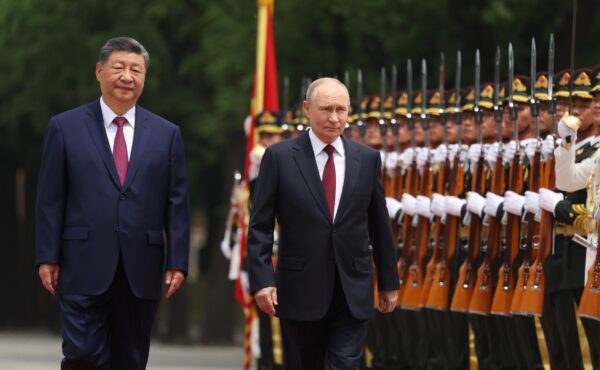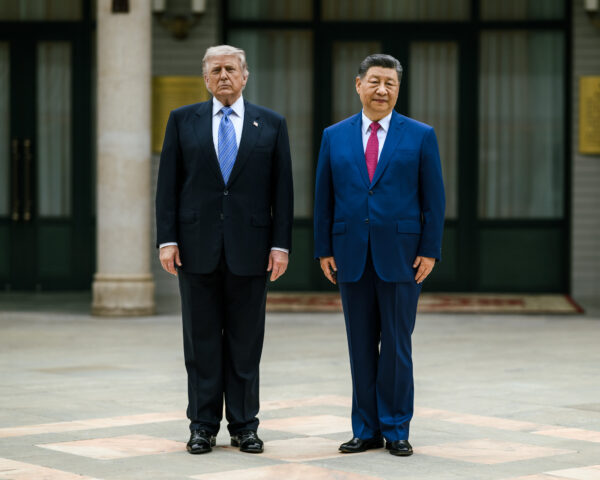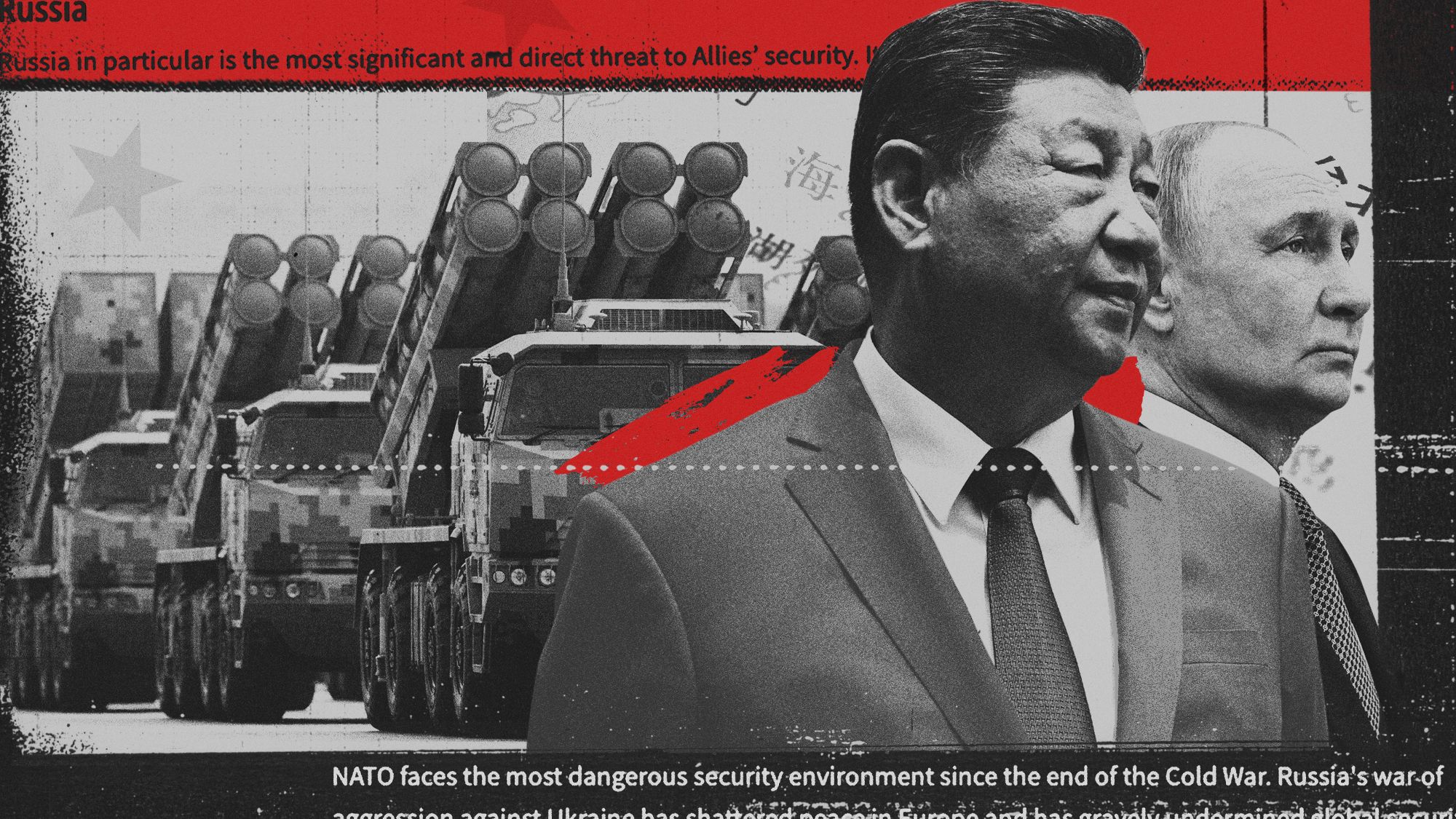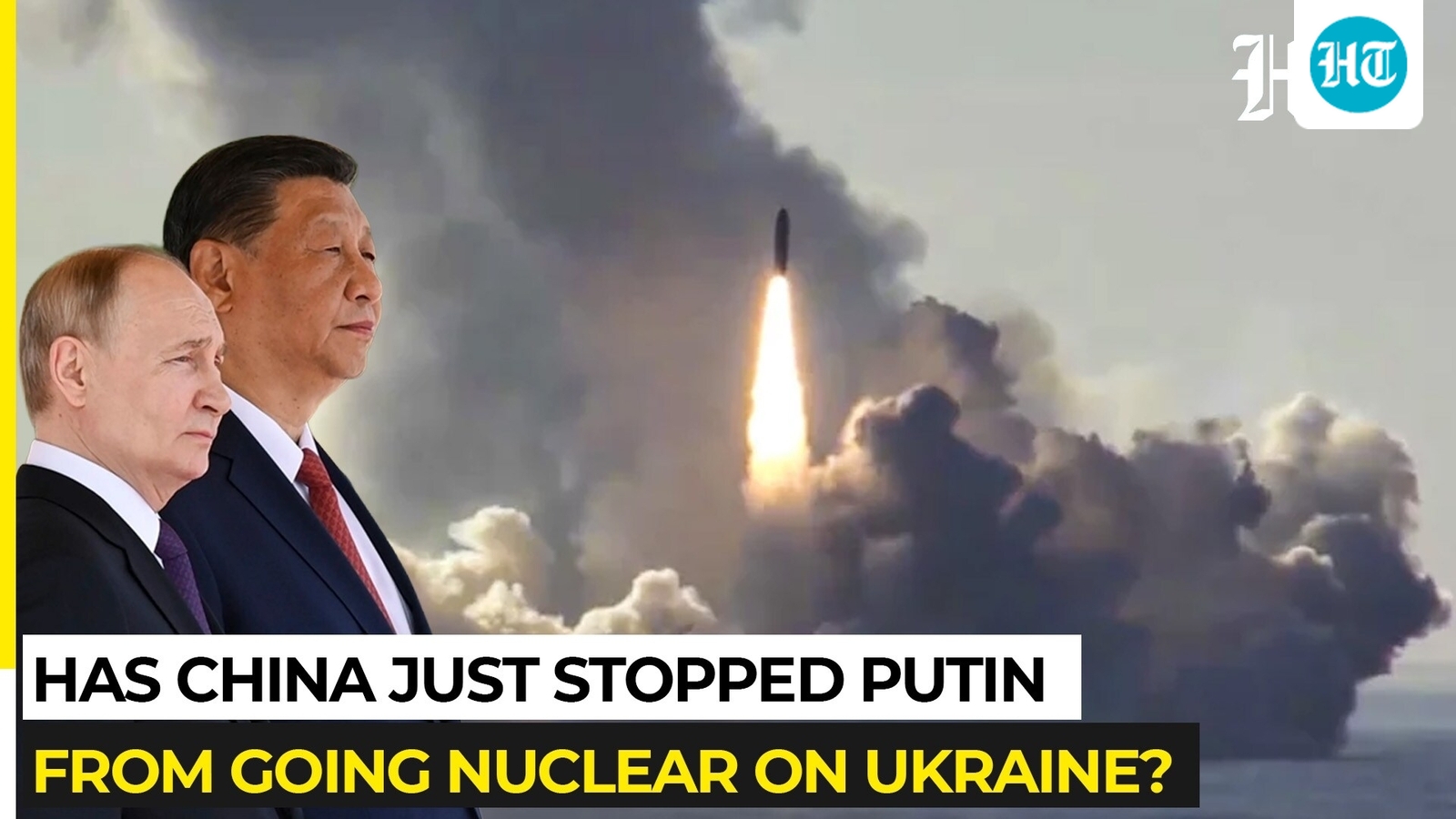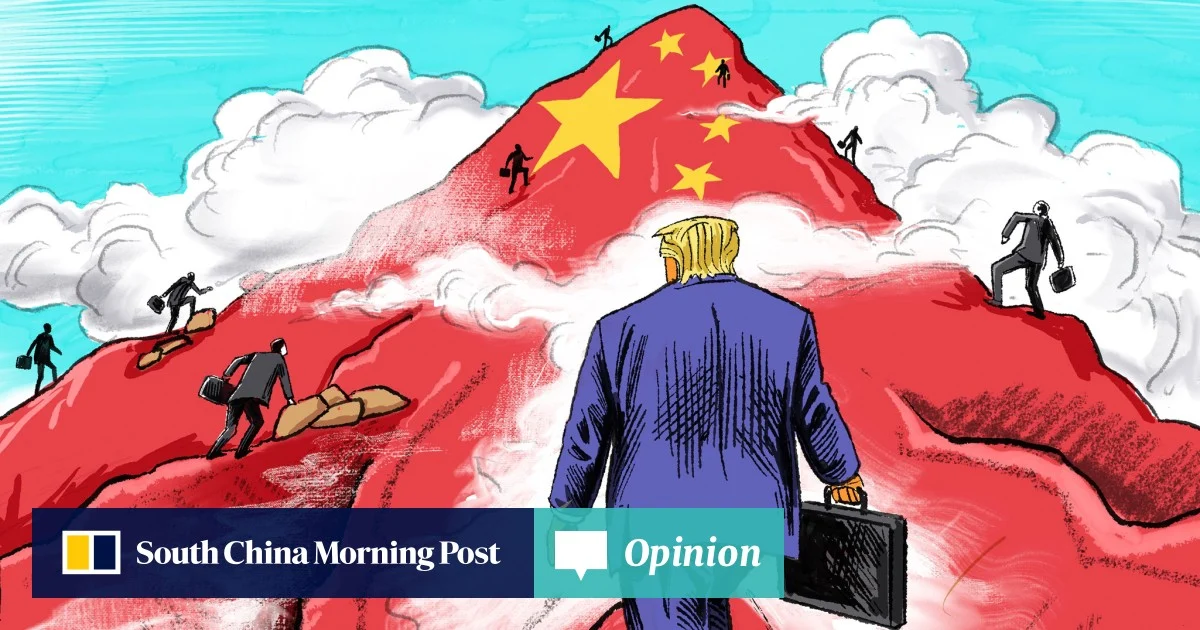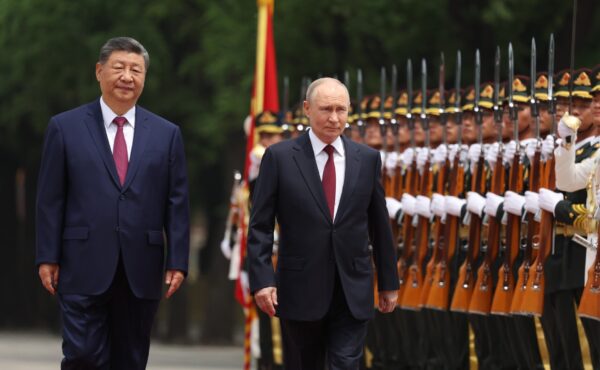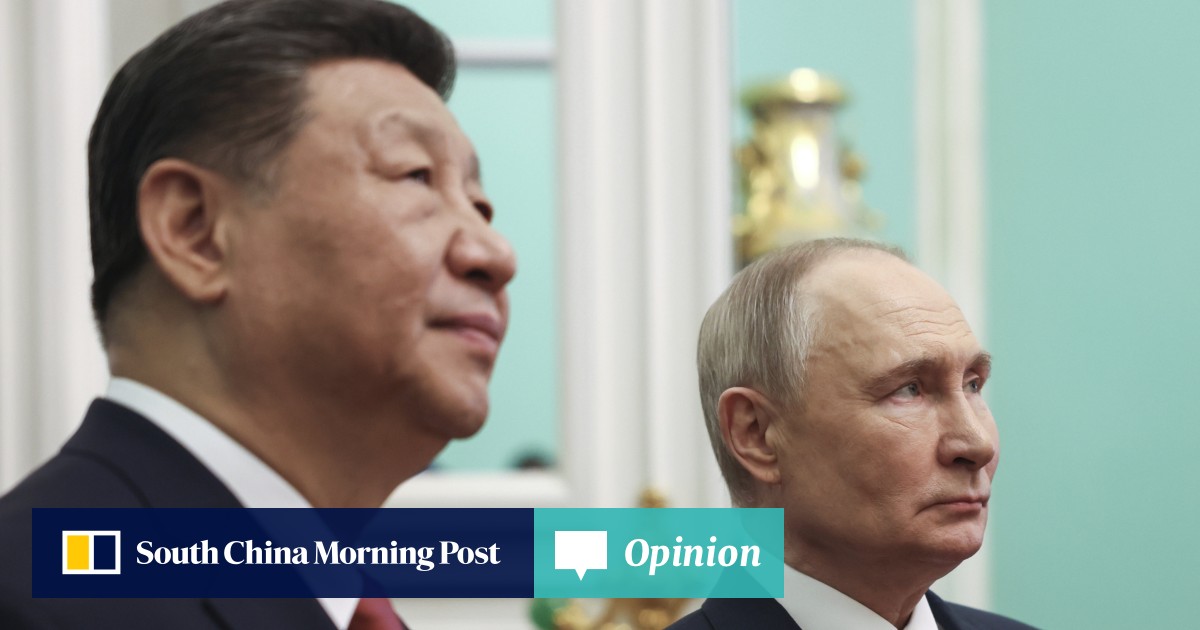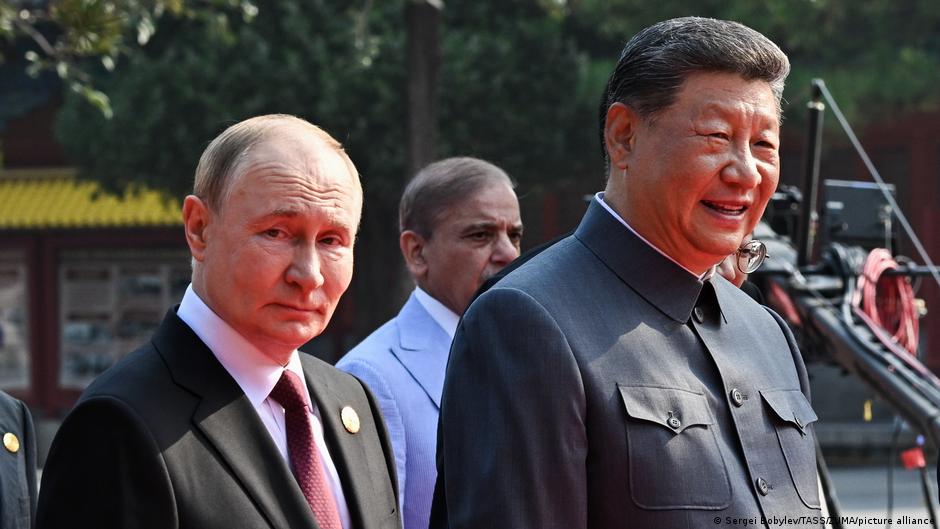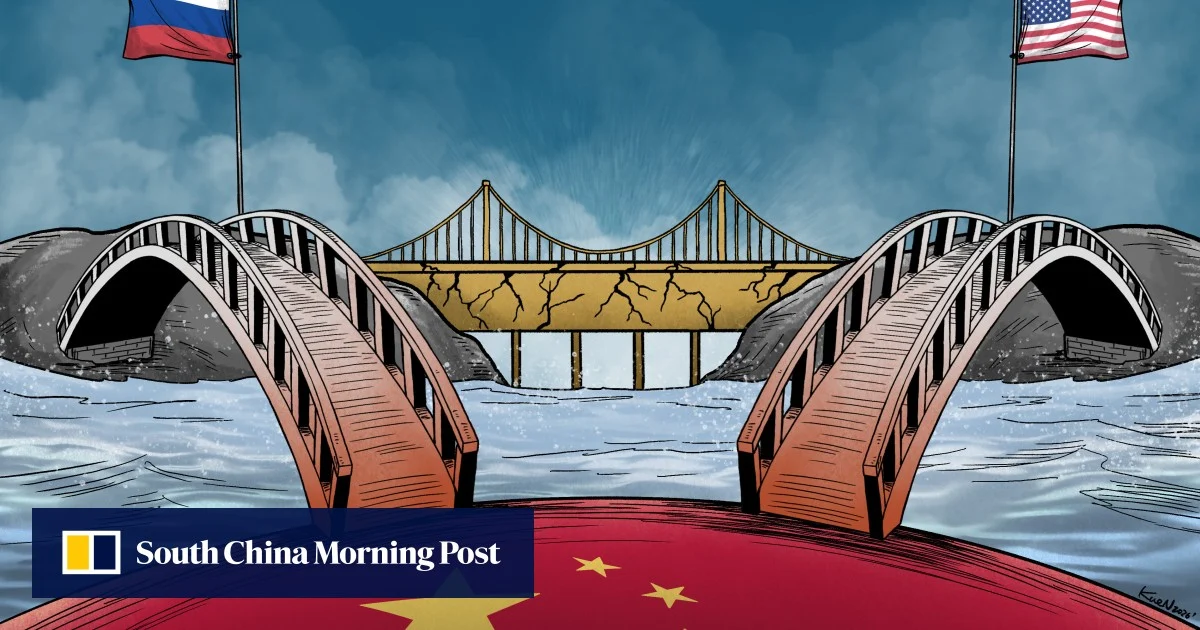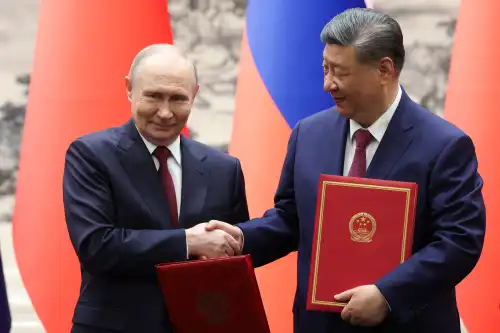
The Ukraine war, shifting American foreign policy priorities under President Trump, and increased global instability have shifted the balance in the China-Russia relationship, one of the world’s most consequential relationships. On this episode of The Beijing Brief, Jon Czin is joined by Fiona Hill and Patirica Kim to examine the convergences and divergences in Beijing and Moscow’s strategic interests and personal relations.
HILL: I think for China, as you’ve just said, Jon, Russia’s kind of like their attack dog. You know, they go out there and they kind of bite at everybody and they savage everything. And then China sees how everyone reacts and from there, what do they need to do?
KIM: At the most basic level, China and Russia view each other as their most important strategic partners in countering pressure from the United States and its allies. They’re brought together by a shared perception that the world is too heavily shaped by American power, and they want to push back against that. They want greater freedom of action, and a larger voice in regional and global affairs.
[music]
CZIN: Hello. You’re listening to The Beijing Brief from the John L. Thornton China Center here at the Brookings Institution, part of the Brookings Podcast Network. I’m Jon Czin, the Michael Armacost Chair and Fellow at the China Center. The Beijing Brief is a biweekly podcast focused on unpacking the forces shaping U.S.-China relations and China’s political, economic, and technological ambitions.