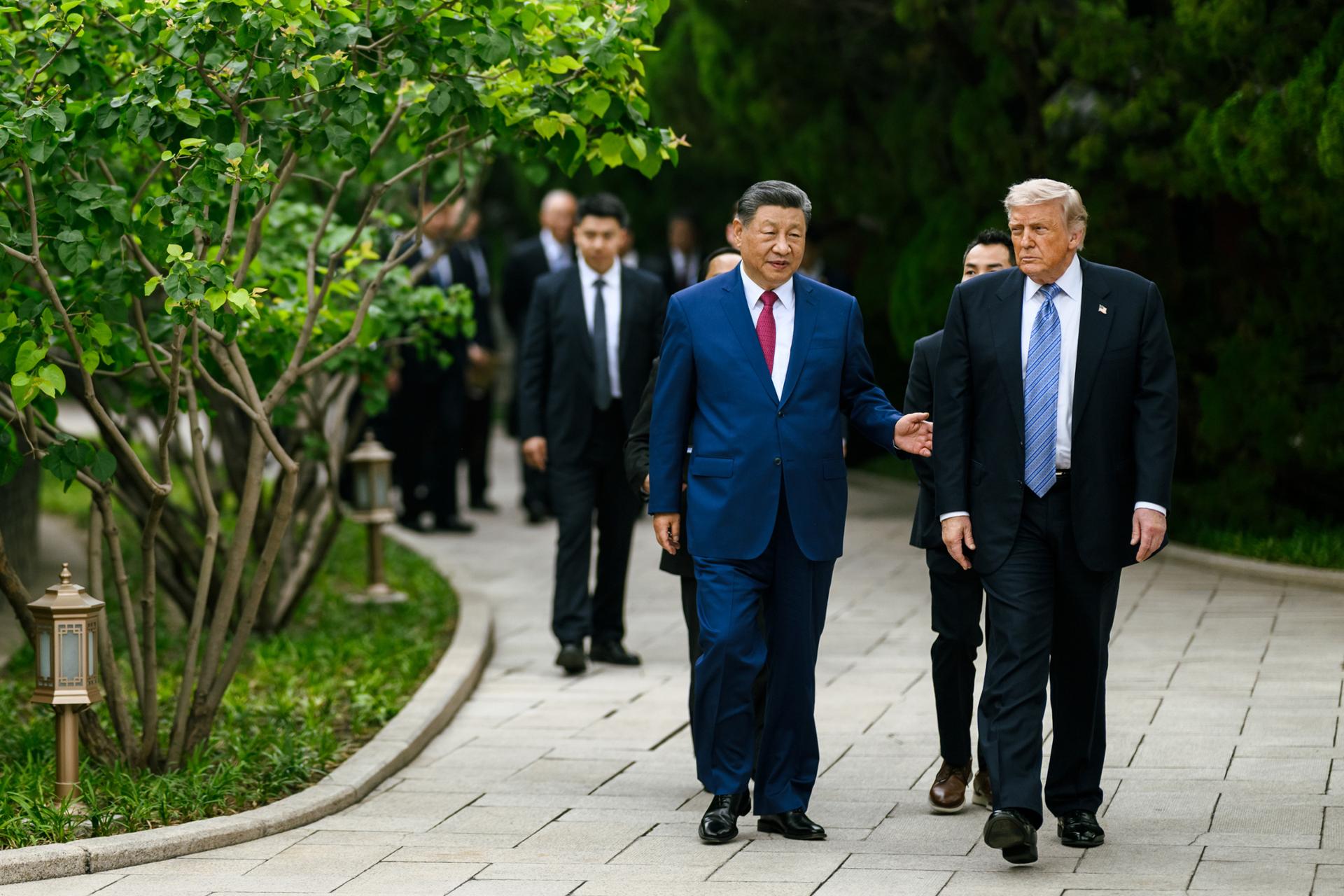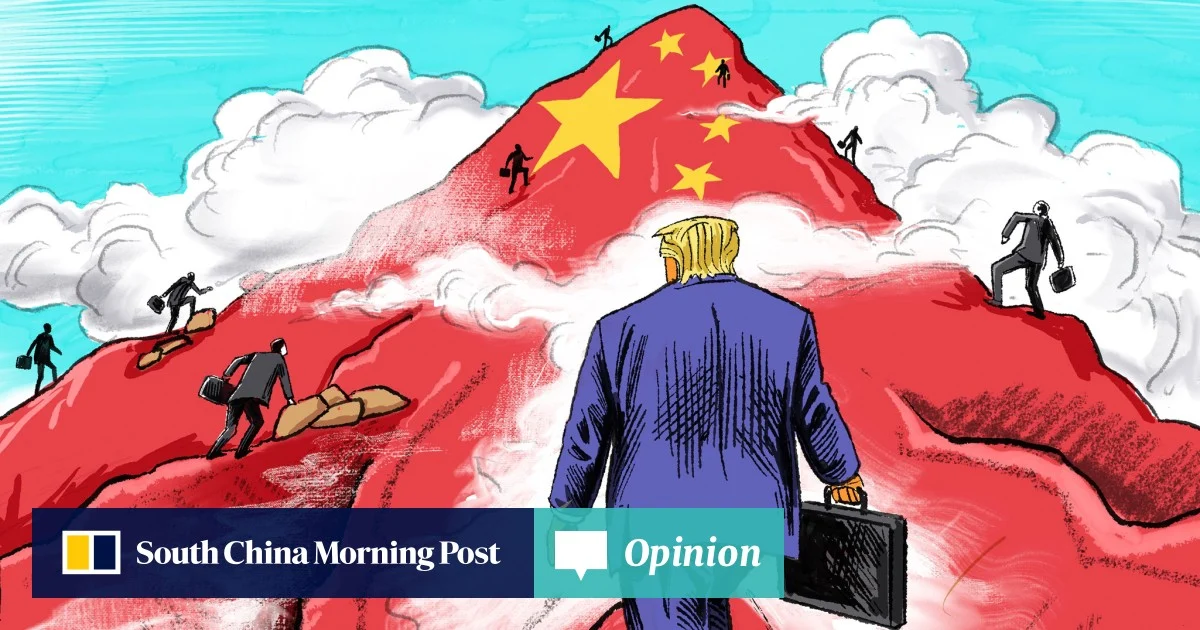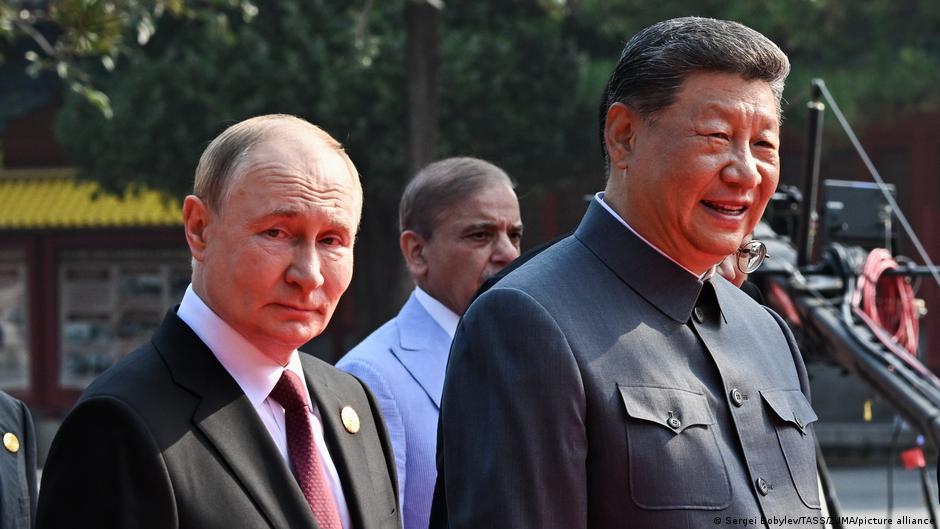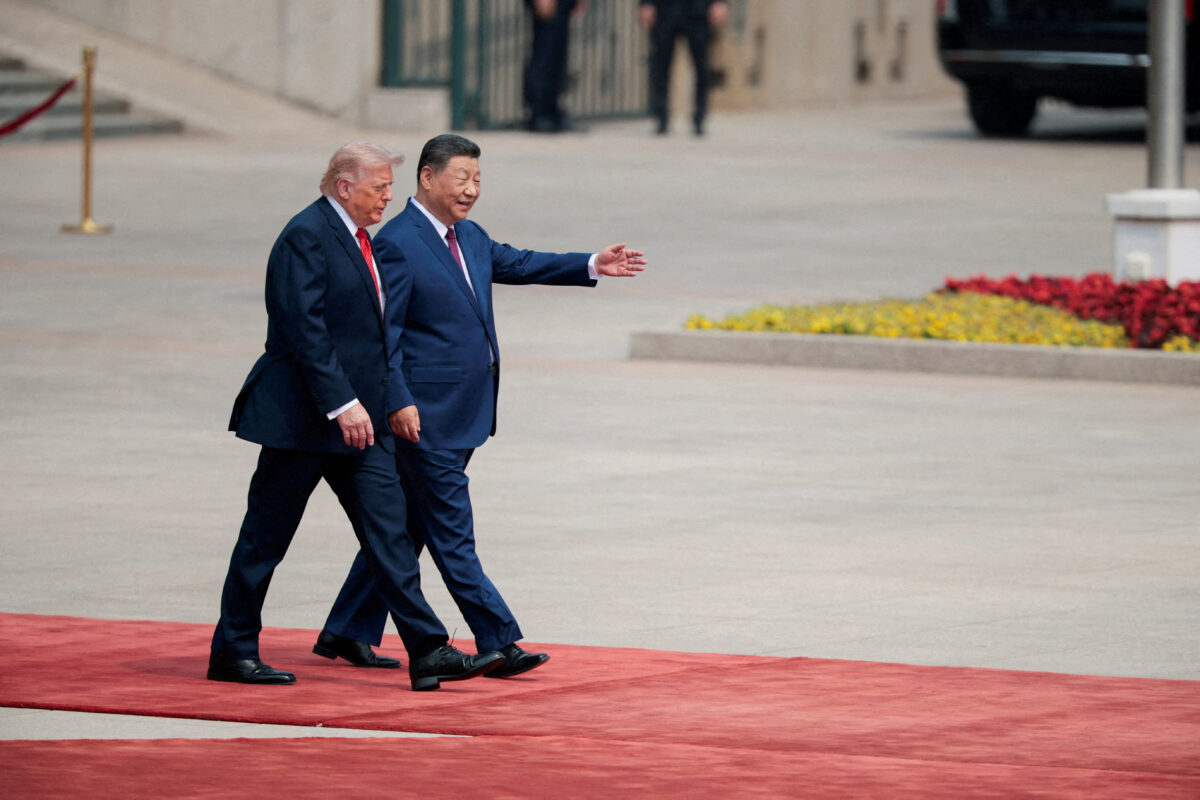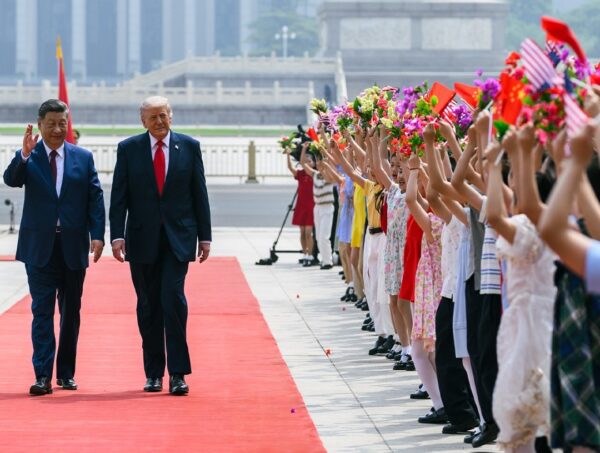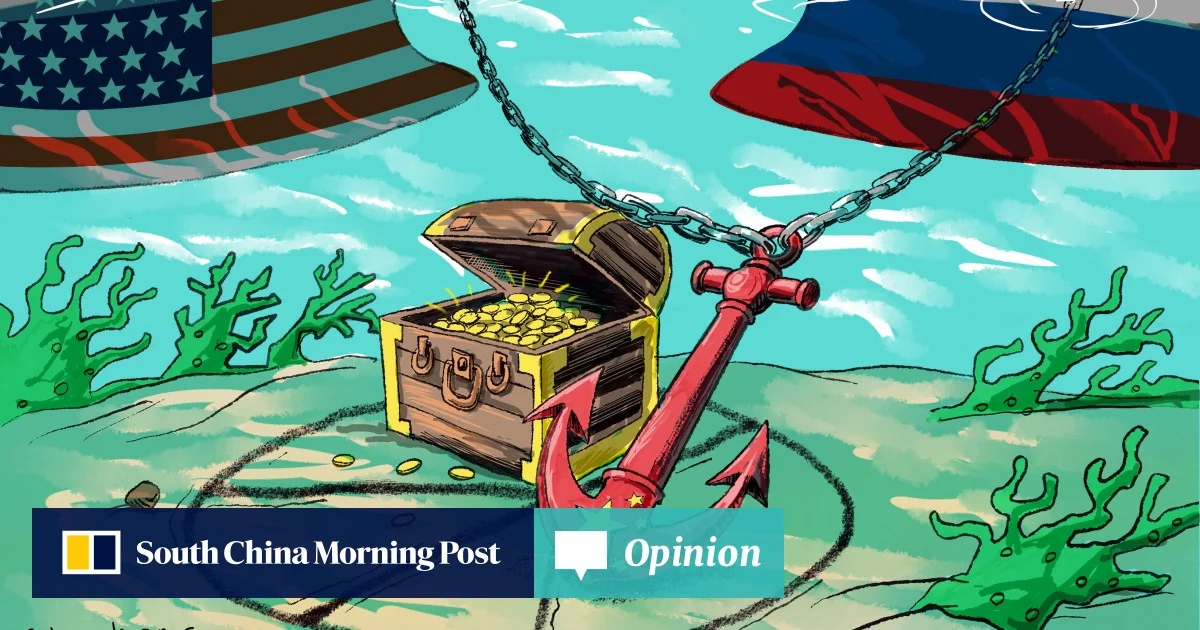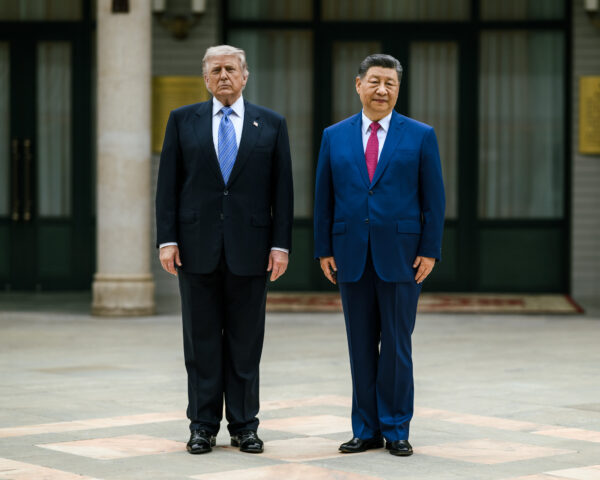
China’s recent calls for “constructive strategic stability” with the United States and a “new type of international relations” with Russia indicate that Beijing is intent on managing competition with Washington to create the strategic space to build a global order no longer led by the United States. U.S. President Donald Trump’s mid-May trip to Beijing revealed a new dynamic in China-U.S. relations, with Beijing demonstrating greater agency in shaping the bilateral relationship. This dynamic was reinforced only a few days later when China’s party and state leader Xi Jinping articulated his preferred vision for the international order while hosting Russian President Vladimir Putin in the Chinese capital.
China is seeking to reduce tensions with the United States by reframing the relationship around managed competition rather than confrontation – while avoiding major concessions on trade or Taiwan. But in resetting the agenda of bilateral ties that have deteriorated over the past decade, Beijing is also challenging the universalist claims of the liberal international order.
Foreign Minister Wang Yi said that “constructive strategic stability” meant that “the relationship gets more resilient through exchange and cooperation” and that stability should be based on “respecting each other’s social systems and development paths, core interests and major concerns.” This reflects the Chinese Communist Party’s growing confidence and its view that the authoritarian political system is not inferior to the Western liberal democracy – and may quite possibly even be superior.