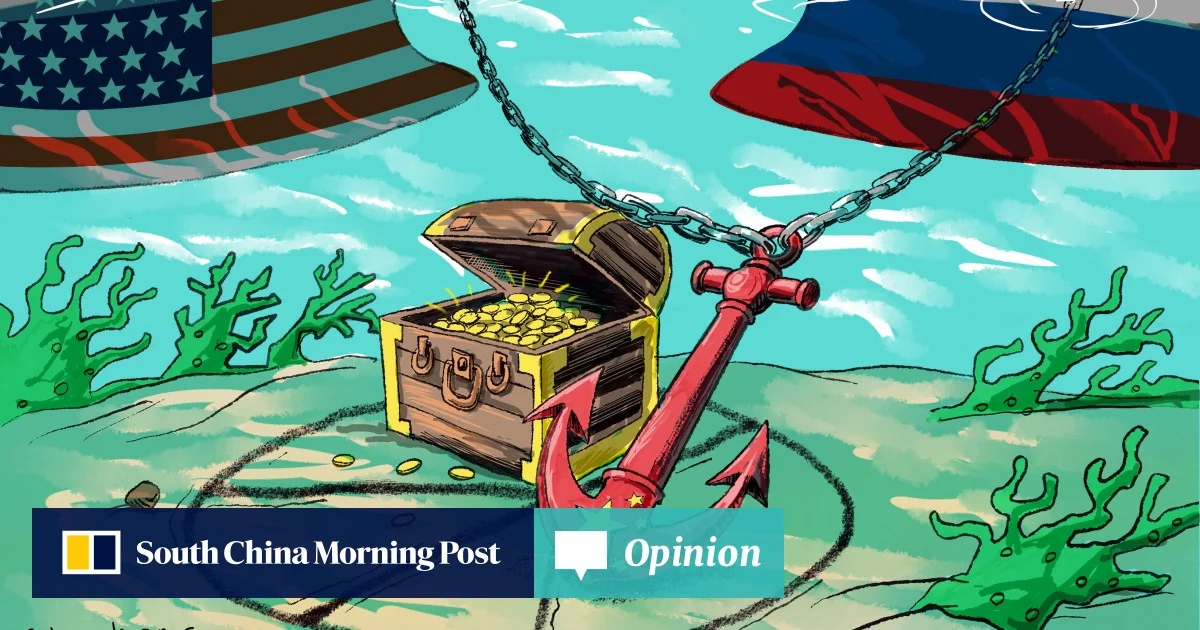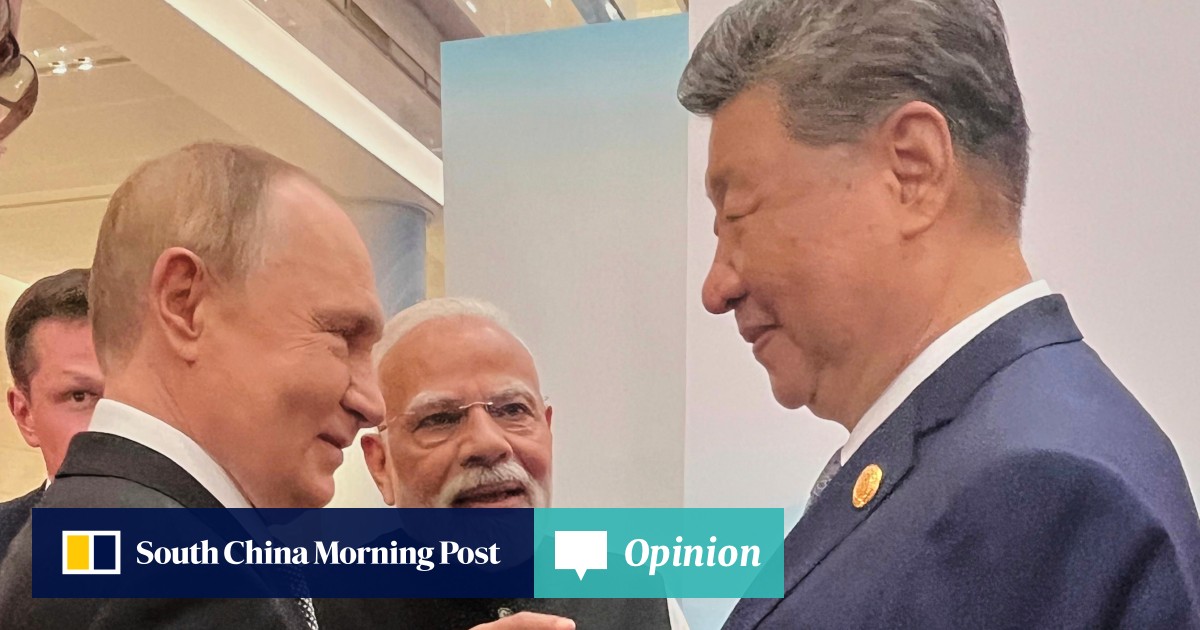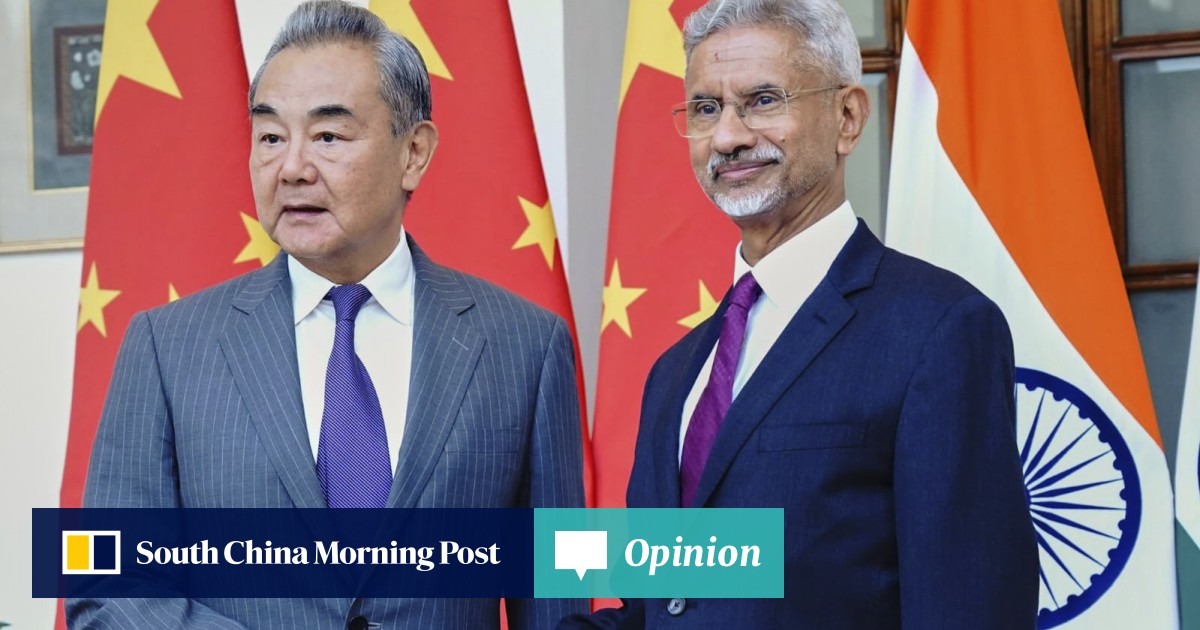
While US policies are pushing China, Russia and India closer to each other, Eurasia is still marked by differences and contradictions
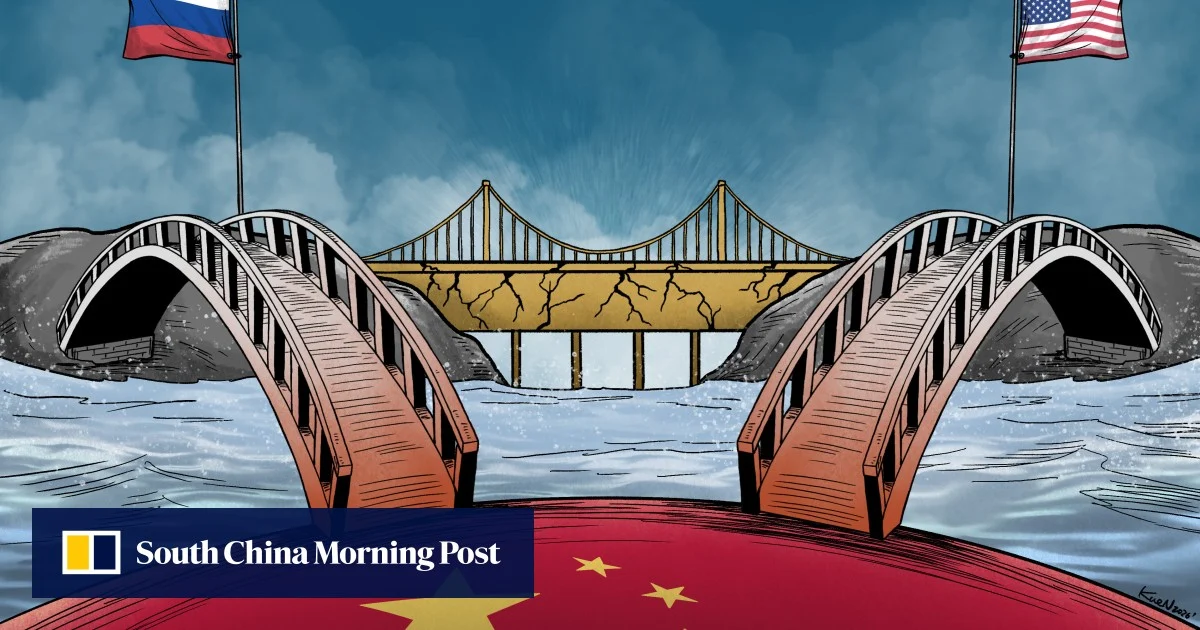
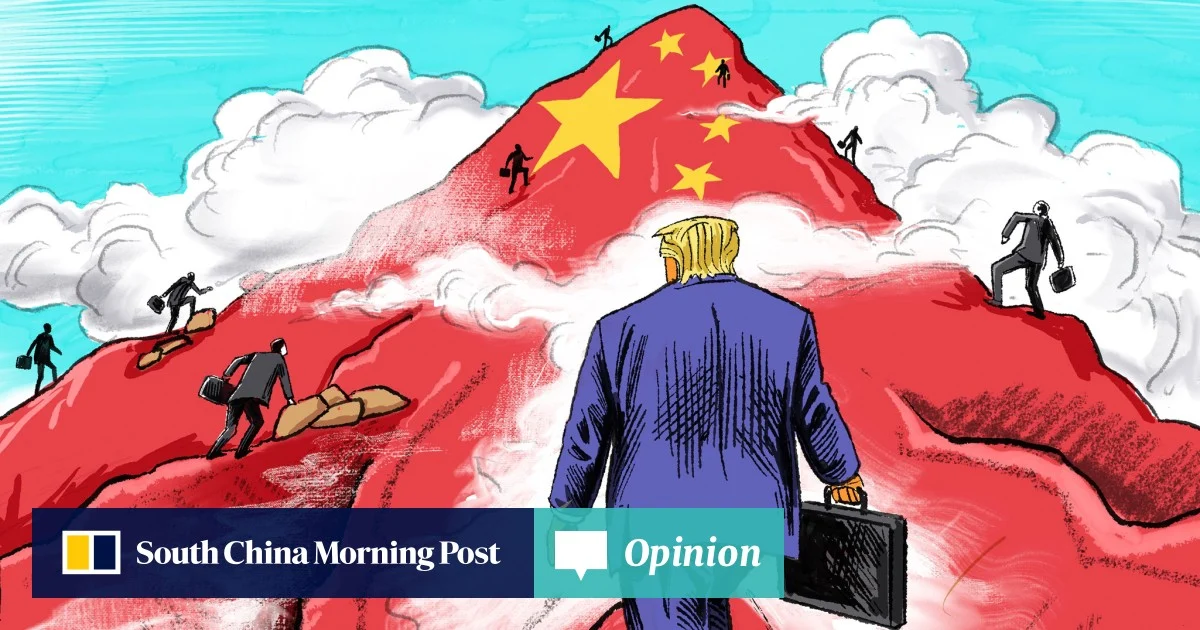
While United States President Donald Trump aims to end – or at least freeze – the Ukraine conflict and portray himself as a peacemaker, China seems to be quietly expanding its influence in Eurasia – a region that Halford Mackinder, “the father of geopolitics”, viewed as the key to global power.
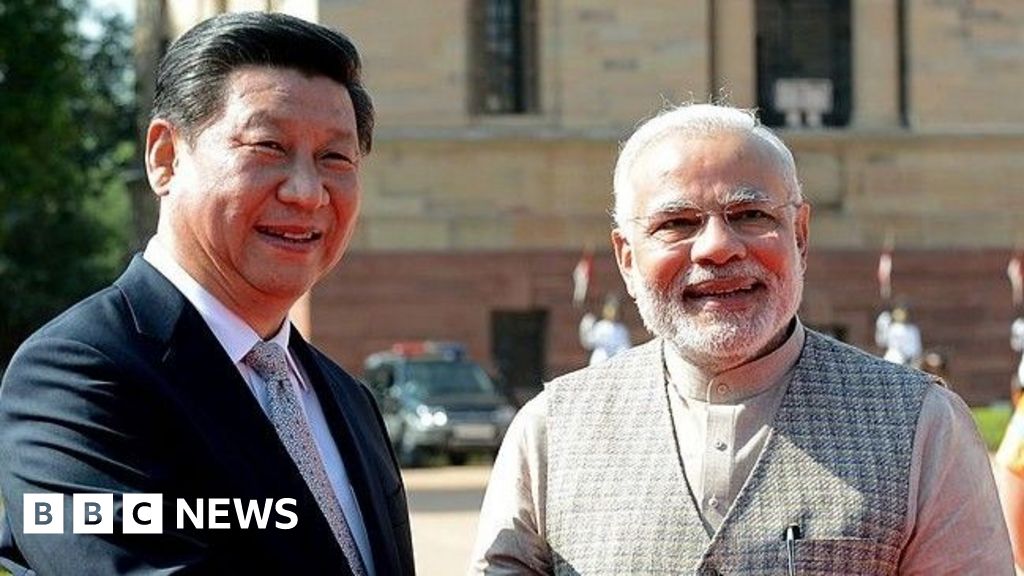
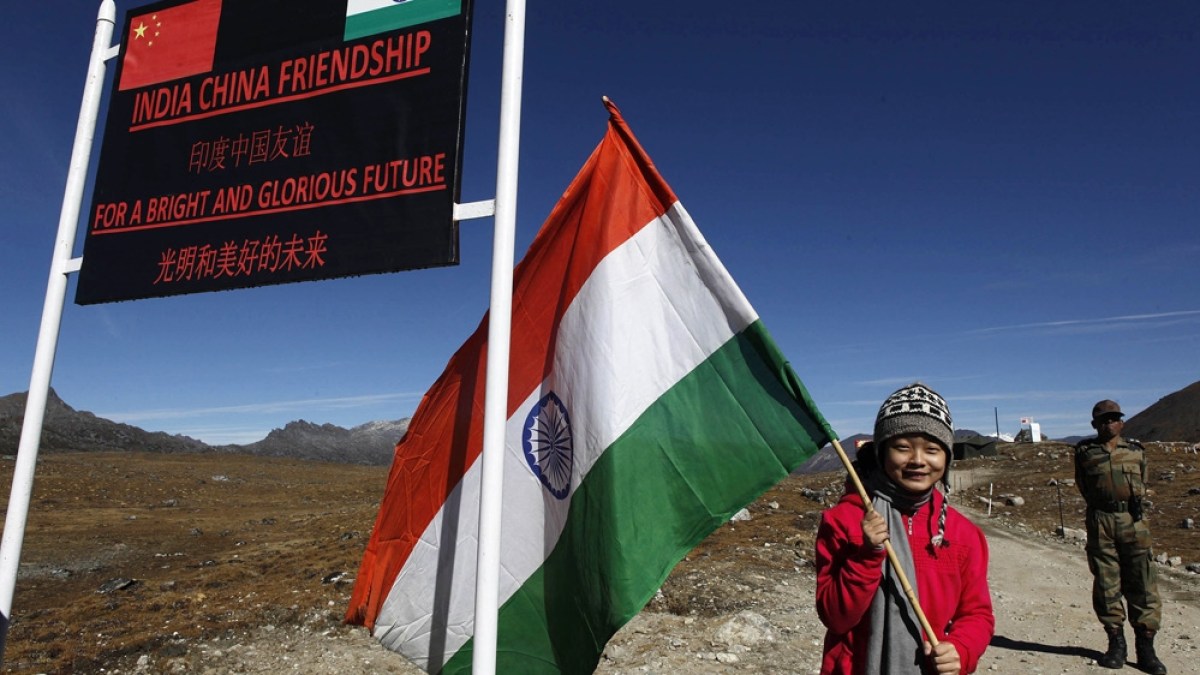
Trump’s tariff policies have not only led to a deterioration in economic ties between the US and China, but have also pushed India – Beijing’s regional rival – to improve relations with its fellow Asian power.
The fact that the trade between India and China in 2023 reached US$136 billion, and that Russia became a major exporter of both natural gas and crude oil to China, indicates that there is room for a broader strategic realignment across Eurasia – one that may gradually reduce American influence in the region.
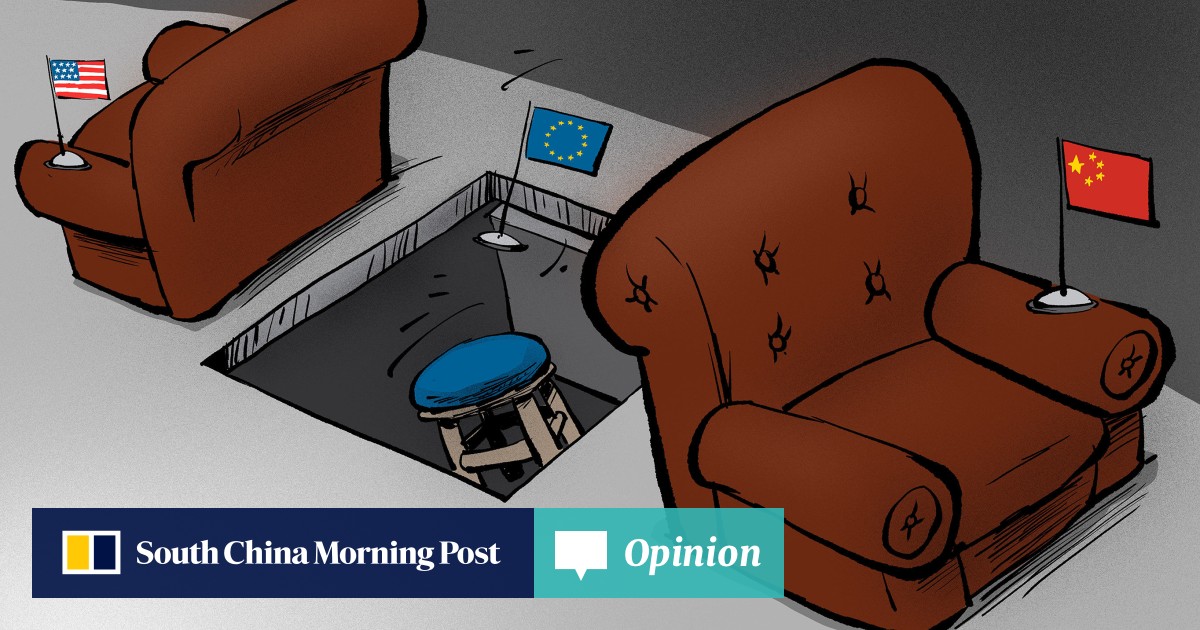
However, the problem for Moscow, Beijing and New Delhi is that, unlike Nato, the European Union or other Western-led alliances, the SCO does not function as a bloc with clear ideological alignment. It remains a diverse grouping of Eurasian powers, increasingly shaped by China, but still marked by internal differences and contradictions.