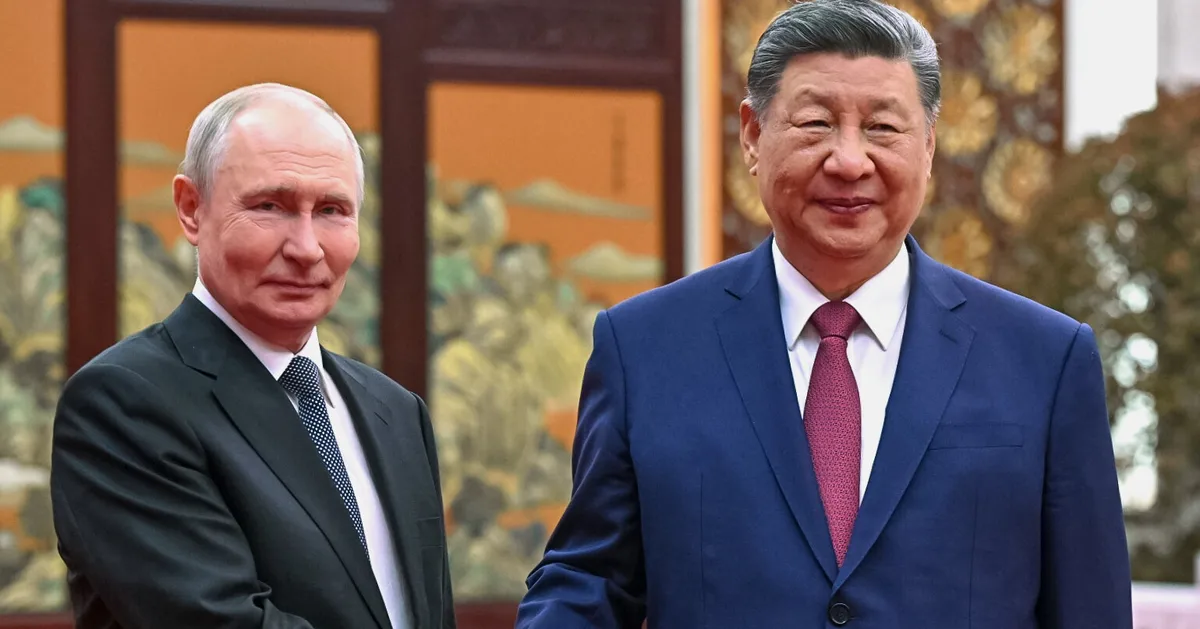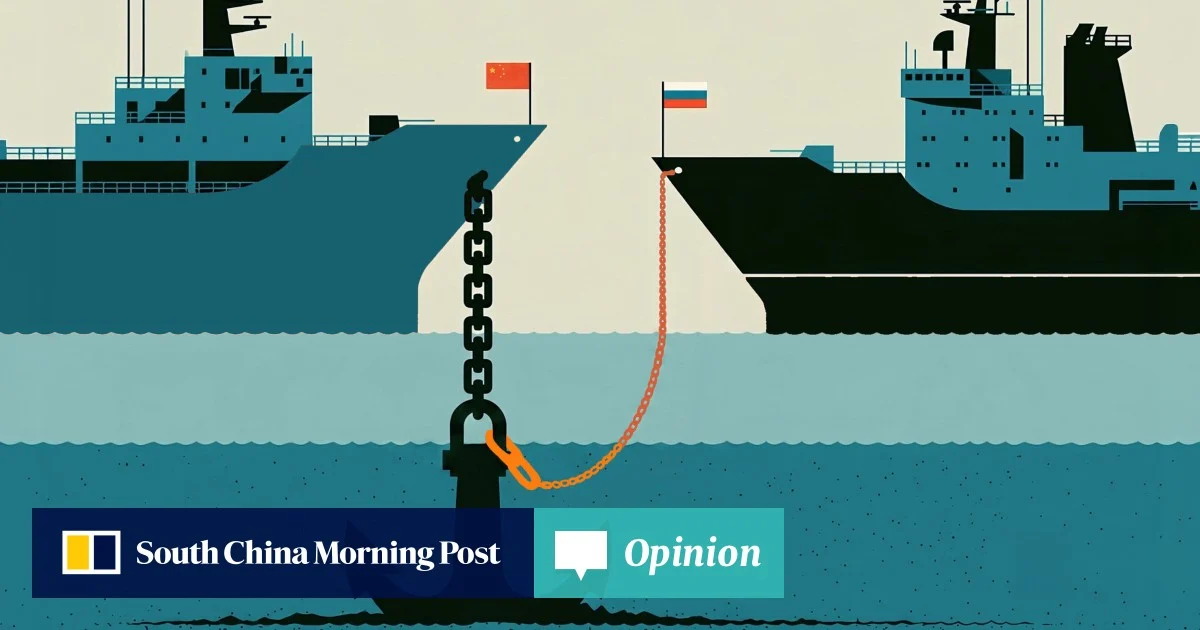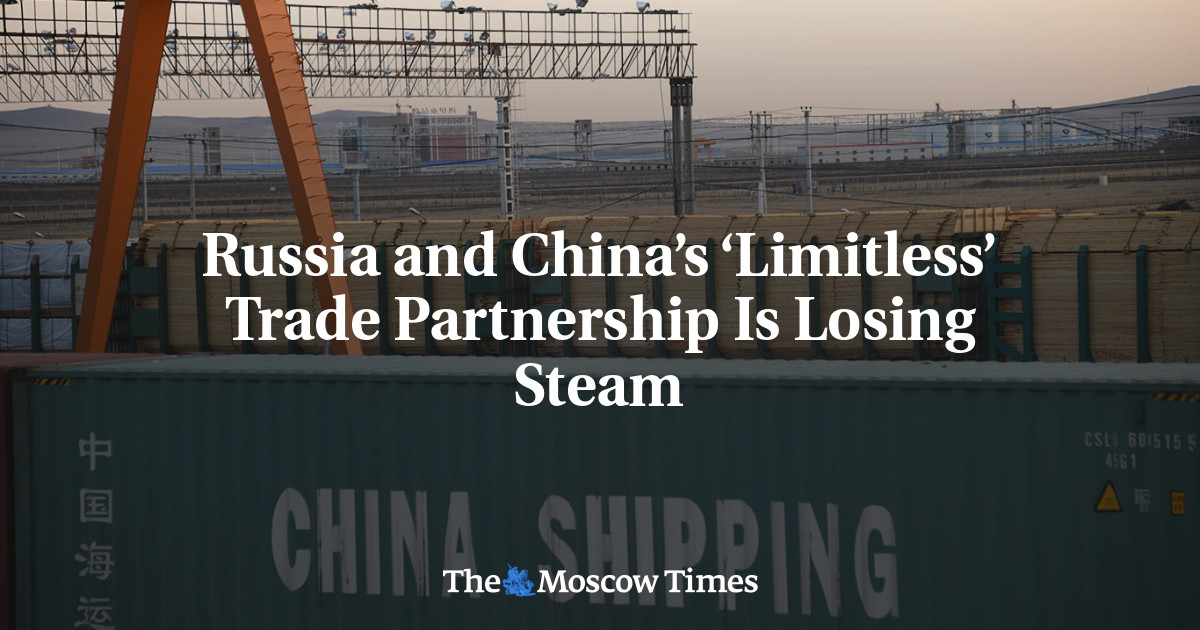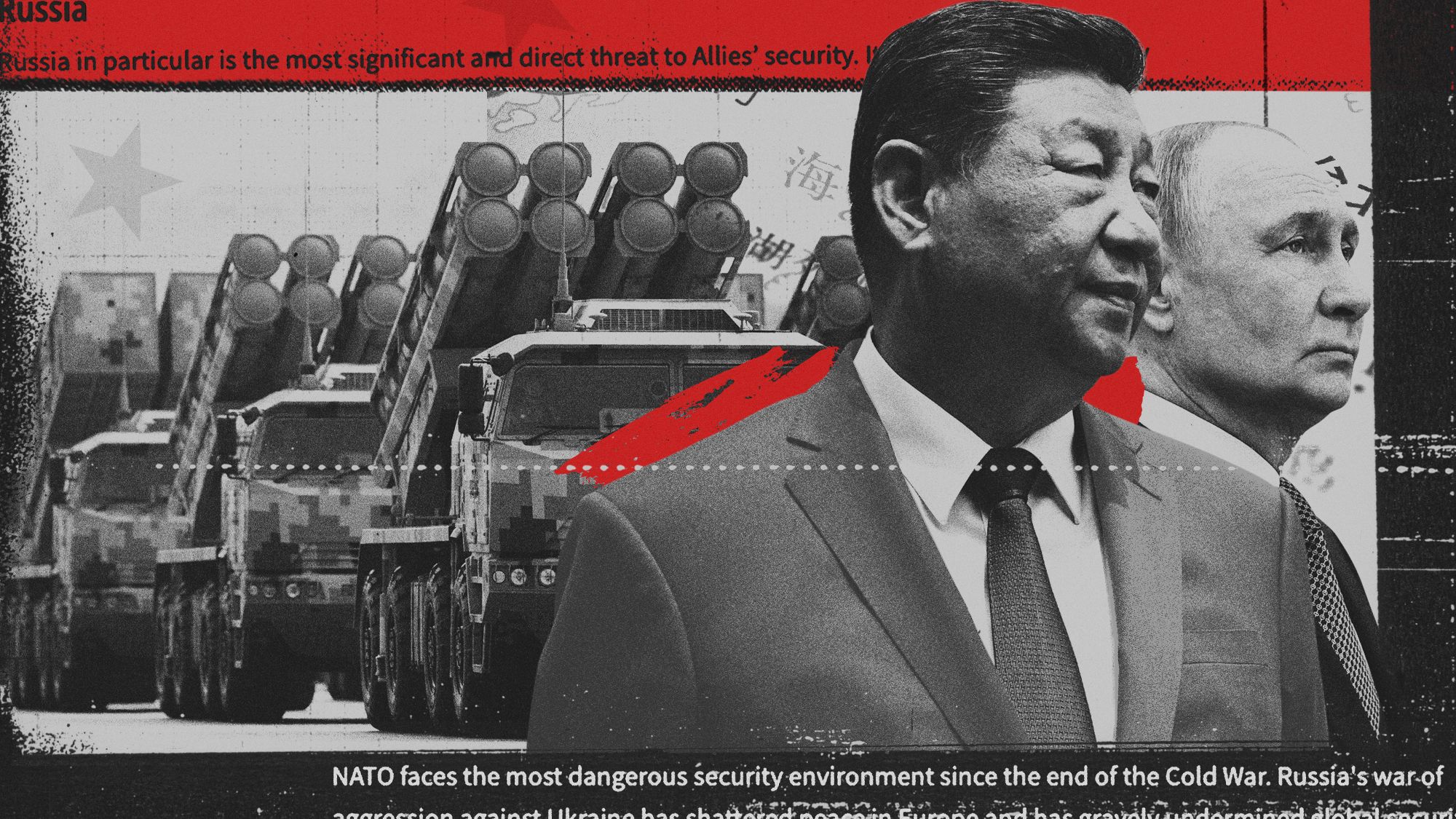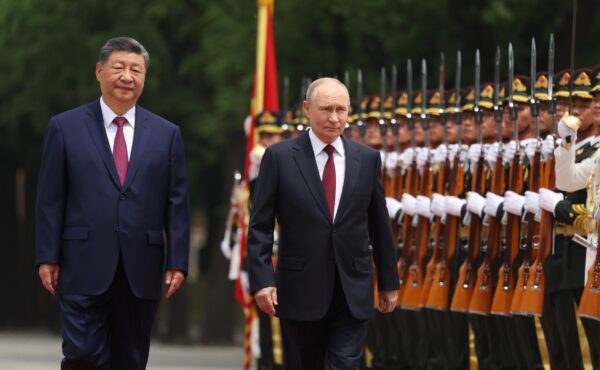
In 2016, if an analyst had suggested that within a decade China would serve as the economic and logistical lifeline enabling Russia to wage full-scale war against Ukraine, most observers would have laughed it off. If that same analyst had added that Beijing and Moscow would cooperate with Tehran to mass-produce lethal drones to kill thousands of Ukrainians, the prediction would have seemed similarly far-fetched.
The notion that North Korean troops would be fighting alongside Russian forces in Europe, learning crucial lessons of modern warfare, would also have been outlandish, as would the Chinese leadership affording Russian forces secret military training, including on “radiological, biological, and chemical warfare,” as Reuters reported on July 1.
Yet as of mid 2026, these scenarios have come to pass as part of the sustainment of the longest and most horrific land war in Europe since World War II. It grinds on in no small part due to the support of an axis of authoritarian powers that democracies world failed to take seriously enough.
Western policymakers convinced themselves that economic interdependence would moderate Beijing’s behavior, that sanctions would cripple Moscow, and that the frictions between Russia and China were too great to permit meaningful cooperation. This assessment was wrong – a failure of both political will and imagination.