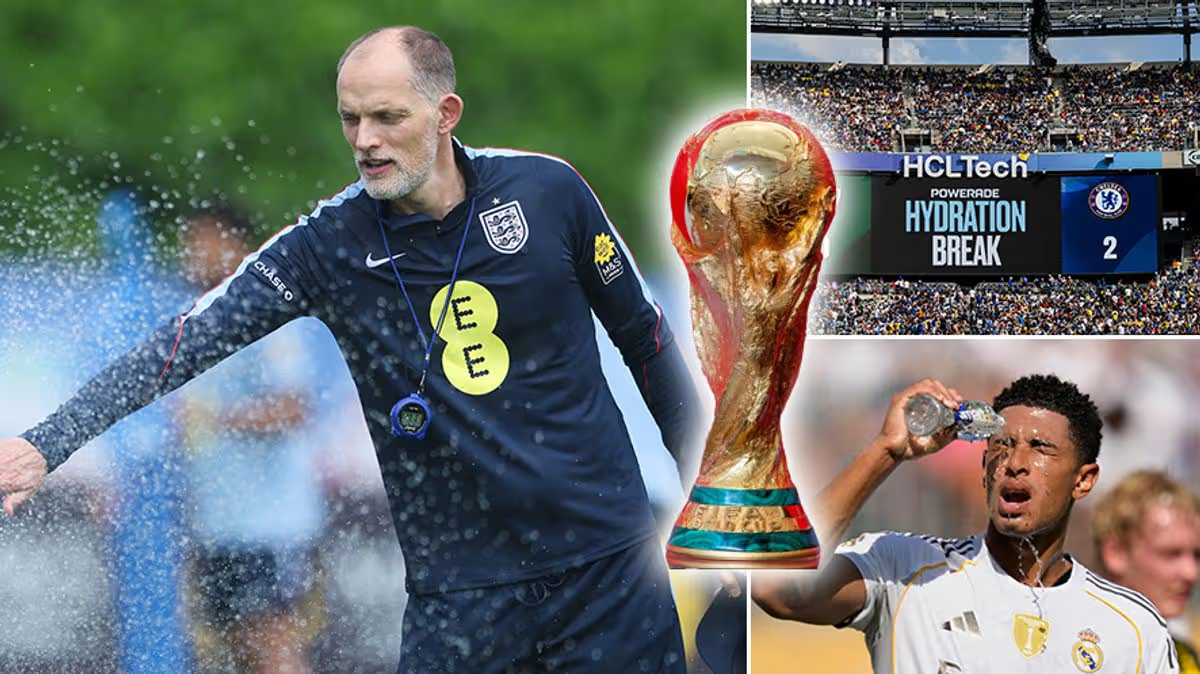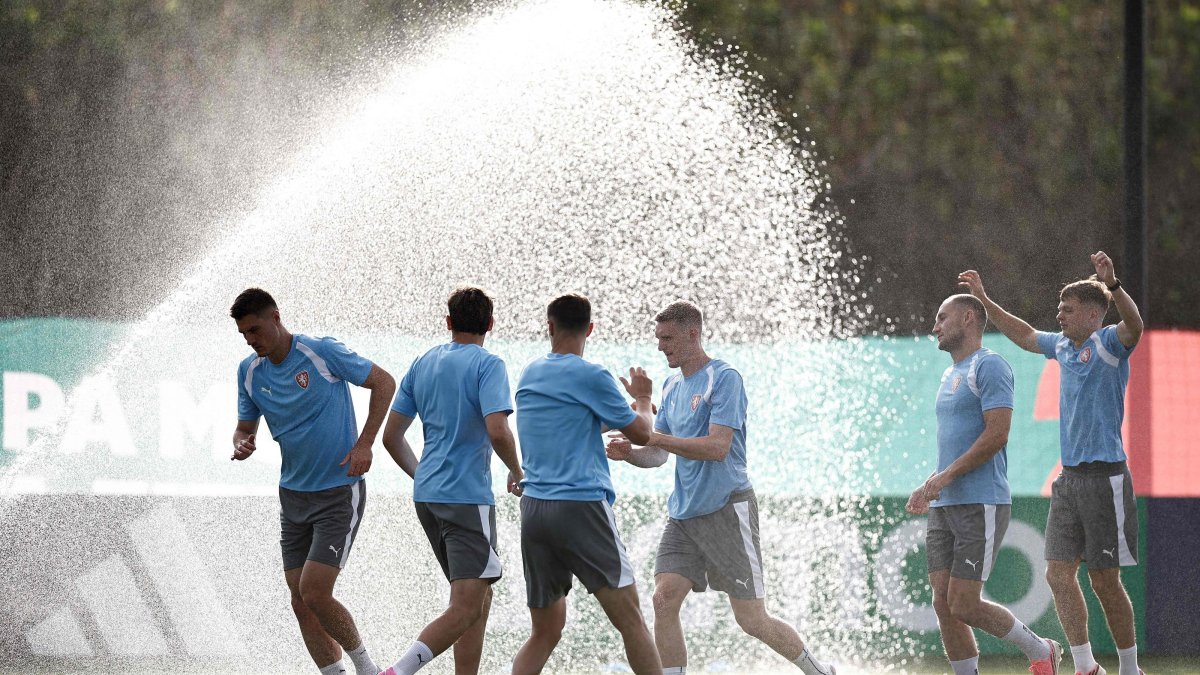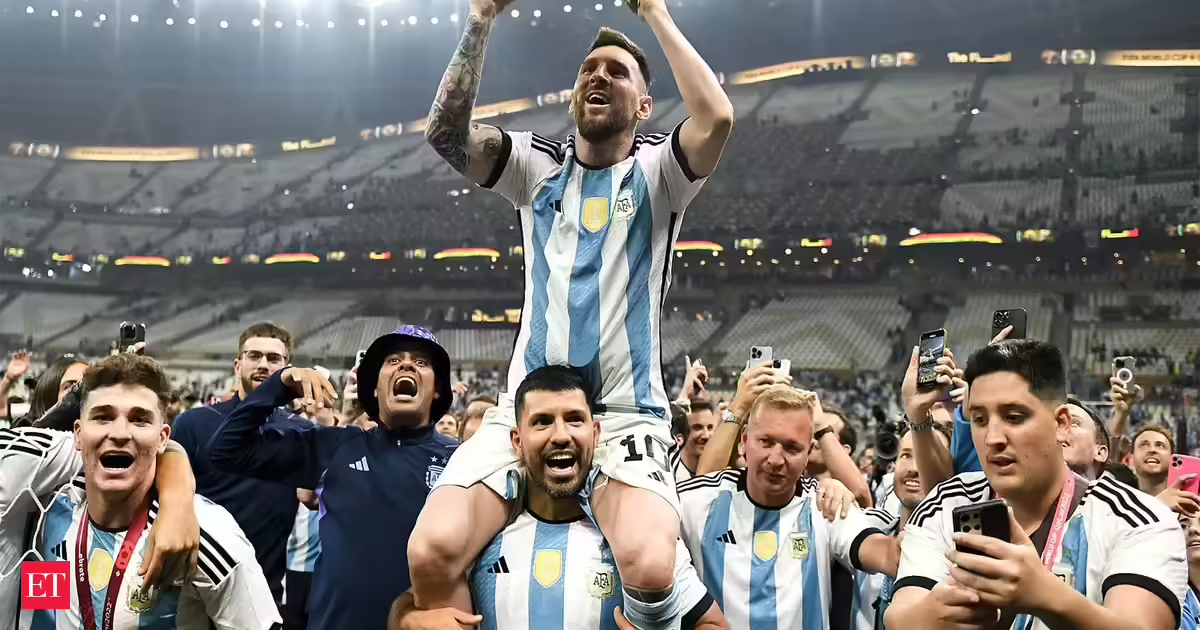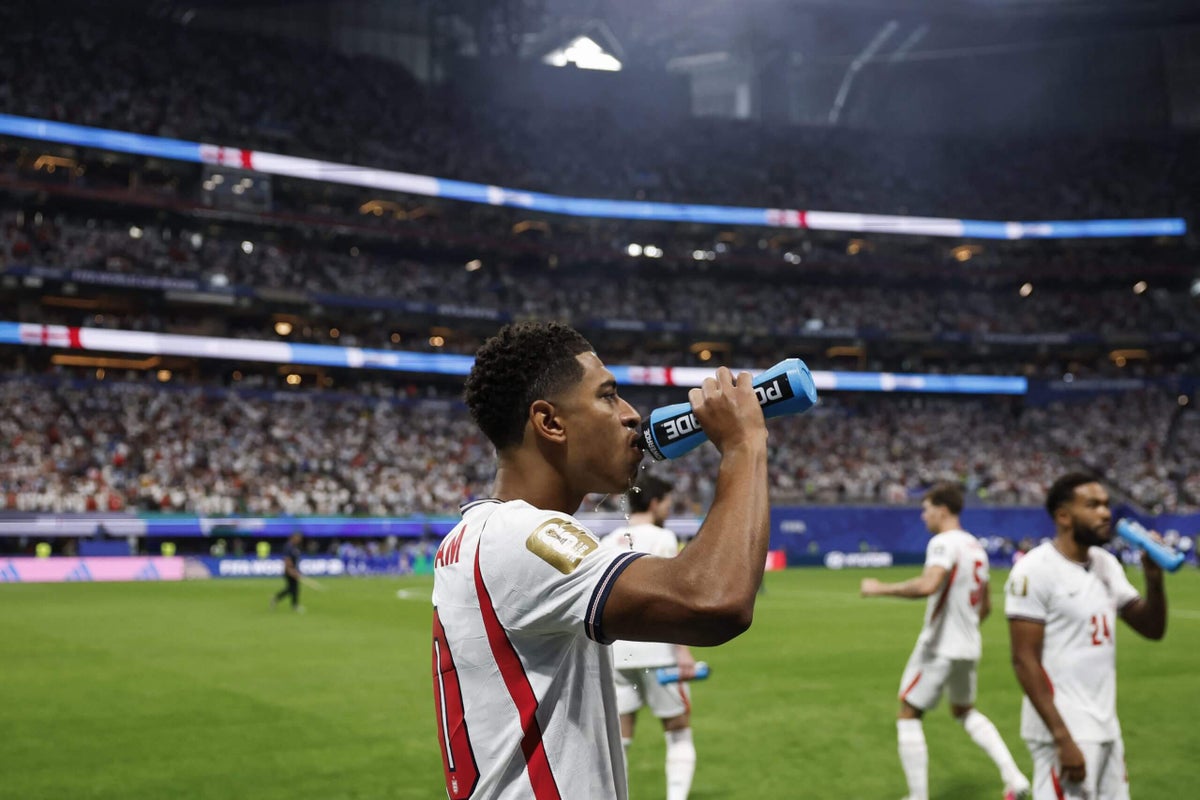
The issue with holding a World Cup across North America in summer, we were told for several years, was the climate. The heat, the humidity, and the mile-high altitude of Mexico City would combine to create a tournament of bad football.But by the end of the six weeks — even after a terribly disappointing final on Sunday — it’s difficult to find anyone complaining about the general quality of matches. World Cup 2026 was widely regarded as an enjoyable edition where the good footballing sides succeeded. There has probably never been a World Cup where the established stars all produced their best form. And this was — in part — because of the climatic conditions.The scourge of modern club football is the obsession with pressing. Pushing up, squeezing play and trying to regain the ball in advanced positions is a perfectly viable and often successful strategy, particularly when treated as a useful add-on to quality in possession. In contests between two technically skilled sides, it can create high-tempo, thrilling football.The World Cup moments our reporters will never forgetHannah Vanbiber and moreThe problem is that, over the past decade of football, pressing has stopped being considered an add-on and become the primary objective for many sides.Pressing is considered the best way to defend. Pressing is considered the best way to attack. Pressing is the fundamental quality for every player, even those in creative, attacking positions. Pressing is tactical, and requires intelligence and cohesion, but it’s also about energy, tenacity, and winning duels.The consequences of this were obvious in the Premier League last season. The English top flight is the strongest domestic league in the world. Its clubs now routinely ease to victory in the Europa League and Conference League, and only a penalty shootout denied the 2025-26 Premier League champions, Arsenal, triumphing in the Champions League too, to complete a treble of continental cup wins.But English teams are primarily overpowering rather than outplaying foreign opposition, and in domestic competition they now battle to overpower each other.There was barely a single player in the Premier League on the usual level you’d expect of a player of the season; nobody had any time on the ball to play a positive forward pass, nobody had space to produce something unexpected. Everyone was exhausted. Many games last season became about territory, and waiting until you got a set piece to actually create a clear chance. It was, in terms of aesthetic quality, as bad as the Premier League has been for two decades.There was little of this at the World Cup.Tournament football isn’t generally conducive to pressing, with so many matches squeezed into such a short window, and without the cohesion that comes from club sides training together for months. With the heat, it was simply impossible to press intensely for 90 (or 120) minutes, even in the era of five (or six) substitutes. Few teams pressed high up the pitch, and even fewer were primarily defined by pressing.Can you remember a single game, of the 104, where the pundits were asked what impressed them about a team’s performance, and they spoke about their pressing?Eventual champions Spain pressed well, certainly, and their aggressive positioning without the ball was summarised by the fact goalkeeper Unai Simon’s primary responsibility in the semi-final and final was sweeping outside his box, behind a high defensive line, rather than actually saving shots.The 2026 World Cup was a warm edition (Shaun Botterill/Getty Images)But Spain are, first and foremost, clearly a possession-based side. The pressing is a secondary factor, and they can press well in bursts because they spend so much time in possession, in control of matches.Probably the only side focused primarily on pressing were Austria, who were given an enjoyable 3-0 thrashing by Spain in the round of 32. Spain pressed because they wanted the ball back. Austria seemed happy not to have the ball, because then they could press, but then had little idea what to do with the ball. Spain’s performance that day was their most thrilling of the tournament.Some matches, of course, were not played in intense heat — and some were in air-conditioned domed stadiums. But even then, it’s difficult to completely ignore the climatic conditions experienced over the rest of the past month or so, and there was always a need to conserve energy for the next match.Equally, sometimes things were genuinely problematic.A quarter-final between England and Norway in — even by Florida standards — horrendous Miami humidity, kicking off at 5pm local time, was probably bad scheduling. You don’t want Erling Haaland barely being able to move after an hour’s play, especially not at a key stage of the competition. But still, it was interesting to listen to Norway coach Stale Solbakken speak about how the climate would affect play in his pre-England press conference.“Intensity is a big part of football,” he said. “Where we are going (in the modern game), players are quicker and quicker, they can sprint more and more. But here we have to take into consideration the weather… it influences the pressing of all teams …to chase the ball is very tiring for when you finally get it. I think both teams need to be able to keep the ball.”Less chasing around? More focus on what you do when in possession? Sounds good.Erling Haaland and his Norway team-mates attempt to rehydrate in their last 16 encounter with Brazil (Elsa/Getty Images)The single most underappreciated factor in the history of the World Cup is that the really hot tournaments have been all the really good ones (1970, 1974, 1982 and 1986). Many of the forgettable editions have been held during winter (1962 in Chile, 2010 in South Africa).It’s no coincidence that in Spain, the old stereotype was that sides from the warmer parts of the country played possession football while the sides from the cold, windy north served up physical and direct football. Good football is played in hot weather. And this World Cup was about Lionel Messi, Kylian Mbappe, and all of Spain’s wonderful passers.There are, of course, serious issues in relation to all this: excessive temperatures can be a genuine health risk for players and supporters alike, and climate change may have serious consequences for all of us over the coming decades. But at a time when the physical element of football is at risk of overpowering the technical side, a decent fix is playing matches in conditions where relentless sprinting simply isn’t possible.
High temperatures at the 2026 World Cup meant less pressing – and better matches
In an era when physical football is dominating the club game, a decent fix is playing matches where relentless sprinting isn’t possible
1,074 words~5 min read