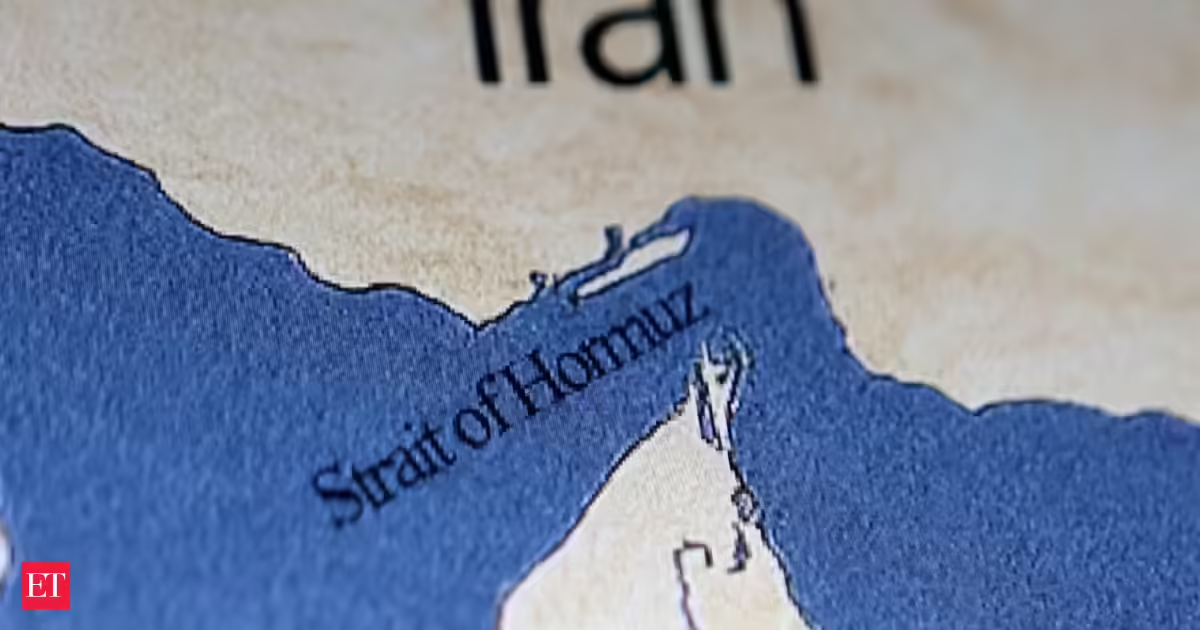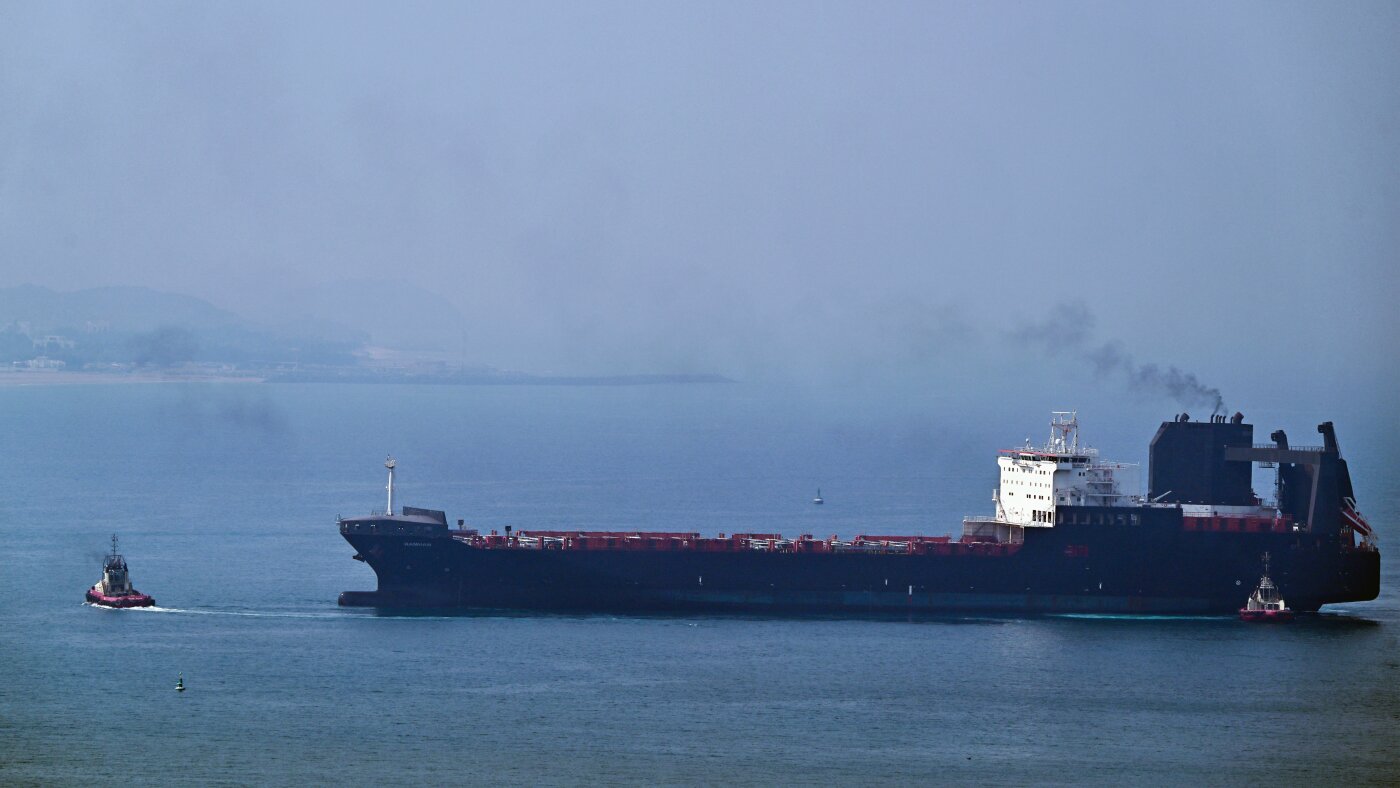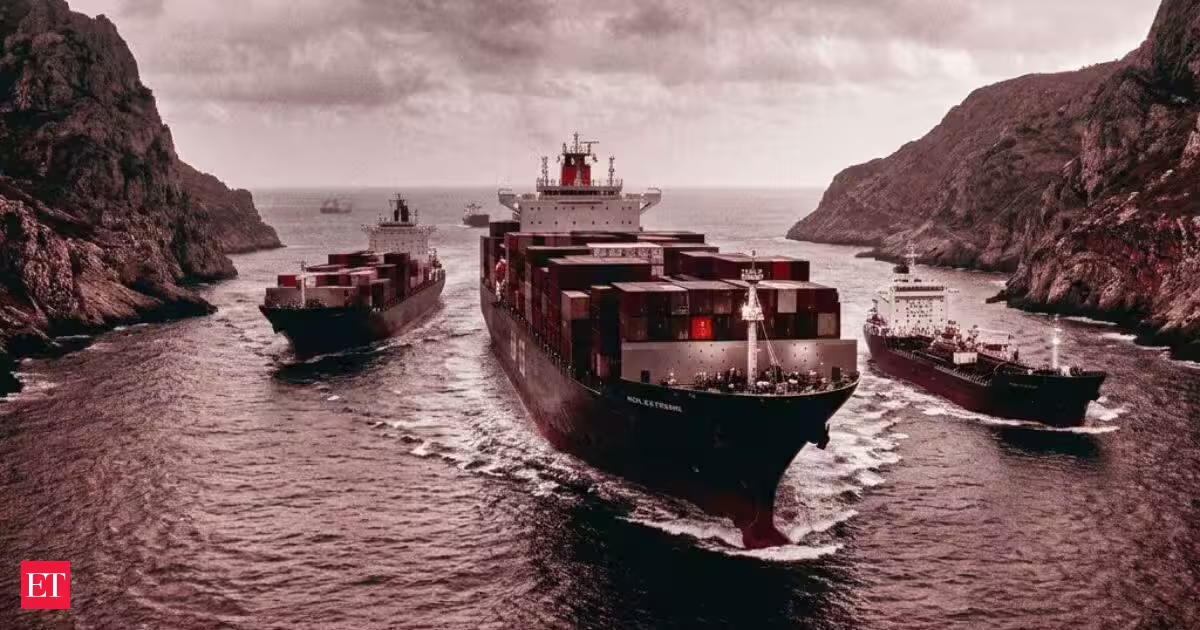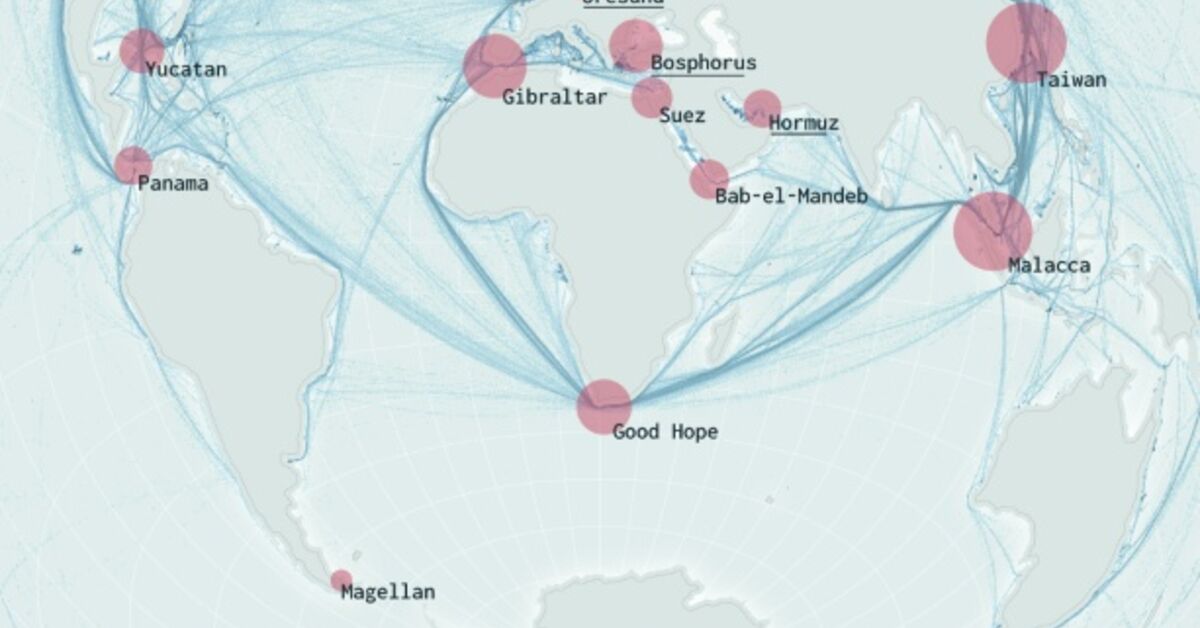
Hormuz and a handful of maritime straits around the world have served as the linchpin of global trade since the 16th century and have fuelled geopolitical rivalries throughout history.
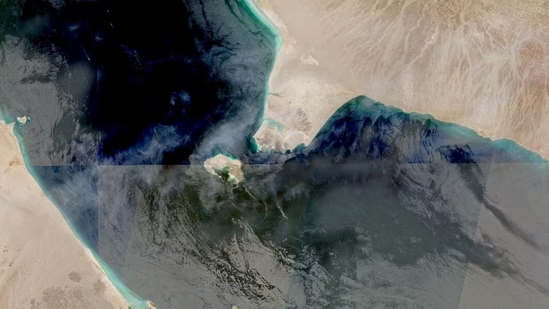
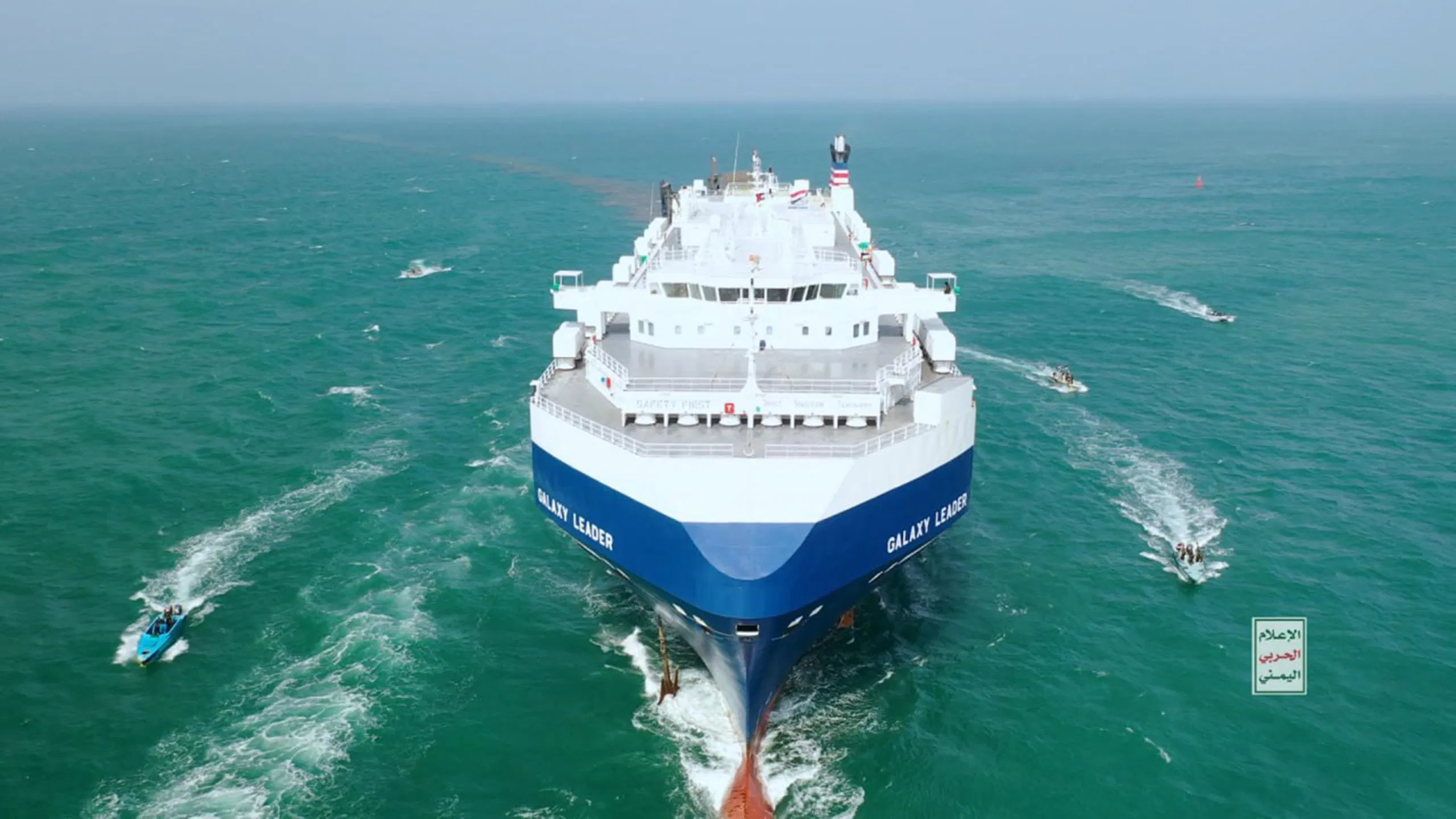
As Iran tightens its grip on the Strait of Hormuz, its Yemeni allies, the Houthi rebels, want to disrupt shipping in the Red Sea to and from Saudi ports and could possibly disturb traffic in another strait, Bab el-Mandeb, which ships must cross to reach the Suez Canal, experts say.
These two passages, which lock access to the Gulf and to the Red Sea, are among the dozen or so straits considered vital to international trade.
Oil and gas tankers, bulk carriers and container ships loaded with raw materials and goods pass through these narrow natural corridors.
The United Nations Convention on the Law of the Sea signed in Montego Bay on December 10, 1982 -- a kind of constitution for the oceans -- "formalises the fact that a strait is a natural feature that must not be subject to tolls" and where "the principle of free navigation" is guaranteed, Sylvain Domergue, a lecturer at Sciences Po Bordeaux and author of Geopolitics of Maritime Spaces told AFP.