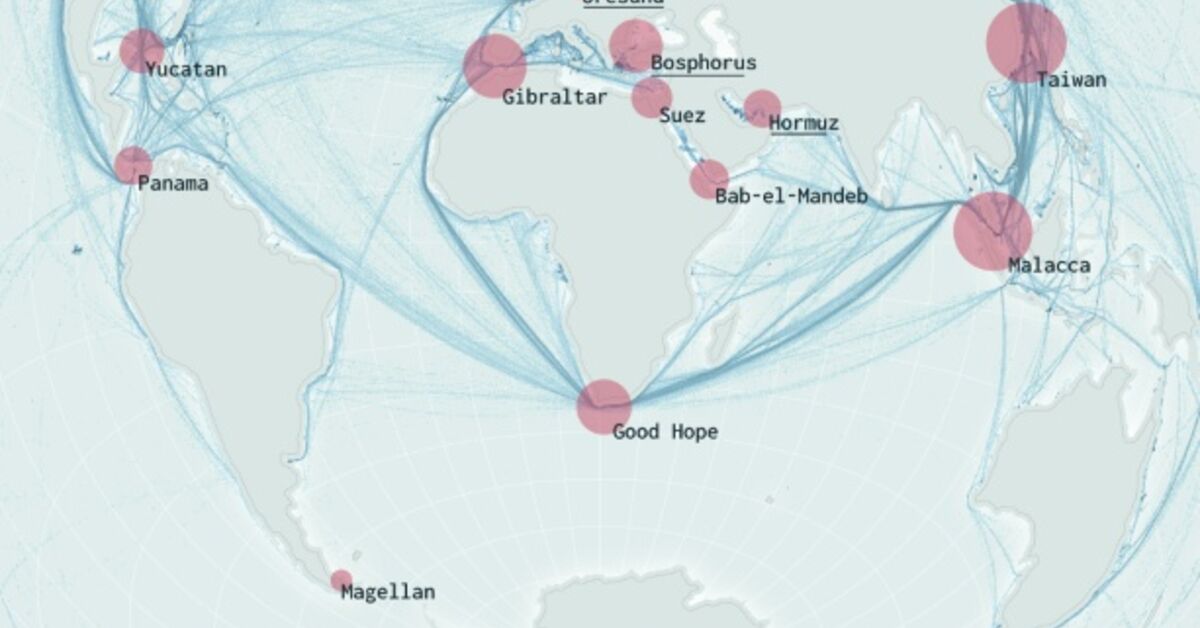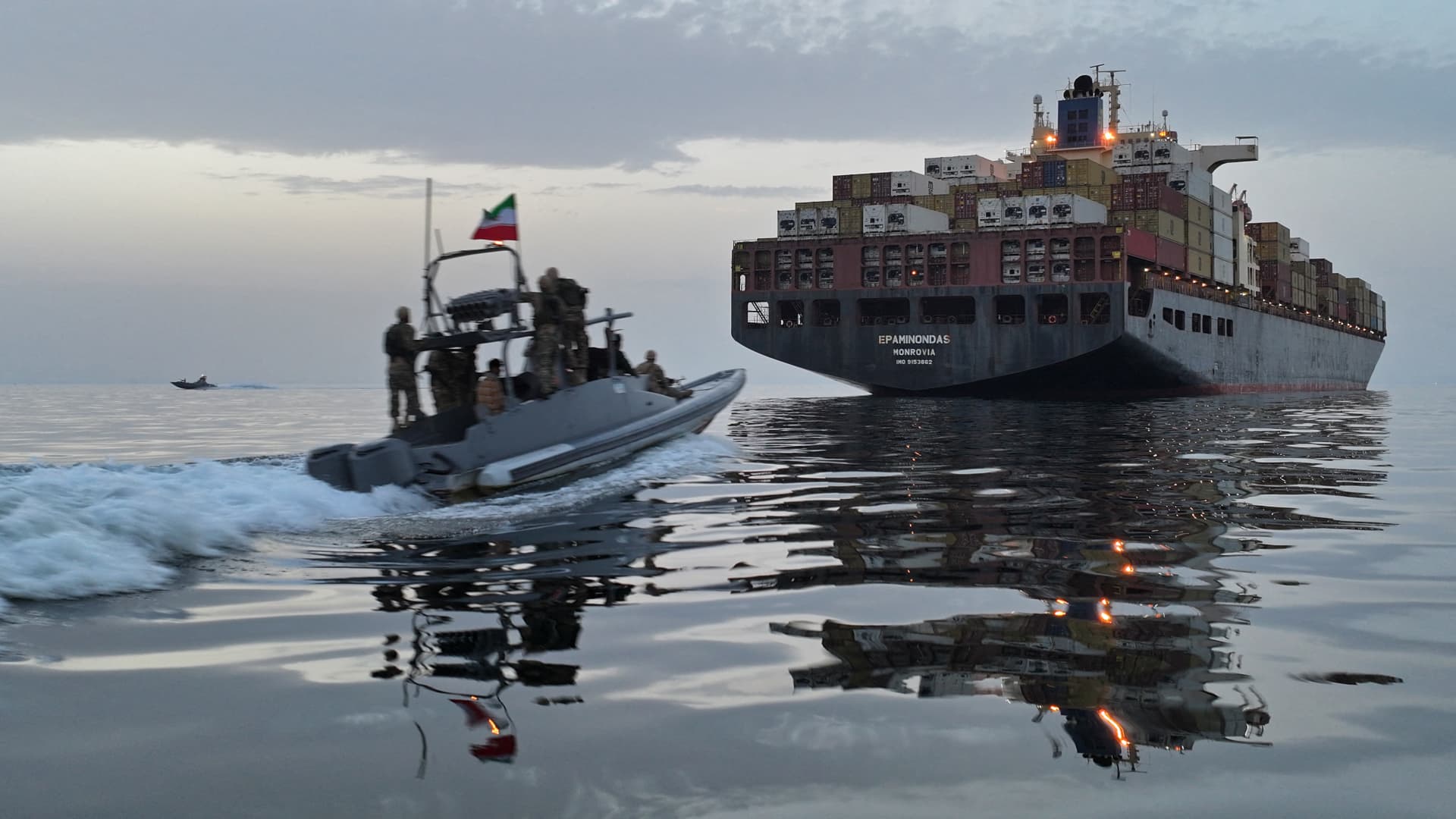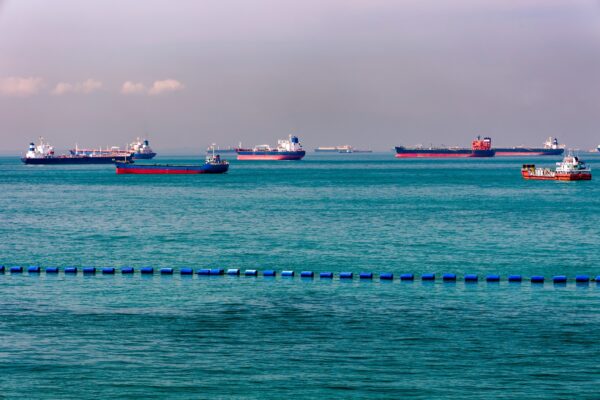
Iran’s blockade of the Strait of Hormuz in response to U.S. and Israeli strikes has once again highlighted one of the world’s most persistent strategic vulnerabilities. Around 80 percent of global trade by volume is transported by sea, and a remarkably large share of that traffic passes through a handful of narrow maritime chokepoints. Roughly one-quarter of all seaborne oil trade and about one-fifth of global liquefied natural gas (LNG) shipments normally transit the Strait of Hormuz; farther east, the Strait of Malacca, which links the Indian and Pacific Oceans, handles more than one-fifth of global maritime traffic, including an even greater share of energy supplies, industrial components and manufactured goods.
The Red Sea crisis in 2023, triggered by Houthi attacks on commercial shipping transiting the Bab el-Mandeb Strait, had already exposed the fragility of these maritime corridors. More recently, Iran’s use of Hormuz as a geopolitical lever demonstrated how a single actor can exploit geography to exert strategic pressure during a conflict. Together, these episodes have underscored two enduring vulnerabilities: the ability of states to weaponize their geographic position, and the difficulty the international community faces in preventing both state and non-state actors from disrupting essential trade routes.