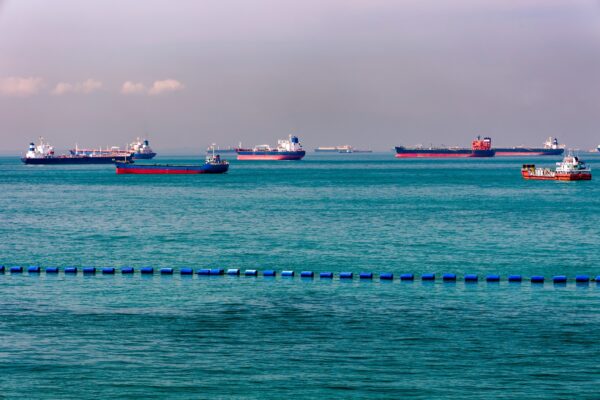
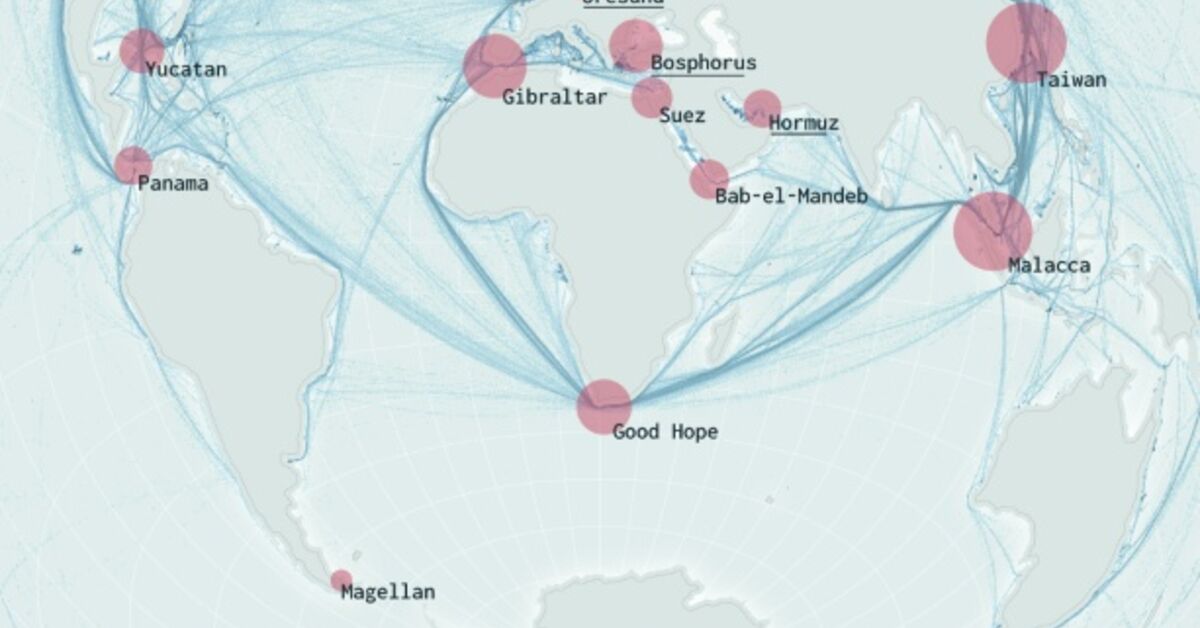
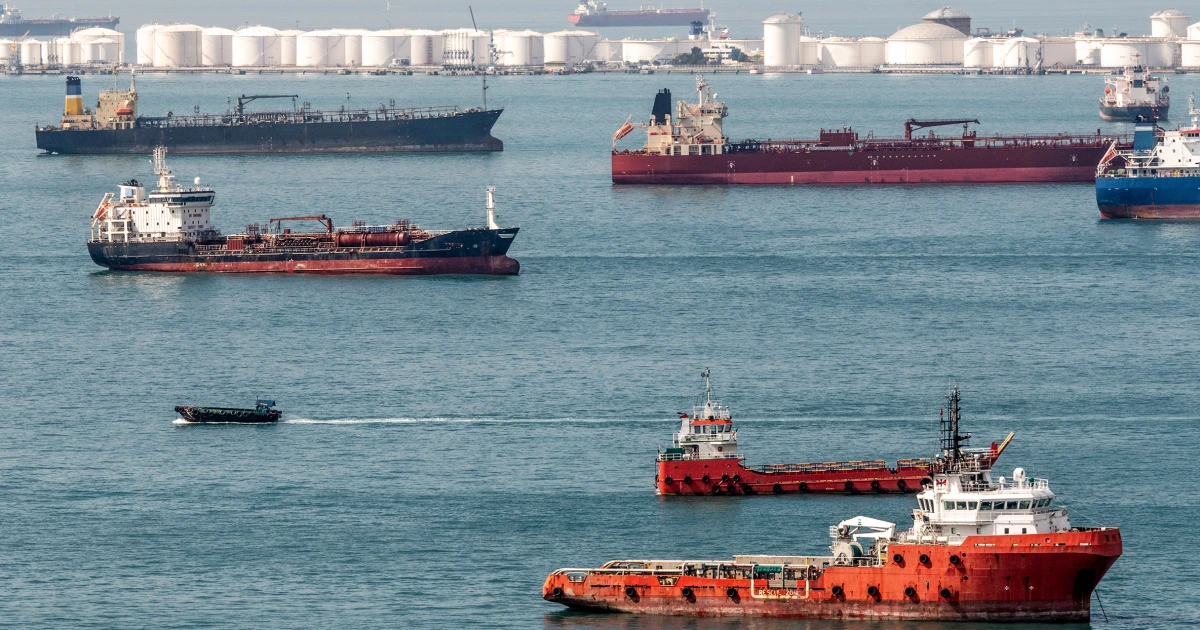
The Strait of Hormuz became a focal point of recurring regional tensions and broader power struggles following United States and Israeli strikes on Iran on February 28 and beyond. Heightened Iranian restrictions on shipping and Tehran’s blockade of the waterway have renewed global concern over strategic maritime chokepoints, shifting analytical and policy attention toward other critical corridors, including the Strait of Malacca.
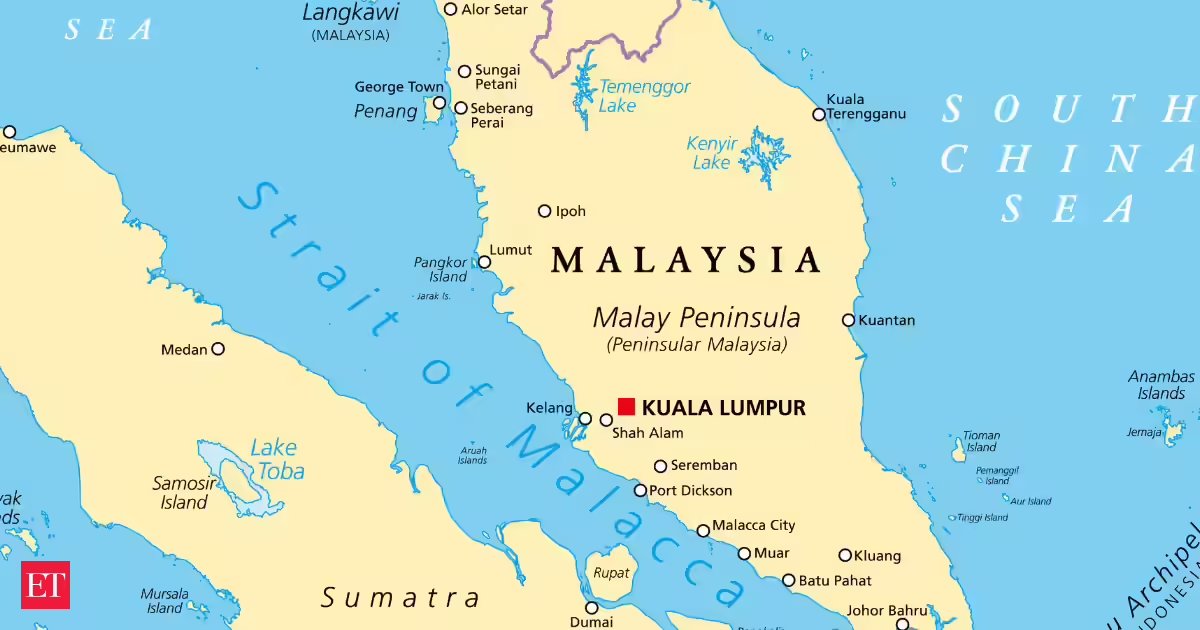
While the Strait of Hormuz is indispensable to global energy trade as a conduit for key commodities – most notably oil and liquefied natural gas (LNG) – the Strait of Malacca links the Indian and Pacific Oceans and functions as the principal maritime corridor connecting the Middle East, Africa, and East Asia.
The two straits function as critical arteries of the global maritime economy, but they are not structurally identical chokepoints. Hormuz functions mainly as a supply-concentrated energy chokepoint, through which a large proportion of global oil and LNG exports are physically concentrated. By contrast, Malacca functions as a network-dependent systemic trade chokepoint, embedded within dense manufacturing, logistics, and supply-chain interdependencies across East Asia and beyond. Disruptions in Hormuz therefore tend to produce immediate energy-price effects, whereas disruptions in Malacca are more likely to generate cascading systemic effects across both energy and industrial supply chains.