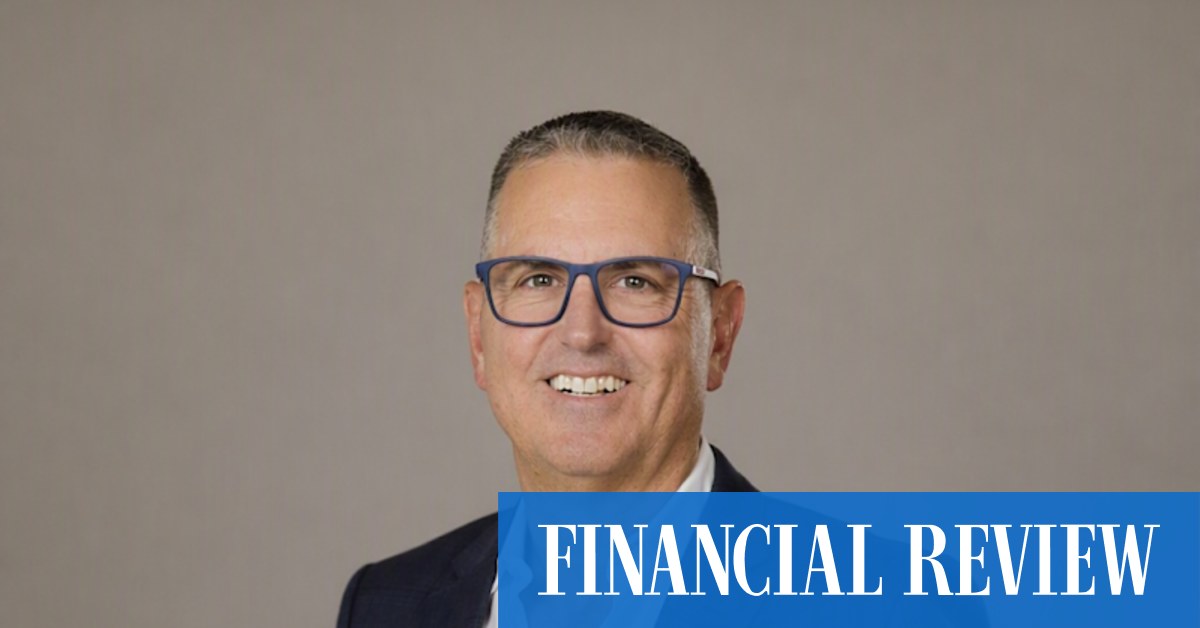
Nick Hawkins, managing director and chief executive officer, IAG. A strong insurance sector helps boost confidence throughout the economy. Businesses are more willing to invest, banks are more willing to lend, and communities are better able to rebuild when risks are understood and managed.Conversely, where risks are poorly understood or insufficiently managed, the costs can extend well beyond individual events, affecting affordability and the long-term prosperity of entire regions.Let’s consider a simple example. A cyberattack on an uninsured manufacturing business triggers a loss of revenue and customer confidence. As cashflow deteriorates, maintenance is deferred and a subsequent electrical fault causes a fire, destroying equipment and inventory.The consequences quickly spread beyond the business itself. Employees lose wages, suppliers lose contracts and households face financial stress. What begins as a single event can create ripple effects throughout an entire community and local economy.This is why insurance matters. It is not simply about helping people recover after something goes wrong; it is about strengthening resilience, supporting economic confidence and helping communities withstand and recover from the shocks that inevitably come their way.A resilient nationThe recent AFR Insurance Summit focused on resilience and its importance to Australia’s future.Resilience has always been part of the Australian character and a subject IAG has invested in understanding in more depth.Our recently released IAG Resilient Futures Report draws on insights from consumers and small businesses to provide a picture of Australians’ confidence, outlook and exposure to disruption. It includes a Risk Index designed to contribute to the national conversation on resilience by tracking sentiment, preparedness and confidence over time.We’re encouraged to see that, despite cost-of-living pressures remaining the dominant concern, Australians are cautiously optimistic, with most expressing confidence in our nation’s future.But behind that, there’s a lot going on. Our report shows Australians are navigating a growing mix of challenges, from cyber threats and mental wellbeing pressures to personal safety concerns and extreme weather events.We found that 67 per cent of consumers and 64 per cent of SMEs experienced a significant disruption in the past year, highlighting that risk events are no longer a distant or occasional concern.Understanding the stakesGetting access to better information can help governments, businesses and communities identify where risks are greatest and where preparedness gaps exist. It can inform infrastructure investment, land-use planning and building standards, strengthen business continuity and investment decisions, and help communities better prepare for local risks.But information alone is not enough.Building resilience is a shared responsibility, and no single organisation can solve the challenge alone. Insurers bring risk expertise and data. Governments shape policy, infrastructure and planning. Businesses drive investment and innovation, while communities contribute local knowledge and preparedness. The scale and complexity of the challenges facing Australia demand closer collaboration between all of these groups.At its core, the question for Australia is no longer simply how we recover from disasters. It is how we identify and address vulnerabilities, reduce risk and build resilience before disaster strikes.Resilience is one of our most important economic and social issues. Meeting the national challenge will require governments, businesses, communities and insurers to work from a connected understanding of risk — and a shared commitment to acting on it.Nick Hawkins is managing director and chief executive officer, IAG.
Understanding risk is key to resilience
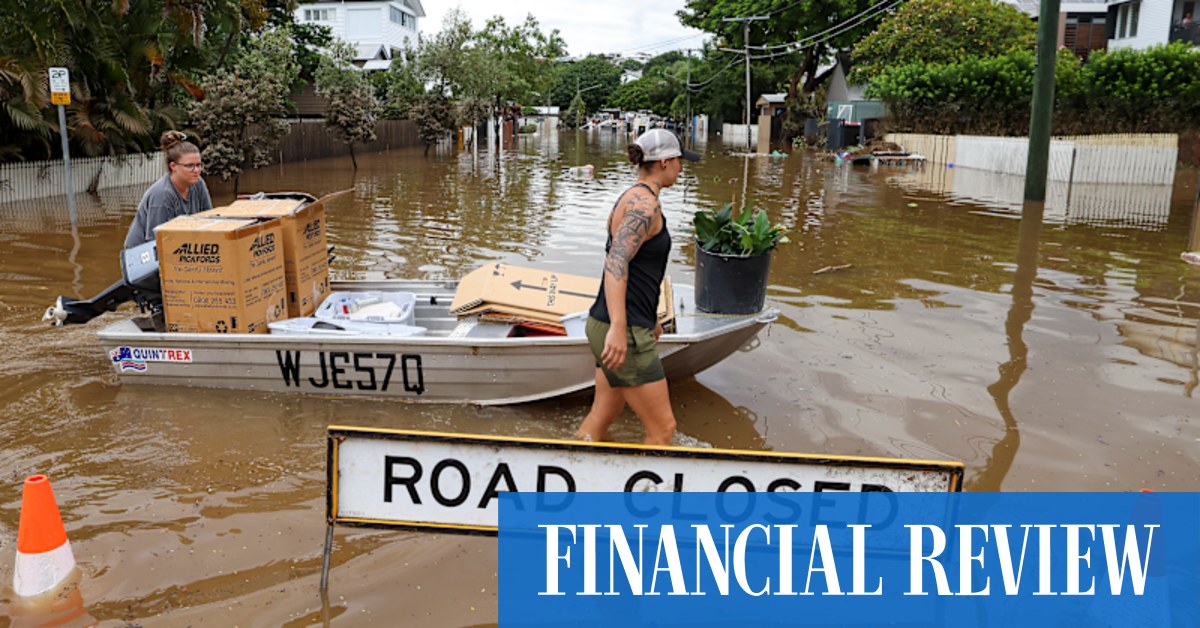
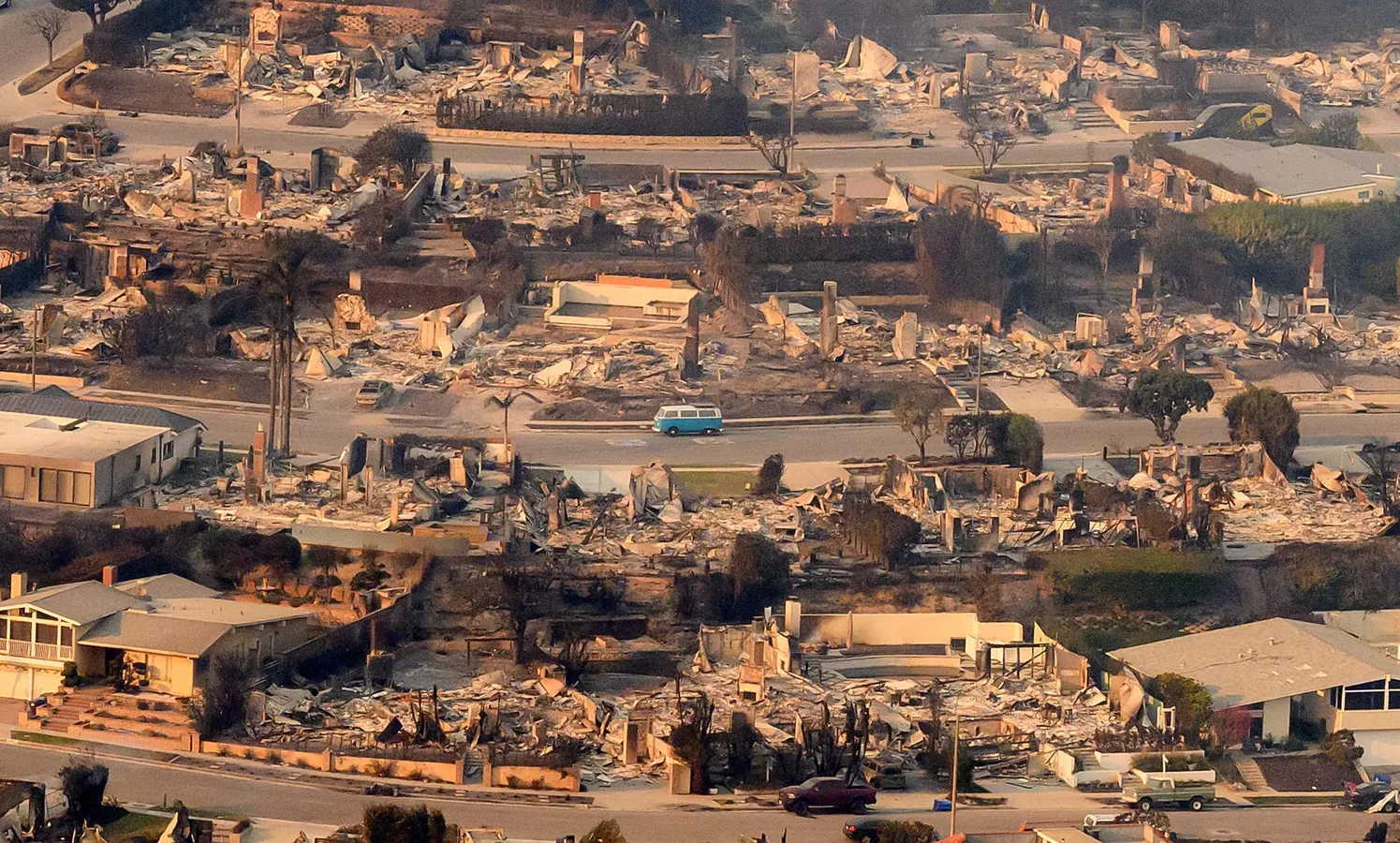
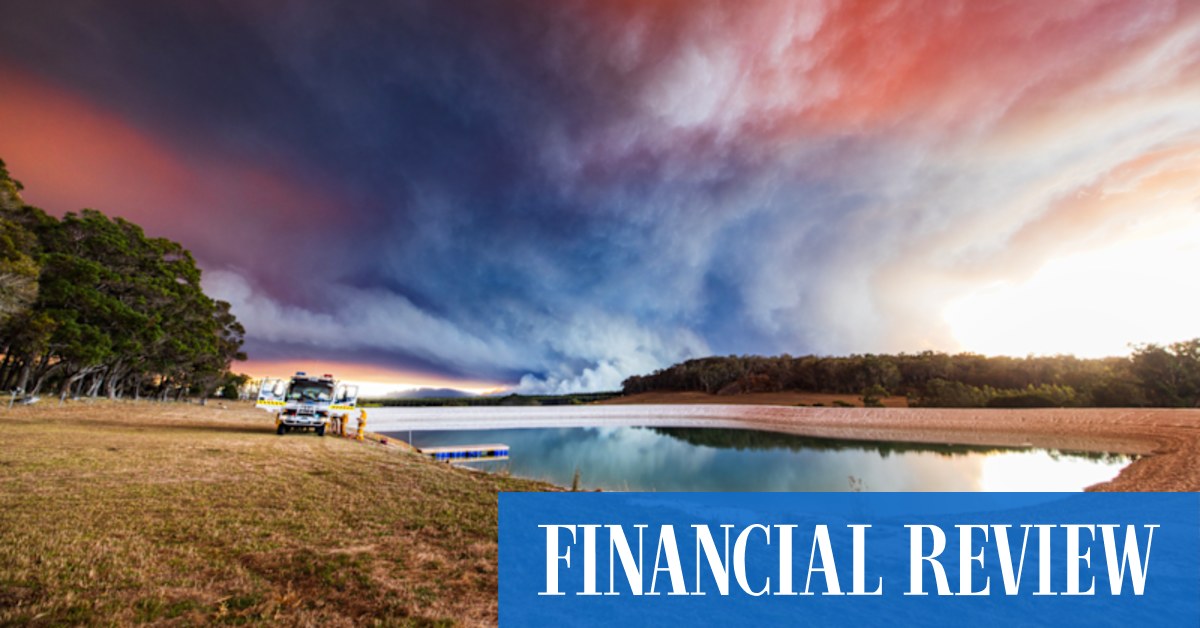
Since 2020, the country has experienced 17 declared catastrophes and 13 significant weather events, resulting in more than $23 billion in insured losses.
534 words~2 min read