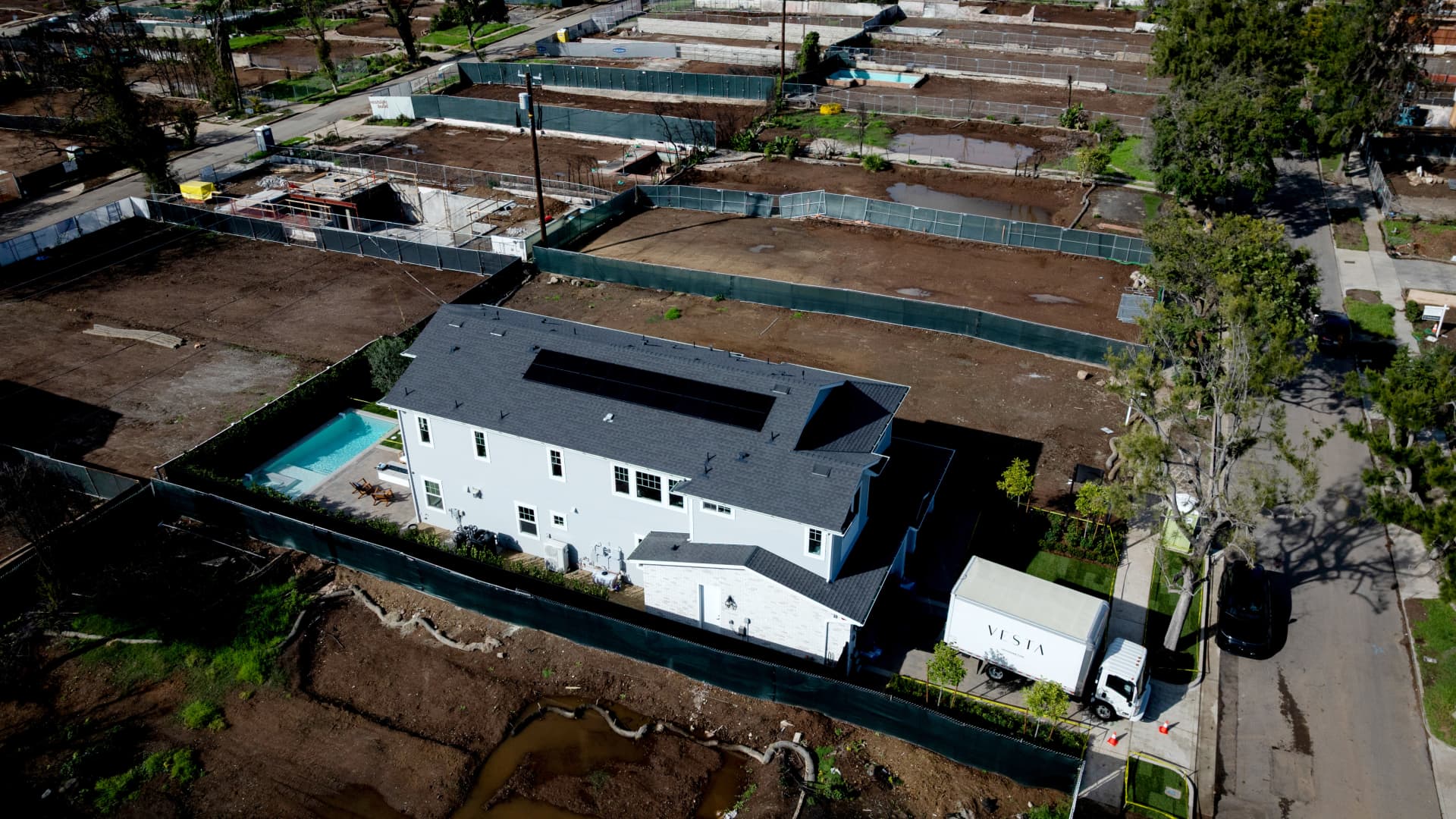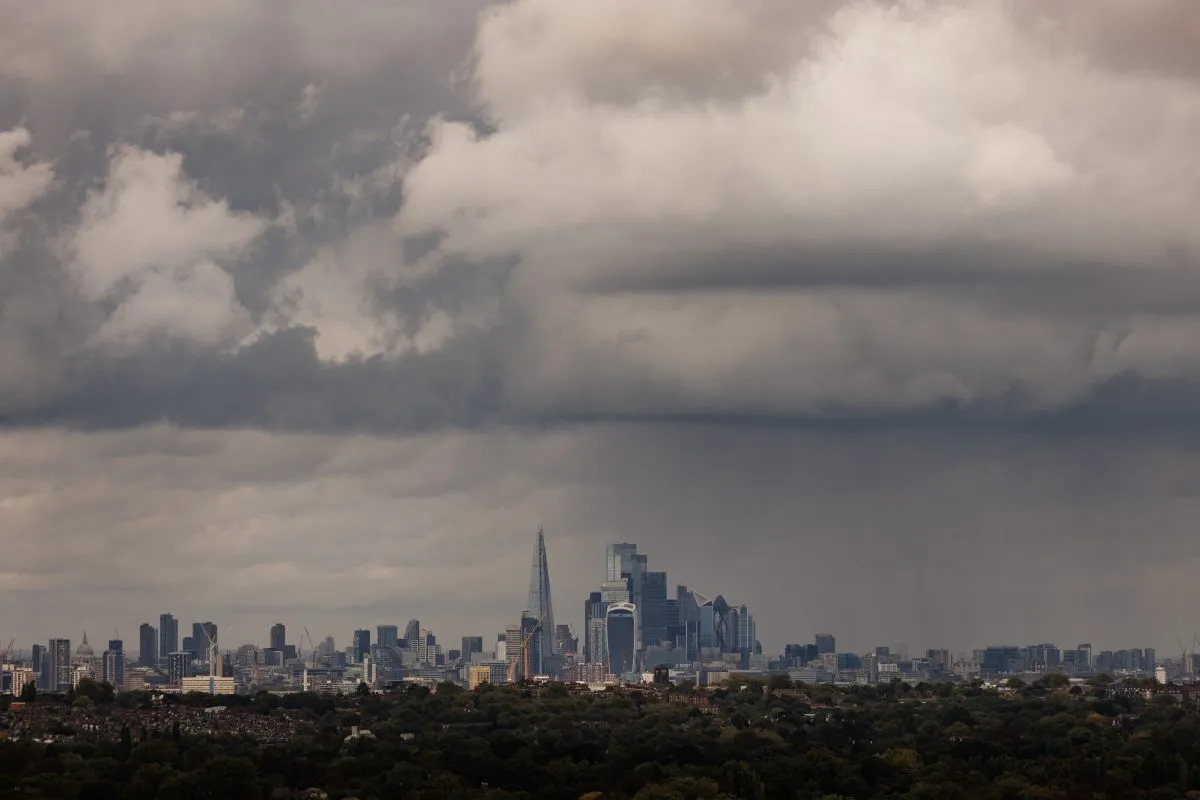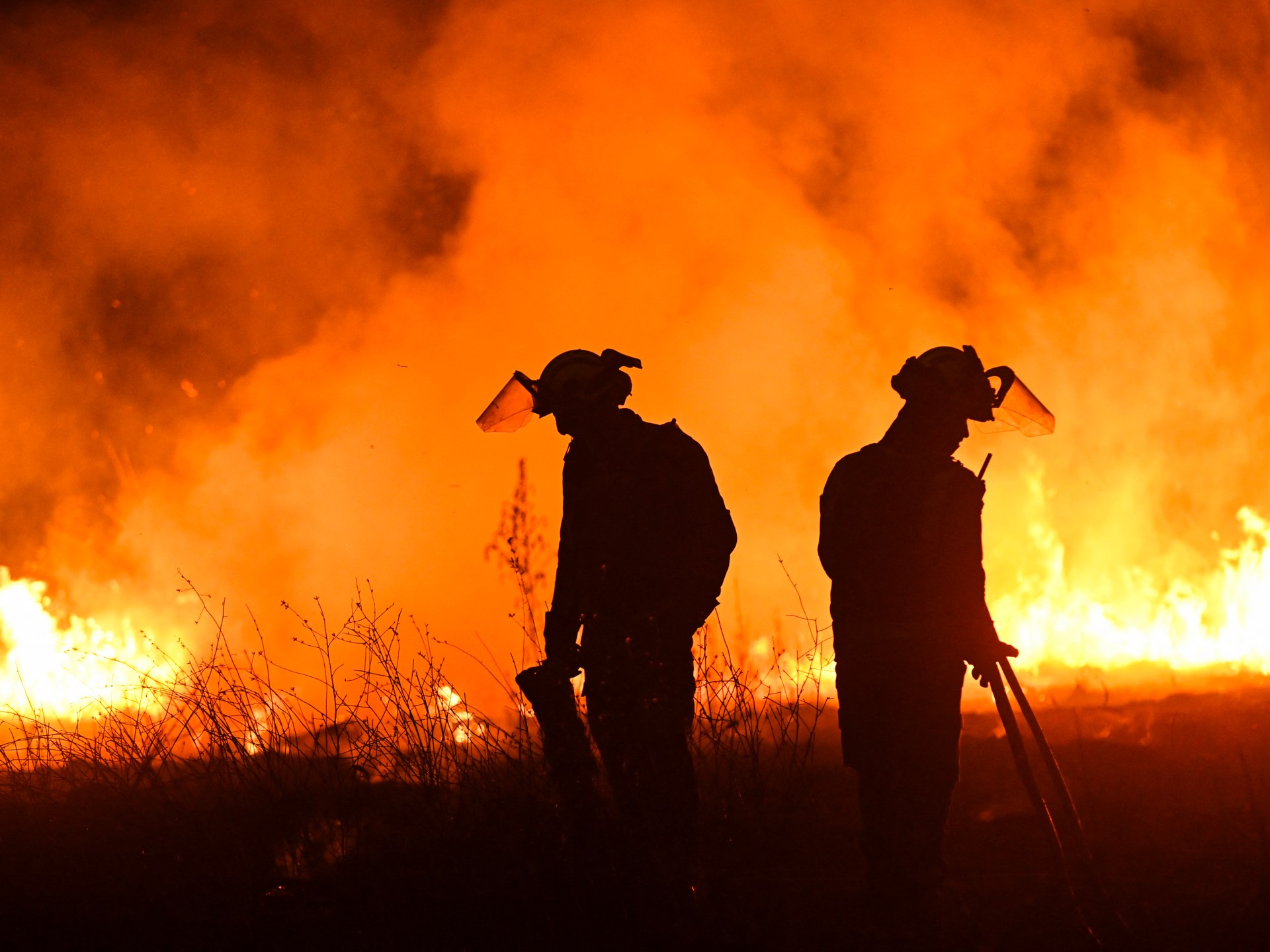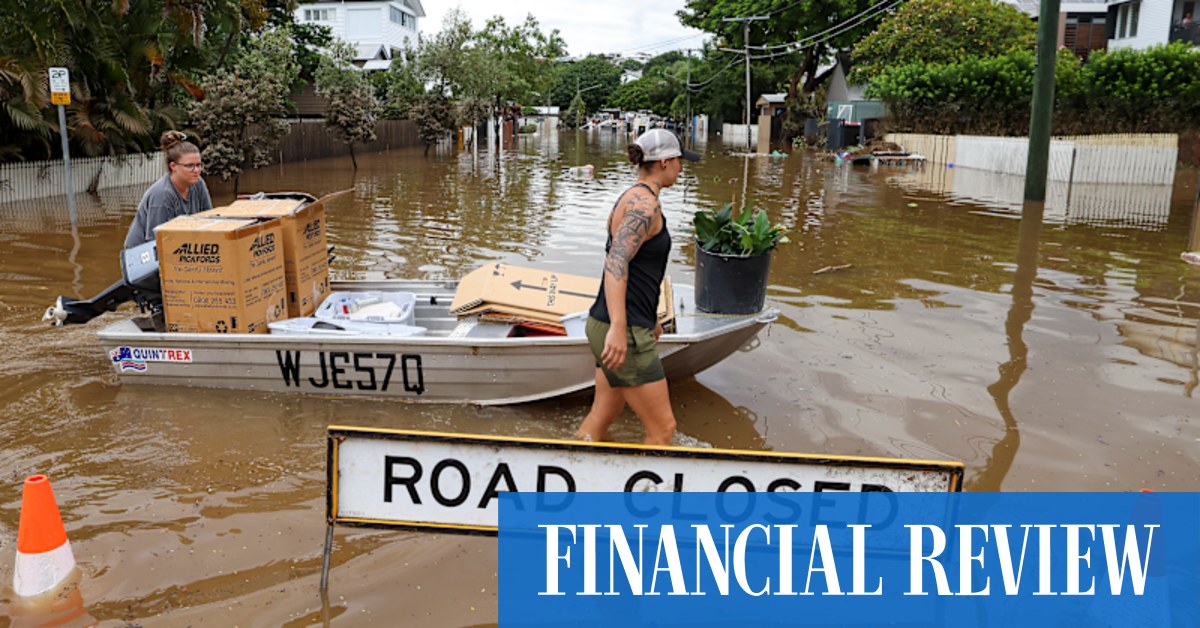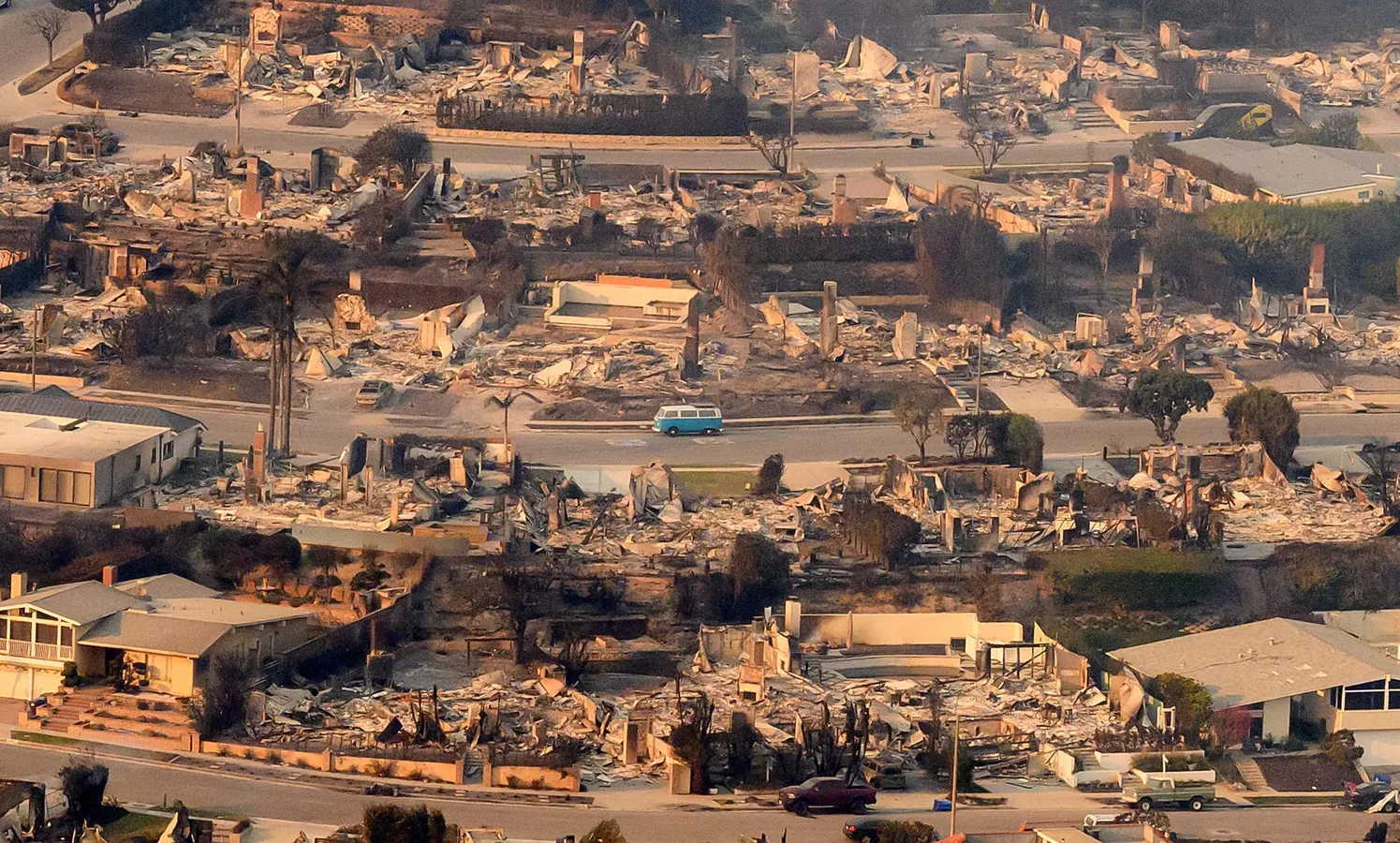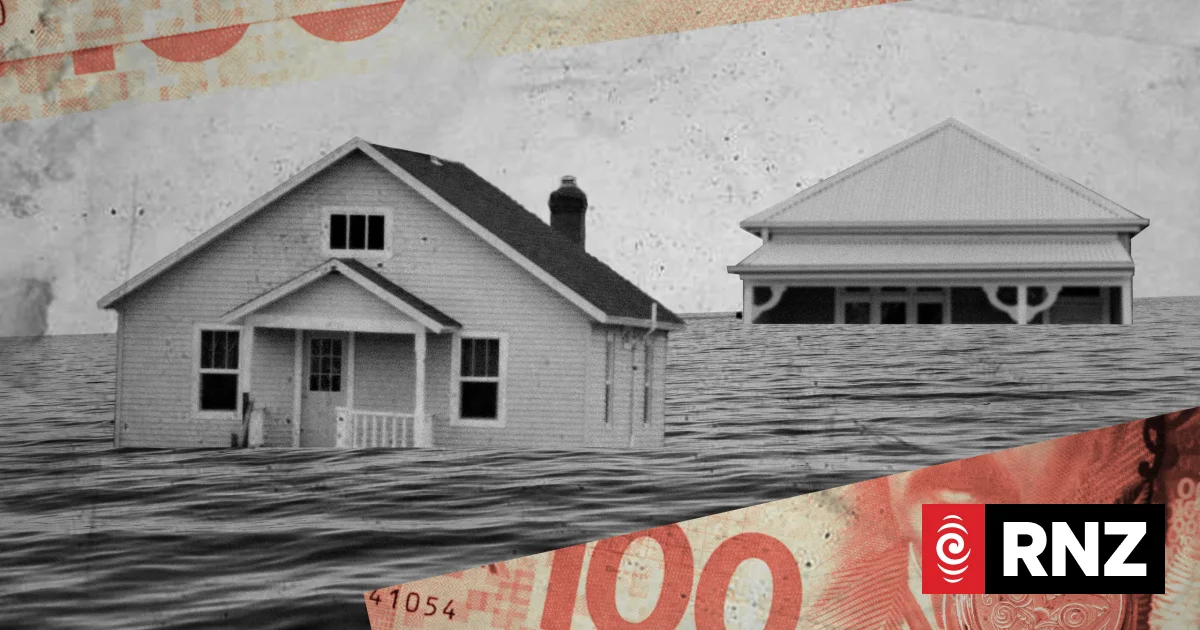
Insurers have traditionally relied on historical trends to underwrite risks and in order to price products. What was a comparatively benign weather-related catastrophe environment a year ago has moved into an elevated phase, with the frequency and severity of floods, storms and wildfires all rising.
Weather-related catastrophes became the largest force on short-term insurance claims costs in the first half of 2026, marking a clear shift in the short-term insurance risk landscape, said PSG Insure CEO, Cedric Masondo.
He said Friday that what was a comparatively benign catastrophe environment a year ago had moved into an elevated phase, with the frequency and severity of floods, storms, and wildfires all rising. Insurers had responded by rebuilding pricing models around spatial analytics and geocoded climate risk.
“The effect extends beyond the short-term sector – actuarial bodies have begun framing extreme heat, flooding, and air pollution as health risks as well, broadening long-term exposure across life, health, and disability portfolios,” he said.
While weather was the defining claim theme of 2026 so far, motor remained the highest-volume claims category. “Accident frequency far exceeds theft and hijacking, supported by road usage returning to pre-pandemic levels as employers implement return-to-office mandates,” he said.