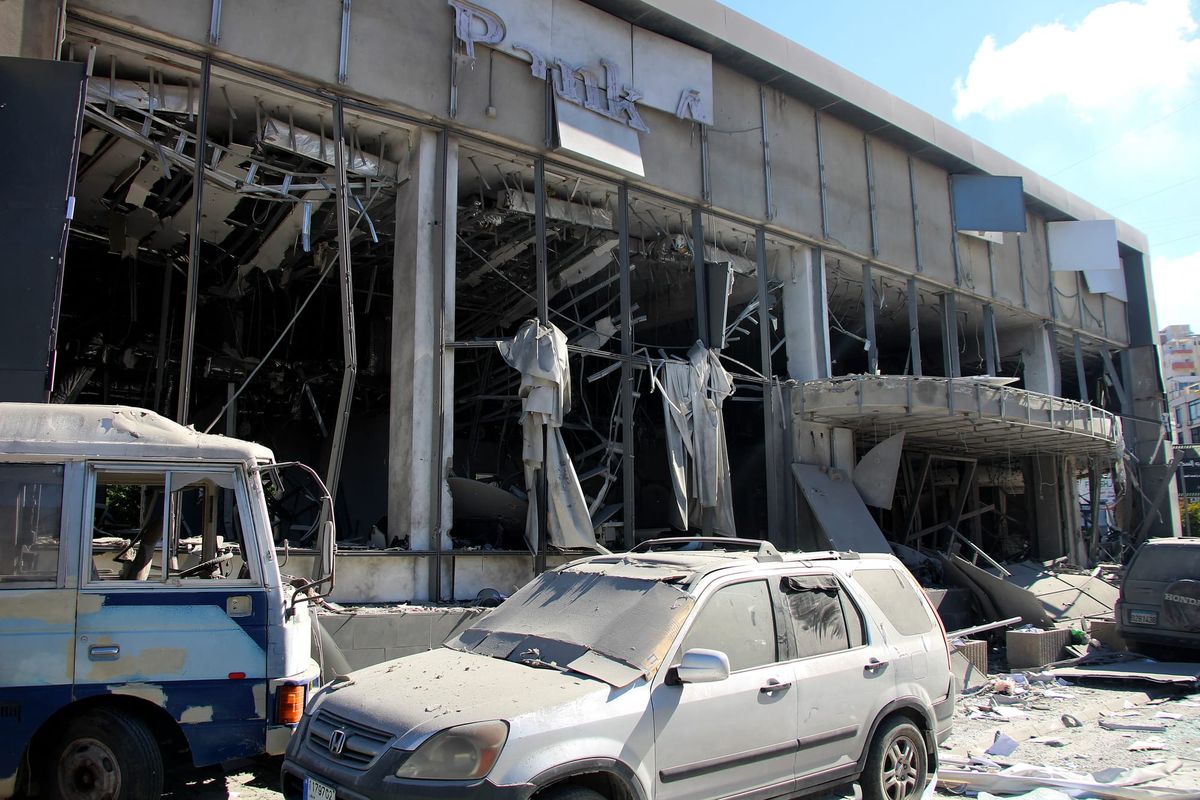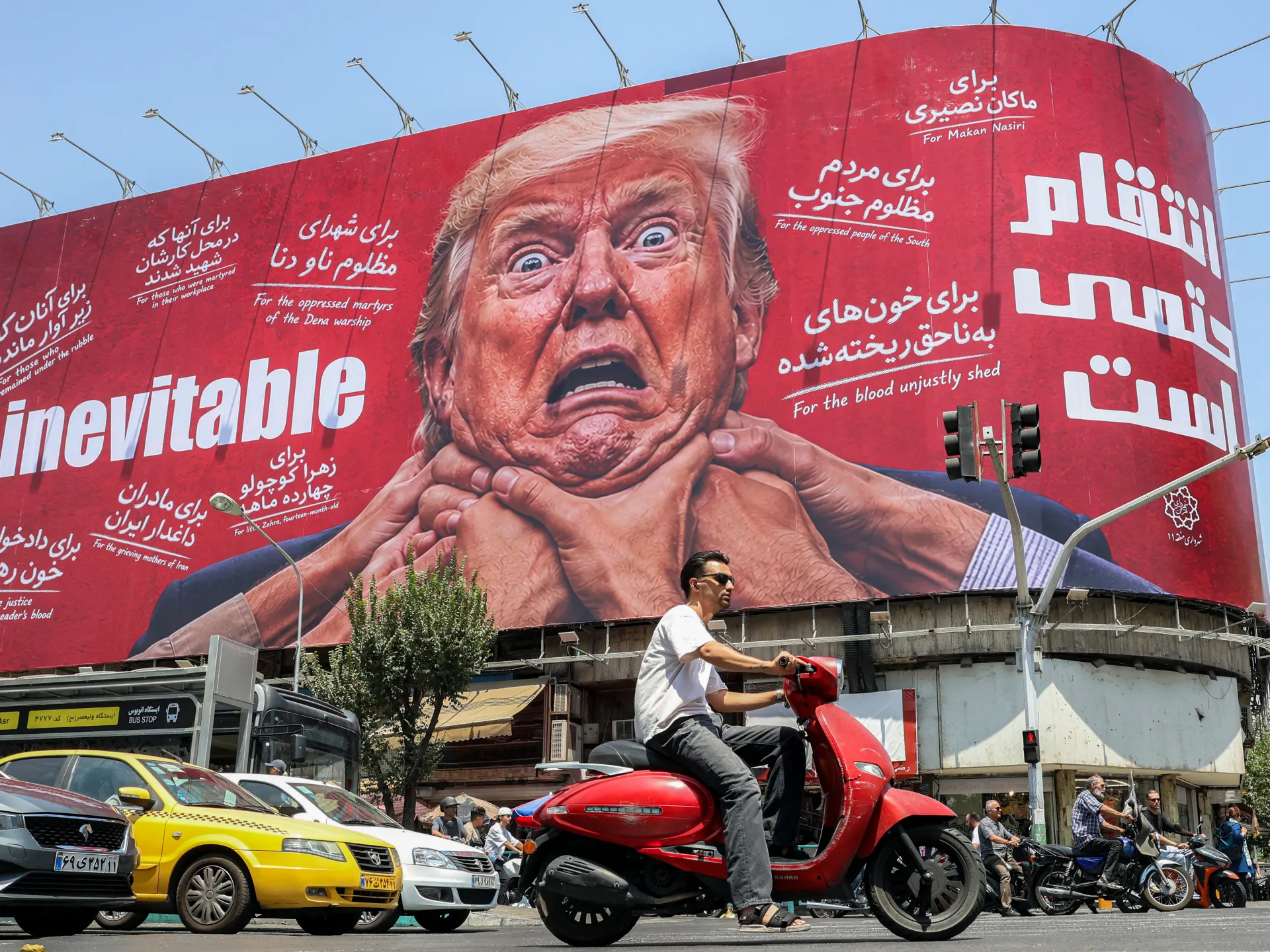
The U.S. and Iran signed a memorandum of understanding in the third week of June to end the war in the Middle East. The agreement, which was brokered by Pakistan with a facilitator role of Türkiye, Qatar, Saudi Arabia and Egypt, was a 14-point framework agreement. It aimed to end military strikes, provide reopening of the Strait of Hormuz to commercial shipping, lift the U.S. naval blockade of Iranian ports and extend the already declared cease-fire for two months.
According to the articles of the agreement, the U.S. would lift embargoes against Iran, provide around $300 billion in funding for the recovery of the Iranian state, and release the frozen Iranian assets. Furthermore, Iran would be able to export crude oil to restore its revenue stream. Major issues such as Iran’s nuclear program, its uranium enrichment, ballistic missile program and the status of the Iranian proxies in the region were not covered in the agreement.
However, it seems that the cease-fire period has ended, and the two sides nowadays are now preparing for a prolonged confrontation. There have been some significant developments that have led both the U.S. and Iran to act ambiguously. Aims and strategies of the warring sides have changed. There are several important reasons why the two sides are hesitant to return to a large-scale war and to reach a final agreement.