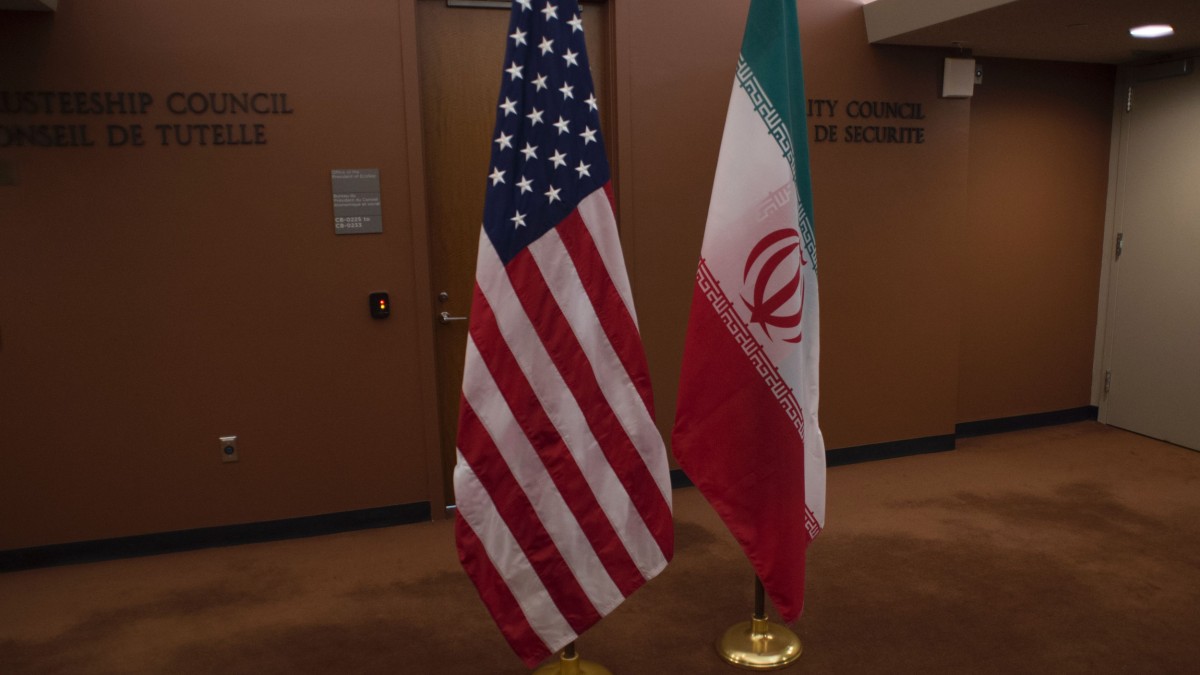
The proposition that "starting a war is easy, ending it is hard" has proven itself once again. The cease-fire reached between the U.S. and Iran could not be sustained. Starting the war required only a unilateral political decision. But now the difficulty of building a new order that Iran itself would accept to stop the war has become clear.
At the outset of the war, the U.S. terms were clear. The war produced new problems that had to be resolved. Because the war was entered into without political and military objectives being fully defined, the U.S., despite achieving military superiority, could not produce an outcome it could call a victory.
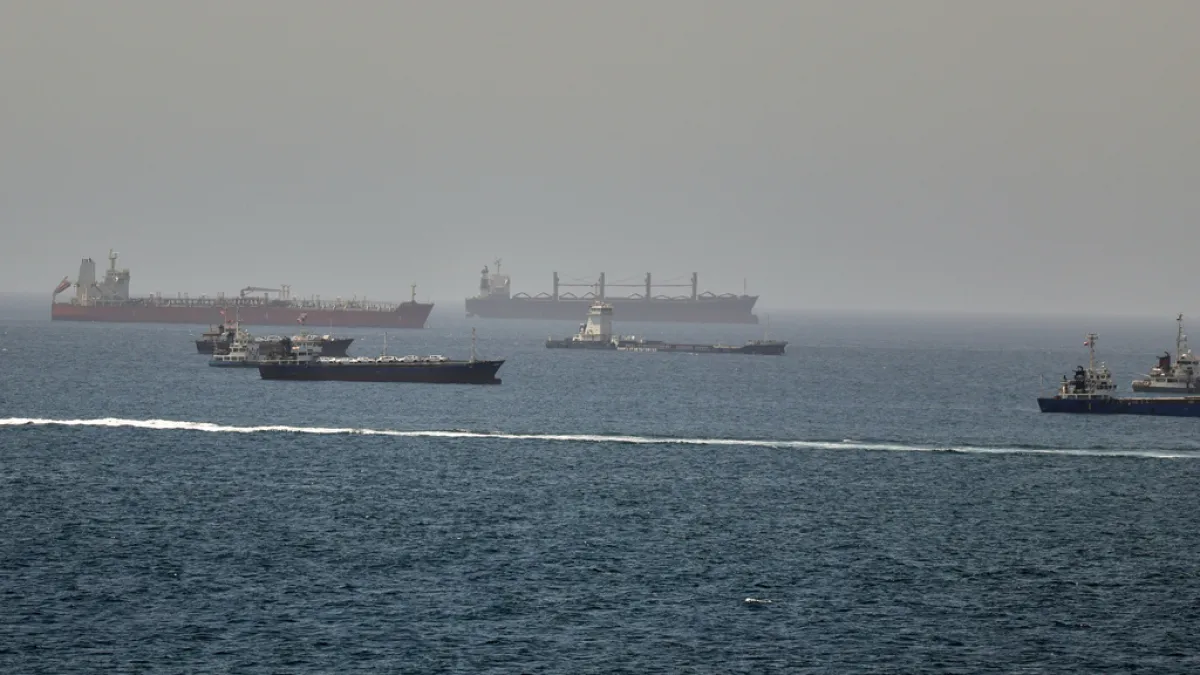
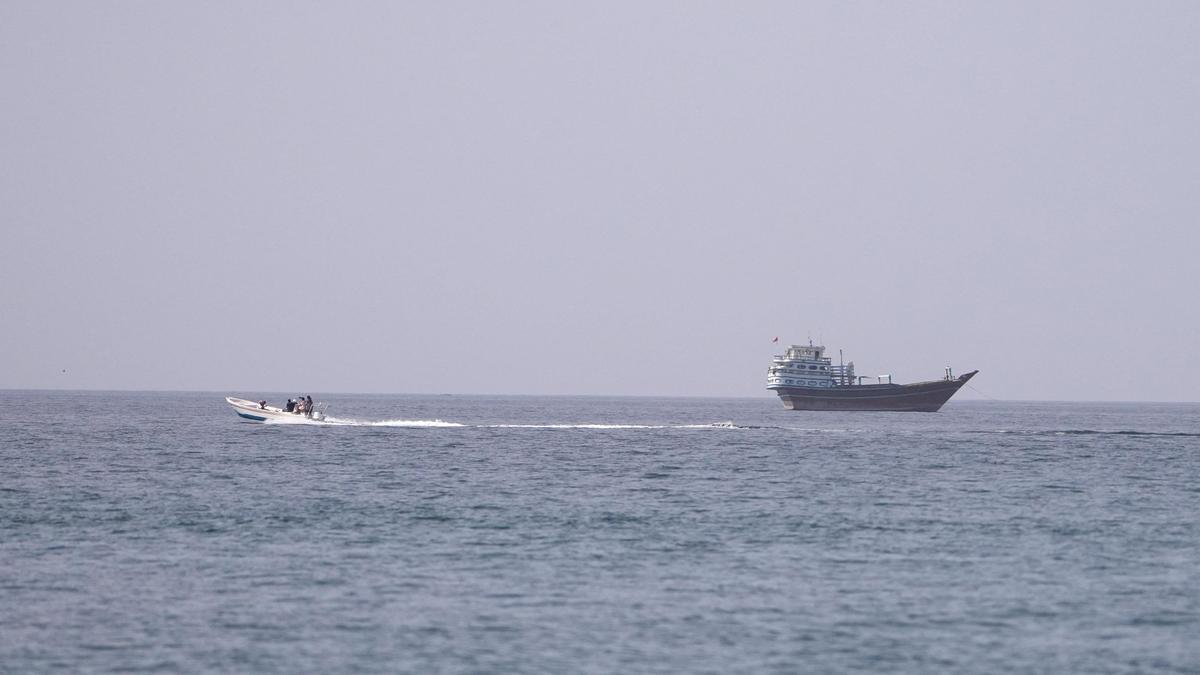
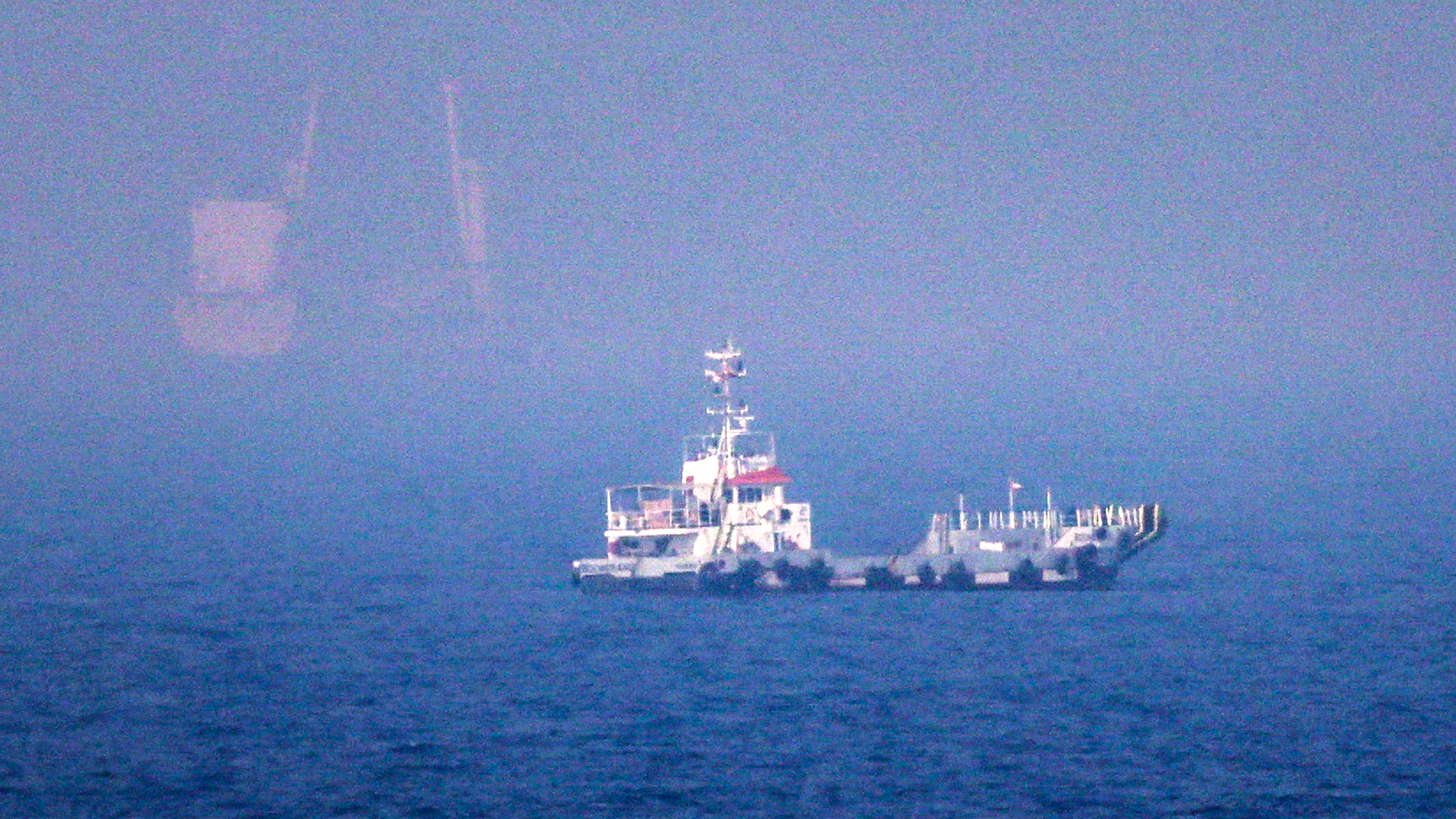
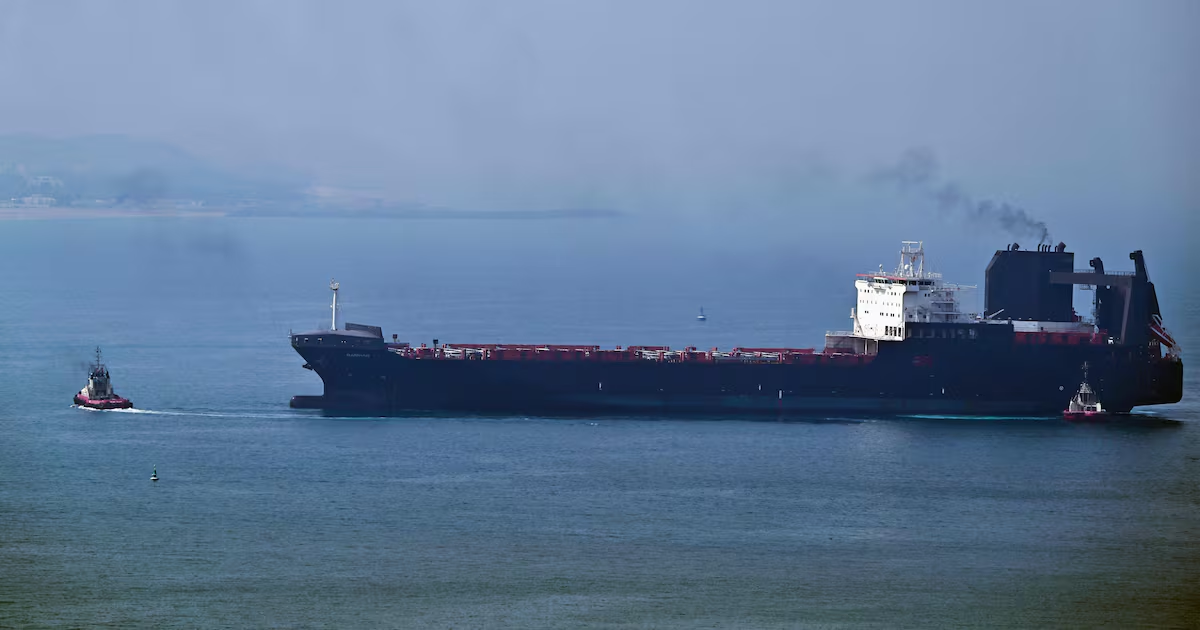
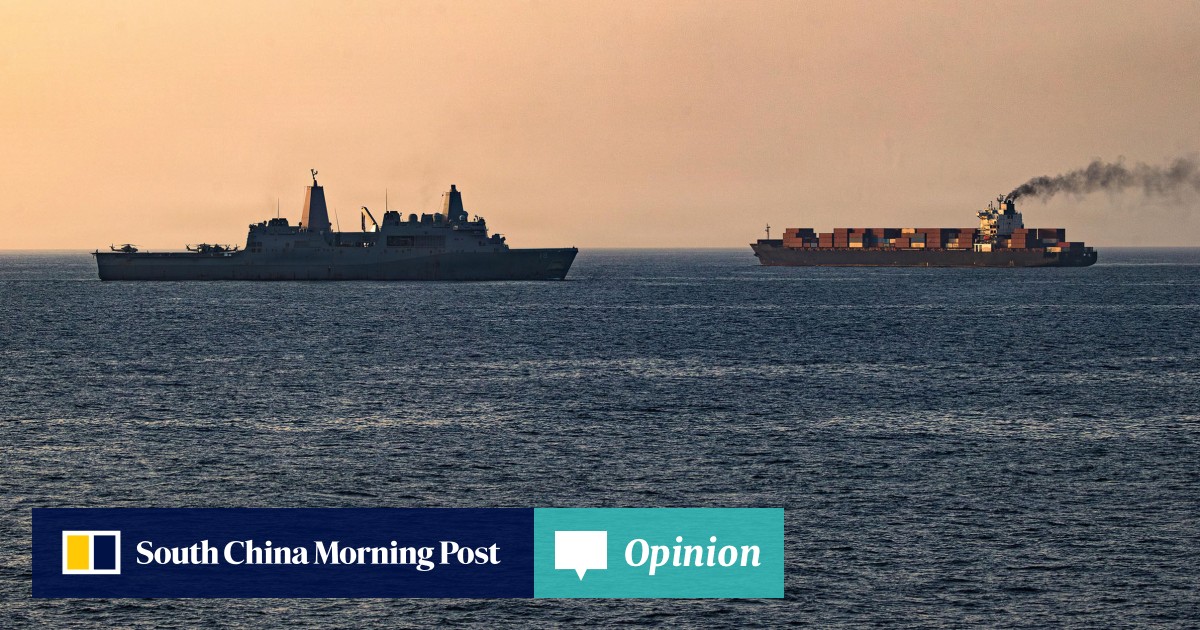
The terms put on the table before the war were ending Iran's nuclear ambitions and reducing its missile capacity and the capacity of its proxy forces. Now the problem has changed. For Iran, the Strait of Hormuz has become a more important strategic lever than the nuclear program.
Iran wants the strategic leverage it gained during the war to be recognized and accepted.
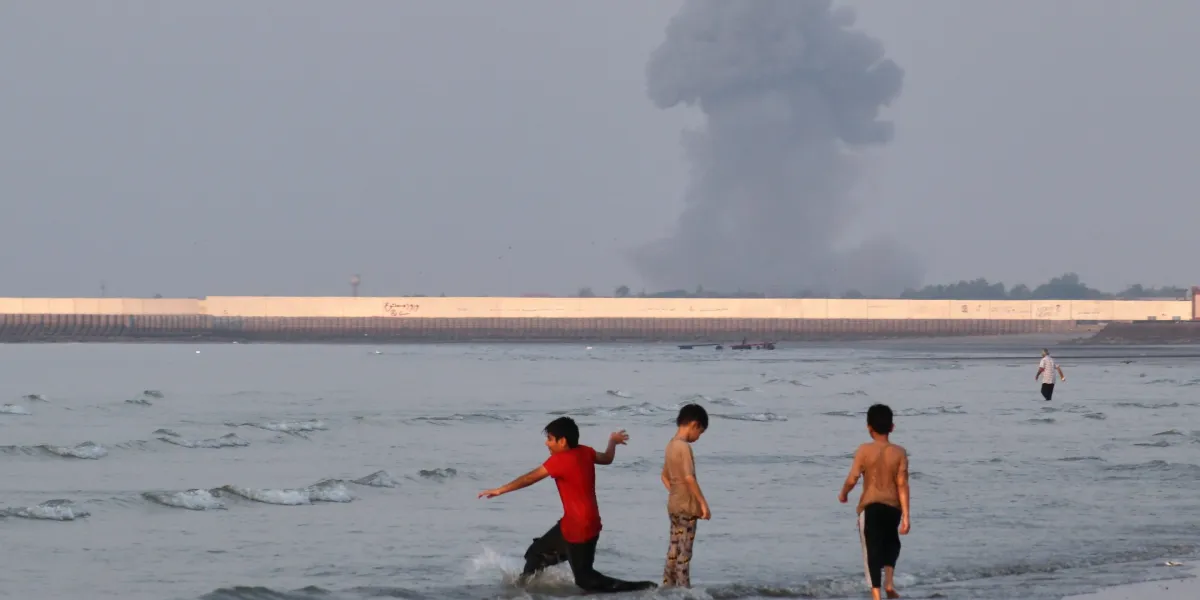
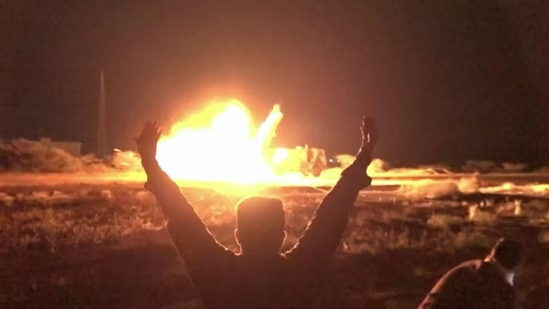
The temporary framework that resulted in a cease-fire agreement in June envisioned reopening Hormuz and a 60-day negotiation process on the nuclear program and sanctions. Except for the duration of late Supreme Leader Ayatollah Ali Khamenei's funeral, the cease-fire could not be operationalized. Although the intensity of the conflict decreased, mutual attacks continued.