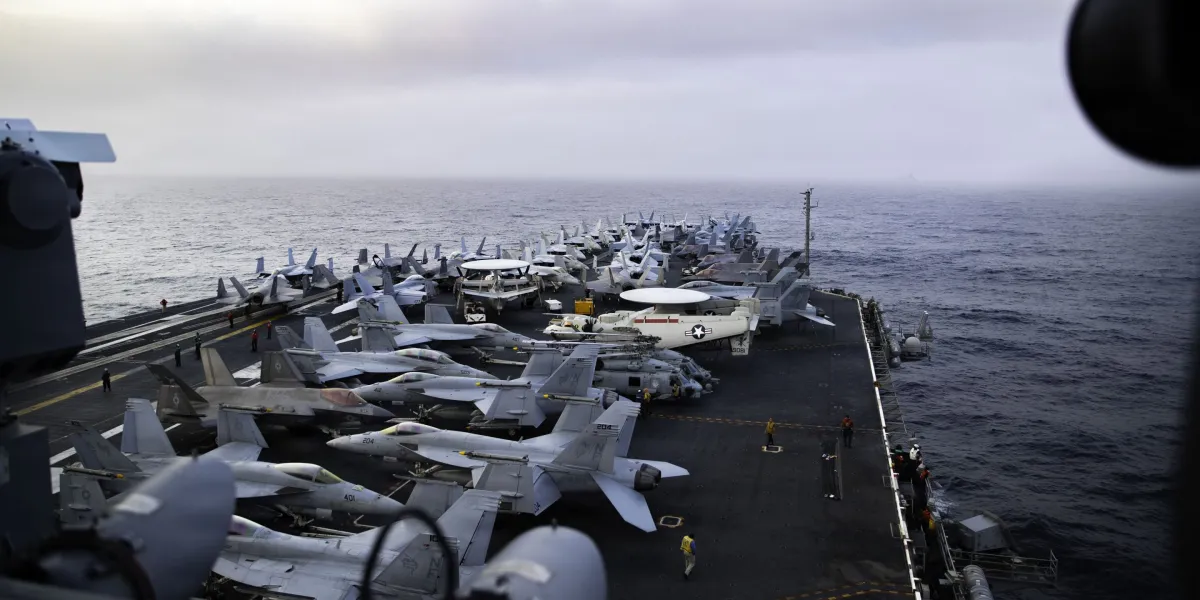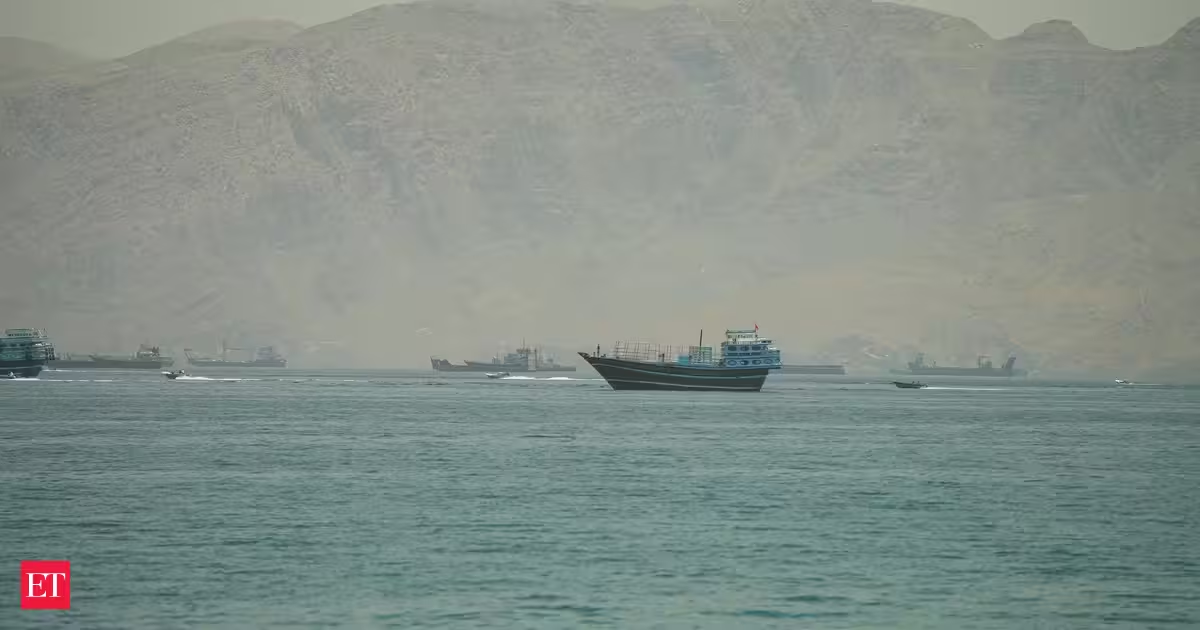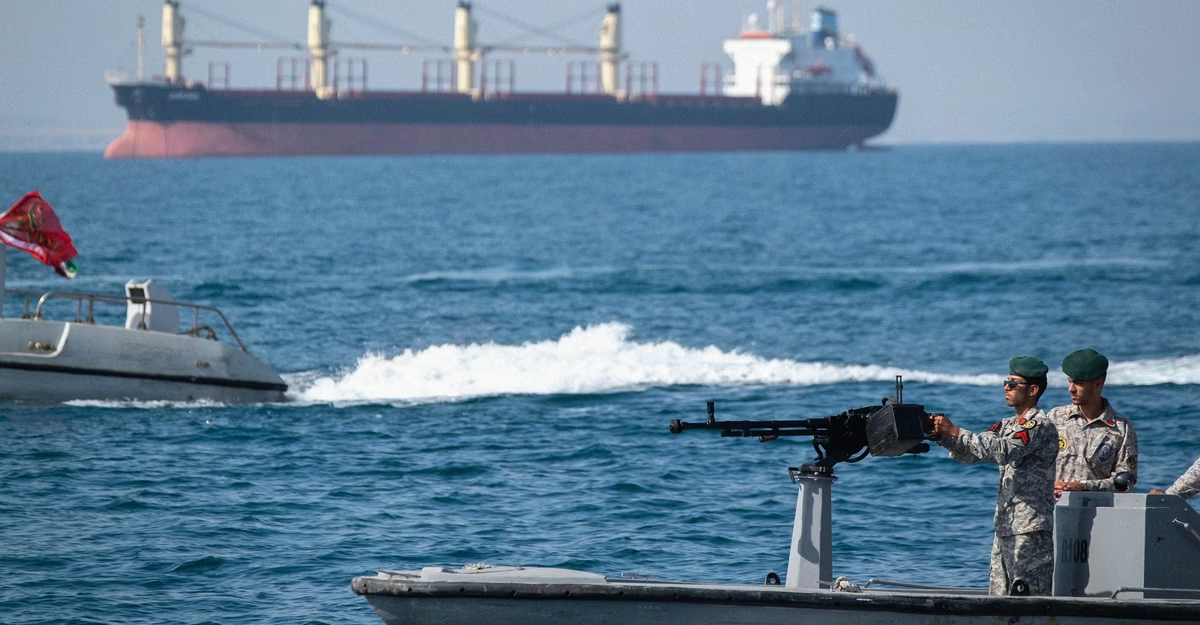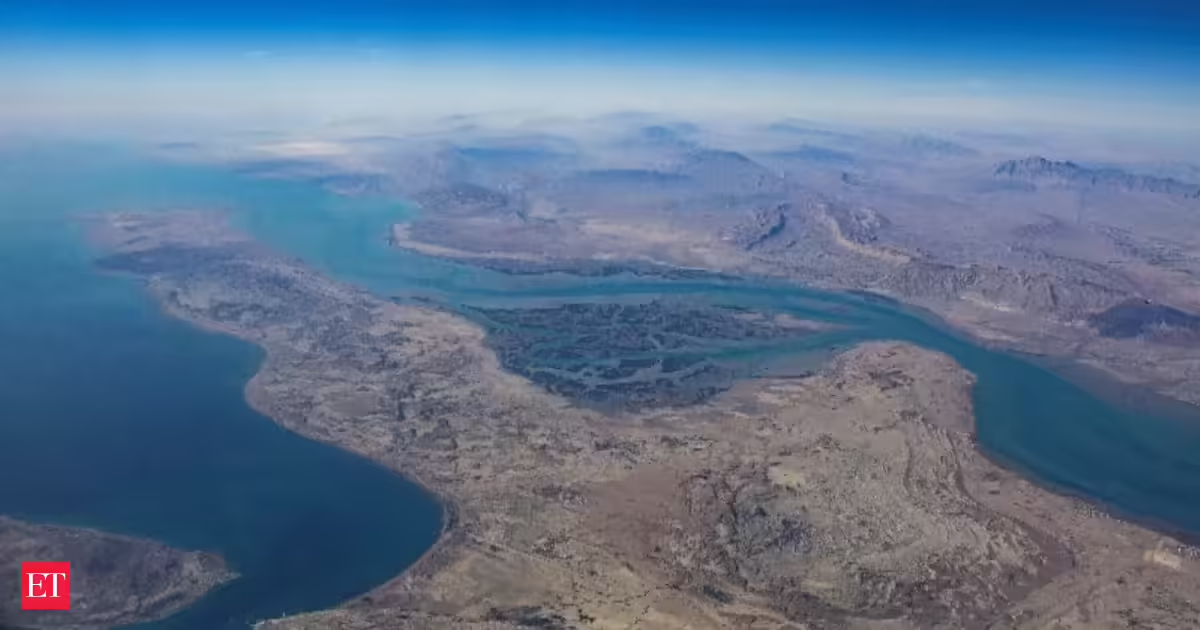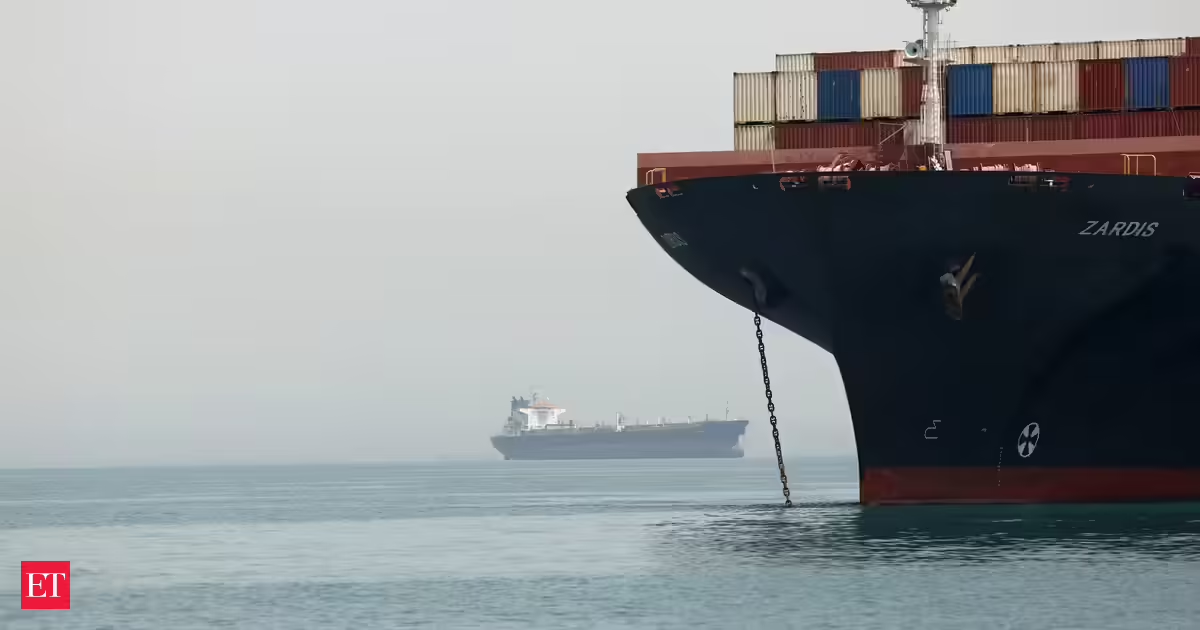
Nearly five months into the war in Iran, the conflict has entered a “second round” as bombs fly throughout the Middle East after a temporary truce collapsed. Iran is again threatening passage through the now-infamous Strait of Hormuz, while the U.S. has reinstated a naval blockade on Iranian oil exports.
As the world’s emergency petroleum supplies dangerously dwindle and prices again rise, the Trump administration appears to have lost the upper hand and faces a stark choice: escalate the conflict in a prolonged morass resembling Ukraine, or capitulate and let Iran control the world’s leading energy artery—with the ability to charge service fees for passage and recoup costs, a toll in all but name— energy and geopolitical analysts told Fortune.
The decision could shape energy and fuel prices heading into the fall, including the midterm elections, and set a precedent for how far the U.S. will go to defend global shipping lanes.
“I don’t think there’s any military option for reopening the Strait of Hormuz,” said Gregory Brew, senior analyst for Iran and energy with the Eurasia Group. “The Iranians have considerable leverage here. I don’t see them backing down and, honestly, time is probably on their side.”