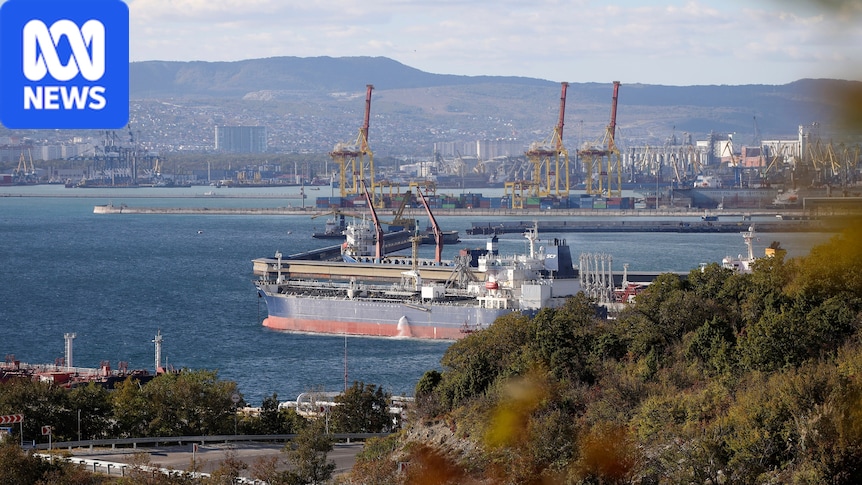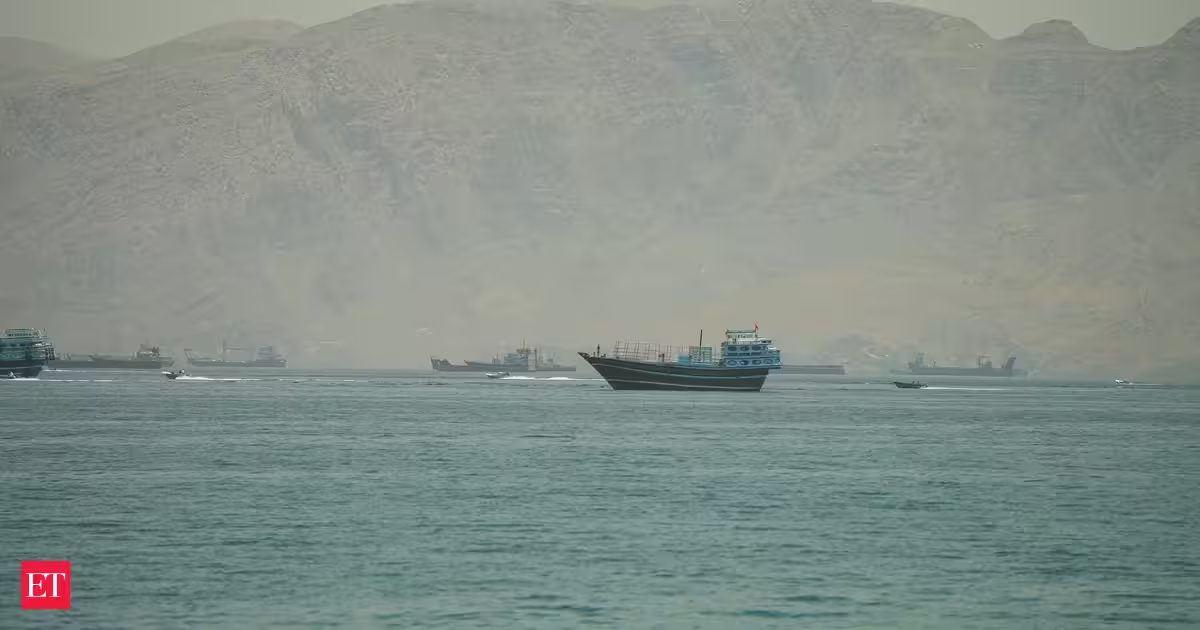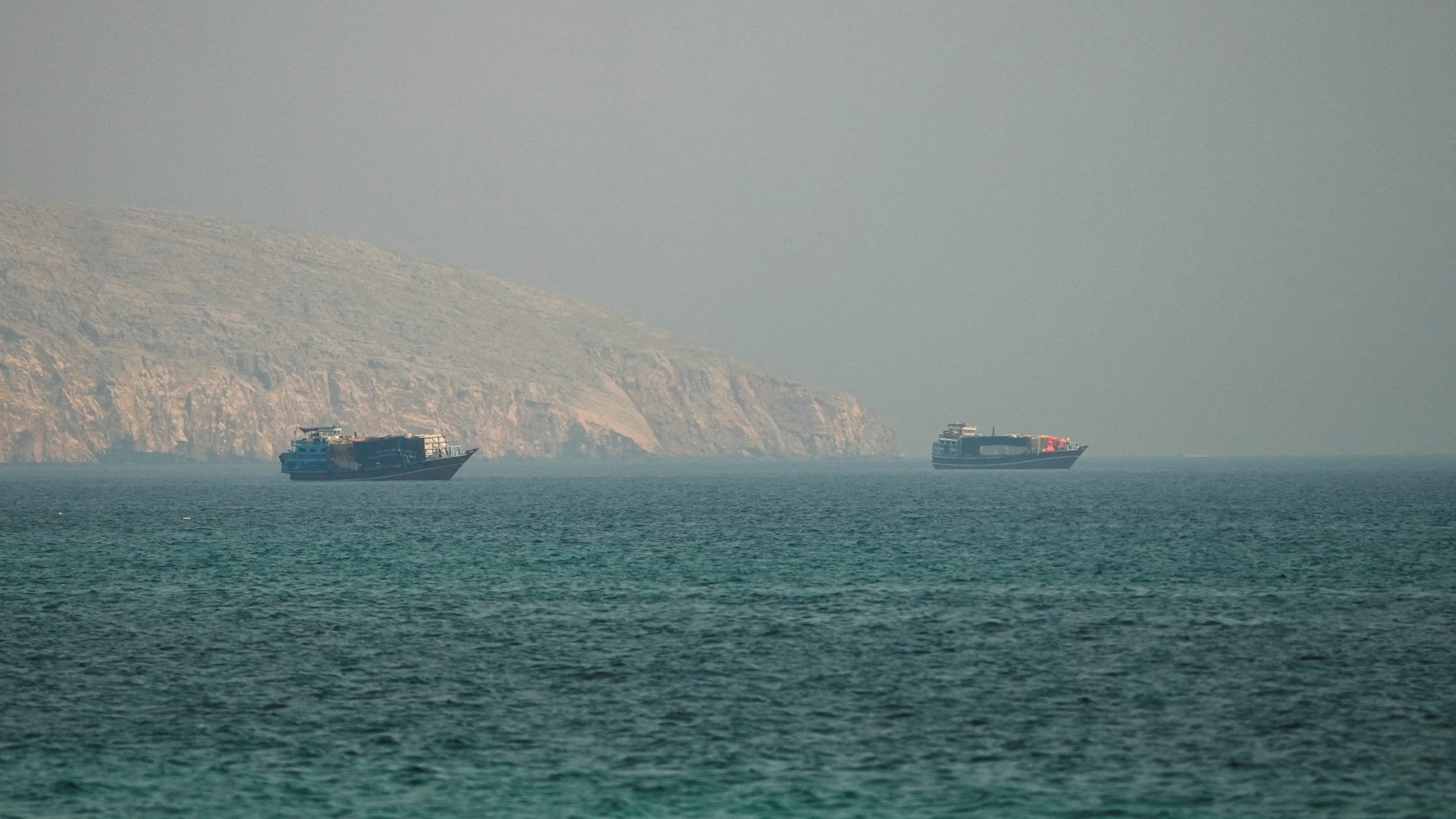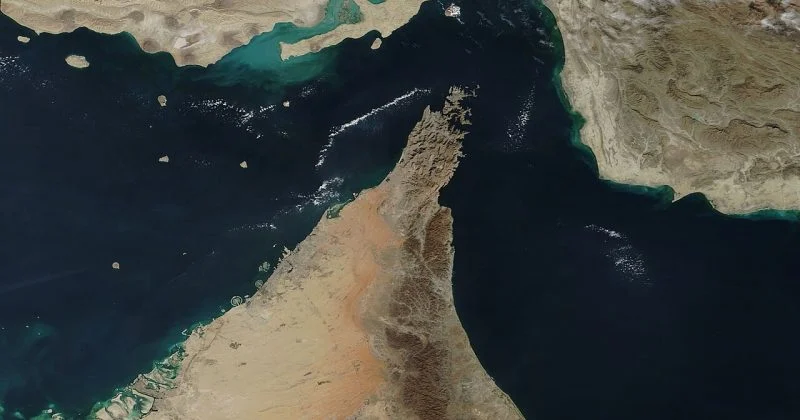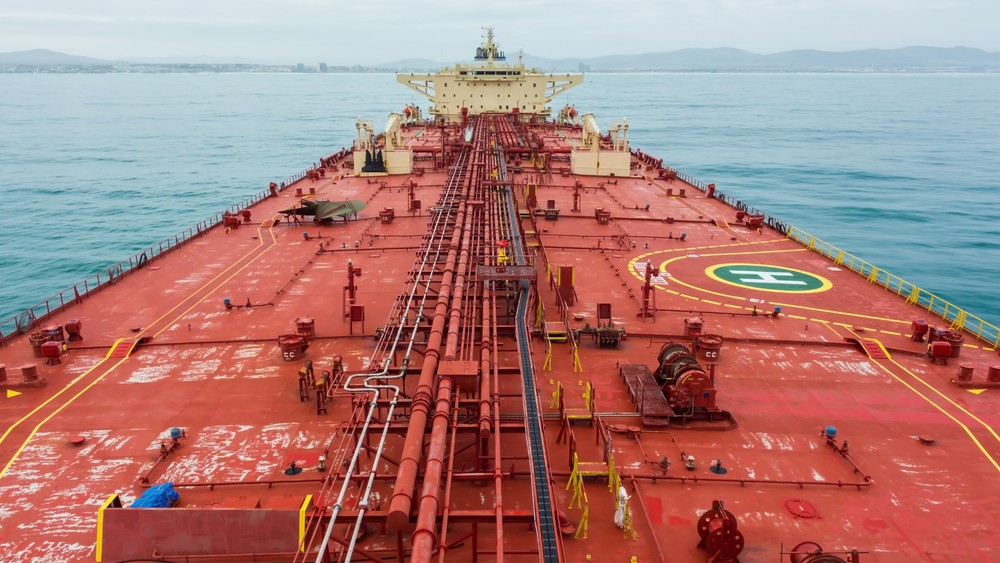
Crude oil prices plunged below $70 per barrel at the beginning of the week, and energy markets largely considered the Iran war over and done with as modest traffic flowed again through the infamous Strait of Hormuz.
But nearly 1 billion barrels of worldwide petroleum reserves are now depleted and not being replenished. At the same time, mothballed refineries have yet to come back online, China still hasn’t resumed importing large oil volumes, and now President Donald Trump has declared the interim peace deal “over” amid new drone and rocket exchanges.
The reality is there’s no clear, long-term peace deal in sight, even if a full resumption of conflict is avoided. That means the Strait of Hormuz is unlikely to return to its normal volumes for many months, and certainly not in time for the anticipated spike in demand when China and refiners start buying more oil again, energy analysts told Fortune. Prices are going to surge again—likely close to $90 per barrel—despite the world learning to adapt and avoid doomsday scenarios of $200 oil, they said.
And this could represent a nightmare scenario for a Trump administration eager to move on from Iran and lower fuel prices in time for the November midterm elections.