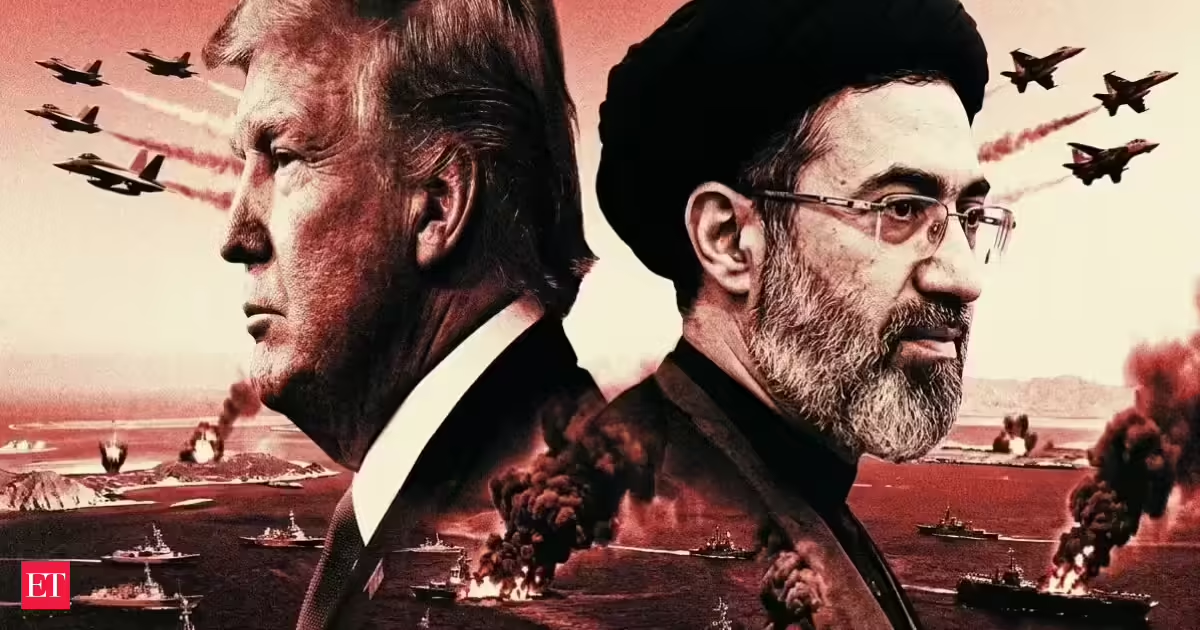
In conflicts between countries, wars are often fought to improve bargaining positions. Is the United States now in a better position to get what it wants from Iran in negotiations—or worse?
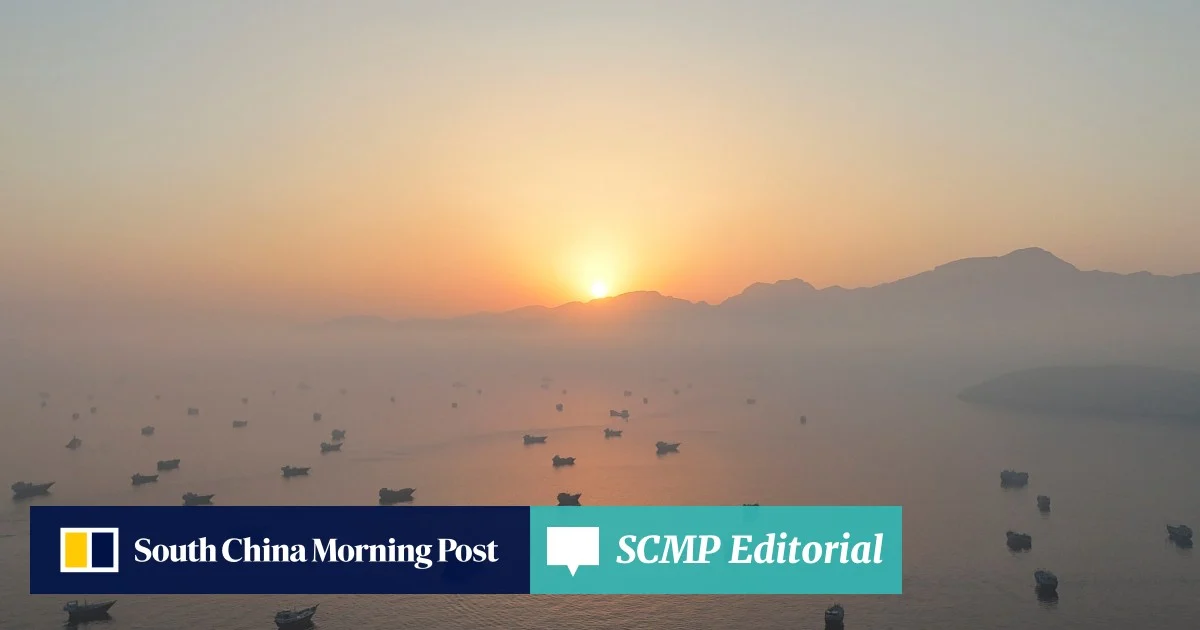
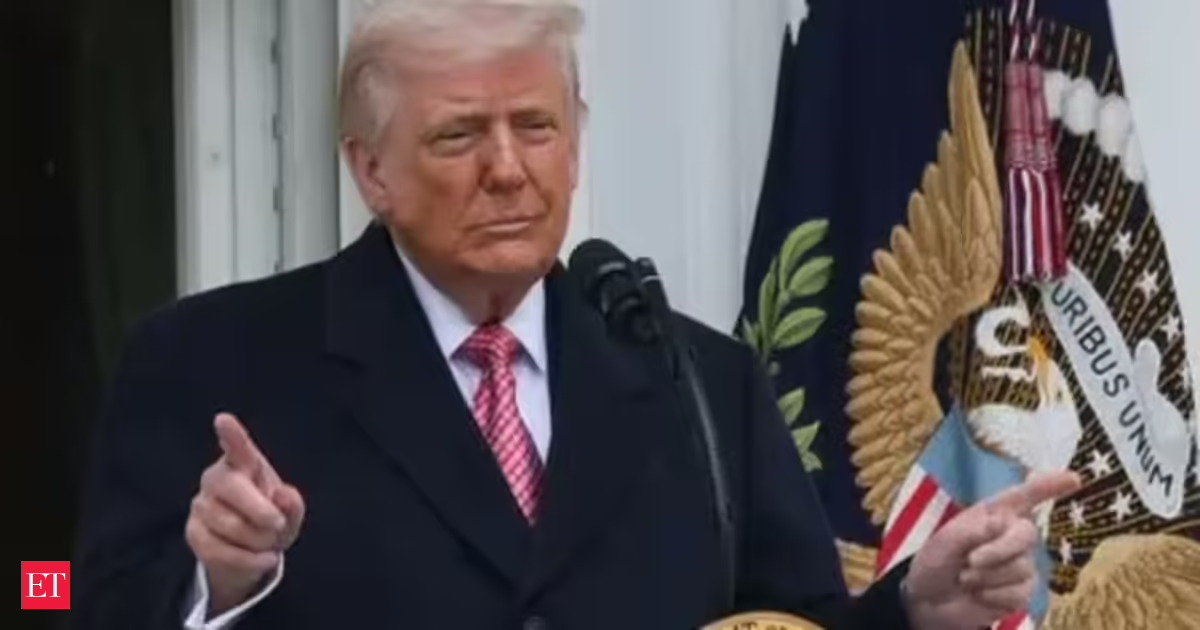
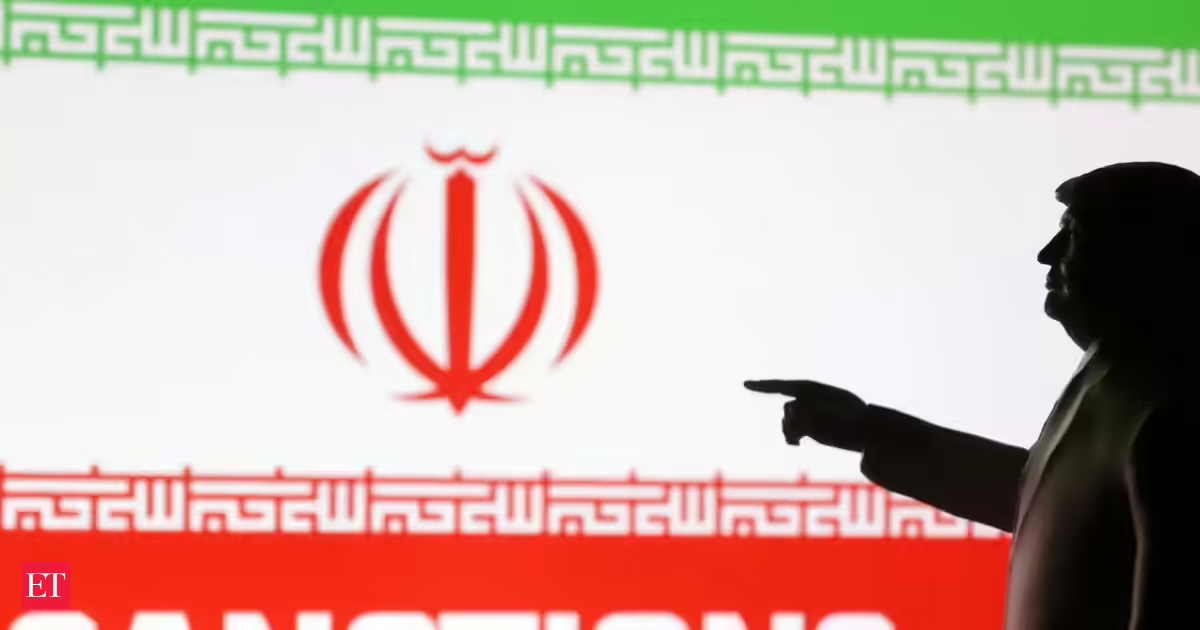
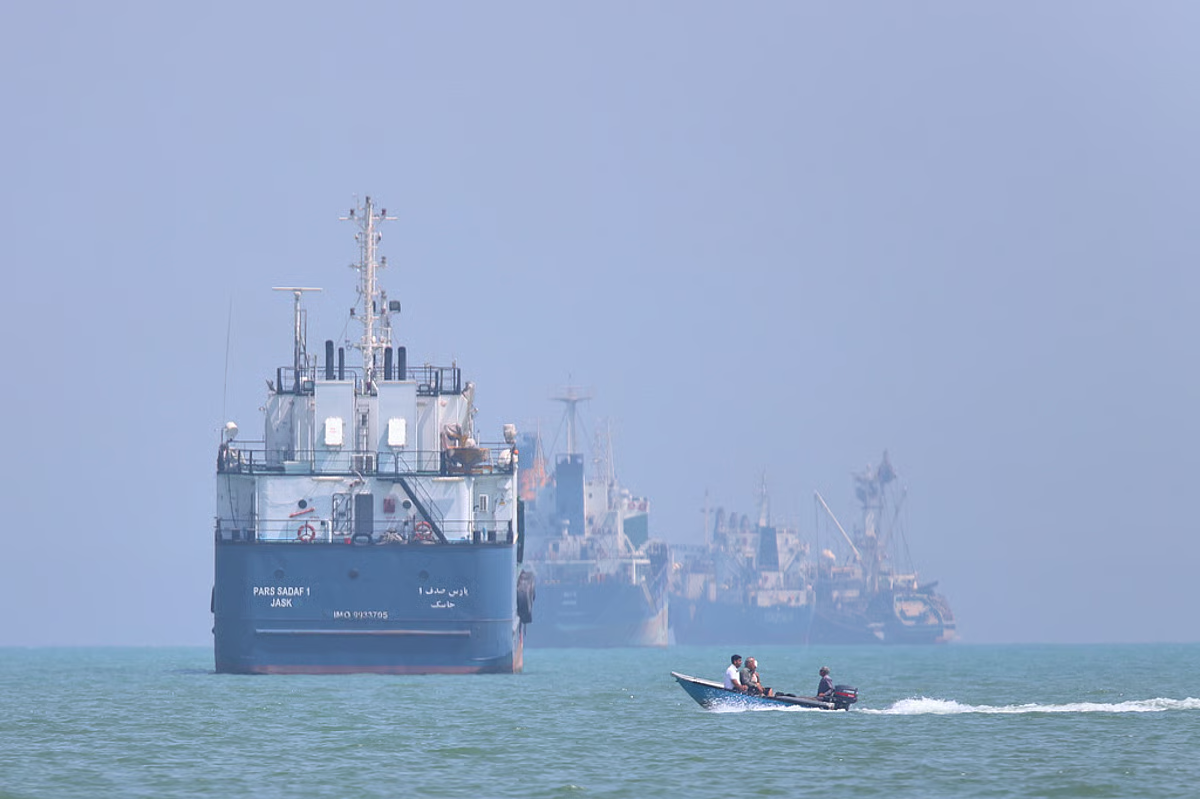
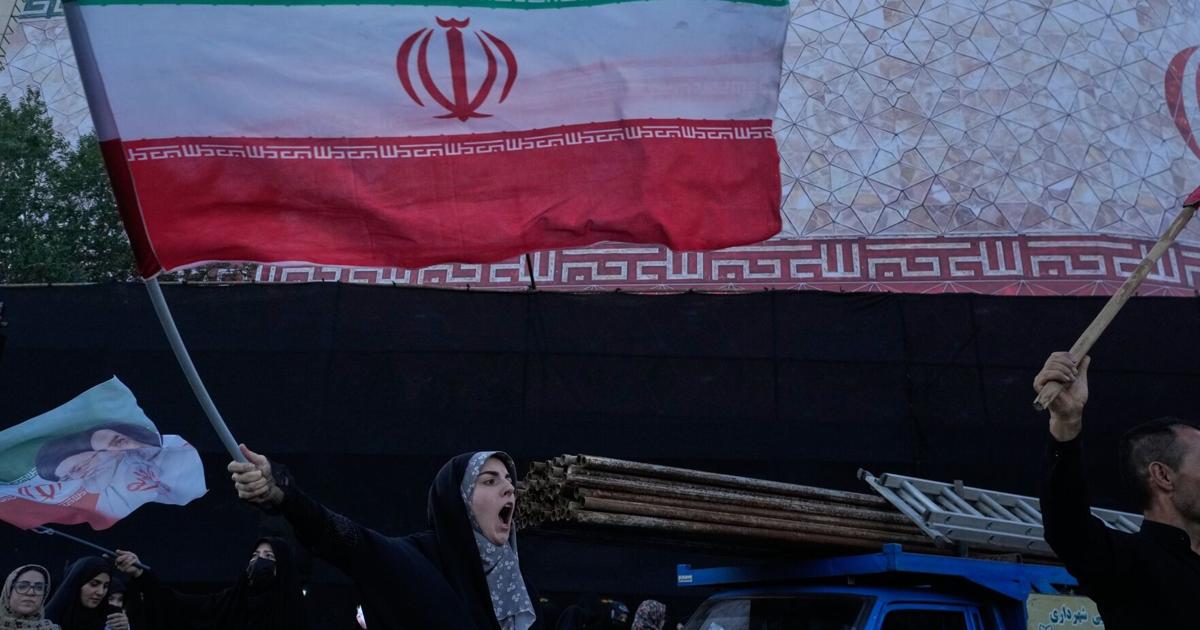
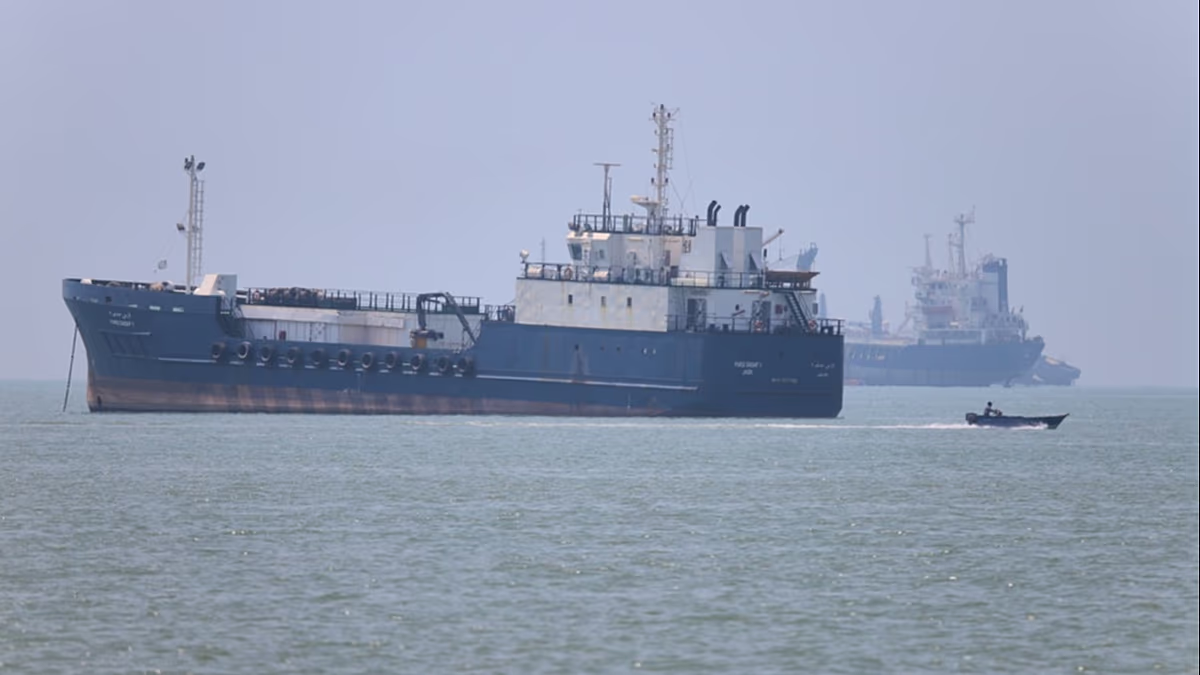
The framework of the deal that Trump has outlined—the opening of the Strait of Hormuz, the end of the U.S. blockade on Iran, and an end to military strikes—is itself vague, and many important issues, such as the scope and scale of any economic relief for Iran, the status of Israel’s war with Hezbollah in Lebanon, and the future of Iran’s nuclear program, are unresolved. Because of these uncertainties, even if the shaky peace holds, the United States and Iran will be constantly negotiating over the details and next steps. Unfortunately, the U.S. and Israeli war against Iran may have left the United States less able to extract concessions from Tehran despite the war’s heavy cost.
In conflicts between countries, wars are often fought to improve bargaining positions. Is the United States now in a better position to get what it wants from Iran in negotiations—or worse?
The framework of the deal that Trump has outlined—the opening of the Strait of Hormuz, the end of the U.S. blockade on Iran, and an end to military strikes—is itself vague, and many important issues, such as the scope and scale of any economic relief for Iran, the status of Israel’s war with Hezbollah in Lebanon, and the future of Iran’s nuclear program, are unresolved. Because of these uncertainties, even if the shaky peace holds, the United States and Iran will be constantly negotiating over the details and next steps. Unfortunately, the U.S. and Israeli war against Iran may have left the United States less able to extract concessions from Tehran despite the war’s heavy cost.