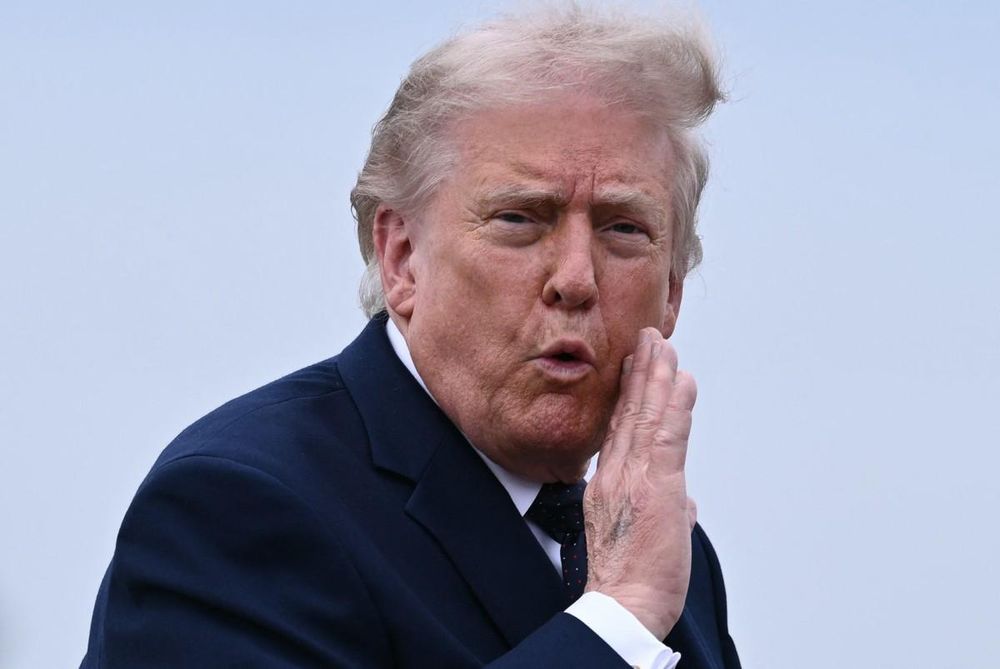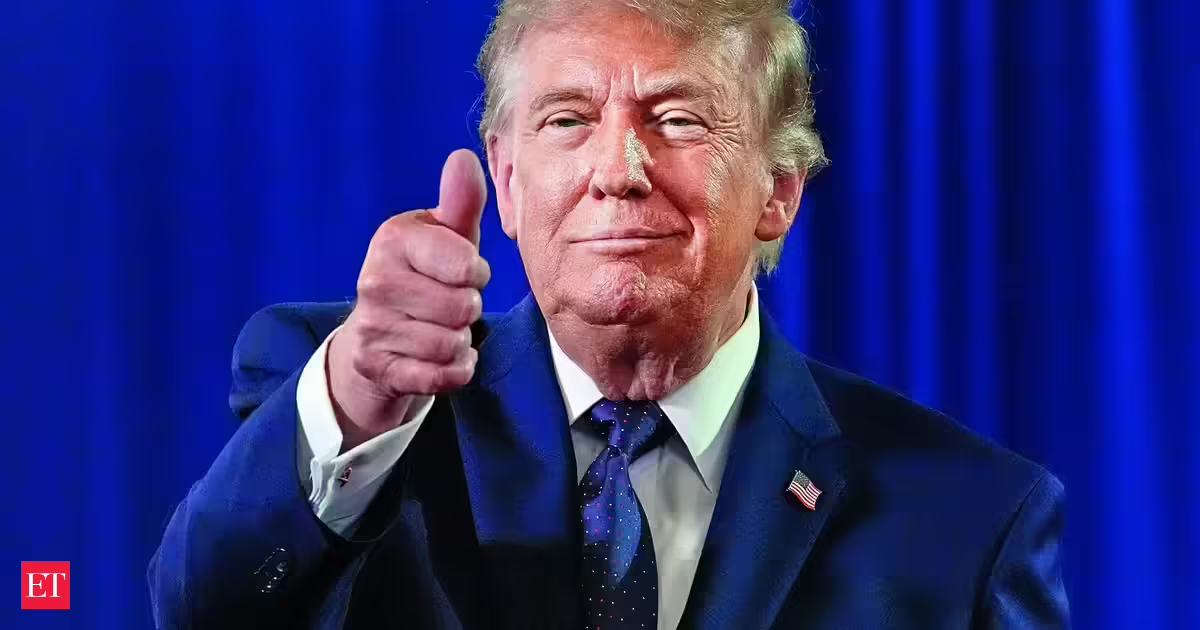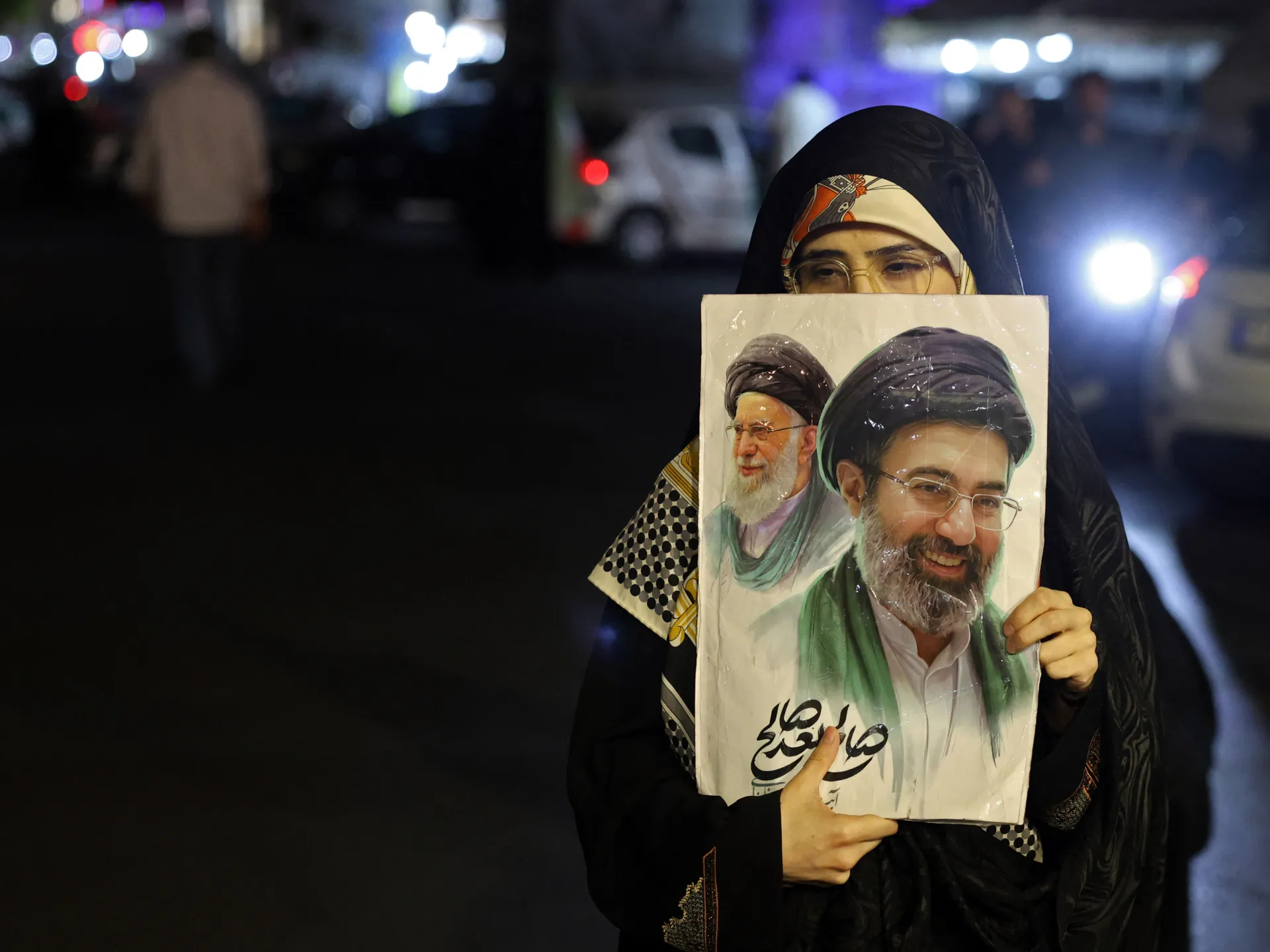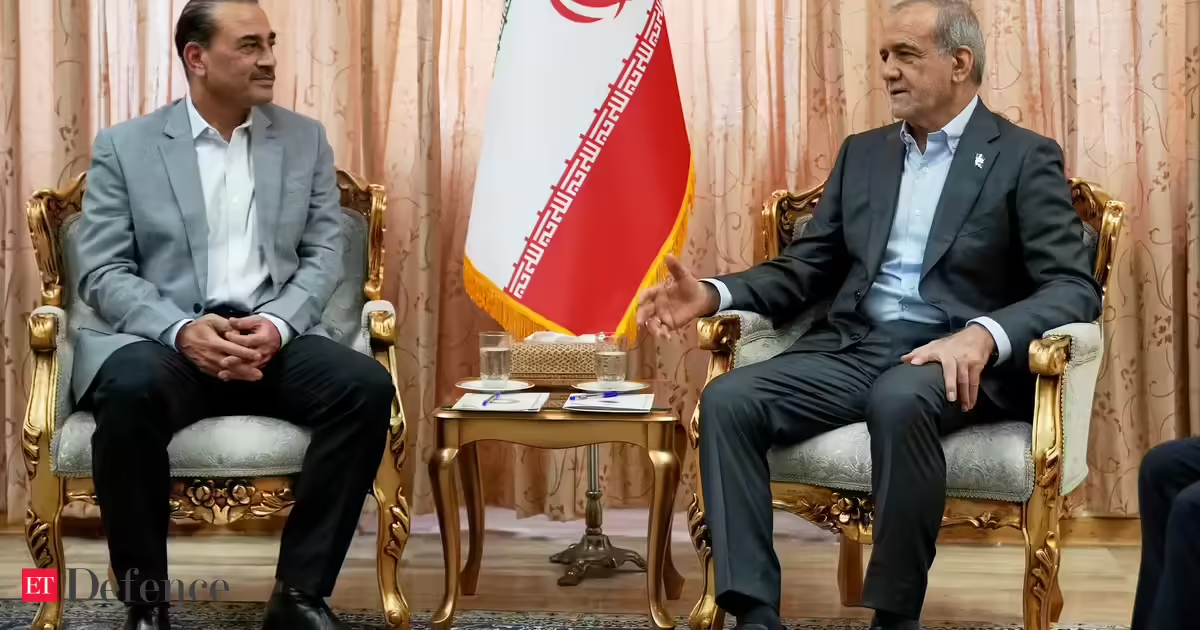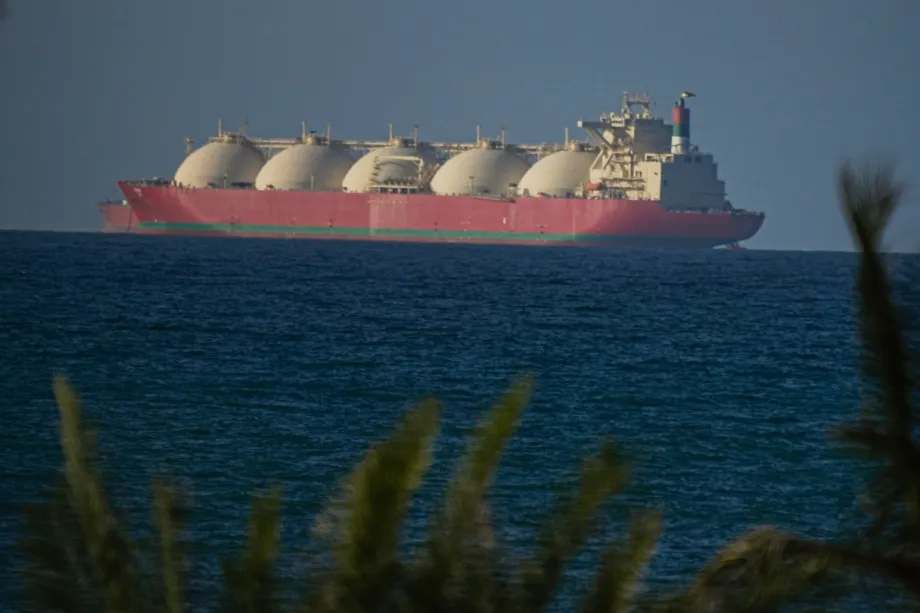
The US and Iran have signalled they are close to reaching a deal to wind down the war in the Middle East.However, the emerging agreement seemed likely to delay resolving at least some details of the toughest points of contention between the countries.US president Donald Trump said in a social media post Sunday that he had ordered his negotiators “not to rush into a deal,” after on Saturday saying a preliminary agreement with Iran was “largely negotiated.”If the deal was certified, Trump said, the US could end its blockade of Iranian ports, which it has used to pressure Iran.He claimed his deal would be “THE EXACT OPPOSITE” of the one agreed in 2015 by Barack Obama, which Trump pulled out of in 2018. He added that he was not rushing into a deal, saying “both sides must take their time to get it right ... There can be no mistakes!”US and Iranian officials said the agreement – even if they managed to finalise it – would be an initial framework that would lead to further negotiations, rather than the last word.For Trump, a deal could offer a path to ending the turmoil wrought by the war, which began in late February when the US and Israel attacked Iran. The conflict has killed thousands, rattled global energy markets, and been broadly unpopular among the American public.But neither the United States nor Iran released a copy of the proposed framework, leaving the contours of the deal in doubt. The future of Iran’s nuclear program, part of Trump’s case for launching the war, was unclear.In Israel, Trump’s announcement was received with concern. Israeli prime minister Binyamin Netanyahu had said the war could lead to the collapse of Iran’s Islamic Republic and an end to the Iranian nuclear threat – both of which now seem remote.Israel did not officially comment, although the Israeli government circulated a statement attributed to an unnamed official saying that Trump had assured Netanyahu that he would stick to his demands on Iran’s nuclear program.Trump has repeatedly said Iran must give up its stockpile of enriched uranium, which the US and Israel fear could be used to build a nuclear weapon. But US and Iranian officials have given clashing statements as to what has been agreed.Two US officials said the proposal included a commitment by Iran to give up the uranium, with details to be nailed down later.But three Iranian officials said the memorandum of understanding stipulated only that nuclear matters would be negotiated within 30 to 60 days. Like the US officials, they spoke anonymously because they were not authorised to discuss a sensitive subject.Publicly, both the US and Iranian officials emphasised the concessions they hoped to secure. Trump said the deal would reopen the Strait of Hormuz, a vital waterway for oil and gas supplies, which Iran has effectively blockaded during the conflict, spurring a surge in global energy prices.The Iranian officials said the deal Iran had agreed to would reopen the Strait of Hormuz without any tolls; lift the US naval blockade on Iran; stop the fighting on all fronts, including between Israel and Hizbullah, the Iran-backed armed group, in Lebanon; and release $25 billion in Iranian assets frozen overseas.This article originally appeared in The New York Times.2026 The New York Times Company
US and Iran close in on deal to wind down war and reopen Strait of Hormuz
Emerging details of accord suggest several main points of contention yet to be addressed in negotiations between Tehran and Washington
546 words~2 min read