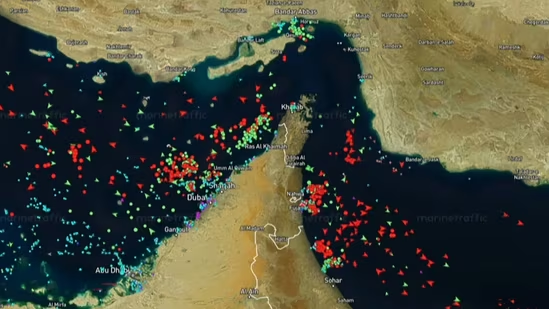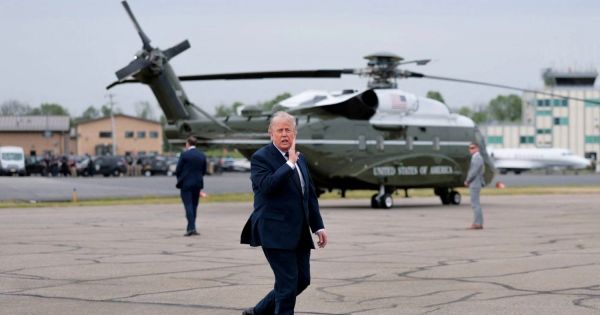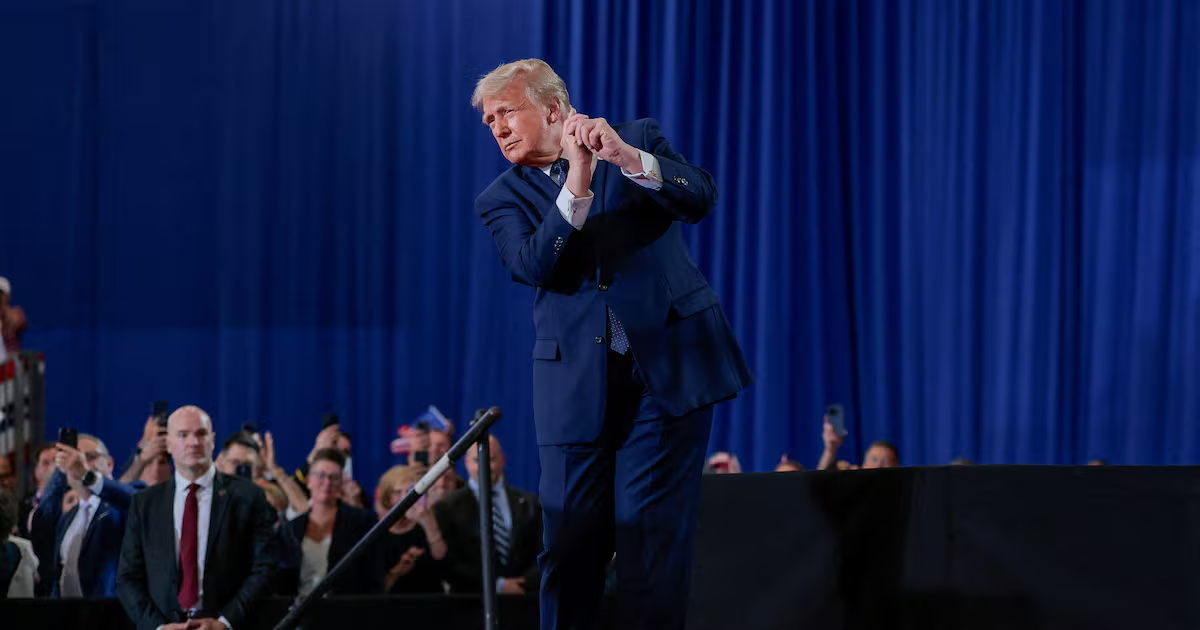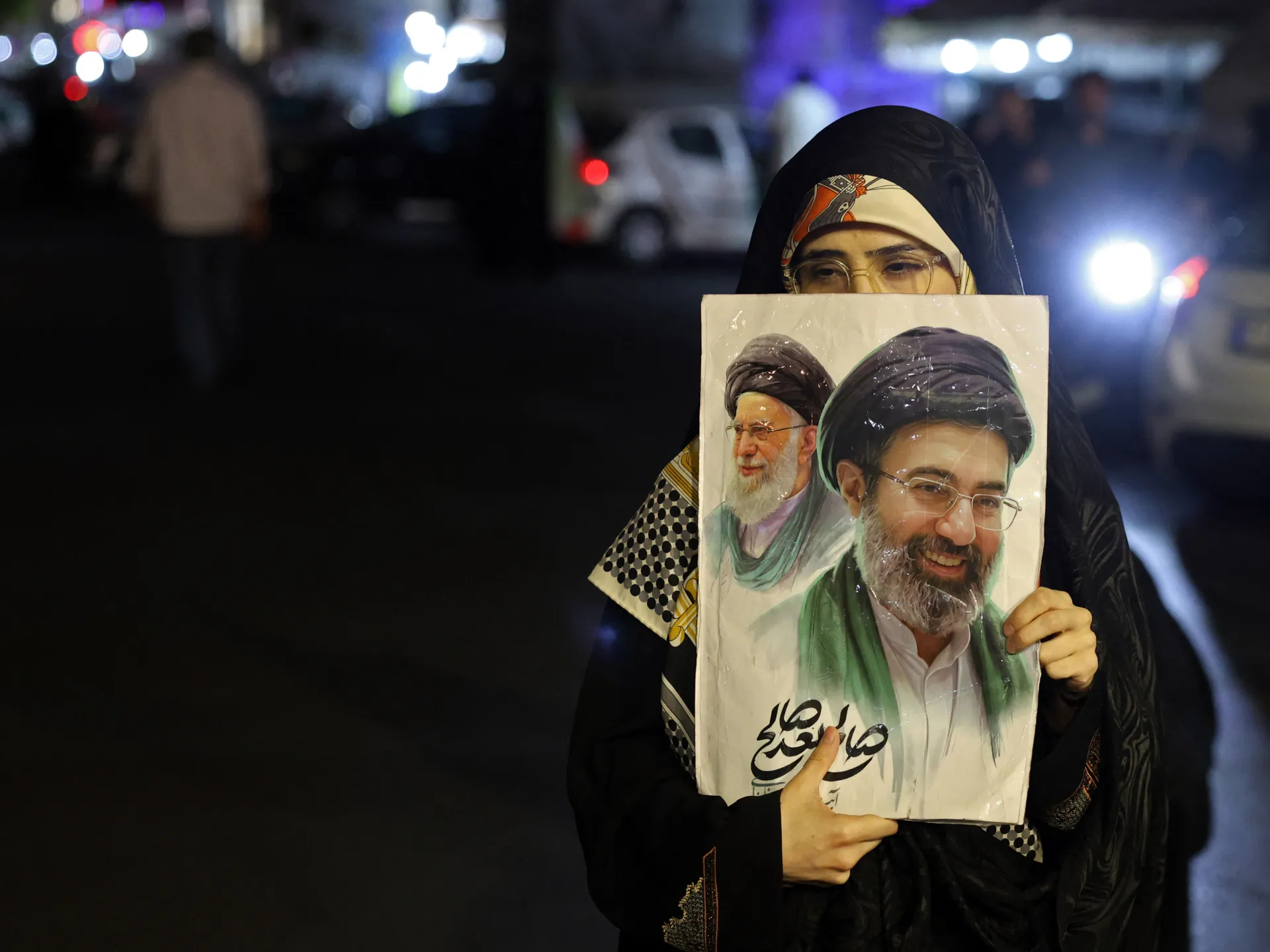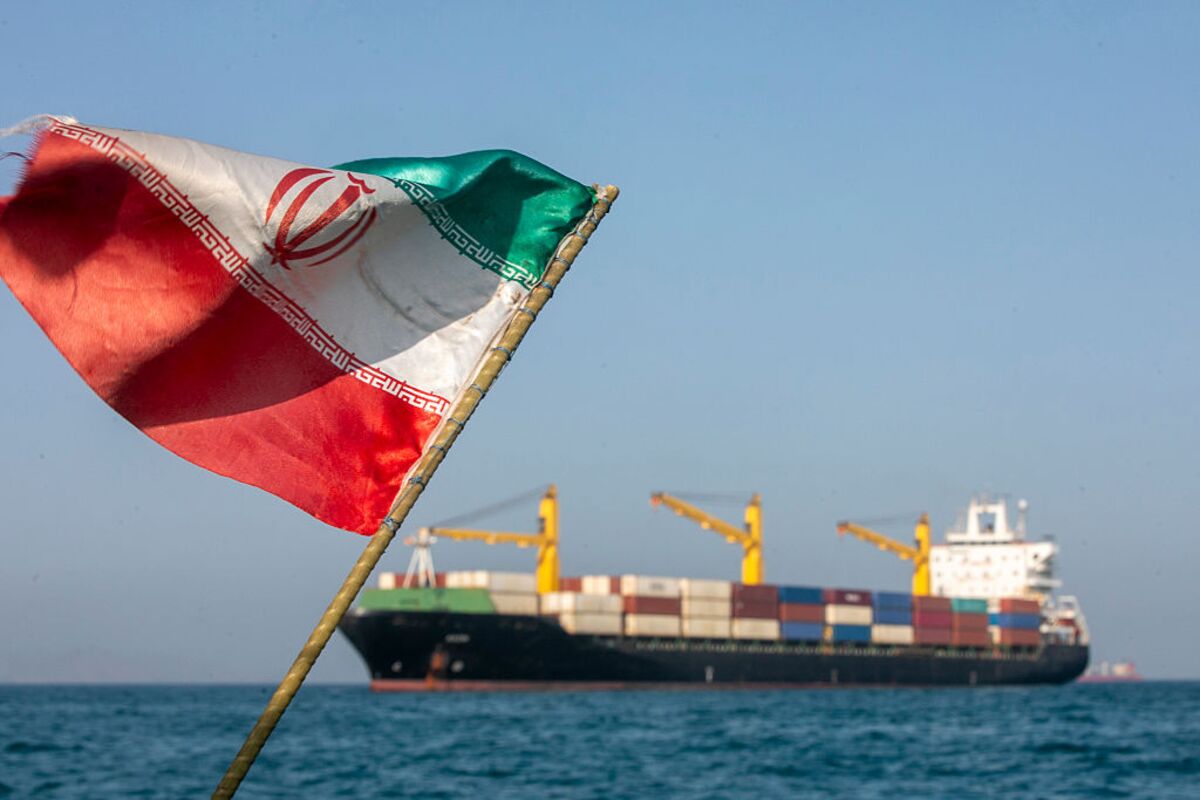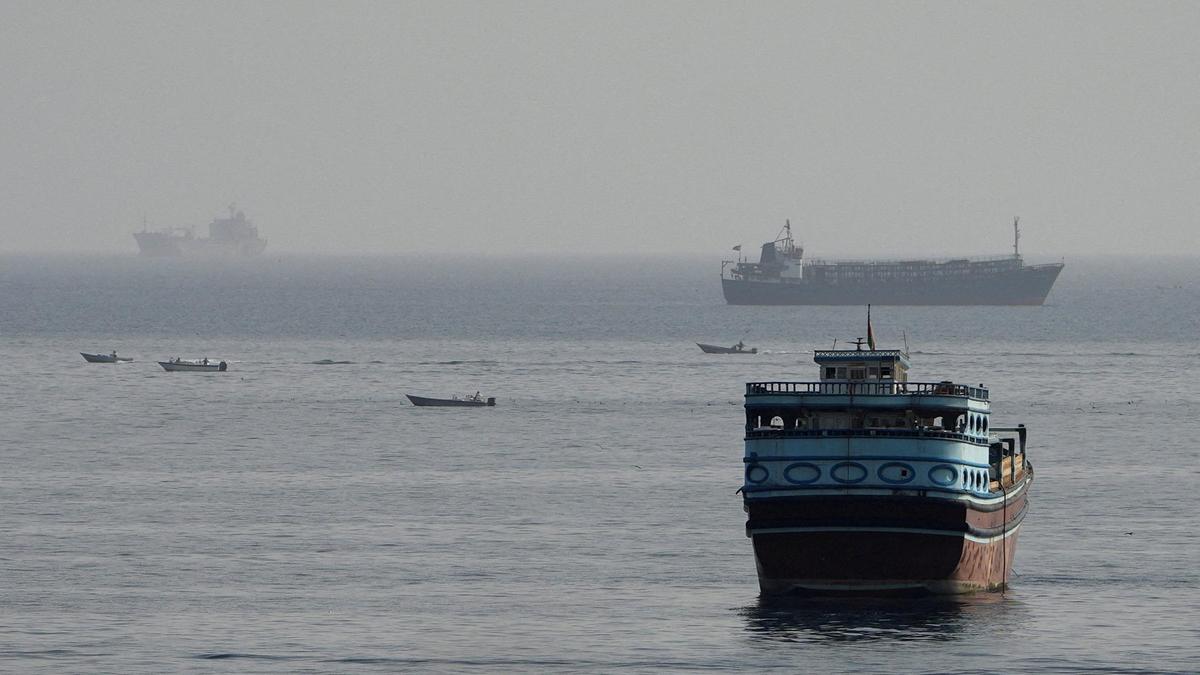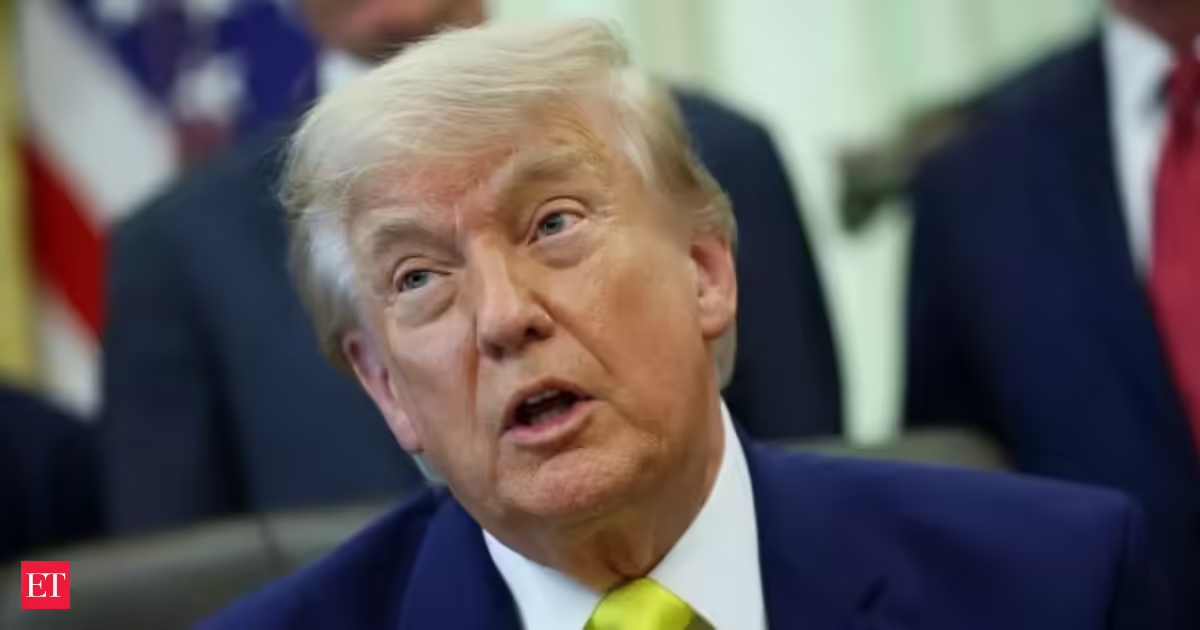
Washington|Islamabad: The US and Iran are closing in on a deal that would reopen the Strait of Hormuz, senior American officials said, even as US President Donald Trump said he won't "rush" into an agreement.The officials said nothing is ready to be signed Sunday as the two sides negotiate on the precise language on key issues and that it may take several days for both sides to get final approval.Also Read: Iran says truce agreement 'may be cancelled' due to US 'obstruction' of frozen assetsUrged on by several Arab leaders, the US and Iran have been discussing a possible extension of a fragile ceasefire, but both sides have offered differing descriptions of what an interim deal would include. The two sides have proposed several deals in the past few weeks that they have failed to clinch.US President Donald Trump on Sunday said he had told his representatives not to rush into any deal with Iran, appearing to dampen hopes of an imminent breakthrough. The blockade on Iranian ships on the Strait of Hormuz would "remain in full force and effect until an agreement is reached, certified, and signed," Trump wrote on Truth Social. Negotiations were progressing and the US' relationship with Iran had become more professional and productive, he said.Also Read: Iran nuclear deal can't be done 'in 72 hours,' Rubio tells NYTStill at OddsTrump said, “Both sides must take their time and get it right. There can be no mistakes!"A day earlier, the US President said Washington and Iran had “largely negotiated" a memorandum of understanding on a peace deal that would reopen the Strait of Hormuz, which before the conflict carried one-fifth of global oil and liquefied natural gas shipments.Under the potential deal, Tehran would agree to give up its stockpile of highly enriched uranium, according to the two regional officials, who spoke on condition of anonymity to discuss the sensitive negotiations. But Iran has not publicly committed to giving up its uranium.Trump has repeatedly played up the prospect of an agreement to end the war that the US and Israel started on February 28, so far without success.It was not clear whether the agreement he was referring to on Sunday was the initial memorandum of understanding that has been under discussion, or a much more challenging broad peace settlement, likely to take much longer.The two sides remain at odds over numerous difficult issues, such as Iran's nuclear ambitions and Tehran's demands for the lifting of sanctions and the release of tens of billions of dollars of Iranian oil revenues frozen in foreign banks.Media in the US and Iran had said the memorandum setting out a framework for ending months of fighting would, if concluded, lift a US blockade on Iranian shipping and reopen the waterway, which Iran has shut with threats to attack shipping.A senior Iranian official earlier said if Iran's Supreme National Security Council approved the memorandum, it would be sent to Supreme Leader Ayatollah Mojtaba Khamenei for final approval.There was no immediate response from Iran's government. But Tasnim news agency, which is linked to Iran's Revolutionary Guards, said the US was still obstructing parts of a potential deal, including Tehran's demand for the release of frozen funds.In another potential stumbling block, a military adviser to Khamenei said Tehran had the legal right to manage the Strait of Hormuz, though it was not clear if that meant continuing to decide which ships can go through.Any deal cementing the current fragile ceasefire would bring relief to markets but not immediately quell a global energy crisis, which has driven up costs of fuel, fertilizer and food.Even if the war ends now, full flows through the strait will not return before the first or second quarter of 2027, the head of the Abu Dhabi National Oil Company said last week.Trump, while offering various war aims during the conflict, has repeatedly said the US struck Iran to prevent it from obtaining nuclear weapons. Iran "must understand, however, that they cannot develop or procure a Nuclear Weapon or Bomb,” he reiterated in his post on Sunday.Iran has long denied it is pursuing such weapons and says it has a right to enrich uranium for civilian purposes, although the purity it has achieved far exceeds that needed for power generation.
World holds breath as US, Iran close in on deal
US and Iran are reportedly nearing a deal to reopen the Strait of Hormuz, with senior American officials indicating progress despite President Trump's caution against rushing. Negotiations are ongoing regarding the precise language of key issues, with a potential agreement requiring final approval from both sides.
708 words~3 min read