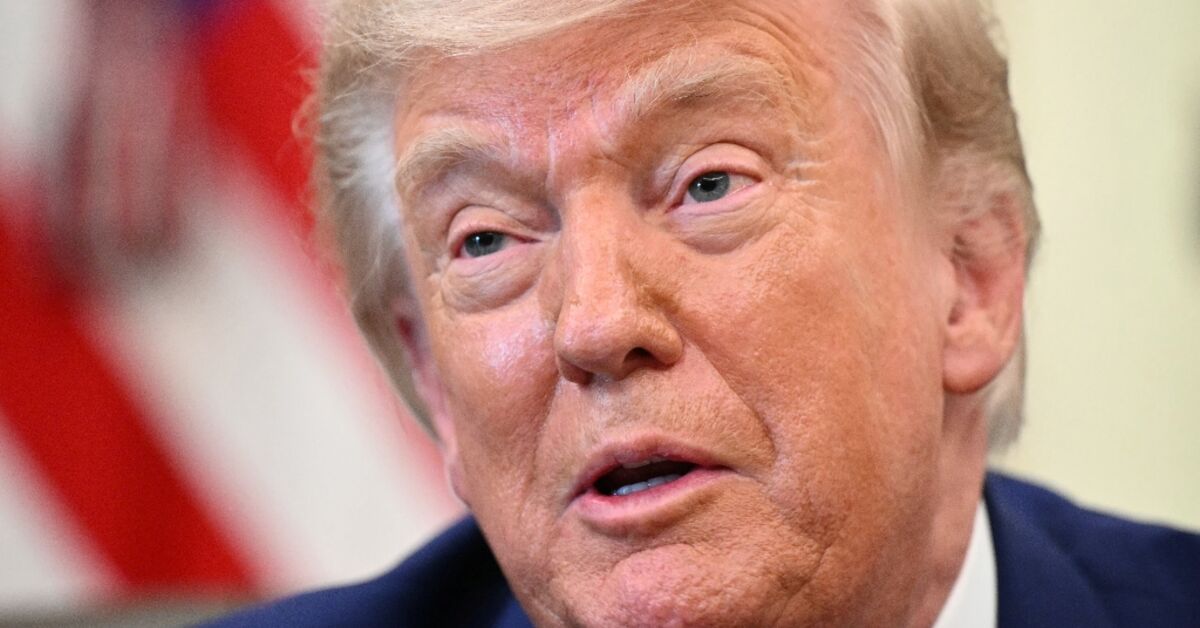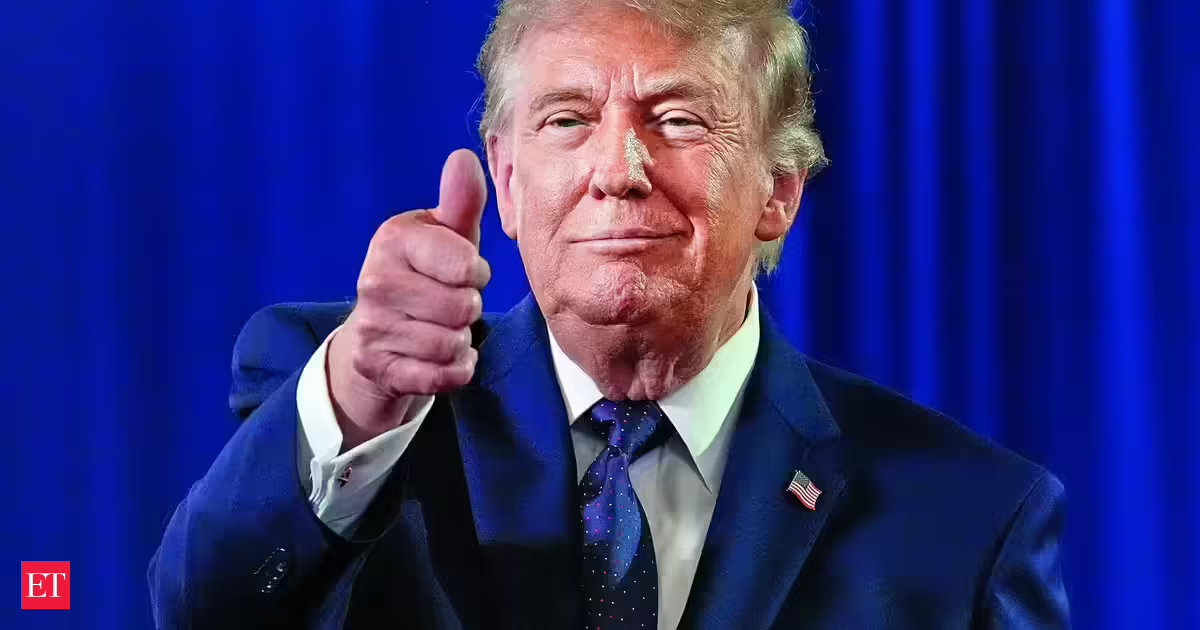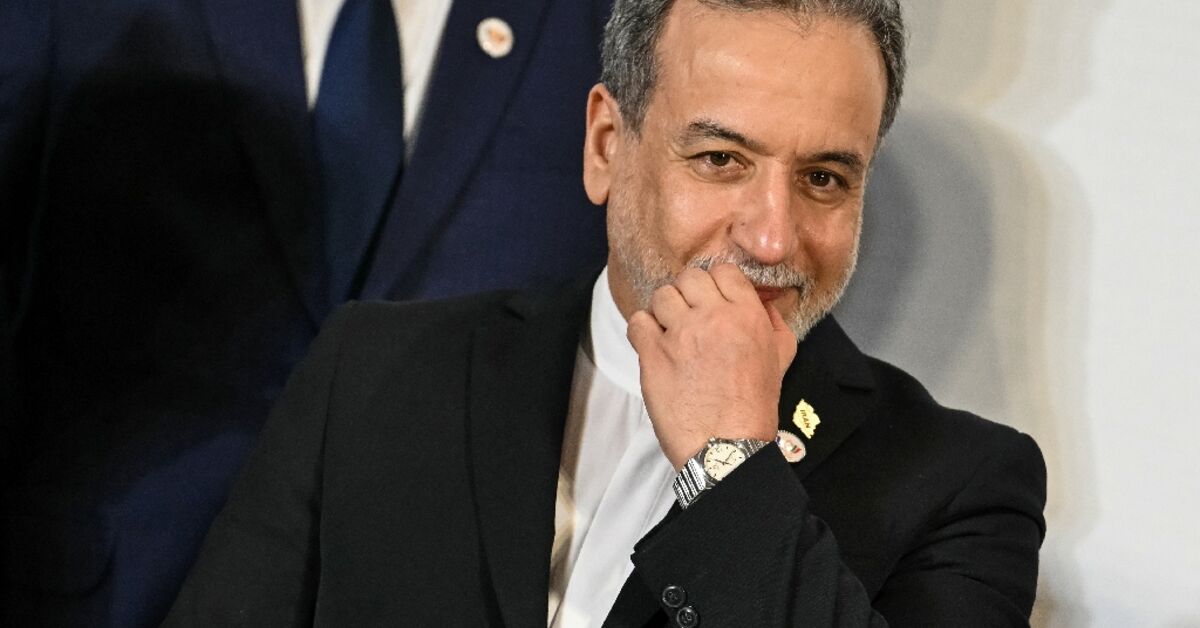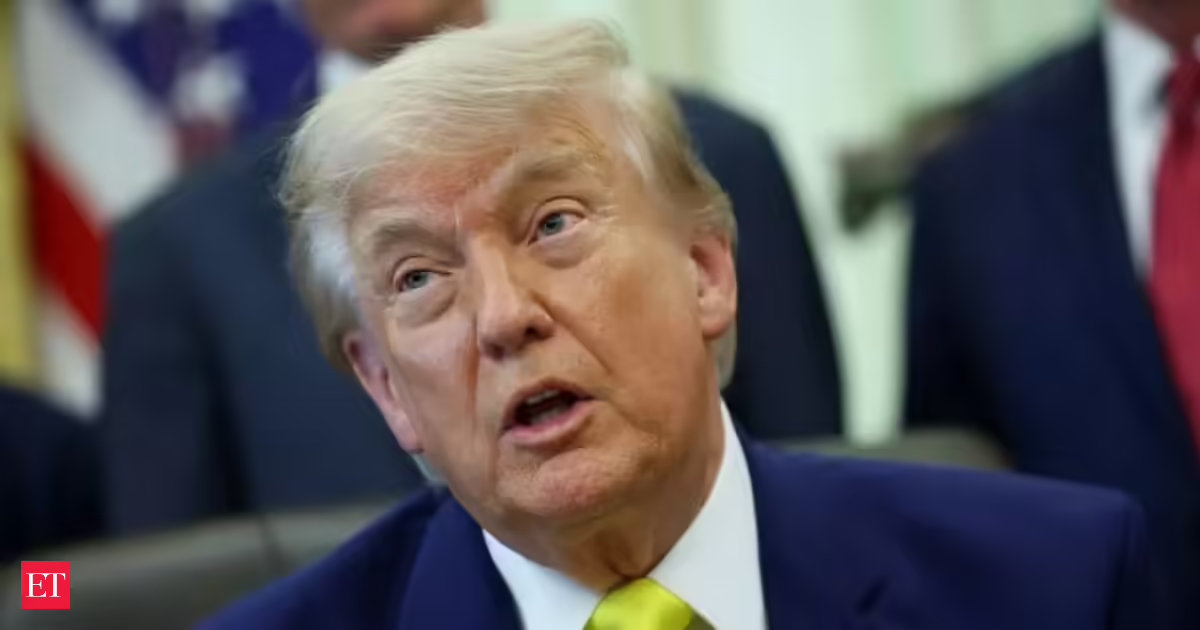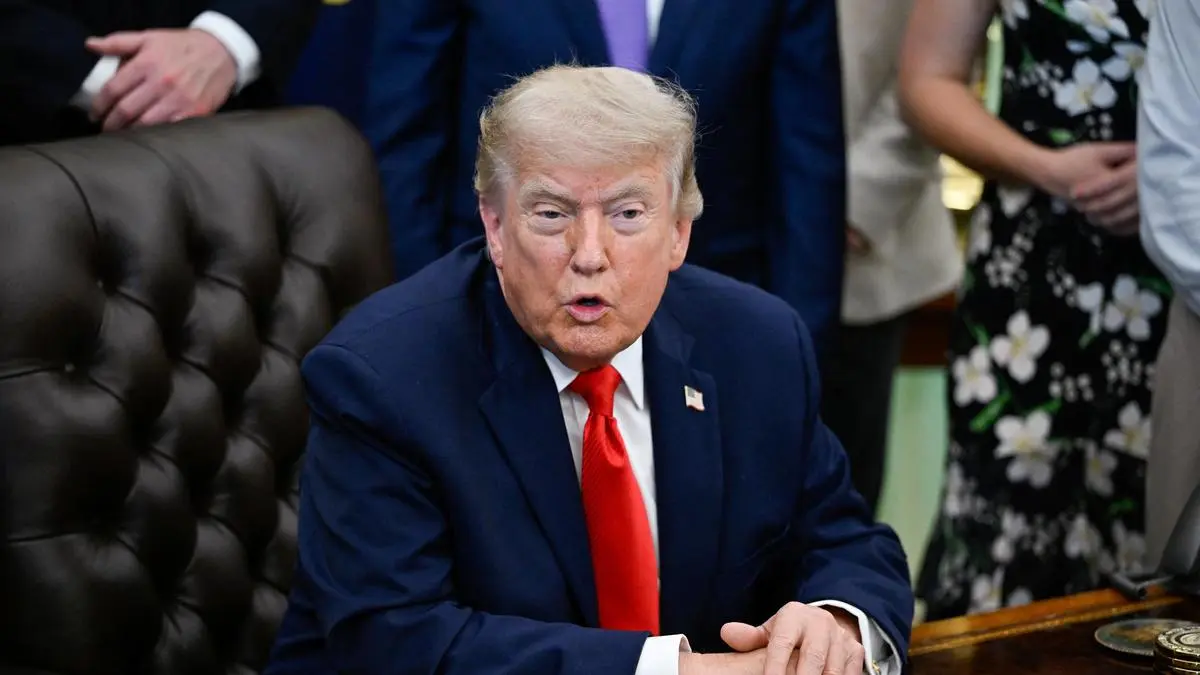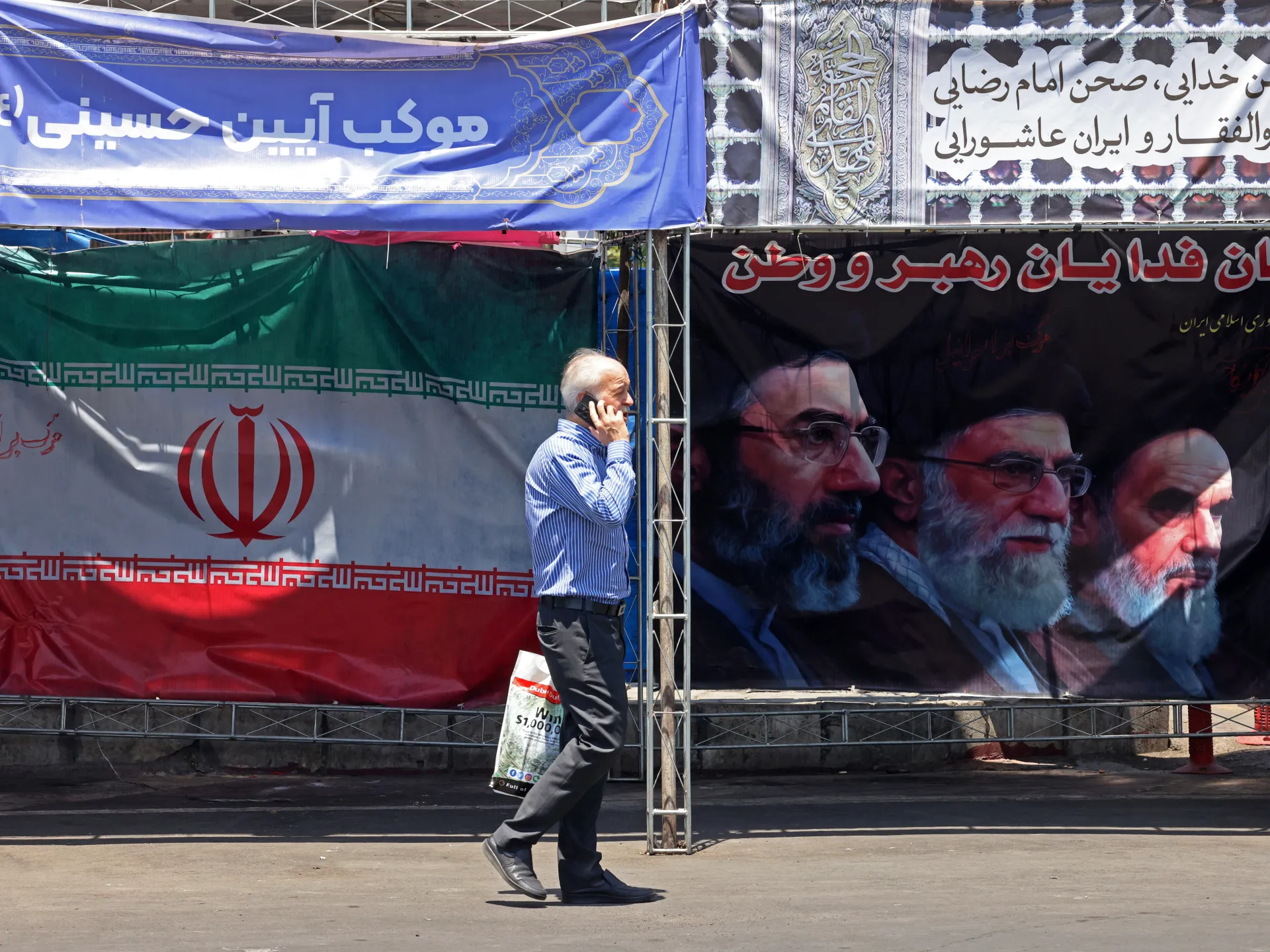
The US and Iran moved closer on Sunday to signing a framework peace agreement that US President Donald Trump said would reopen the Strait of Hormuz, although key details and timing remain disputed across all sides.In a social media post late on Saturday, Mr Trump said the deal could be signed “tomorrow”. He said the Strait of Hormuz would be reopened immediately after signing and that no money would change hands under the memorandum of understanding.Pakistani Prime Minister Shehbaz Sharif, whose government has helped to broker the talks, said the framework would be completed within 24 hours through an “electronic signing”, followed by technical negotiations next week.Iranian Foreign Minister Abbas Araghchi said the agreement “has never been closer”, while urging media to avoid speculation about its content. His remarks, however, came amid growing internal resistance inside Iran, where hardliners have stepped up criticism of the emerging deal and its chief negotiator.Iran’s Foreign Ministry spokesman Esmaeil Baghaei pushed back on the timeline, posting that signing “will not be tomorrow”, although he did not rule out agreement in the coming days.Mr Trump could be pressing for it to be signed before the Group of Seven leaders' meeting in France starting on Monday.A senior US official said the draft includes provisions to reopen the Strait of Hormuz and dismantle elements of Iran’s nuclear programme, including transferring enriched uranium abroad under international supervision in exchange for phased sanctions relief and a limited negotiating window on long-term constraints.Analysts say the ceasefire track remains the most achievable component, driven by economic pressure and escalation risks on both sides.For Mr Trump, repeated disruptions in the strait have contributed to volatility in energy markets, while Iran faces mounting pressure from sanctions, asset freezes, and domestic strain.But major gaps remain. Tehran has reportedly sought broader regional terms, including Lebanon, a demand rejected by Israeli Prime Minister Benjamin Netanyahu. There are also conflicting accounts over whether any framework would extend to a 60-day ceasefire window and wider regional arrangements beyond the nuclear file.Tensions have continued alongside diplomacy. US forces intercepted Iranian one-way drones near the Strait of Hormuz overnight Friday into Saturday, which Washington described as hostile, while Tehran called them “warning shots”, underscoring divisions within Iran’s security establishment over the talks.Mr Araghchi struck a defiant tone on Iranian state television, saying Iran was “the winner of the war with the US”, while acknowledging the draft could still change. In Lebanon, Israeli strikes followed evacuation orders in several towns, including an attack near Jezzine that killed local officials, highlighting the wider regional spillover.Those tensions appeared to escalate further into Sunday morning, when the Israeli military said two suspected aerial targets fell inside Israeli territory near the Lebanon border after air raid sirens were activated over “suspected hostile aircraft incursions”. No casualties were reported.The incident came hours after Israel said it intercepted a missile fired from Lebanon by Hezbollah towards troops in southern Lebanon, with both events now under investigation.The timing of the strikes and drone activity has raised concerns among officials and analysts that hardline factions opposed to the US-Iran framework are attempting to derail the talks by escalating pressure on Israel through Hezbollah-linked operations. The aim, according to some assessments, is to test Israel’s response and increase regional volatility around the emerging diplomatic track.
US and Iran poised to sign landmark deal Trump says will reopen Hormuz | The National
Deep divisions in Iran as regime hardliners and protesters reject the emerging deal
TL;DRAI
US-Iran framework deal nearing signature includes Strait of Hormuz reopening and nuclear limits; disputed timeline. Critical for tech ops: energy price swings shift data center costs and cloud margins globally.
545 words~2 min read