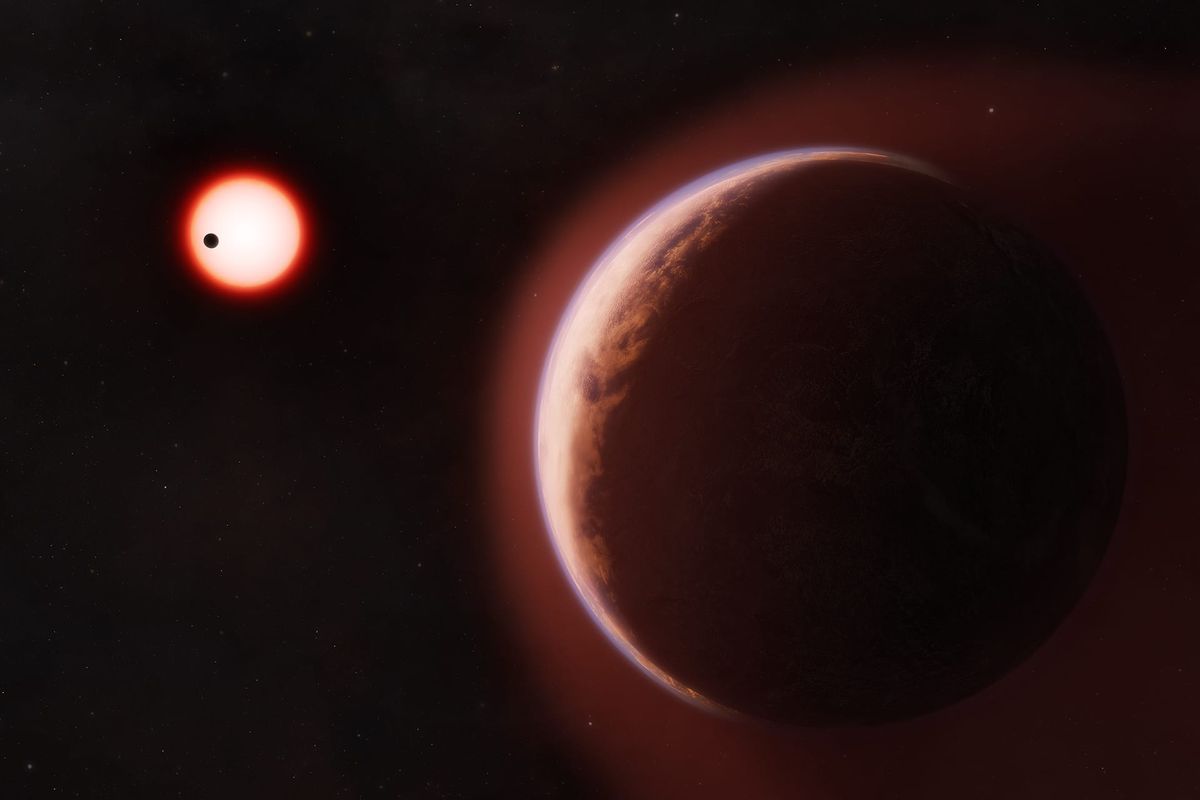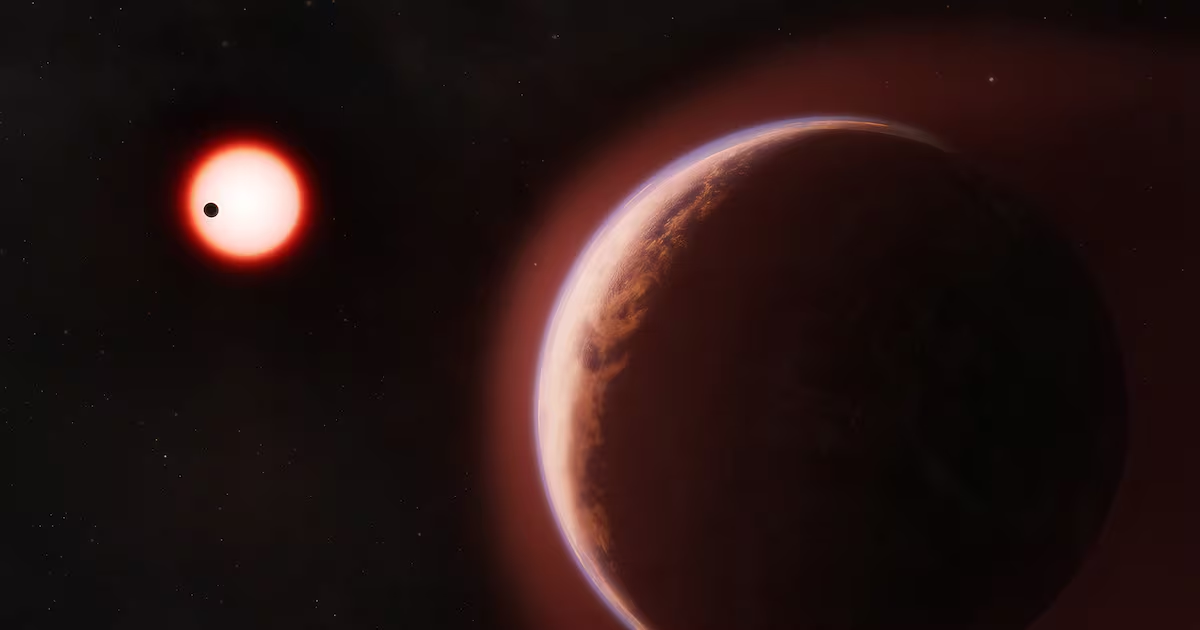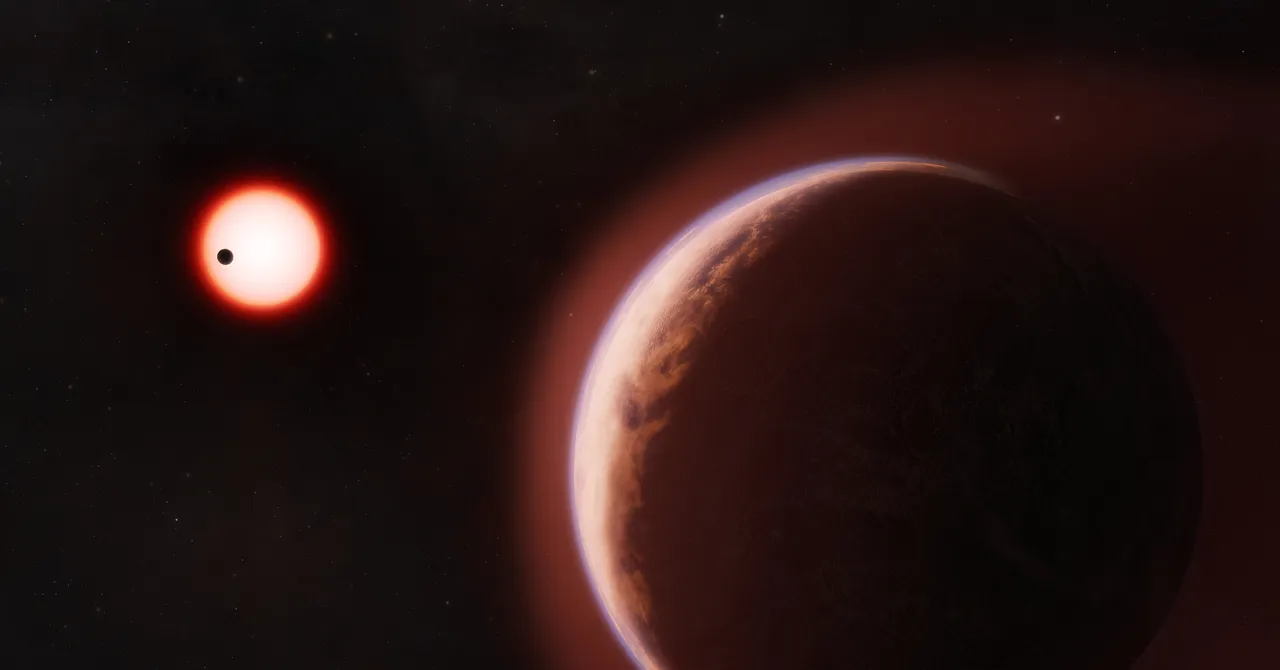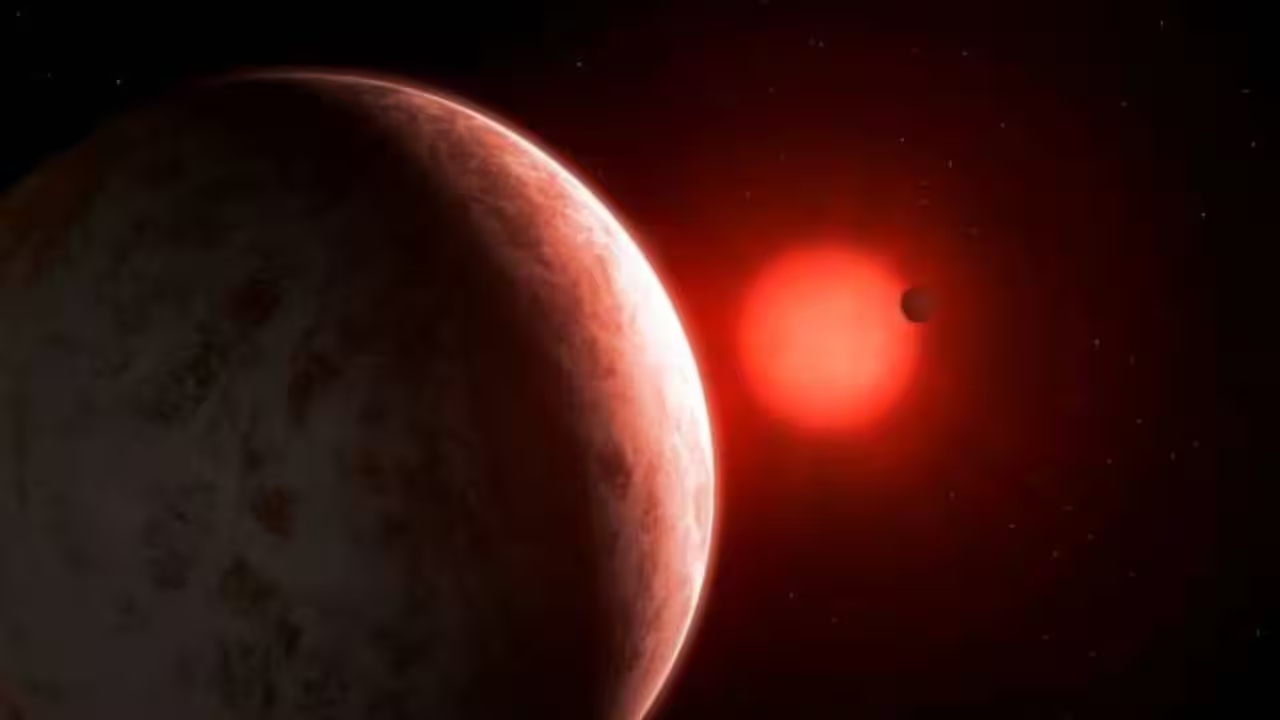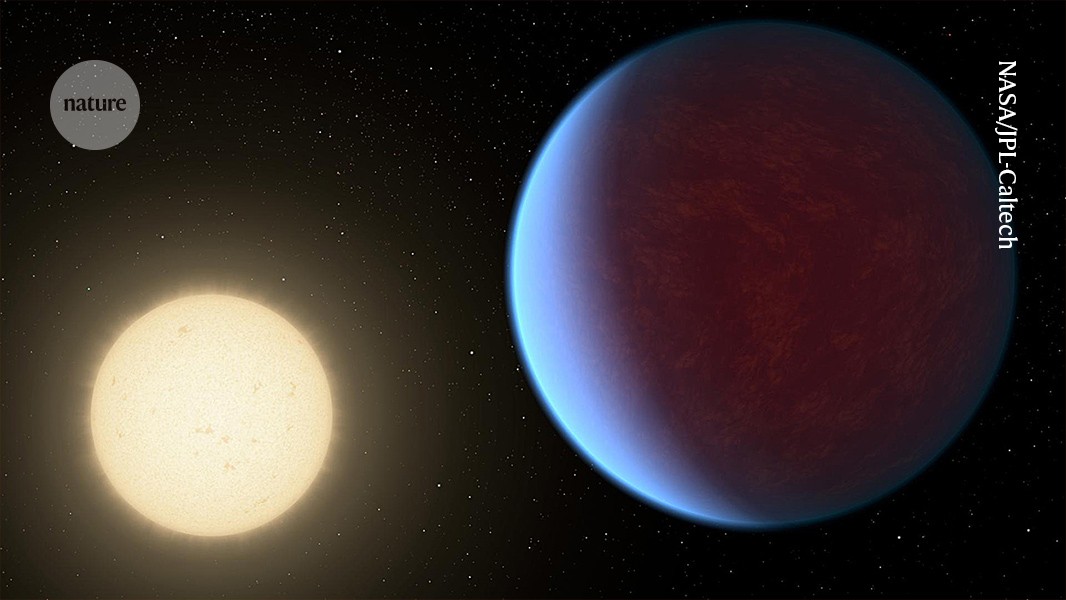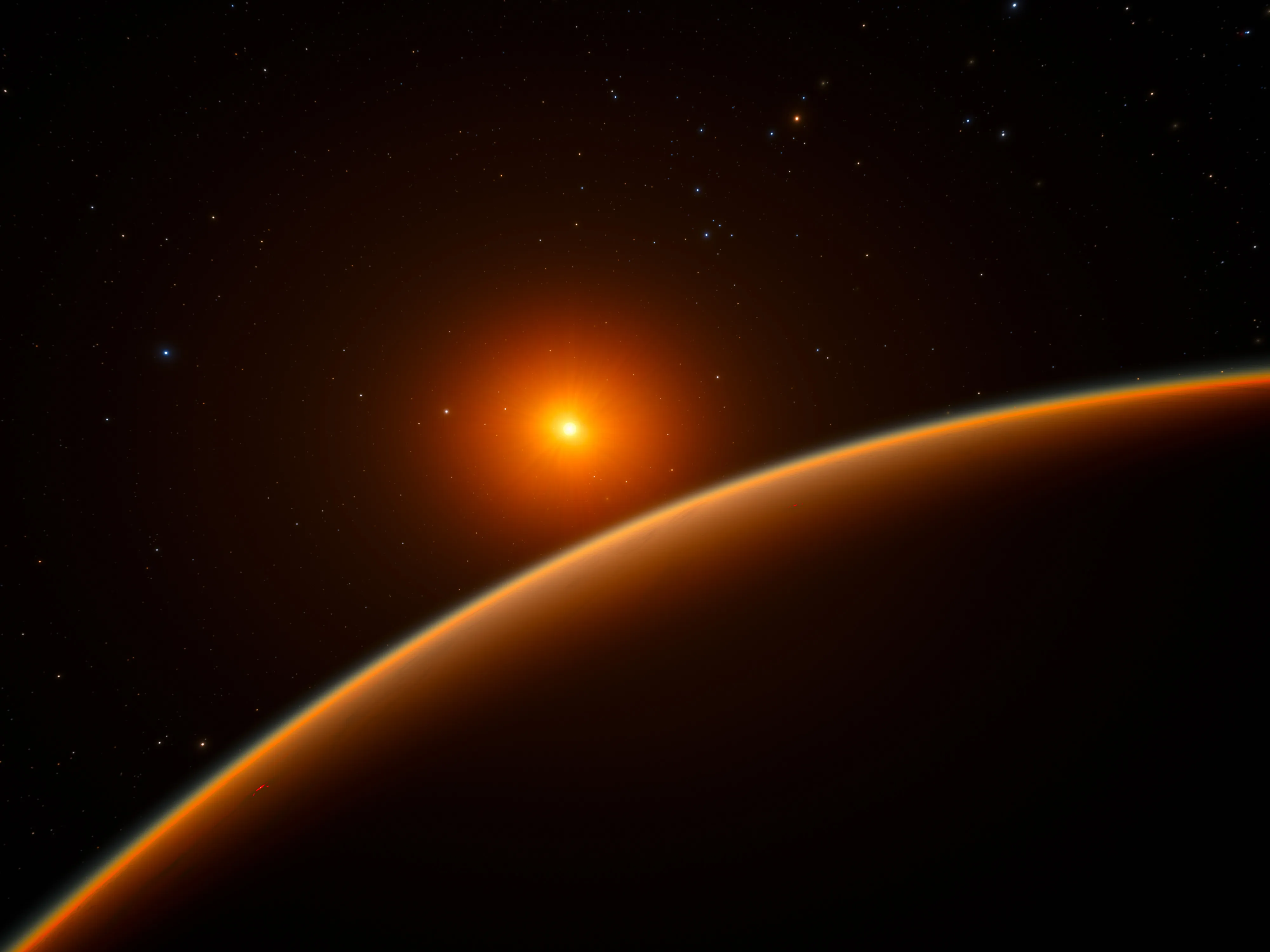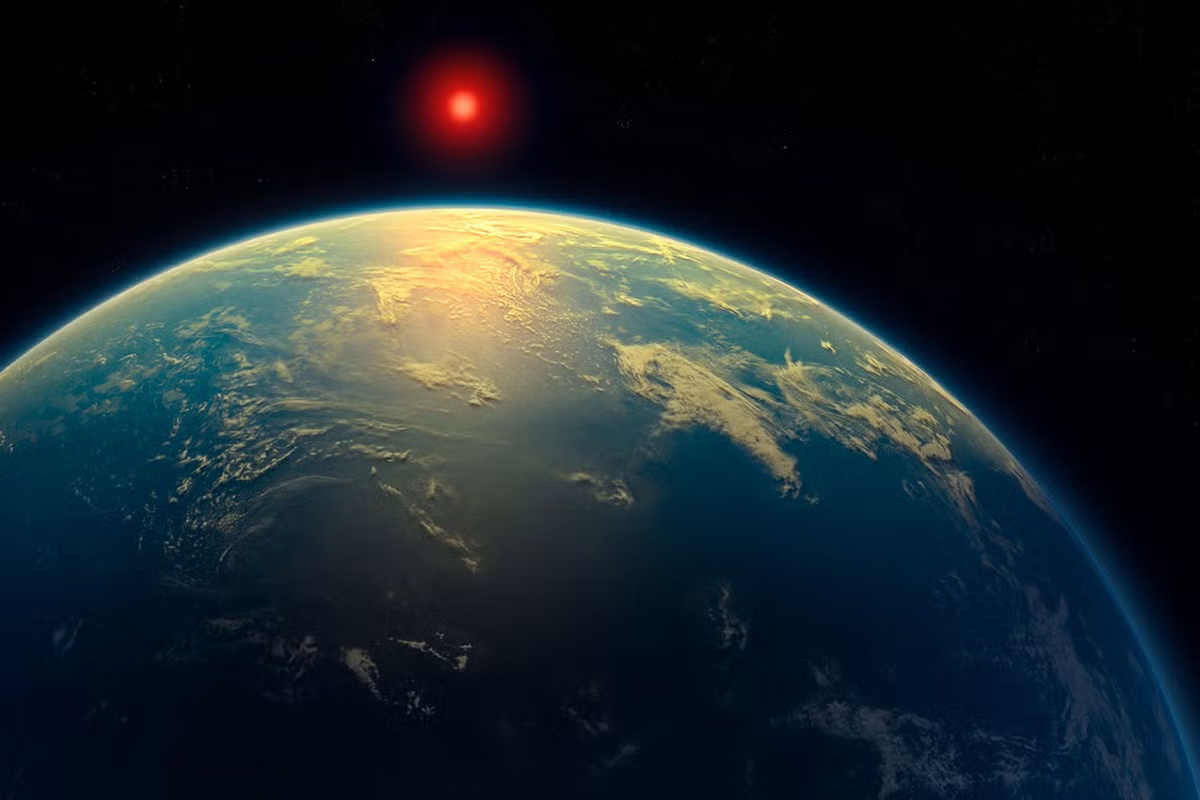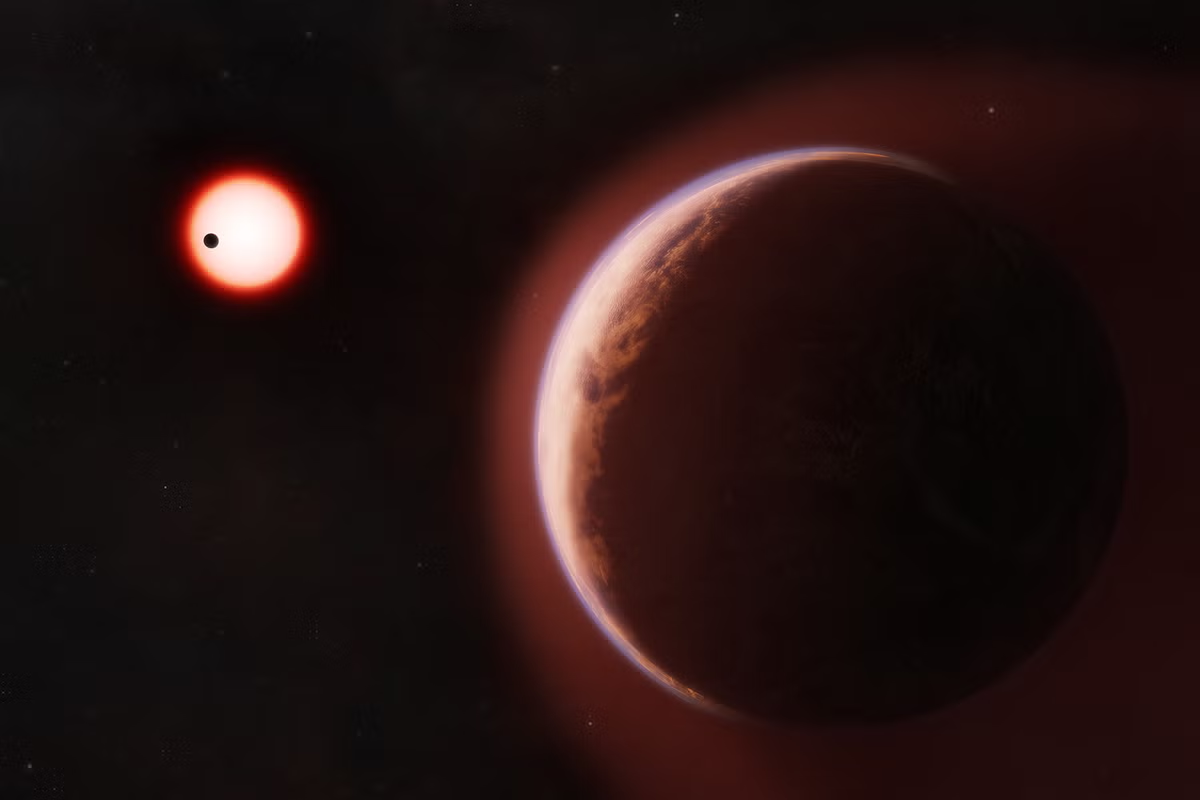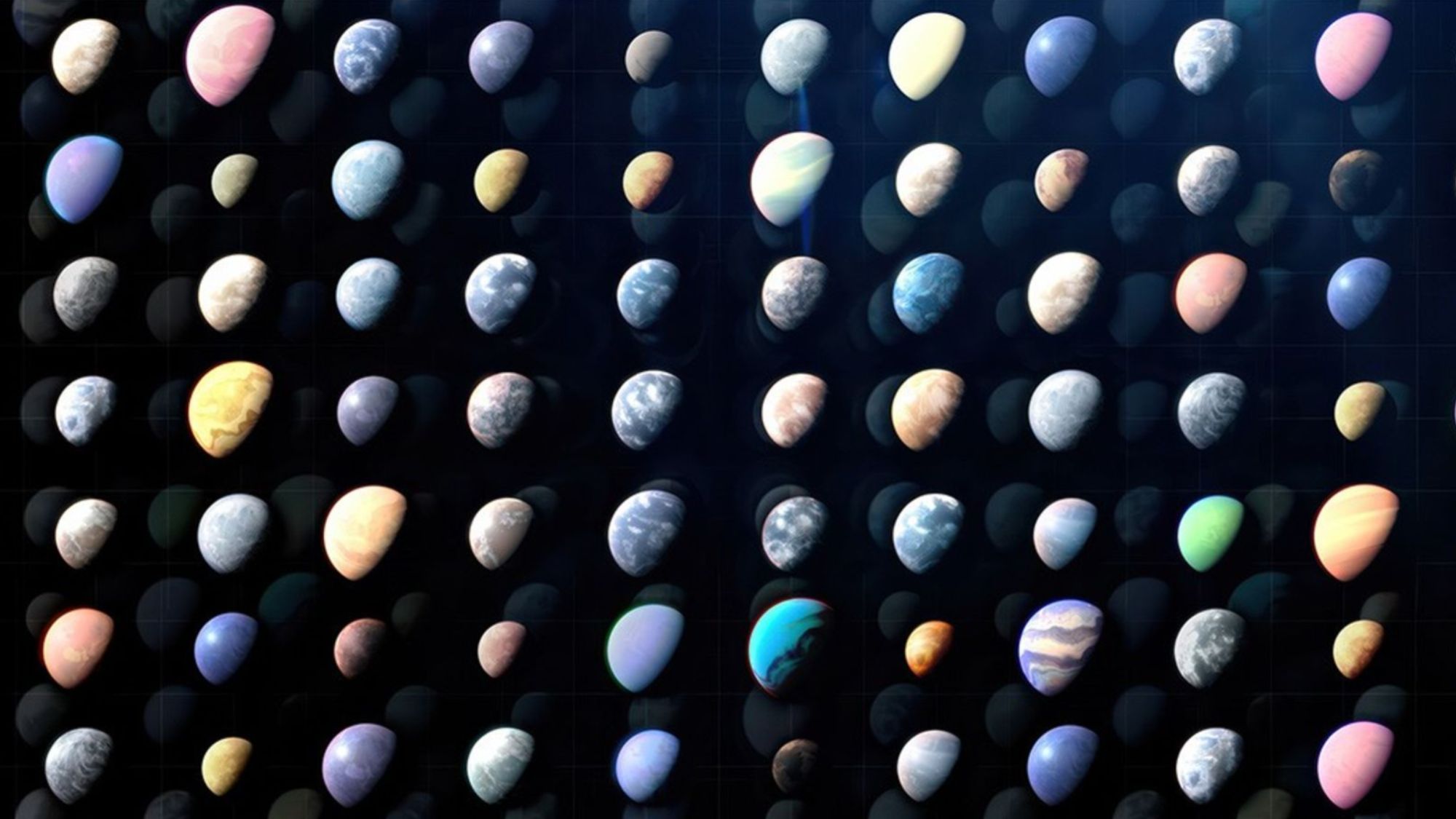
An artist's illustration of various exoplanets found so far.
(Image credit: NASA)
A rocky planet orbiting in the habitable zone of a sun-like star may look like a perfect place for life to thrive — but not if it's too small to hold onto its atmosphere.So, we may wonder: How much smaller Earth could be and still have its delightfully breathable atmosphere? How small could an exoplanet be to sustain life as we know it?With these questions in mind, University of California Riverside planetary scientist Michelle Hill and her colleagues recently simulated what happens to the atmospheres of different sizes of rocky worlds. The worlds tested were similar to Earth and orbited in the habitable zones around sun-like stars. It turns out for a world to maintain an atmosphere long enough for life to gain a foothold (a few billion years at minimum), it needs to be at least as big as Mars.Narrowing down the search for lifeThe habitable zone — the area around a star where temperatures are right for liquid water to exist on a planet's surface — is prime real estate in the hunt for alien life. It's also a tough neighborhood for exoplanet atmospheres, because the closer a planet is to a star, the more ways in which radiation and stellar wind will try to strip away an atmosphere.This is why Hill and her colleagues recently simulated how long it would take rocky, Earth-like planets of various sizes, in the habitable zone of a star like our sun, to lose their atmospheres. In other words, how much smaller could Earth, or a similar planet, be and still keep an atmosphere?The answer turns out to be that an atmosphere-sustaining planet needs to be about 80% as wide as Earth, but could technically be as small as 60%. This offers astrobiologists a clue about which planets to focus on in the search for habitable worlds and signs of alien life."The plethora of exoplanets creates an interesting challenge in the search for potentially habitable planets," wrote Hill and her colleagues. "Of the many targets in the habitable zones of their star, which are the best candidates for follow-up observations with the aim of detecting biosignatures?" In other words, astrobiologists now have almost too many planets to choose from and not enough telescope time to search them all. So, it's time to narrow the search.One way to do that is to figure out which planets are most likely to be habitable — and for life as we know it, that habitability means having an atmosphere.