view more
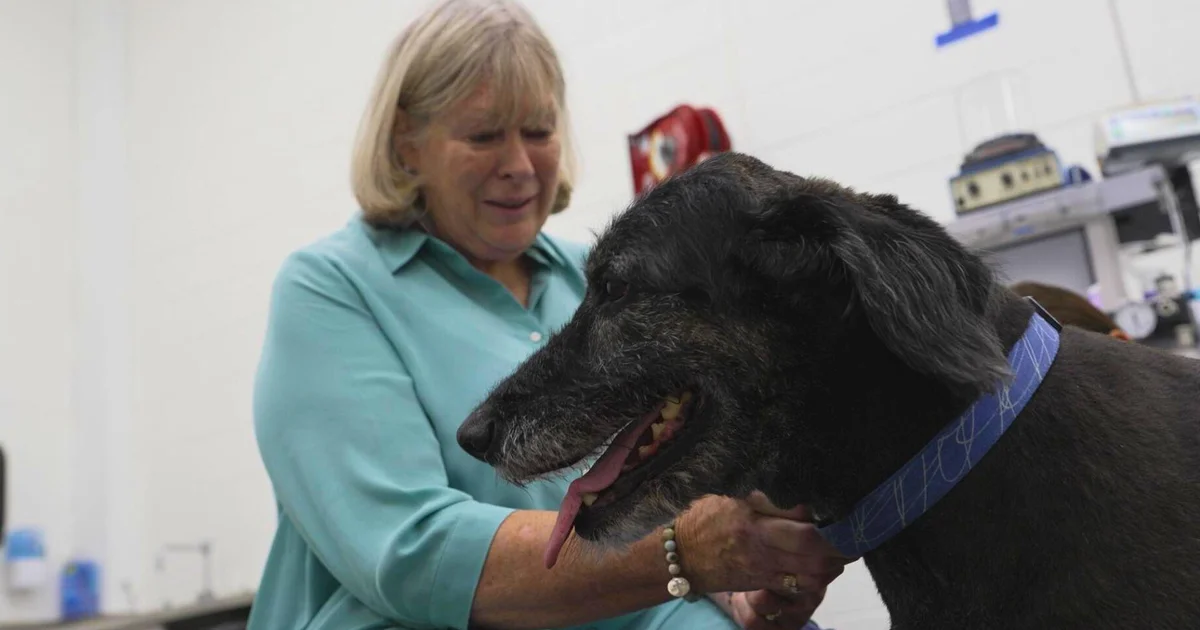
West Lafayette, Ind. – Frailty threatens older individuals because it increases their vulnerability to detrimental health outcomes, such as falling, longer hospitalization, or even shortened life expectancy. Biogerontologists are actively exploring a potential health trade-off important to mothers: Whether the production of offspring comes at a maternal cost, the consequence of a diversion of physiological resources that could lead to accelerated aging and increased late-life frailty. New research in aging dogs exploring the linkage between reproduction and aging shows production of live offspring did not increase late-life frailty. Instead of harboring a hidden penalty, females with live offspring exhibited elevated robustness later in life.
The study conducted by scientists at the Gerald P. Murphy Cancer Foundation’s Center for Exceptional Longevity Studies was published today in the peer-reviewed The Journals of Gerontology, Series A: Biological Sciences and Medical Sciences.
The Gerald P. Murphy Cancer Foundation is a not-for-profit research institute focused on cancer and aging. It is based at the Purdue Research Park of West Lafayette.
Life history theory predicts a physiological cost of reproduction, with diversion of resources away from body maintenance leading to accelerated senescence, deficit accumulation, and diminished longevity. However, in human studies using longevity as the study endpoint, a reproduction-longevity trade-off has not been consistently demonstrated. In fact, a systematic analysis of parity (the condition of having given birth) and all-cause mortality in women revealed a J-shaped relationship, suggesting a moderate level of parity is associated with lower mortality.