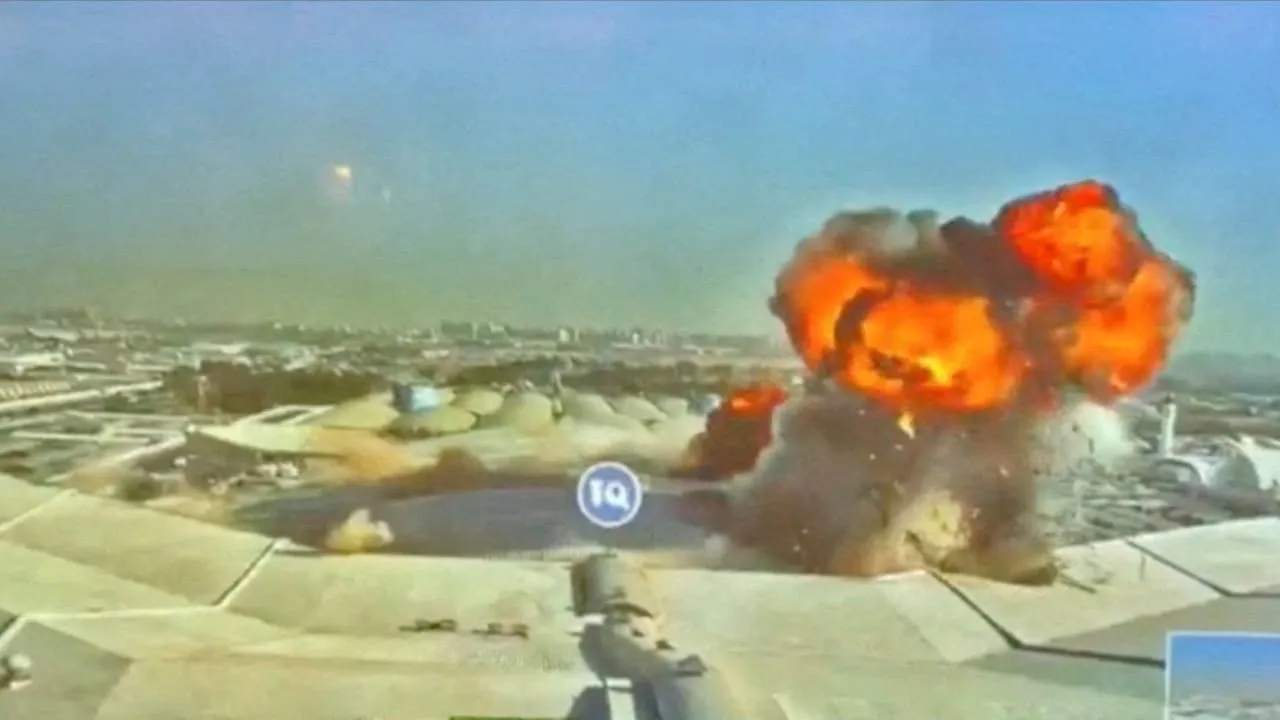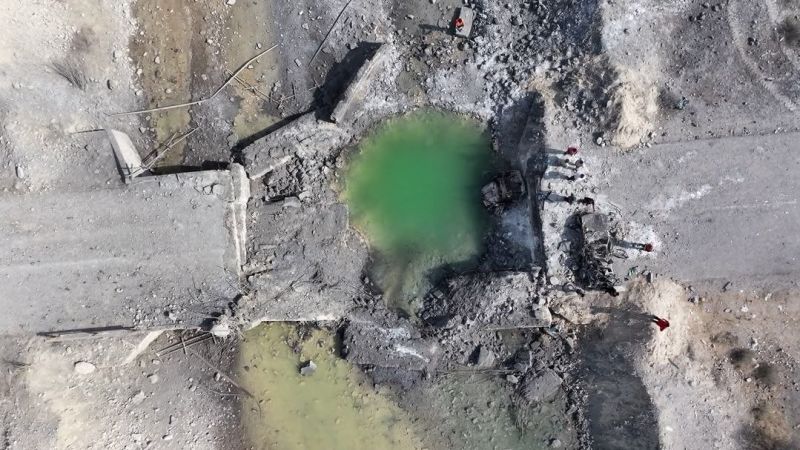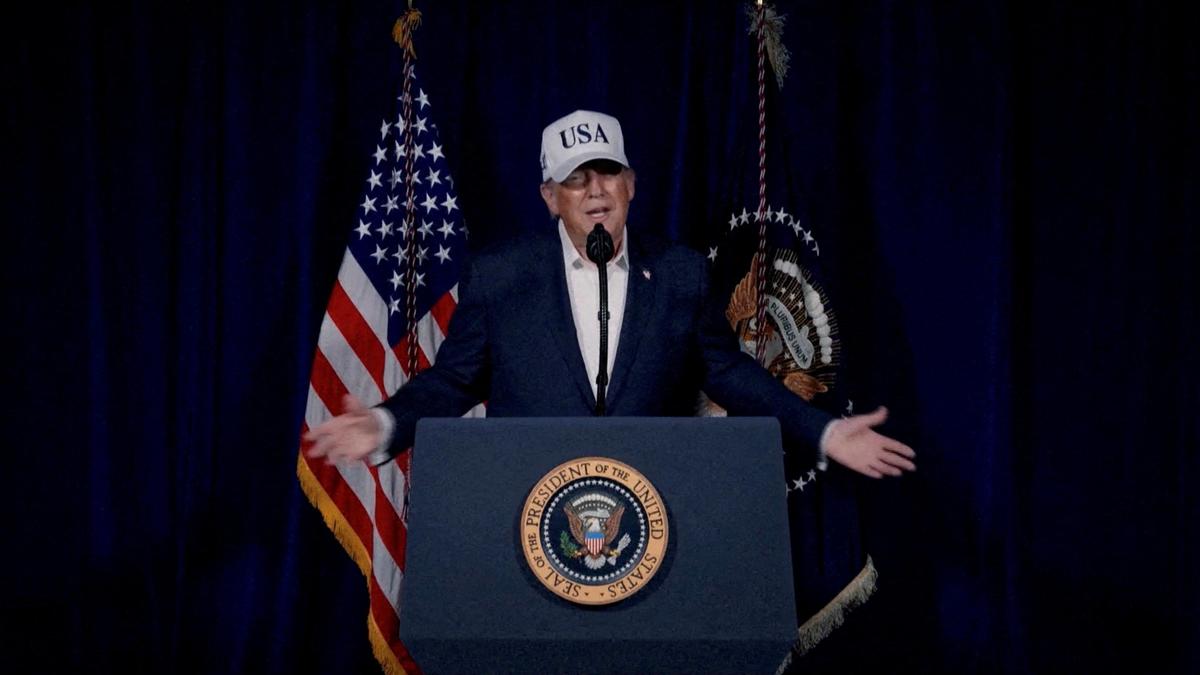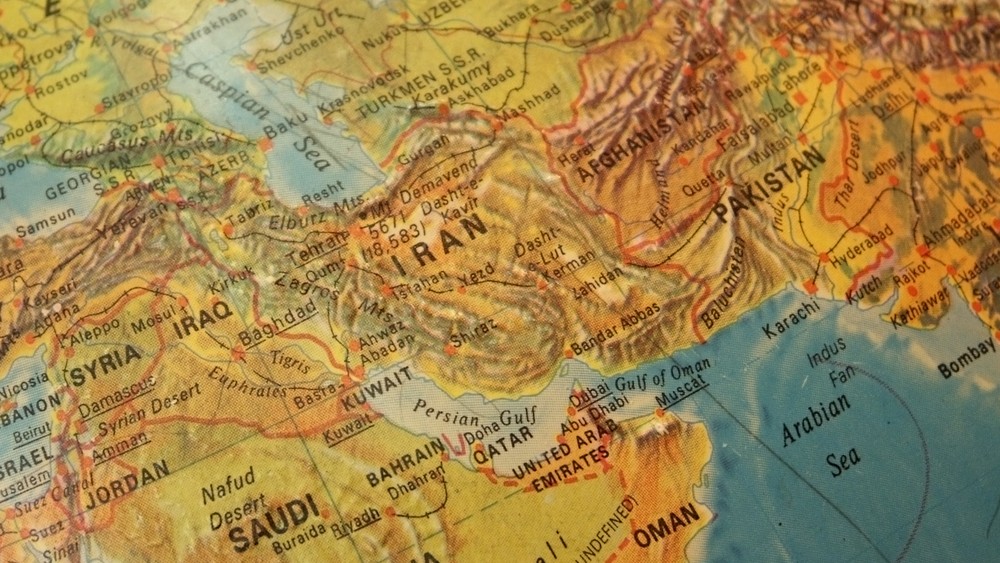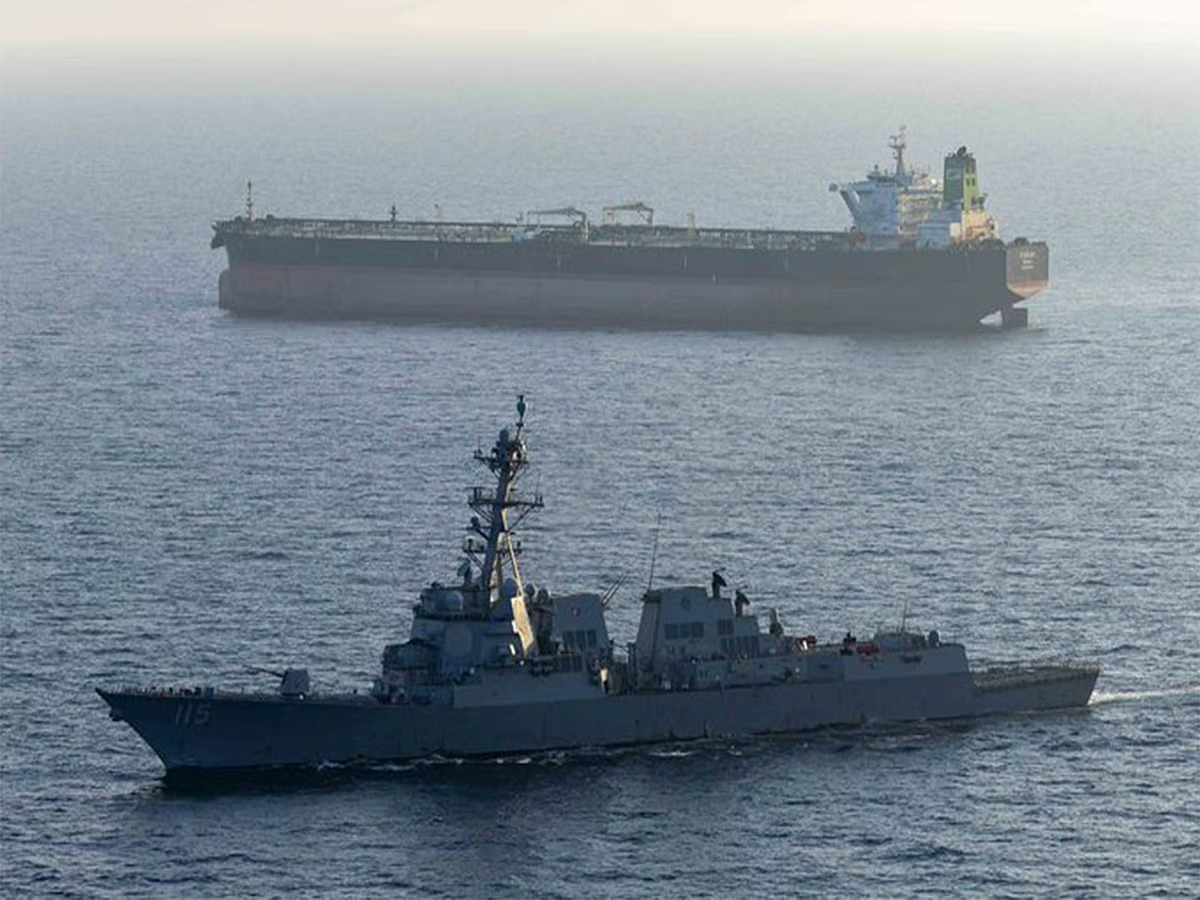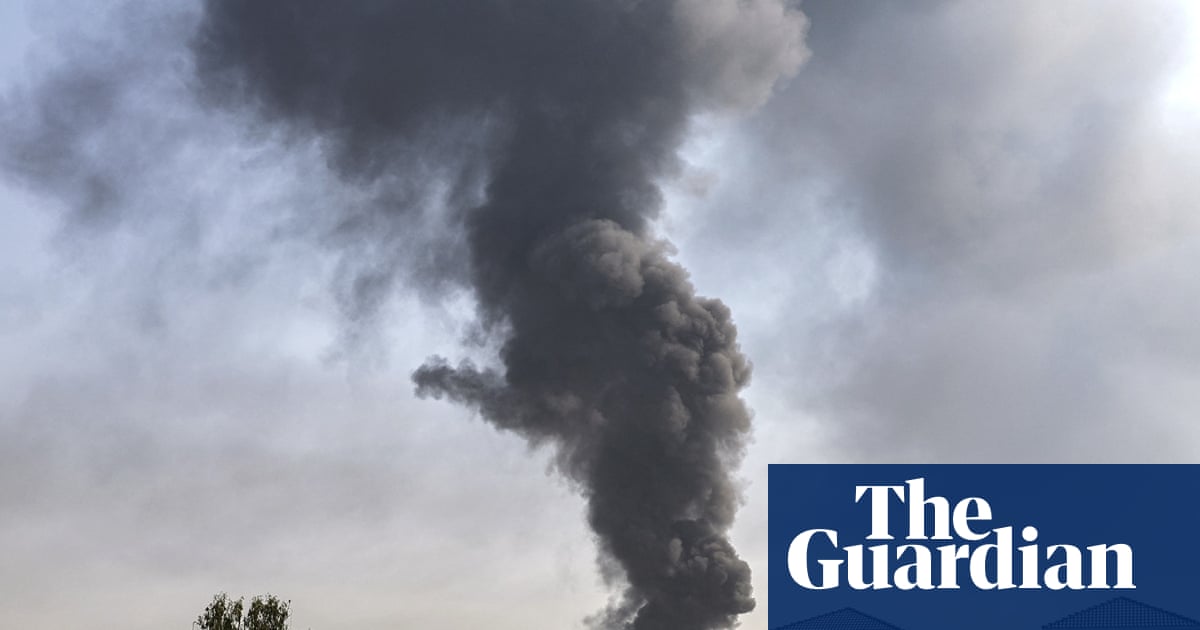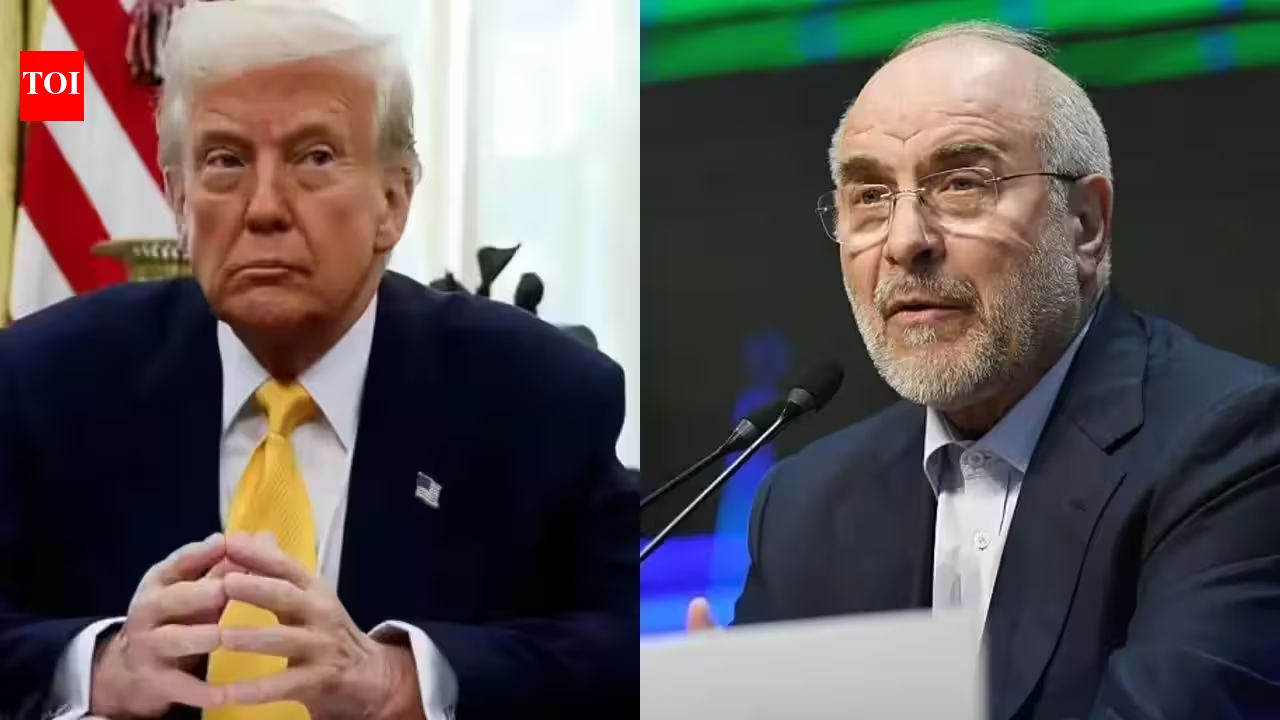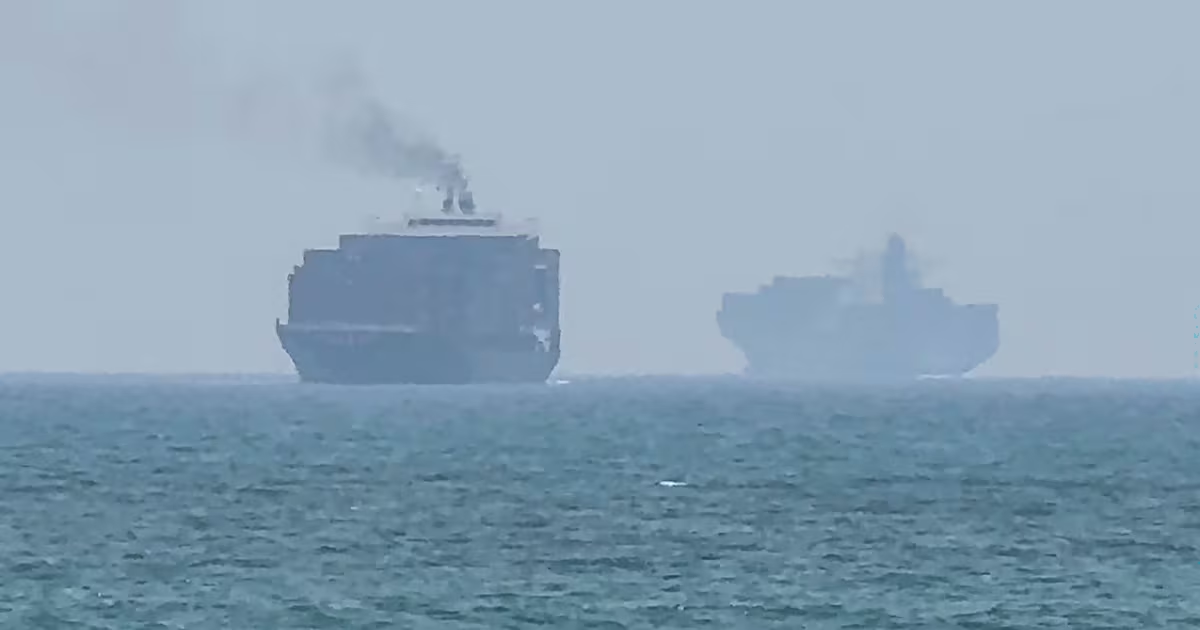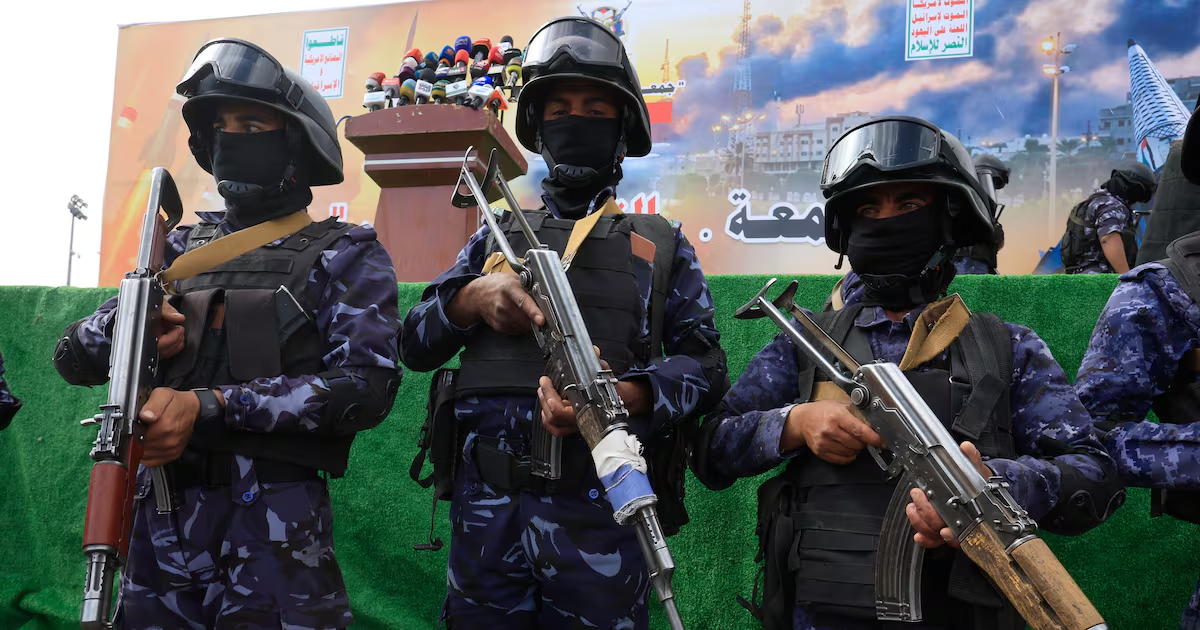
The US/Iran conflict has moved from notional ceasefire back to something approaching all-out war. For over ten days each side has exchanged escalating missile and drone attacks – Iranian targets have included US bases in friendly Gulf states, including hitting Saudi Arabia for the first time in months, Bahrain and Kuwait. It threatens a wider regional war that neither side can afford, politically or economically. Four US soldiers were killed over the weekend, while Tehran says 50-plus Iranians have died in attacks since the ceasefire collapsed. Both sides have hit the other’s tankers.Now Yemen’s Houthis – allies of Iran – have joined in again, threatening the critical Bab al-Mandeb Red Sea outlet for Saudi oil tankers, in retaliation for a Saudi attack last week.US president Donald Trump told Congress last week that the US was only involved in a “limited, measured” response to new Iranian attacks in the Strait of Hormuz, but that US forces remained prepared to take “further action, as necessary and appropriate.” But even Republicans are increasingly baulking at what they see as a further usurping of congressional prerogatives to authorise war, and the administration’s request for $76 billion in extra funding is facing a rough ride.The US determination to stop Iran from tolling ships passing through the strait and its renewal of the blockade on Iranian oil movements are having an impact. On Saturday, 268 prominent, and brave, Iranians, including academics, politicians, athletes, clerics and trade unionists, signed a “No to war” petition . While Tehran has demonstrated a remarkable ability to withstand the US bombing campaign, successfully hiding and rebuilding destroyed missile capabilities, the medium term effect of the tightening economic squeeze makes the regime more vulnerable.With the US apparently unwilling to escalate by putting boots on the ground, some see the gradual tightening of the economic screw as the only route to regime change in Iran. But it involves continued unpopular engagement in a war of attrition and the outcome is by no means certain. Senator John Curtis of Utah reminded fellow senators of historical precedent: “Congress just kept funding the Vietnam War even though there was never a declaration of war.”Diplomats say talks to de-escalate are continuing. Iranian officials told Reuters that mediators gave Iran a proposal for a 10-day-ceasefire. And US secretary of state, Marco Rubio, said at the weekend the US was still open to negotiations with Iran, but that “it has to be real”.It would appear, however, that restoring the ceasefire will depend for the US on Iran accepting its interpretation of the previous, ambiguous “memorandum of understanding”, and pledging the free and untolled passage of ships through the strait. At the moment, that looks unlikely.
The Irish Times view on the Gulf crisis: dangerous escalation
A wider regional war that neither side can afford is threatened
446 words~2 min read