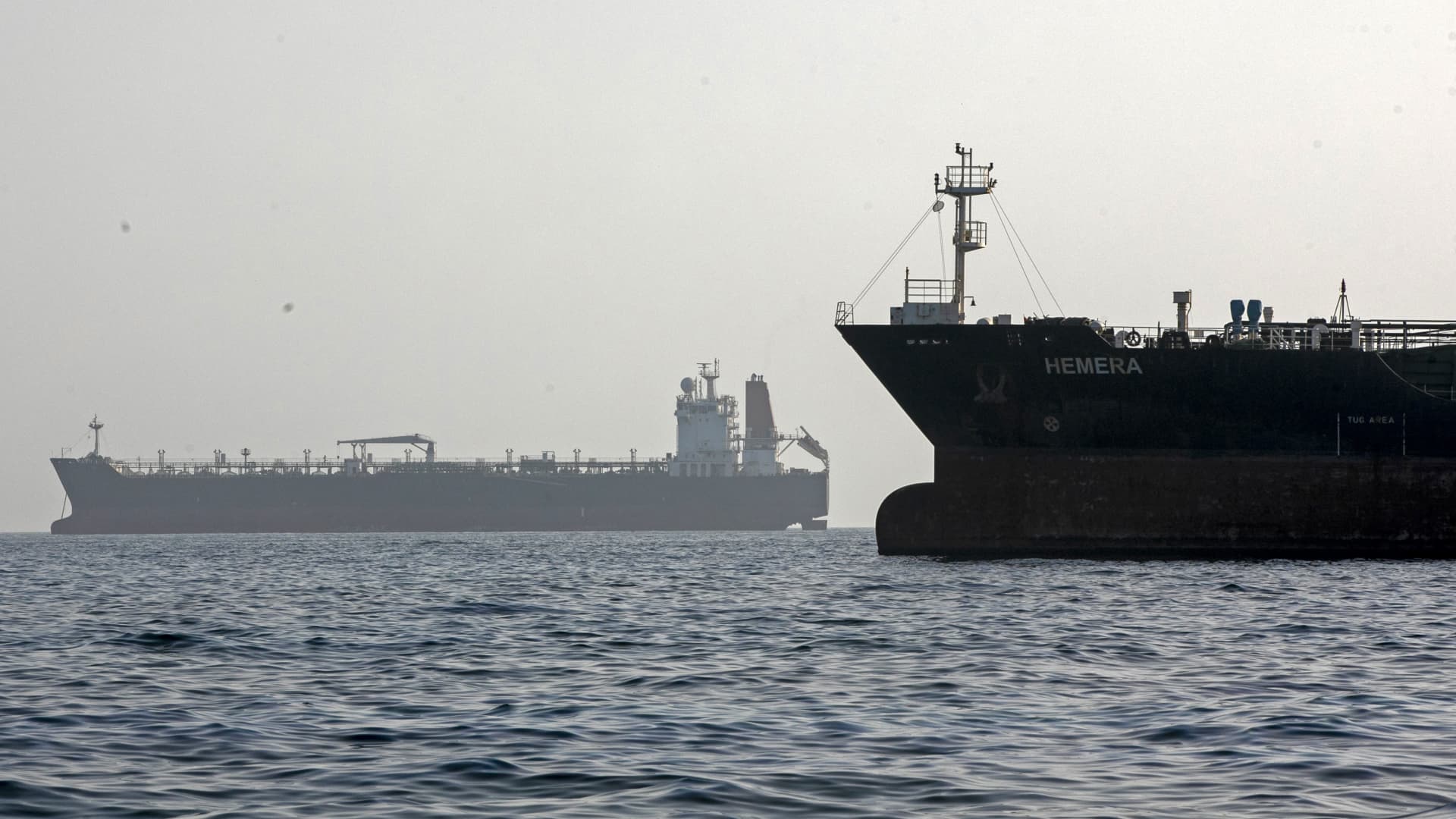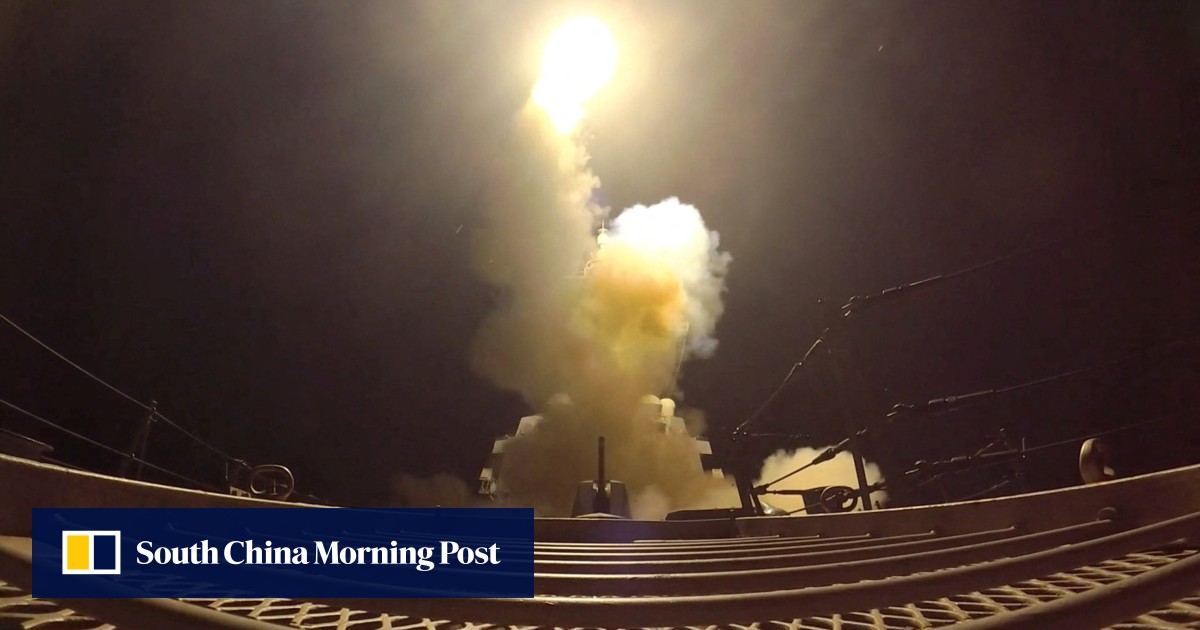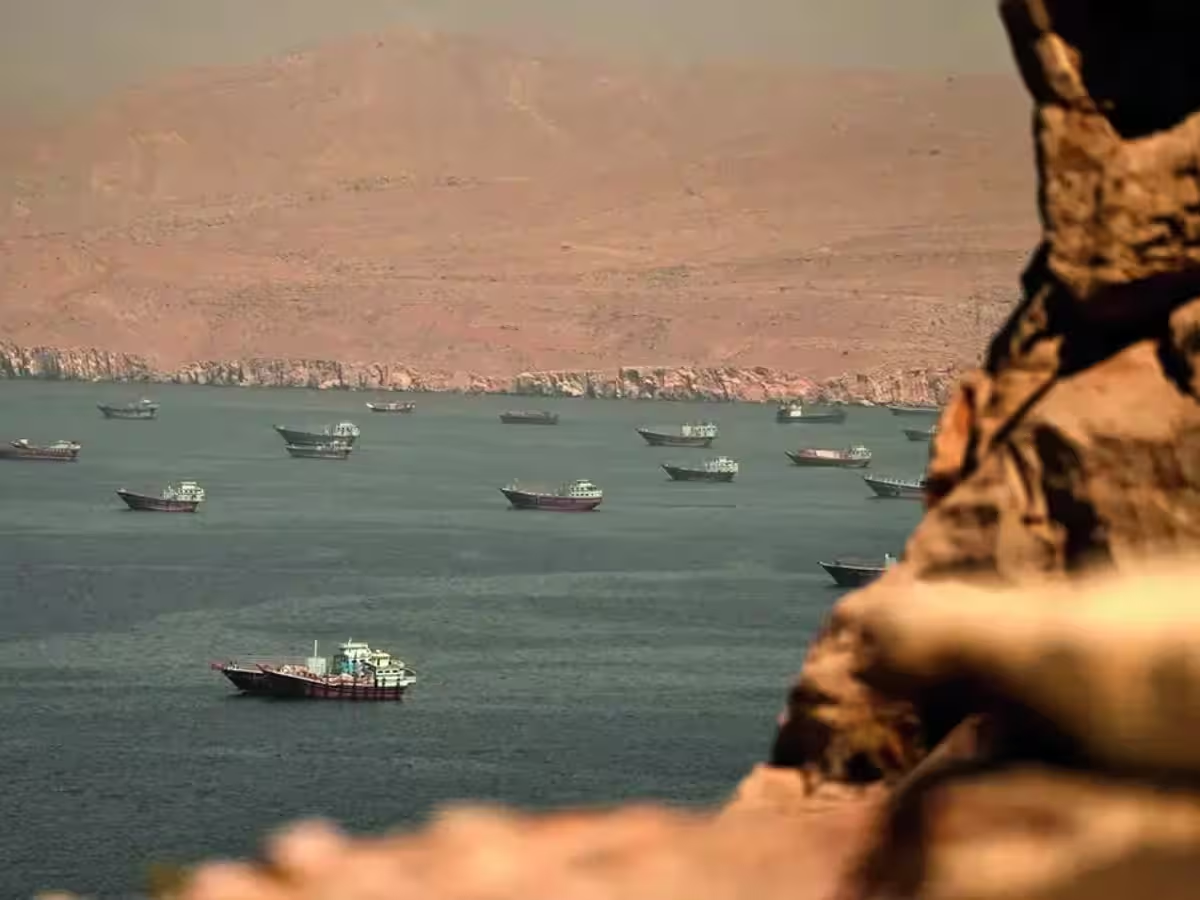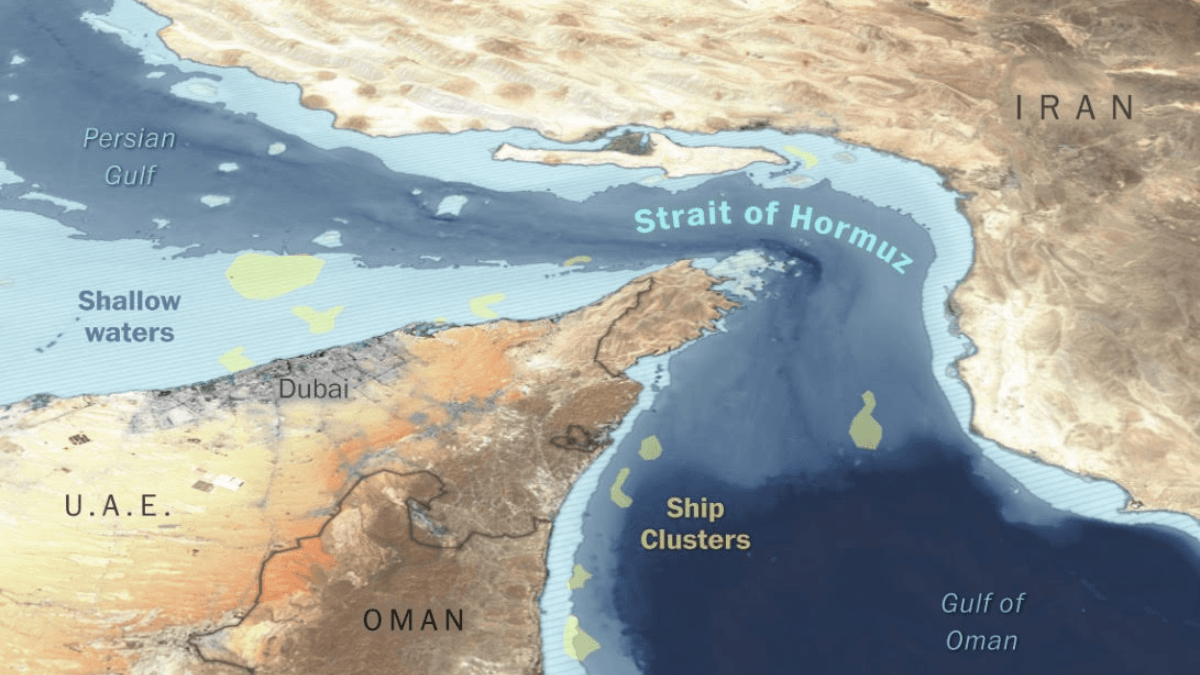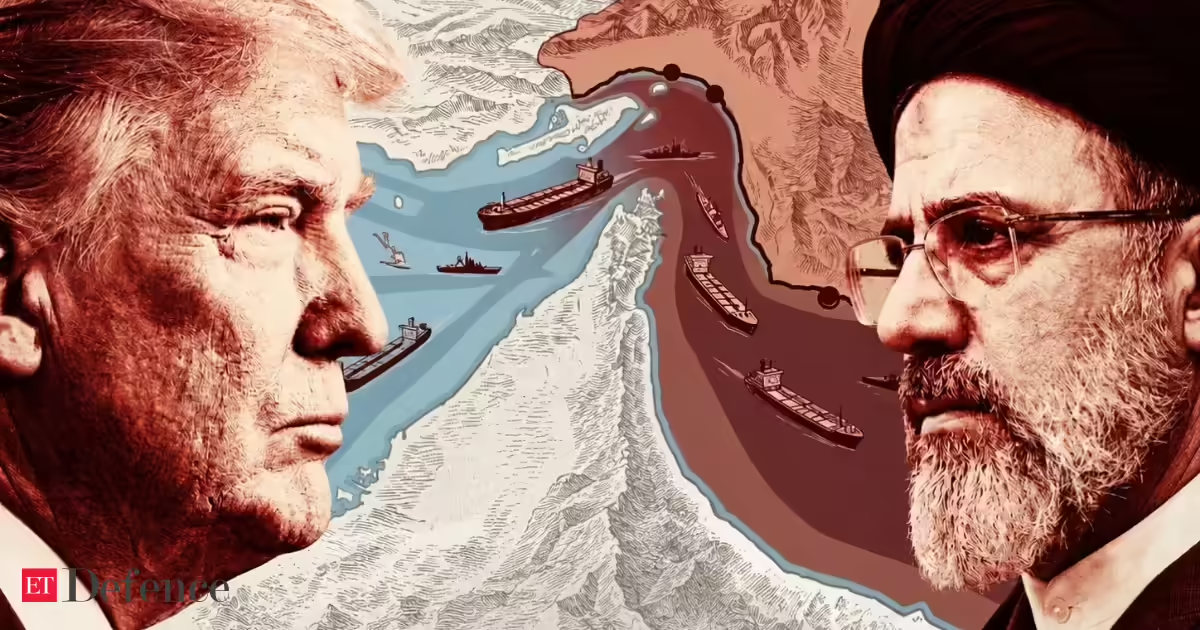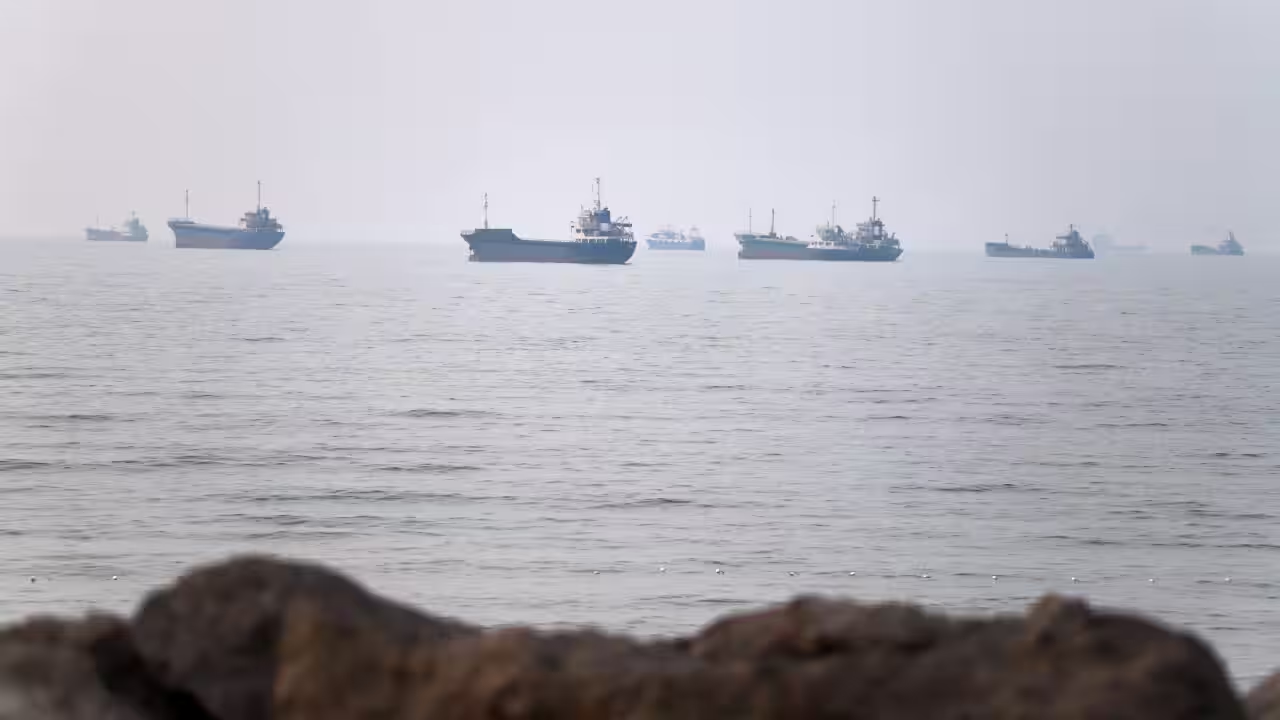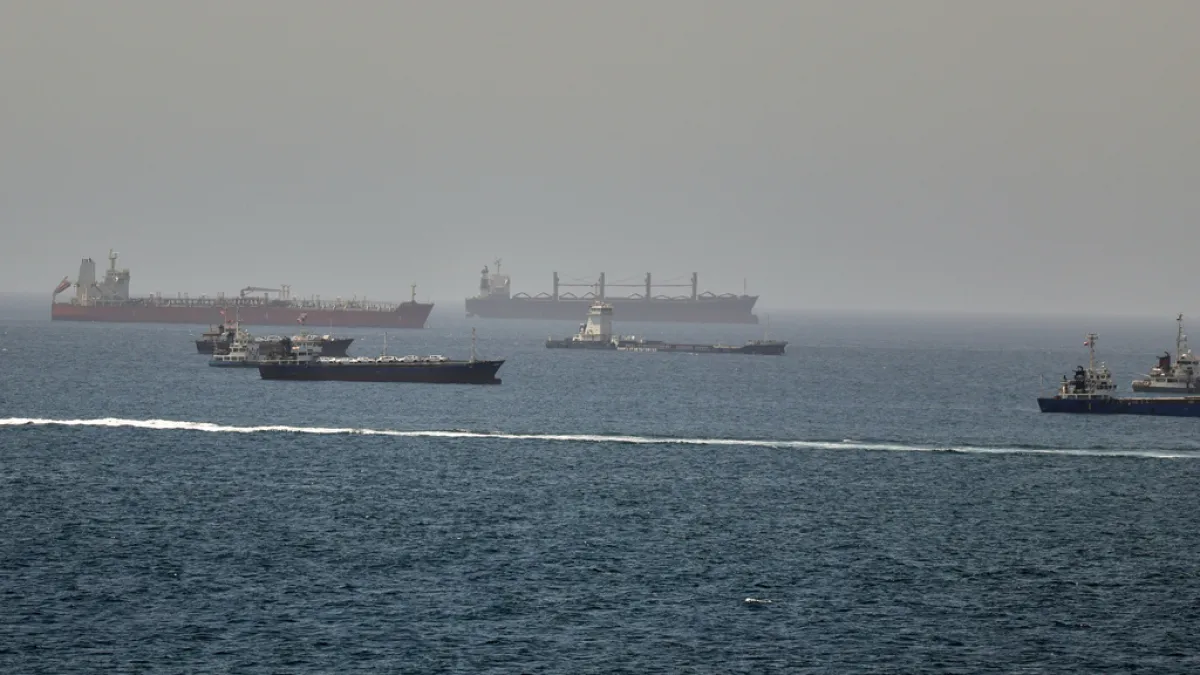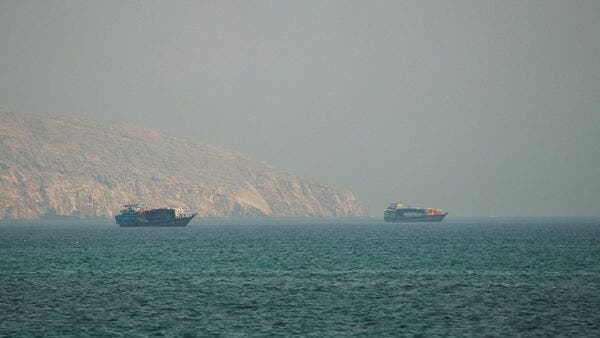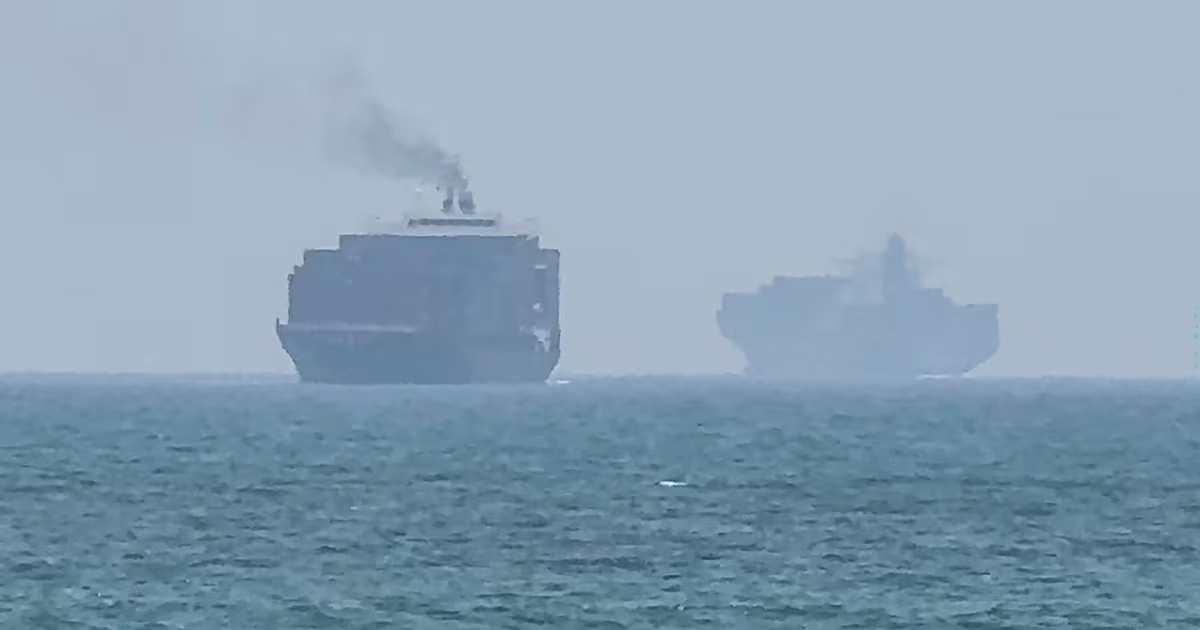
The Gulf ceasefire has broken down and tensions rose over the weekend. The US has reacted to Iranian action against ships moving through the Strait of Hormuz and on Sunday Iran responded by again targeting other Gulf states. Tehran declared the Strait of Hormuz as “ closed” though the US insists that ships is continuing to move.The ceasefire breakdown is neither complete, nor apparently irreversible, and with his usual confusing mix of over-optimism and sabre-rattling, US president Donald Trump has veered from saying he did not believe there would be a return to full-blown war to threatening to rein down missiles. Iranian threats to seek vengeance for the killing of former supreme leader, Ayatollah Ali Khamenei further raised the temperature.White House officials have said the US is ready to talk to Tehran if it publicly declares it will stop any attacks in the Strait of Hormuz. But Iran is loath to give up control. What we are seeing is, in effect, an example of Leon Trotsky’s formula at the Brest Litovsk peace talks in 1918 of “no war, no peace”, a half-way-house involving intermittent exchanges of bombs and rockets and the ongoing threat of an imminent return to all-out conflict .The current military exchanges revolve around one question , notably one far removed from the issues which supposedly triggered the initial US/Israeli assault on Iran, which were Iran’s weapons, its nuclear programme and its repressive regime. At issue is the extent to which the much-vaunted ceasefire agreement of June 17th opened the way for “ free” passage of oil tankers through the strait , and what rights Iran has to control this. Paragraph 5 reads: “Upon the signing of this memorandum of understanding, the Islamic Republic of Iran will make arrangements using its best efforts for the safe passage of commercial vessels, with no charge for 60 days only, from the Persian Gulf to the Sea of Oman, and vice versa.”Iran insists the agreement allows it to retain a degree of control – in Tehran’s view that includes the right to charge vessels passing through the strait, an issue that has as much to do with sovereignty as with generating much-needed revenue. Iran’s regime has demonstrated an ability to withstand all that the US has thrown at it, both economically and militarily. And both domestic political constraints on Trump over a war that is increasingly unpopular at home, and pressure from other Gulf states, make any new US strategy, like boots on the ground, inconceivable.So the Gulf is left trapped in a brutal limbo of “no war, no peace”. The weekend events show how the situation can quickly escalate. The prospects of an agreement to stabilise the region look poor, for now at least, and the risk of further sporadic conflict is all too real.
The Irish Times view on the US and Iran: neither war nor peace in the Gulf
The region is left trapped in a brutal limbo
465 words~2 min read