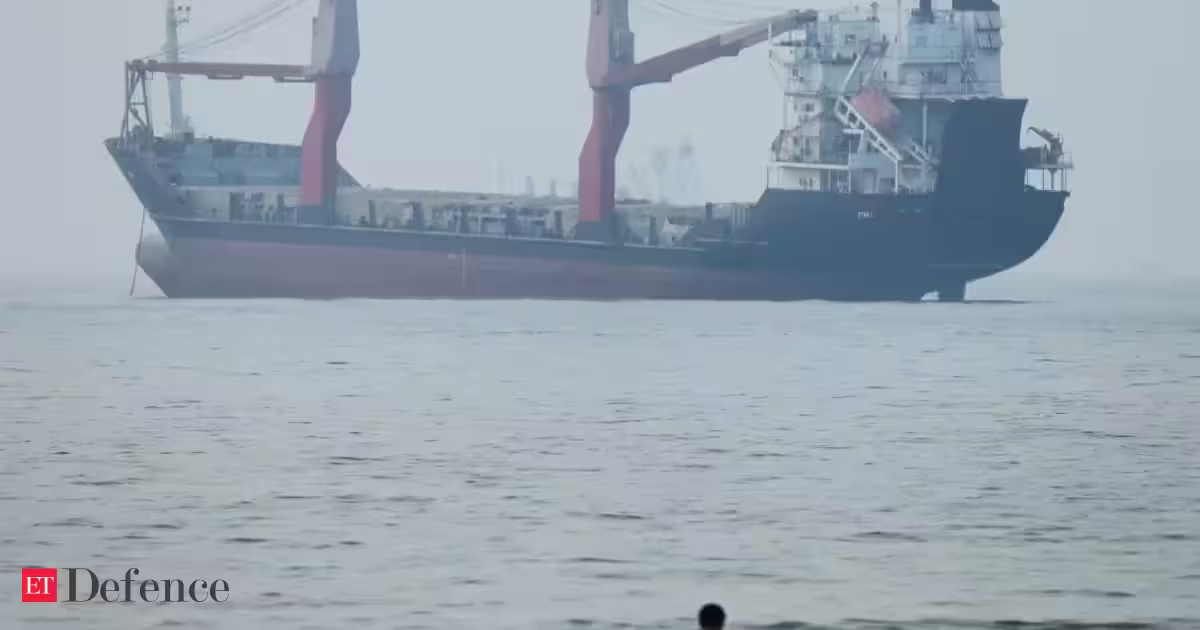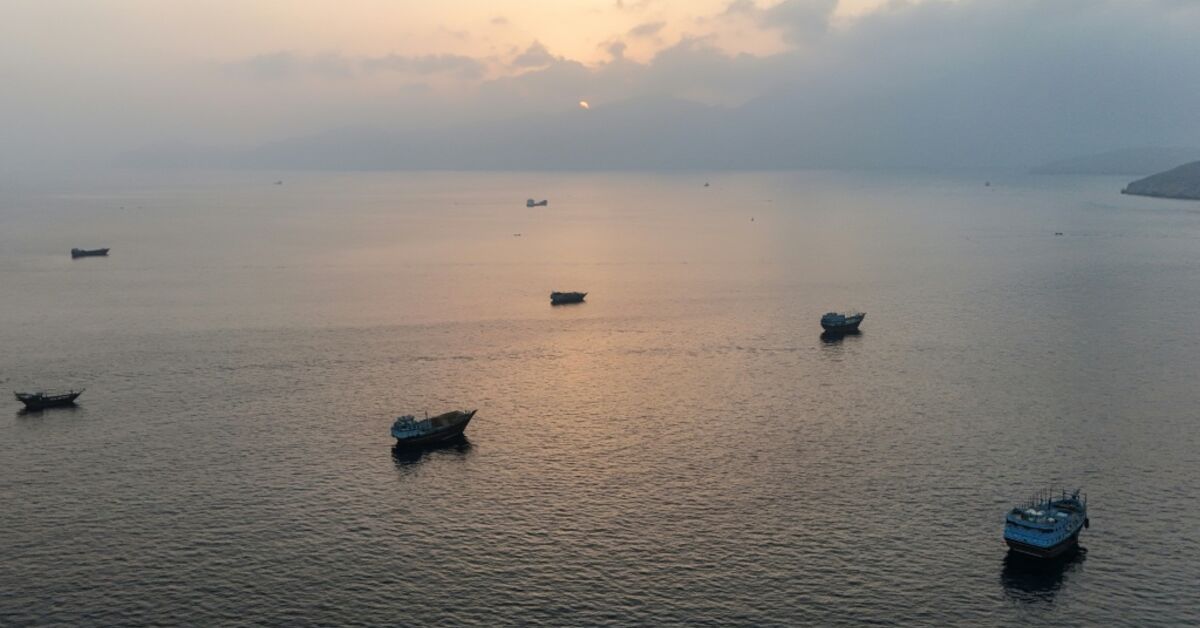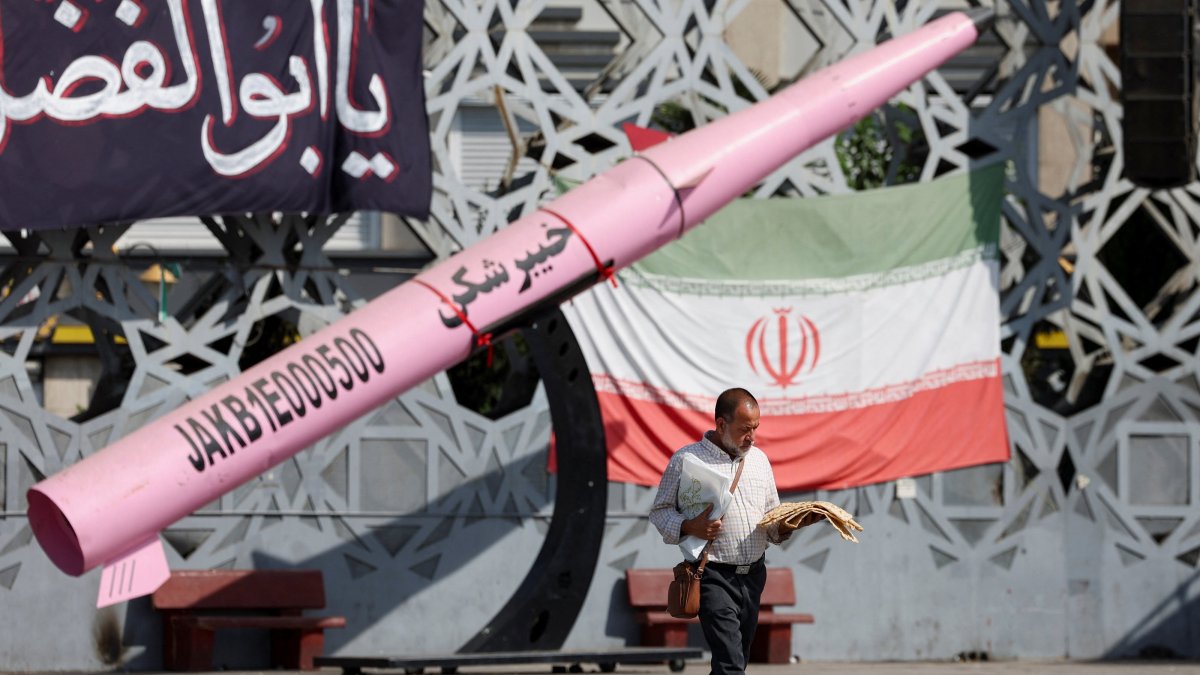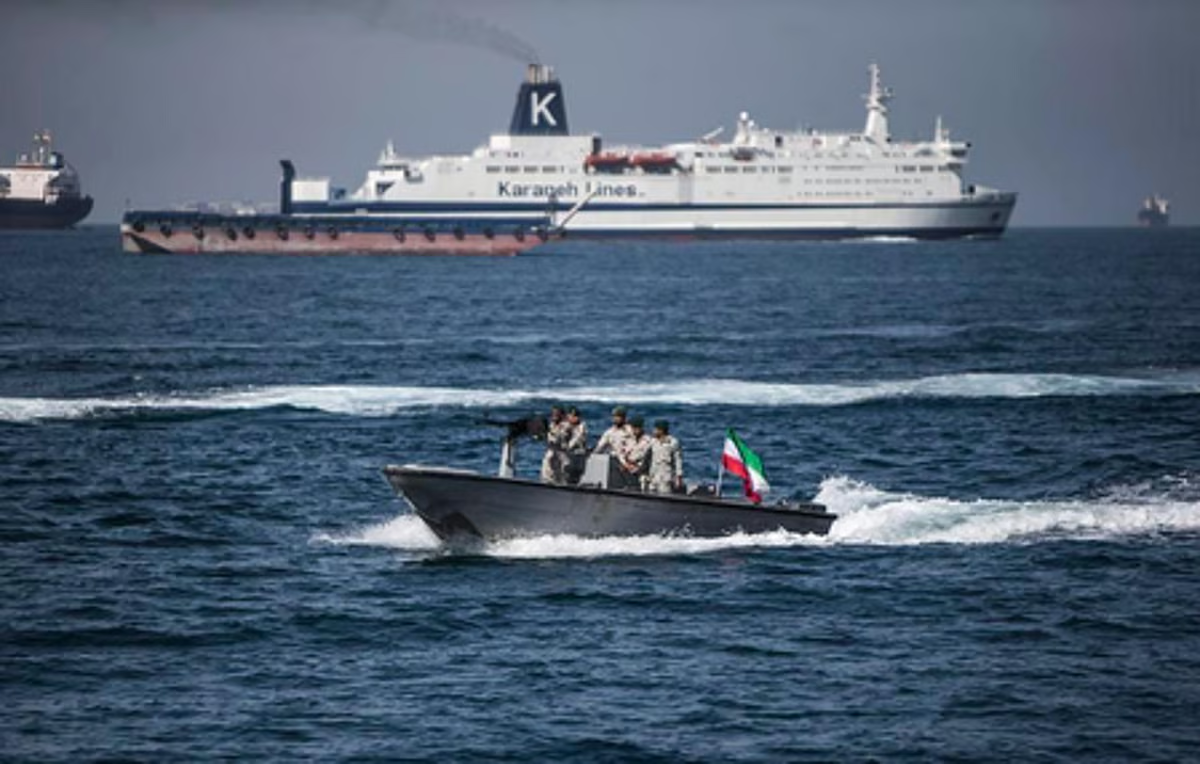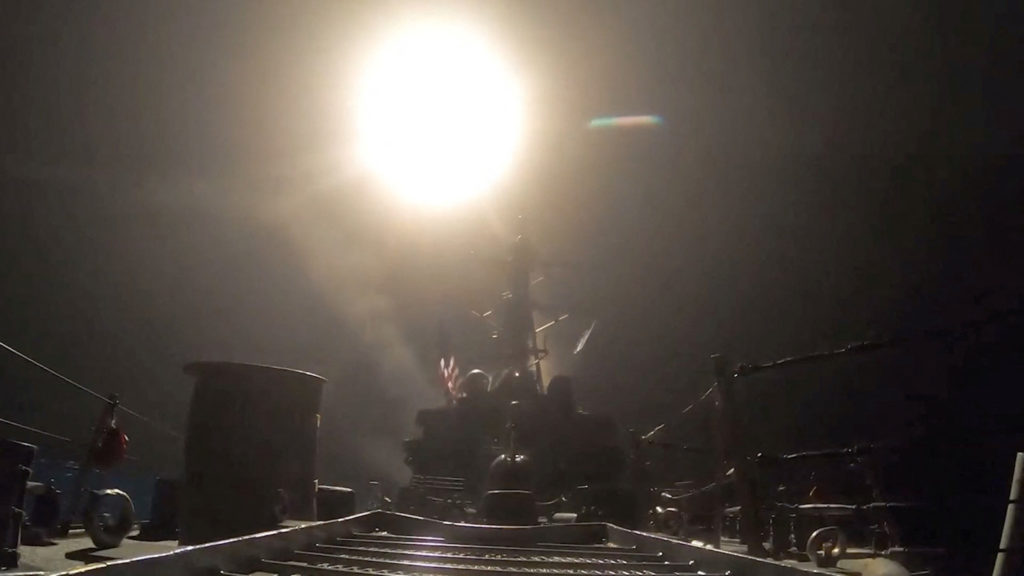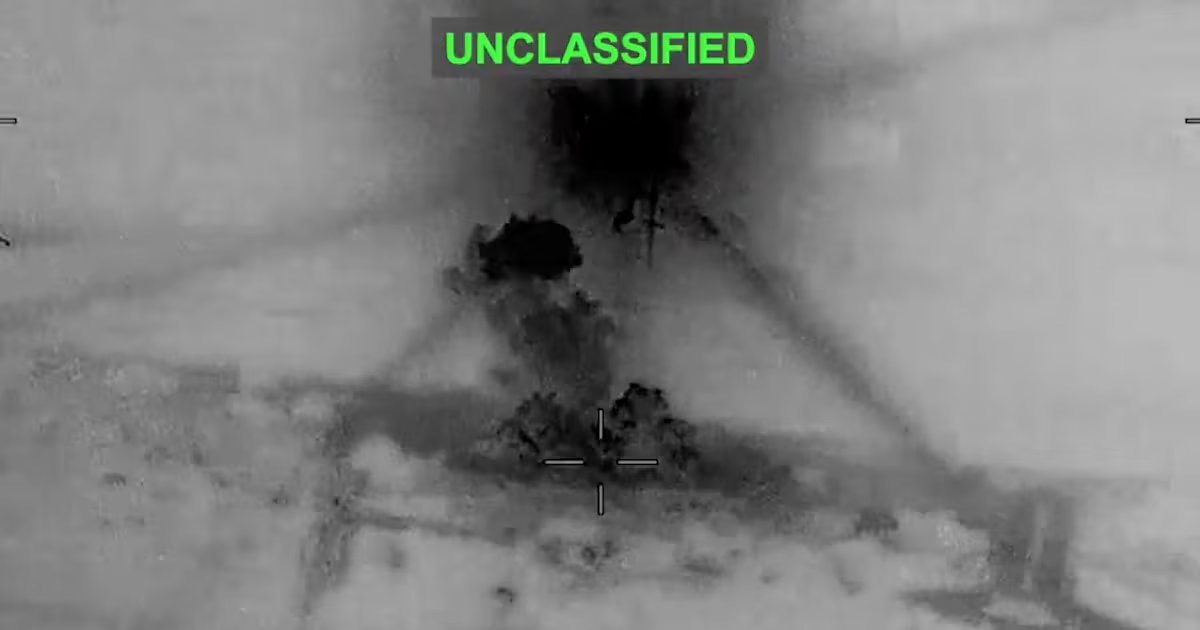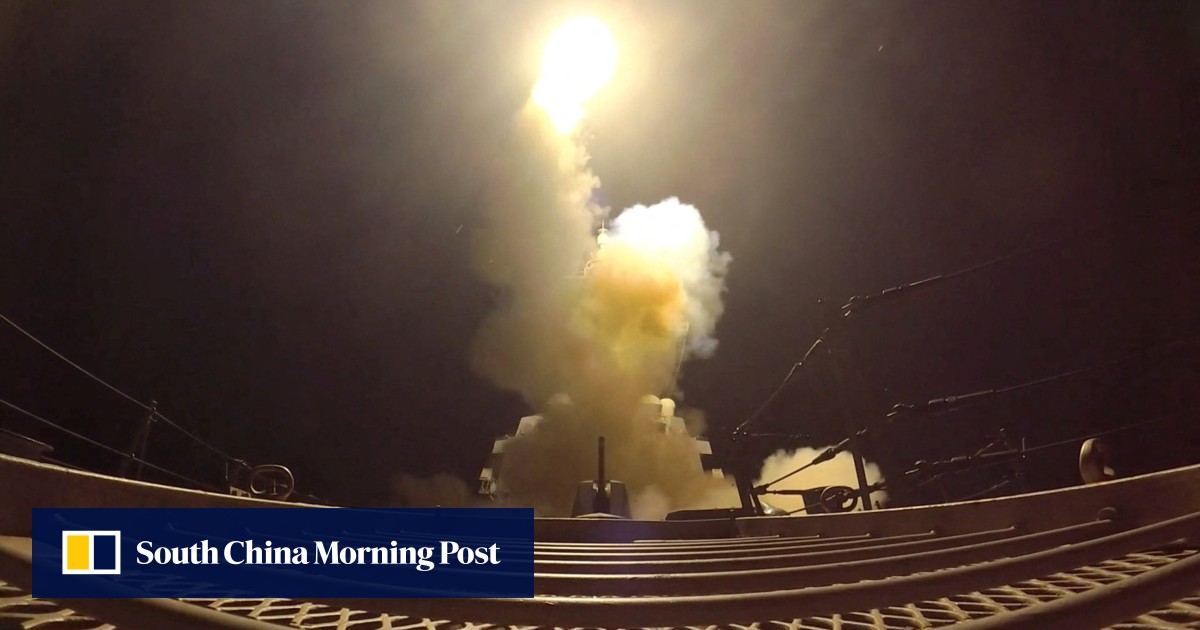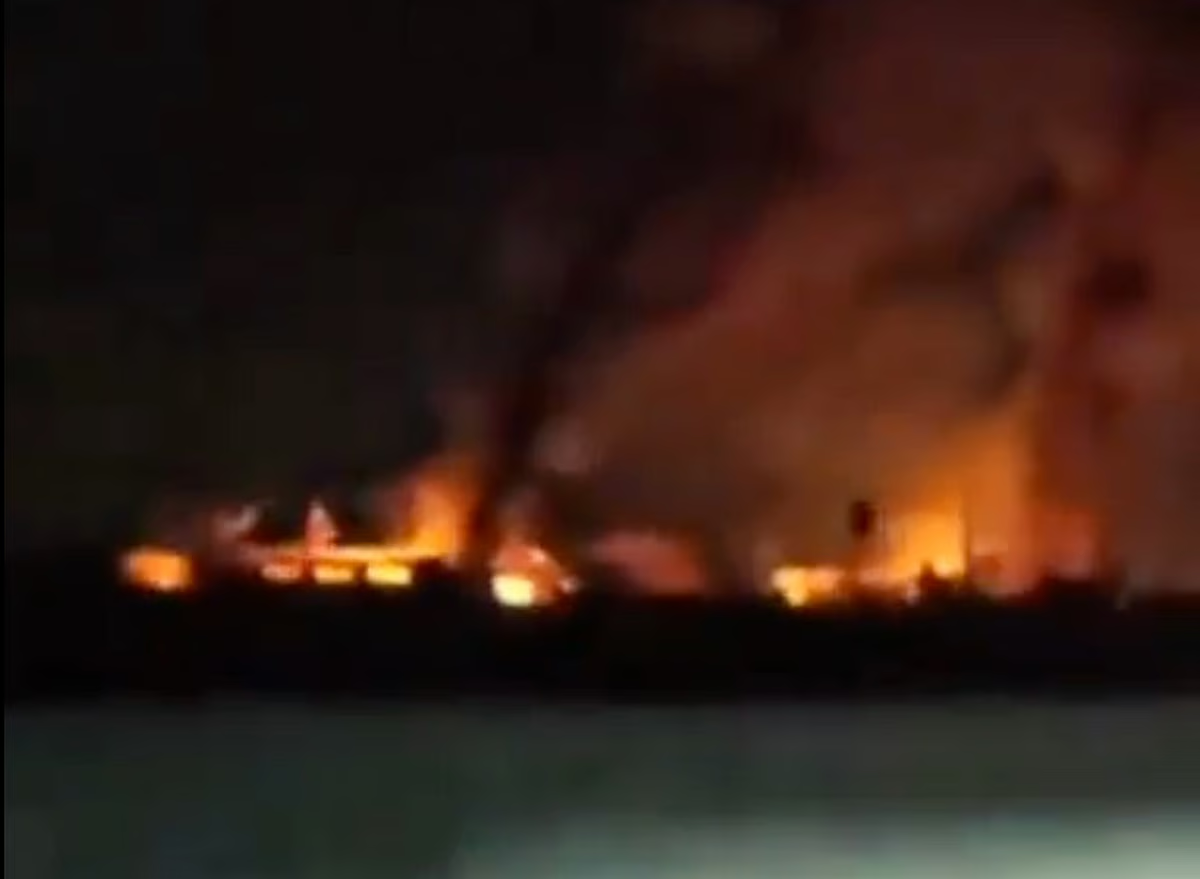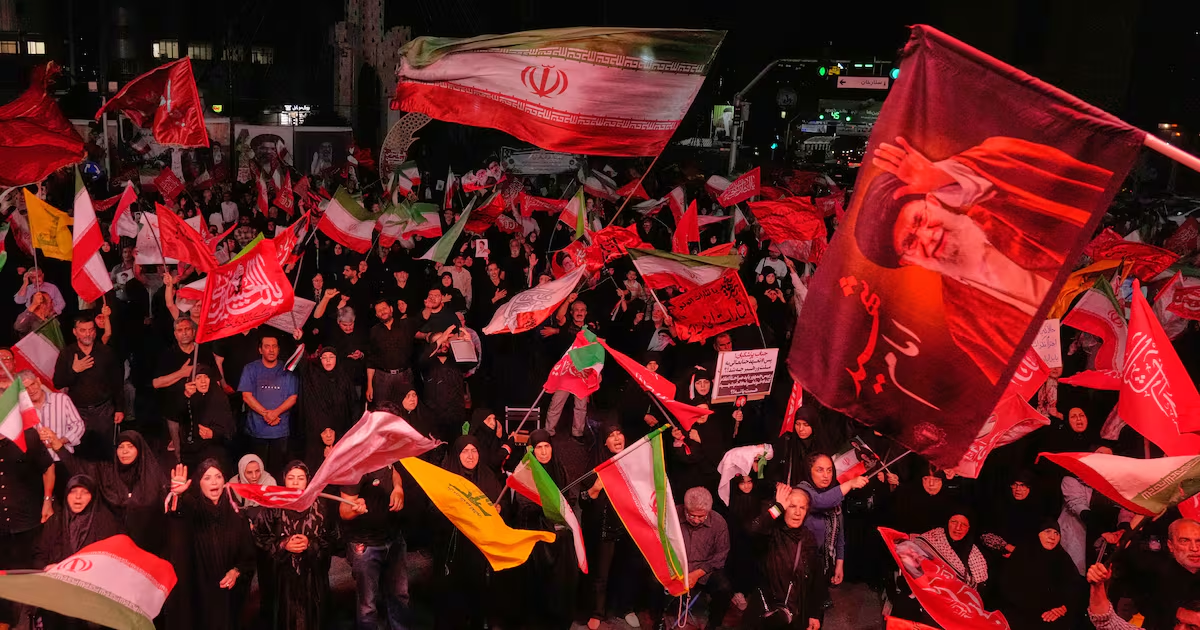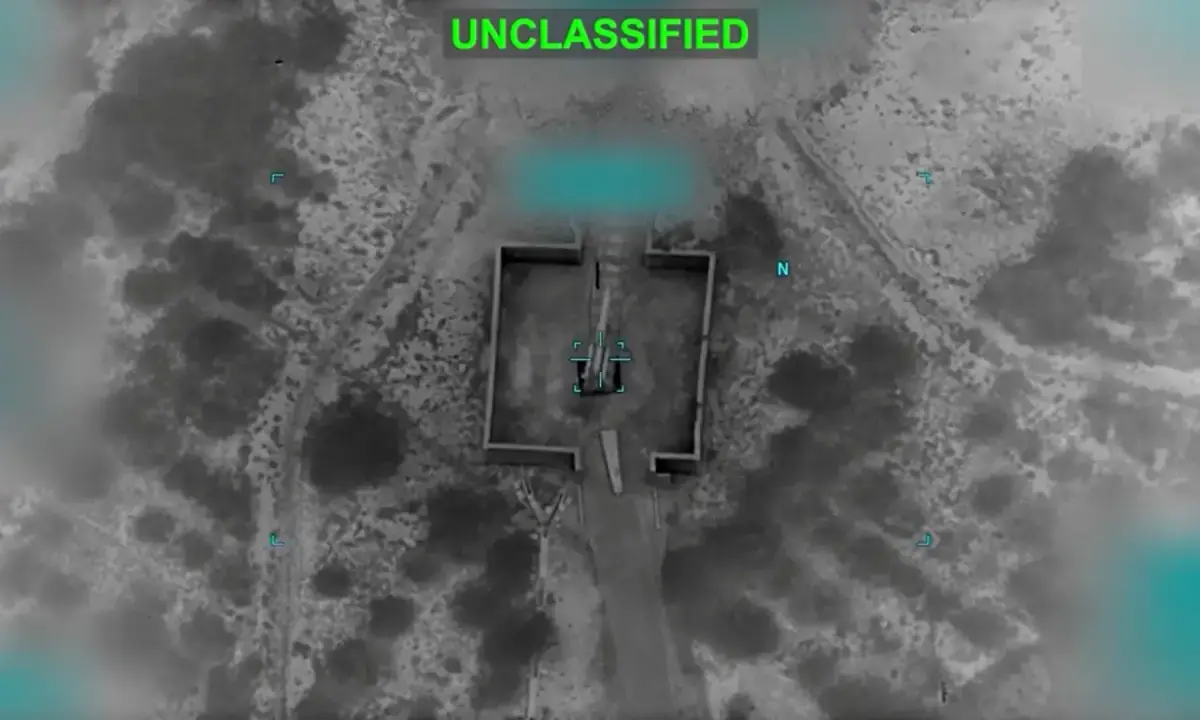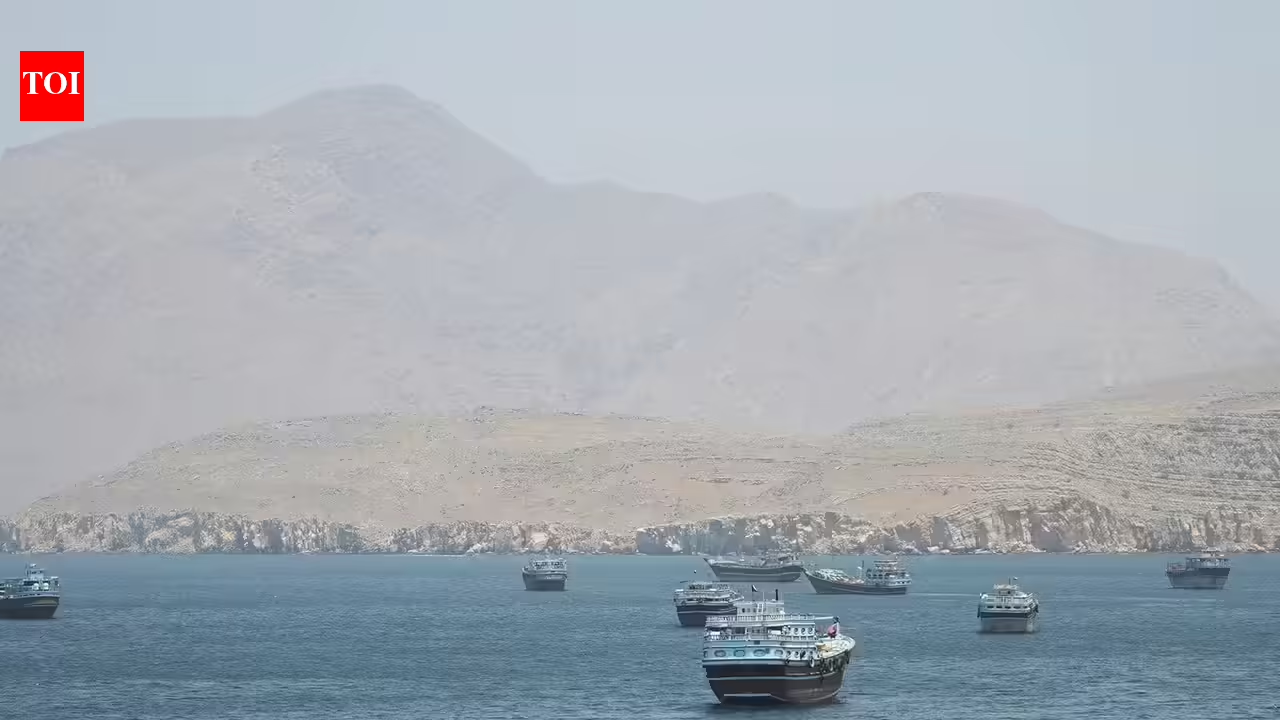
Following the attack on the container ship, Iran declared that the Strait of Hormuz would once again remain closed.The brief pause in fighting between the United States and Iran shattered effectively Sunday, plunging the Gulf back into the brink of a wider war as both sides unleashed fresh military strikes that rapidly spread across one of the world's most strategically important regions, inculding the Strait of Hormuz.The United States carried out a third round of strikes on Iran after accusing Tehran of attacking a commercial container ship in the Strait of Hormuz. In response, Iran announced that it had once again closed the strategic waterway, stepped up attacks on US military facilities across the Gulf and warned that any retaliation would invite a "severe response."The latest escalation follows days of tit-for-tat attacks that prompted US President Donald Trump to declare the ceasefire "over", even as he said Washington remained open to negotiations. While Iran insists the Strait of Hormuz is closed, US Central Command has maintained that commercial vessels continue to transit the route, which normally carries around one-fifth of global oil and liquefied natural gas shipments.The confrontation has since expanded beyond Iran, with Tehran claiming missile and drone strikes on US military facilities across several Gulf countries. The developments have intensified fears over global energy supplies, regional security and the future of negotiations between Washington and Tehran.Third wave of strikes after Hormuz ship attackThe latest round of fighting was triggered after Iran struck the Cyprus-flagged container ship M/V GFS Galaxy, accusing it of travelling through an "unauthorized route" in the Strait of Hormuz.US Central Command said the vessel suffered severe engine room damage and caught fire, leaving one civilian crew member missing. The crew later abandoned the ship and escaped in lifeboats, according to the United Kingdom Maritime Trade Operations.In response, the US military carried out its third round of strikes against Iran this week.US Central Command said American forces struck around 140 Iranian military targets on Saturday alone as part of a broader campaign targeting more than 300 sites over three nights."In response, the United States is imposing a heavy cost by continuing to degrade Iran's ability to attack civilian mariners and commercial ships freely transiting the strait," the US military said.US Defence Secretary Pete Hegseth also warned Tehran, writing on X, "Iran made a poor choice. Now they pay."Iran closes HormuzFollowing the attack on the container ship, Iran declared that the Strait of Hormuz would once again remain closed.Iranian authorities said several commercial vessels had ignored repeated warnings and attempted to use an "unauthorized route" through the strategic waterway.The Islamic Revolutionary Guard Corps announced that the Strait would remain shut until "the end of U.S. interference in this region."Iran also warned that any further retaliation by Washington would invite a "severe response."Although Tehran described the attack on the container ship as warning shots, the United States accused Iran of deliberately targeting a civilian commercial vessel.India condemns attack on vessel India strongly condemned the attack on the Cyprus-flagged container ship M/V GFS Galaxy, which was carrying 11 Indian nationals, calling the continued attacks on commercial shipping in the Middle East "deeply worrisome." The Ministry of External Affairs said 10 Indian crew members had been rescued, while one Indian national remained missing."Our Embassy in Oman is closely monitoring the situation and proactively coordinating with the Omani authorities in the ongoing search and rescue operation. We thank the Omani authorities for their support," MEA spokesperson Randhir Jaiswal said. Reiterating New Delhi's call for restraint, he added, "The continuing incidents of attacks on commercial shipping in the region are deeply worrisome. We reiterate our call for the immediate de-escalation of tensions, and the conclusion of ongoing negotiations for a diplomatic solution so that peace and stability can return to the region."Iran strikes Gulf regionHours after the latest US strikes, Iran announced a significant expansion of its military response across the Gulf. The Revolutionary Guards (IRGC) claimed they had destroyed a command and control centre and drone hangars at a military base in Jordan. Tehran also claimed to have targeted a US military radar installation in Kuwait, struck aircraft carrier support and refuelling facilities in Oman and attacked a fighter jet maintenance and command facility in Qatar.The Guards further claimed they had disabled a second commercial vessel in the Strait of Hormuz.Meanwhile, the United Arab Emirates said its air defence systems intercepted incoming Iranian missiles and drones. Air raid sirens were activated in Bahrain, while Qatar reported intercepting missile attacks and explosions were heard in Doha.Iranian state media also reported explosions in Bandar Abbas, Sirik, Jask, Qeshm Island and Khuzestan province.Hormuz blockade raises fearsThe Strait of Hormuz is one of the world's most strategically important shipping lanes, carrying around one-fifth of global seaborne oil and liquefied natural gas supplies before the conflict erupted.Its renewed closure has intensified concerns over global energy security.Oil prices have surged as markets fear prolonged disruption to supplies, raising the prospect of higher fuel costs, inflation and slower economic growth worldwide.The United States insists that commercial shipping must continue without restrictions and has repeatedly demanded that Iran publicly guarantee safe passage through the waterway.Iran, however, continues to argue that it has the right to regulate navigation and has indicated it intends to charge vessels using the route, a position Washington rejects.Diplomatic efforts continue despite mounting hostilitiesEven as fighting intensified, diplomatic contacts continued behind the scenes. Iranian foreign minister Abbas Araqchi met Omani counterpart Badr Albusaidi in Muscat to discuss maritime security and mechanisms to ensure safe navigation through the Strait of Hormuz.According to Iran's foreign ministry, both sides exchanged "views on appropriate mechanisms for the safe passage of ships through the Strait of Hormuz."Oman's state news agency said negotiations would continue "at the technical and political levels."However, Araqchi accused Washington of violating the earlier ceasefire arrangement."There can only be mutual compliance," he wrote on X.Iran's Parliament Speaker Mohammad Baqer Qalibaf also issued a warning to the United States."The era of one-sided deals is OVER. We told you: keep your word or pay the price. Reality is knocking."Khamenei's vow of revengeThe latest escalation unfolded as Iran's new Supreme Leader Ayatollah Mojtaba Khamenei issued a public message since succeeding his father, Ayatollah Ali Khamenei, who was killed during the opening phase of the conflict.In a written statement released during funeral ceremonies for the former leader, Khamenei vowed that Iran would retaliate."We pledge to avenge the blood of the martyred leader and all the martyrs," the statement said.In a separate message, he declared that revenge "is the will of our nation and must inevitably be carried out," adding that it would happen regardless of who remained in office.His remarks came hours after President Donald Trump warned that any attempt on his life would lead the United States to "completely decimate" Iran.The exchange of threats has further darkened prospects for a lasting settlement, even as mediators including Oman and Qatar continue efforts to bring both sides back to the negotiating table.
Middle East ceasefire dead as US bombs Iran again, Hormuz shuts and missiles fly over Gulf countries — top developments
The brief pause in fighting between the United States and Iran shattered effectively Sunday, plunging the Gulf back into the brink of a wider war as both sides unleashed fresh military strikes that rapidly spread across one of the world's most strategically important regions, inculding the Strait of Hormuz.
1,159 words~5 min read