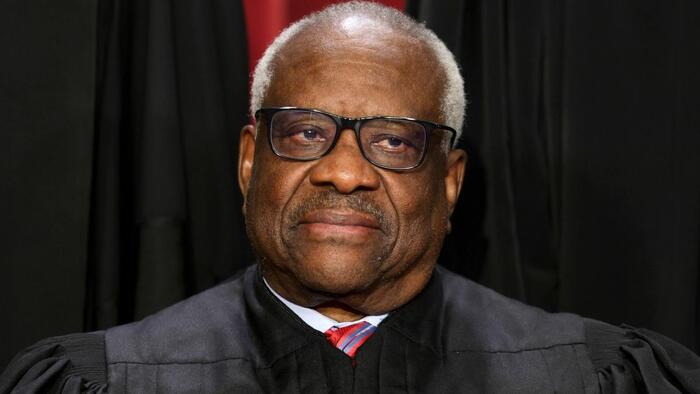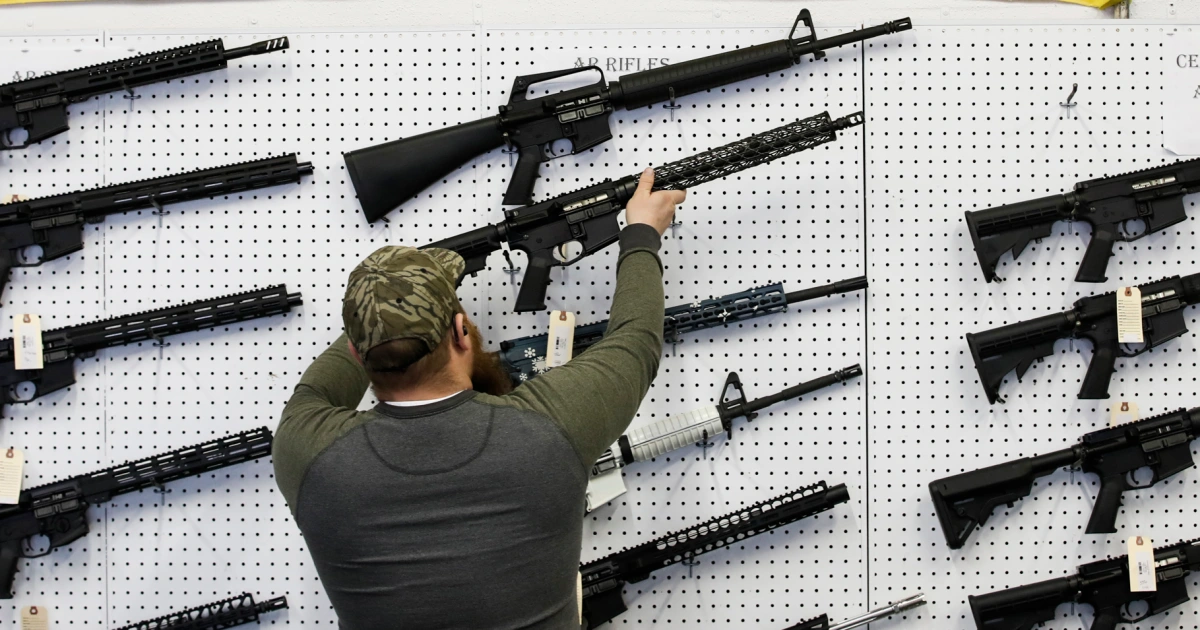
A federal appeals court will examine whether a federal law barring felons from possessing firearms exceeds the federal government’s authority under the commerce clause of the Constitution, taking up the case a month after Justice Clarence Thomas asked lower courts to explore the issue.The full U.S. Court of Appeals for the Fifth Circuit will hear a constitutional challenge to the federal statute, tossing out a ruling from a three-judge panel on the appeals court that had sided with federal prosecutors who charged Curtis Squire, a convicted drug trafficker, with violating the law. The three-judge panel had upheld the law under the Second Amendment, but when asking the full panel to look at the case, Squire’s lawyers pressed the appeals court to focus specifically on whether the law is an overreach under the commerce clause.“In a series of cases beginning with United States v. Lopez, the Supreme Court made clear that while the Commerce Clause permits regulation of economic activities that substantially affect interstate commerce, it does not authorize plenary federal regulation of noneconomic conduct, including mere firearm possession,” Squire’s lawyers wrote in the petition to the full Fifth Circuit. “As the Court explained, such limits on the commerce power are necessary to protect federalism and to prevent the federal government from exercising a general police power, which is strictly reserved for the States.
Fifth Circuit to decide if law barring felons from possessing guns is overreach
A court will examine if a law barring felons from possessing guns is an overreach of the federal government's power under the commerce clause.
648 words~3 min read