The Supreme Court Thursday curbed the power of the federal government to disarm a frequent marijuana user, limiting the scope of a law enacted during the 1960s to keep weapons out of the hands of Americans who regularly use drugs.
In an opinion written by Justice Neil Gorusch that had no dissent, the court ruled that the government’s prosecution was inconsistent with the Second Amendment.
“In many respects, this case is a narrow one,” Gorsuch wrote. “We do not address efforts to ban addicts or those presently intoxicated, from possessing a firearm. We do not address other prophylactic laws Congress might adopt after determining that users of a particular drug pose a special risk of misusing firearms.”
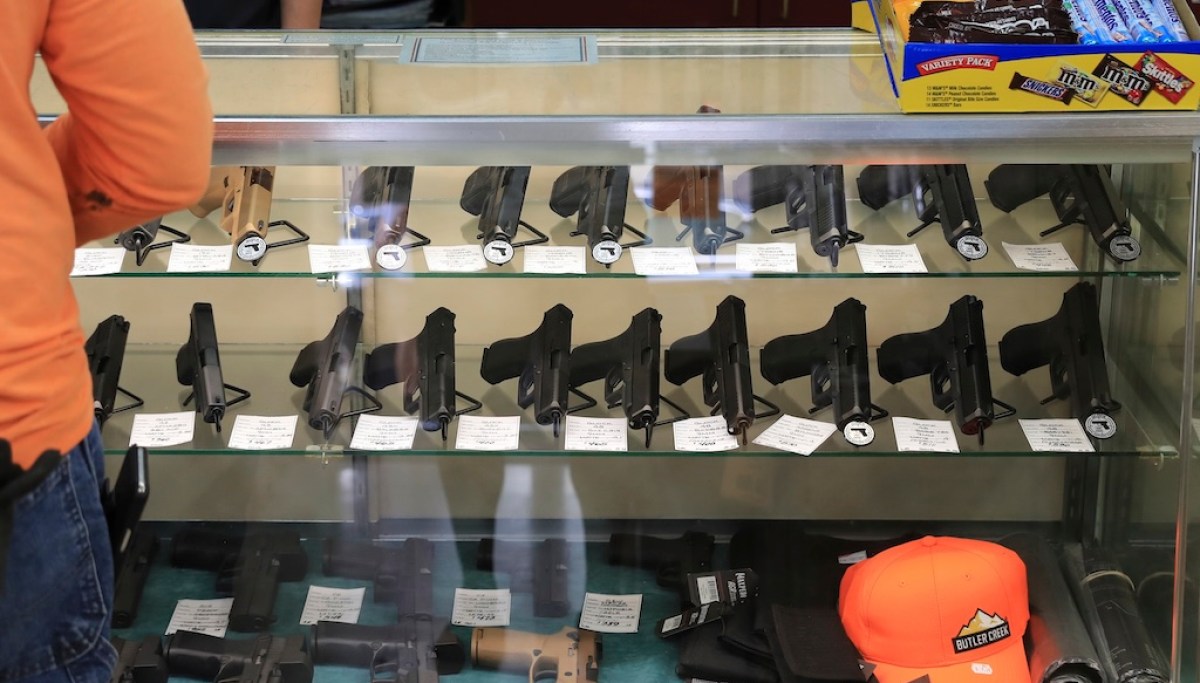
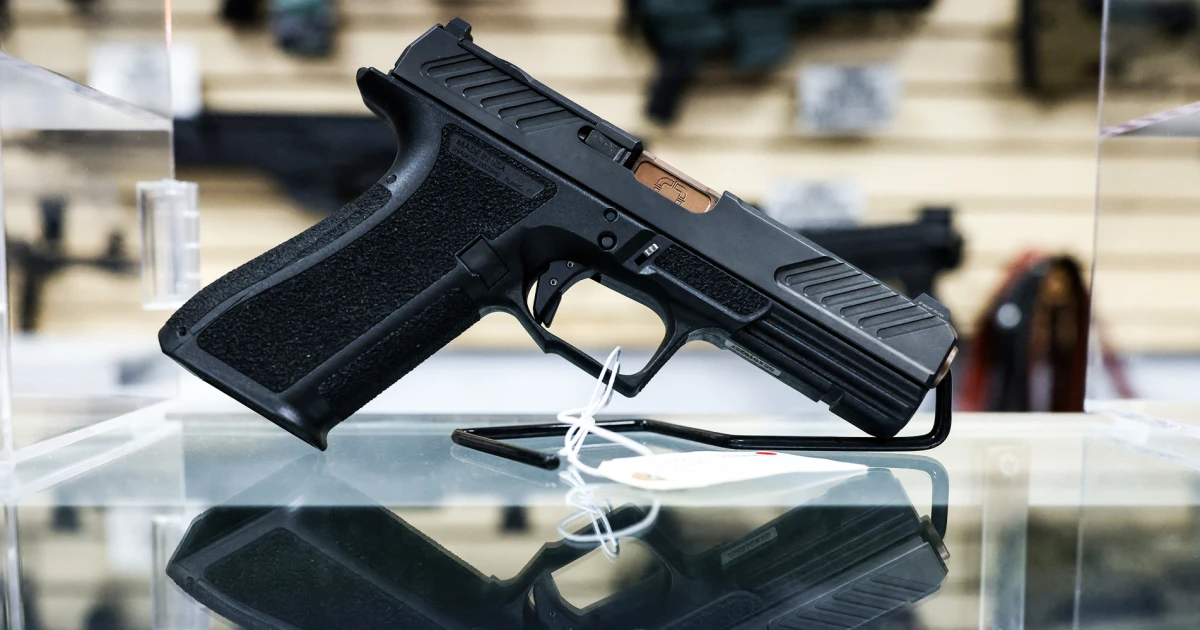
The case centered on Ali Danial Hemani, a dual citizen of the United States and Pakistan, who was indicted in 2023 on a single count of violating the federal anti-guns-and-drugs law. Though the Justice Department accused Hemani of many things — dealing drugs, using cocaine and sympathizing with Iran — his indictment followed an FBI search of his family’s home that turned up a Glock 9mm pistol and 60 grams of pot.
But the appeal was wrapped up in forces far greater than Hemani’s own circumstances, including the conservative Supreme Court’s push in recent years to weigh gun laws with an eye toward history. And the case reached the high court at a time of broadly shifting views on marijuana use: roughly half of US states have legalized small amounts of marijuana for recreational use and an even higher share of states allow the drug to be used medicinally.