This article is part of our coverage of the latest in AI research.
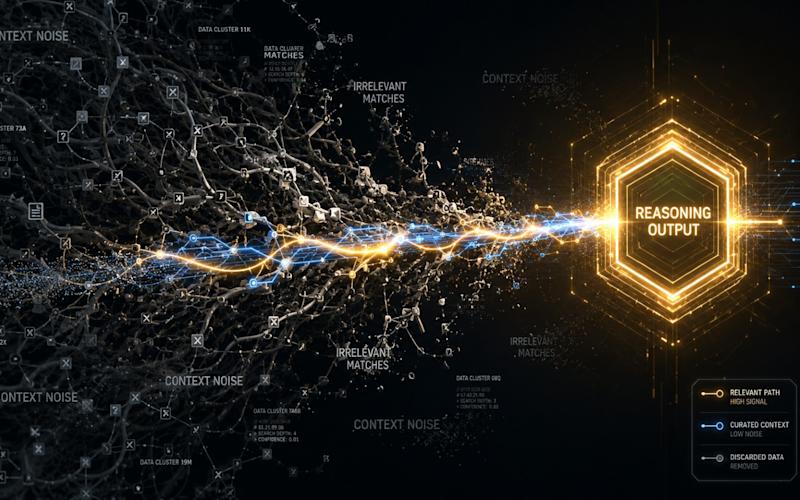
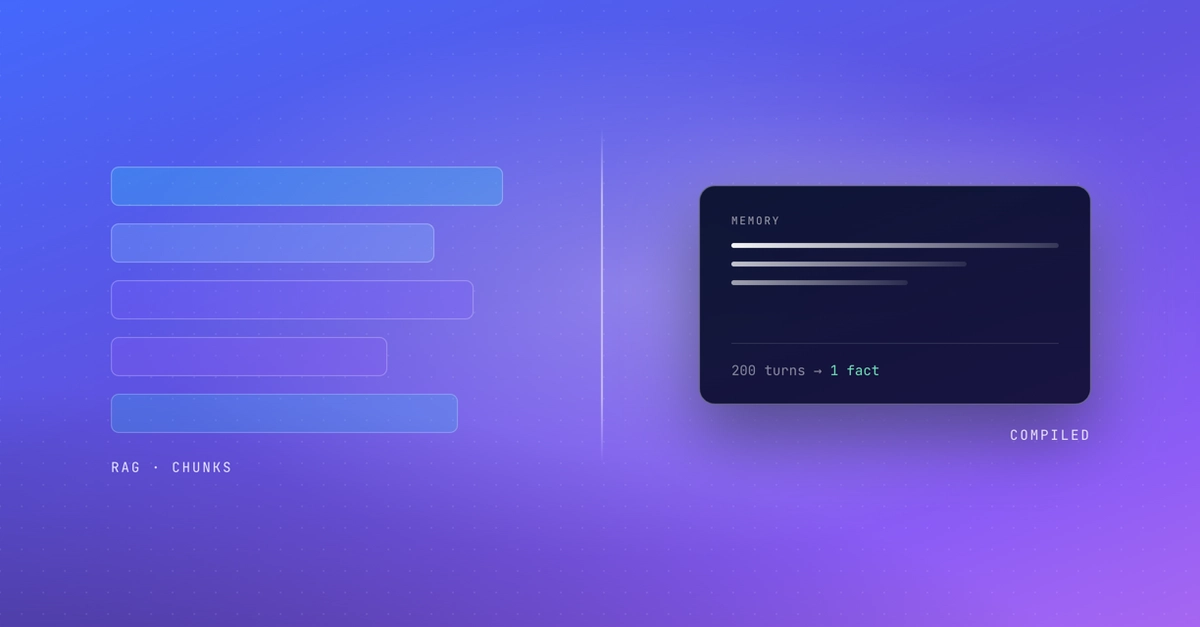
AI agents struggle to reason over long-term conversational histories because of limited context windows and rigid memory retrieval pipelines that create noise in the context.
To solve this, researchers at the National University of Singapore developed MRAgent, a framework that replaces the static “retrieve-then-reason” with an active memory reconstruction mechanism. MRAgent integrates the memory reconstruction into the LLM’s reasoning process and enables the agent to gradually develop its memory based on accumulating evidence and experience.
Experiments show that MRAgent is highly accurate and resource-efficient for real-world applications. It achieves up to a 23% performance improvement on complex reasoning tasks. It also drastically reduces prompt token consumption (dropping from 632k to 118k) and runtime costs, paving the way for more reliable and context-aware AI agents that can scale to use cases with long-term interactions.
The limits of passive retrieval