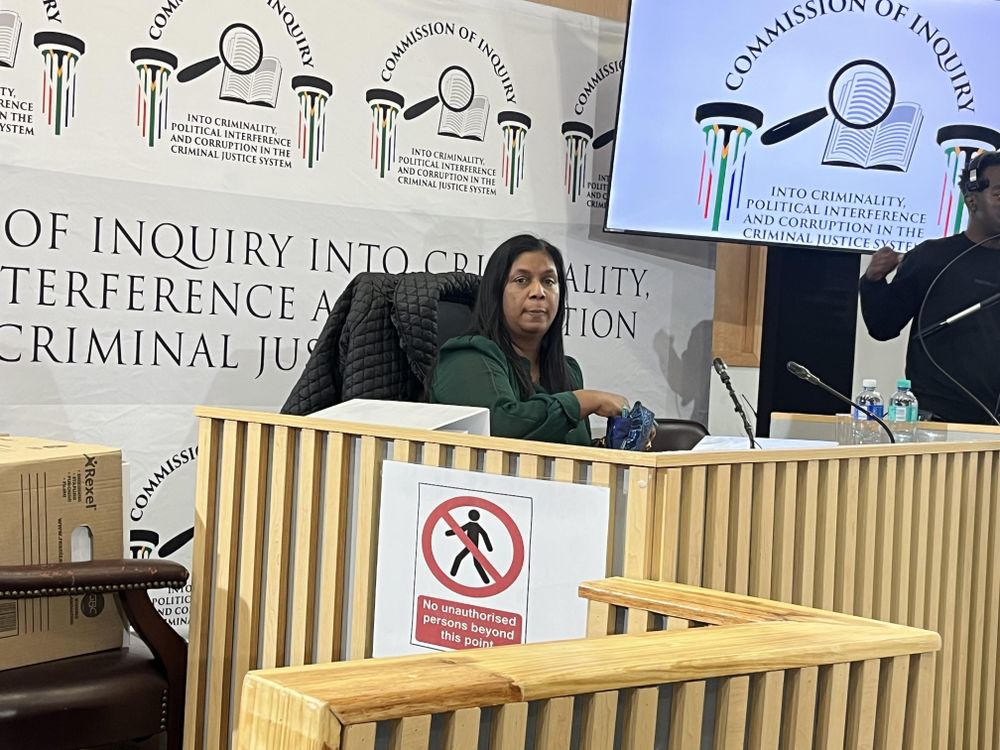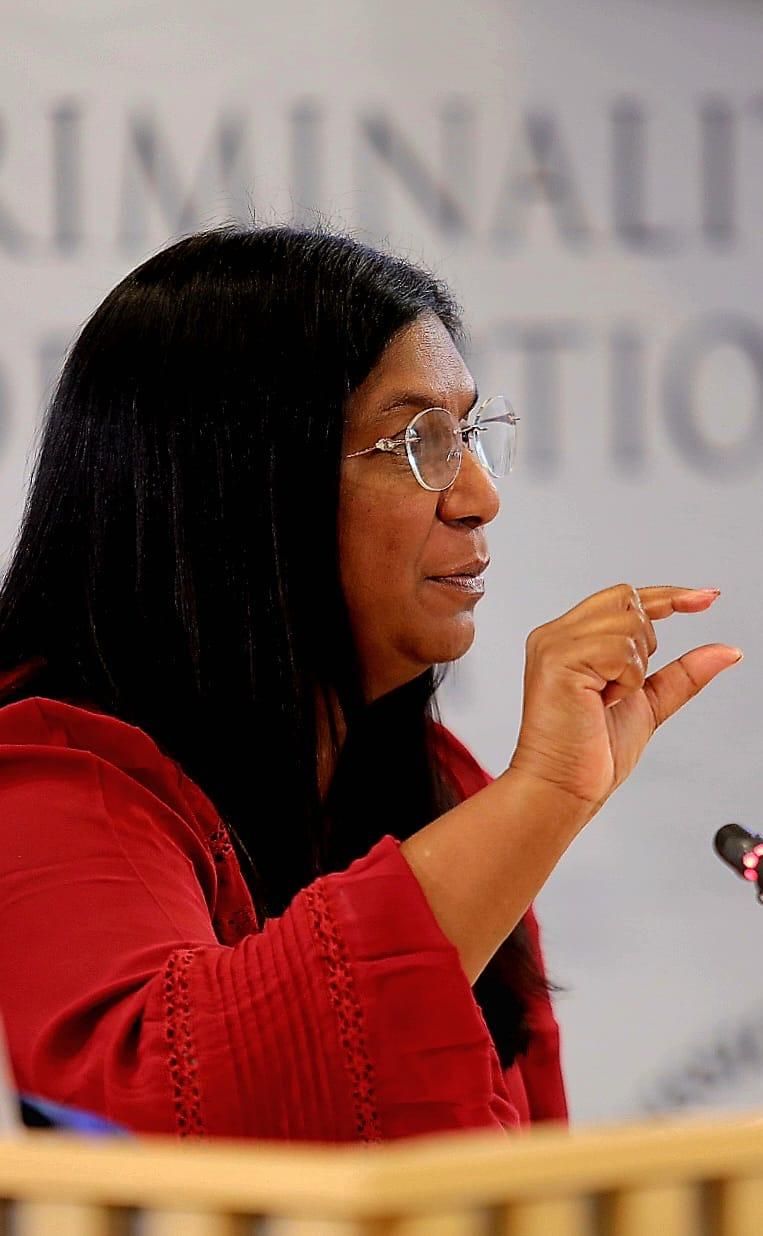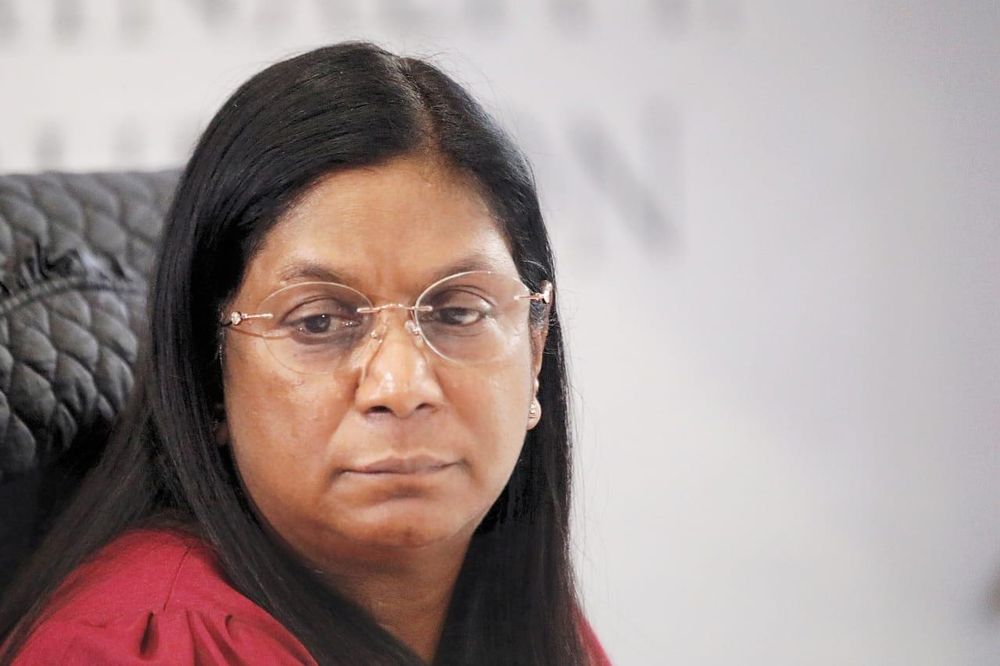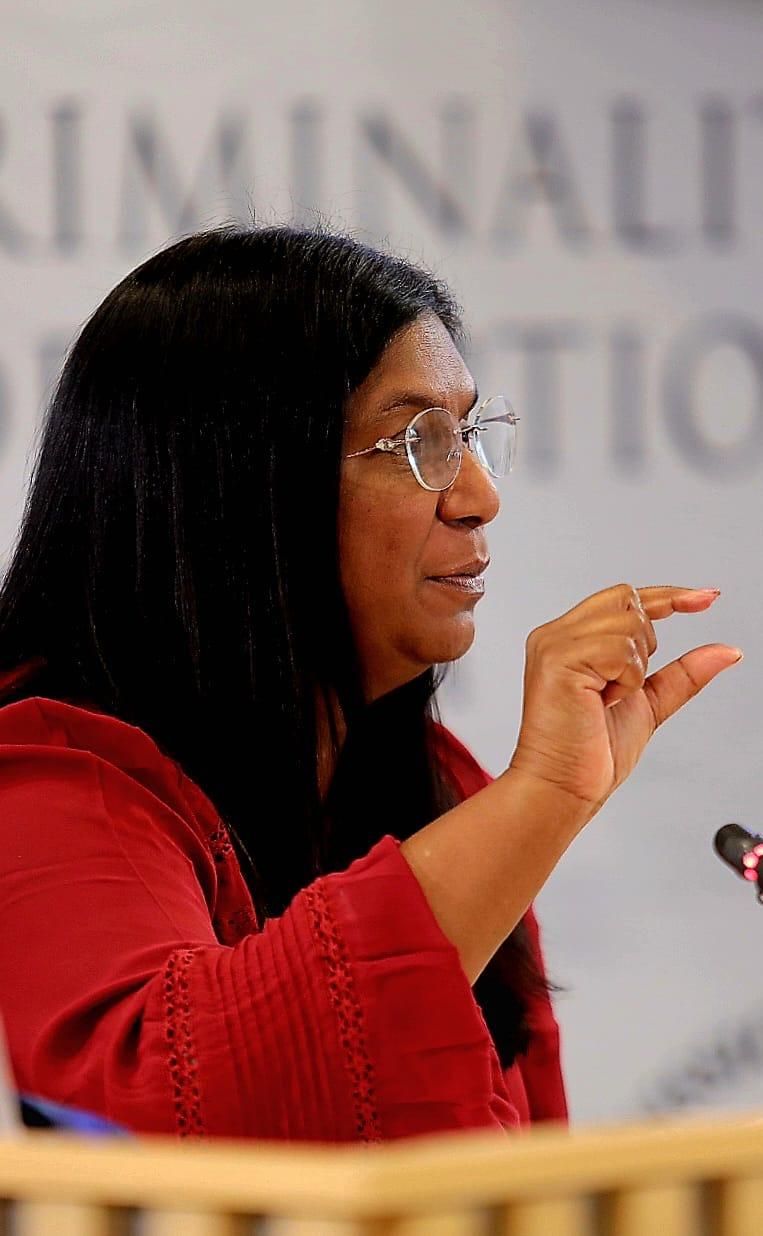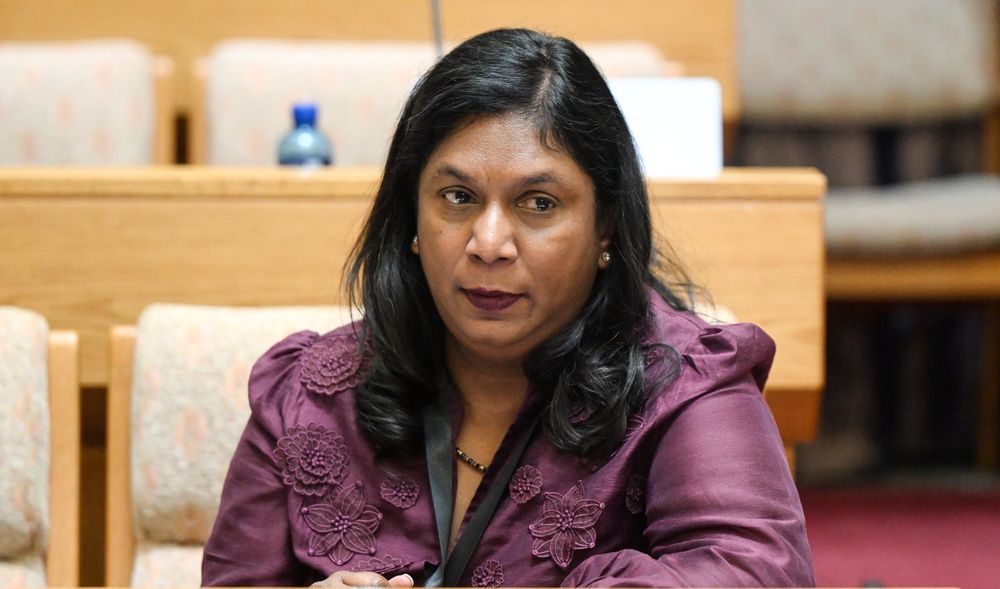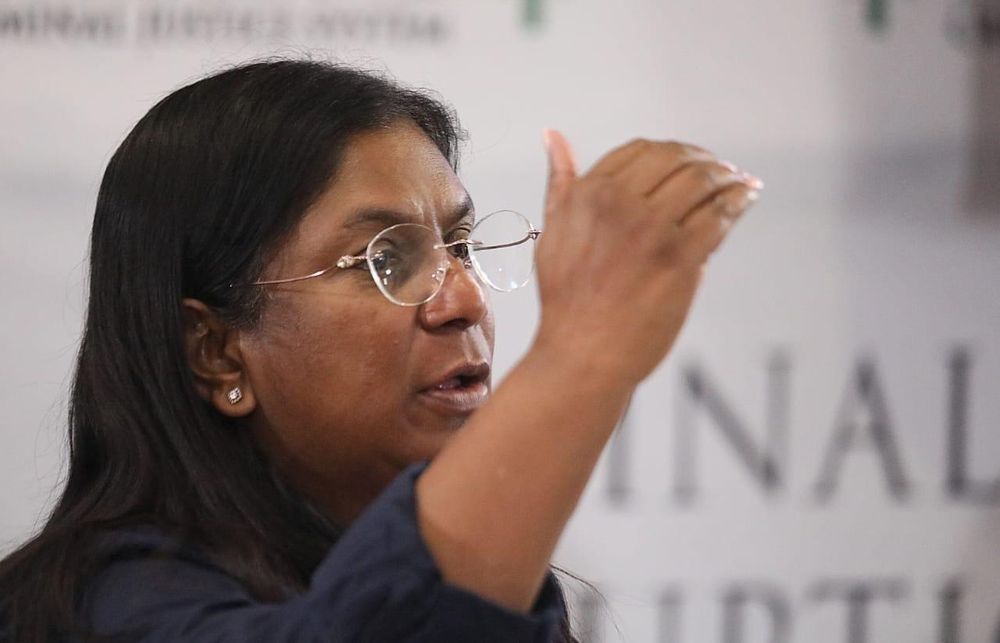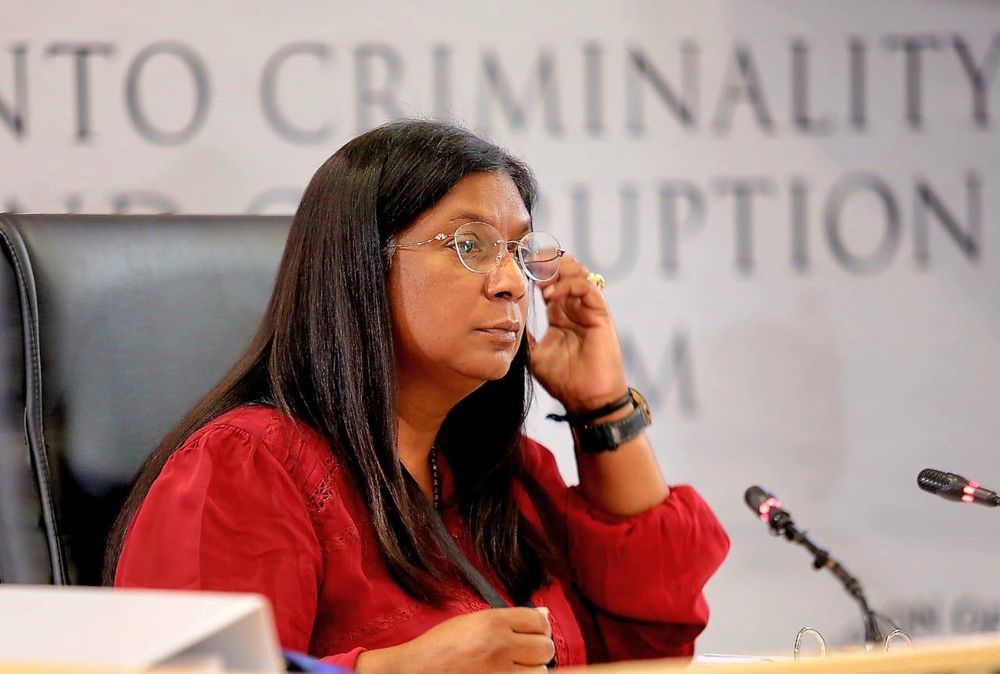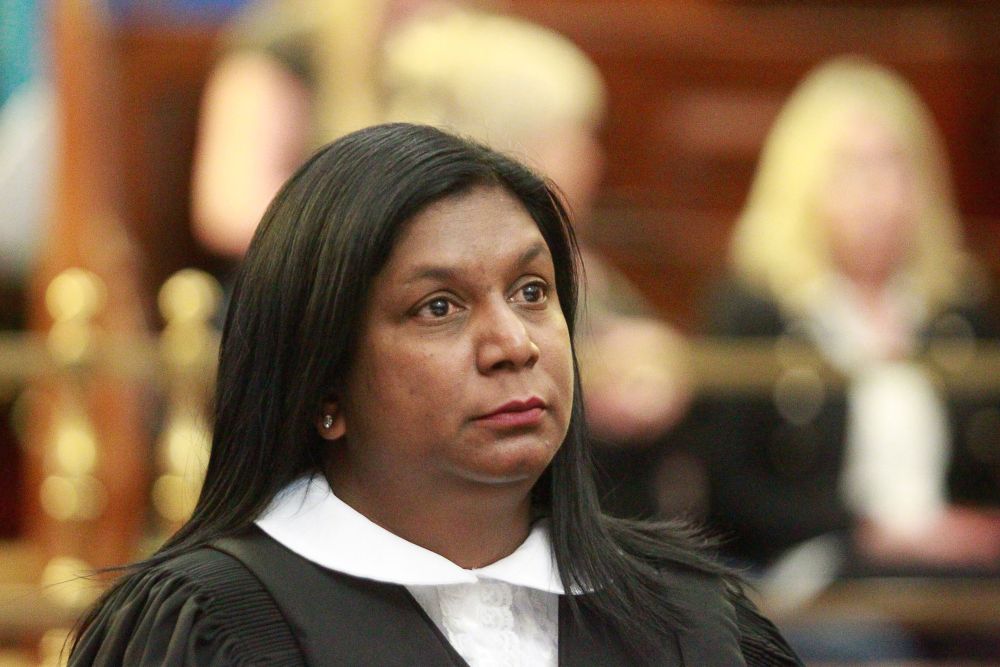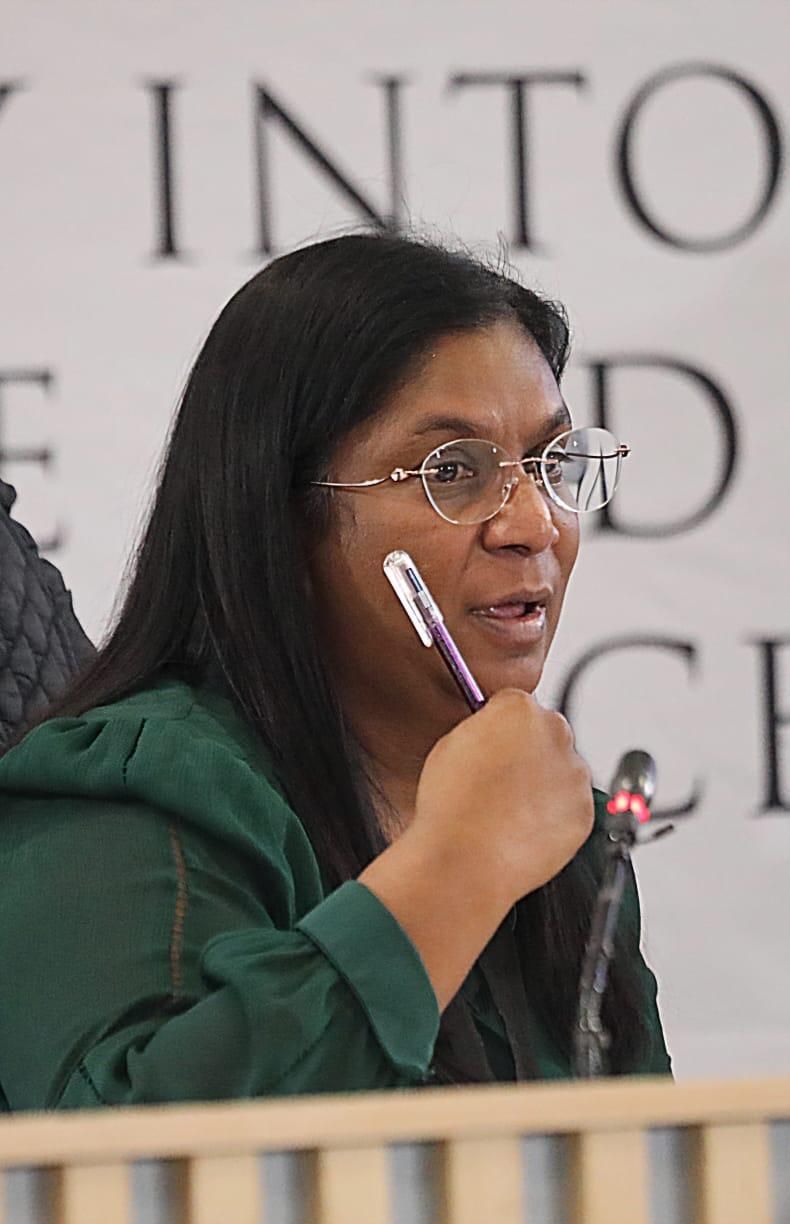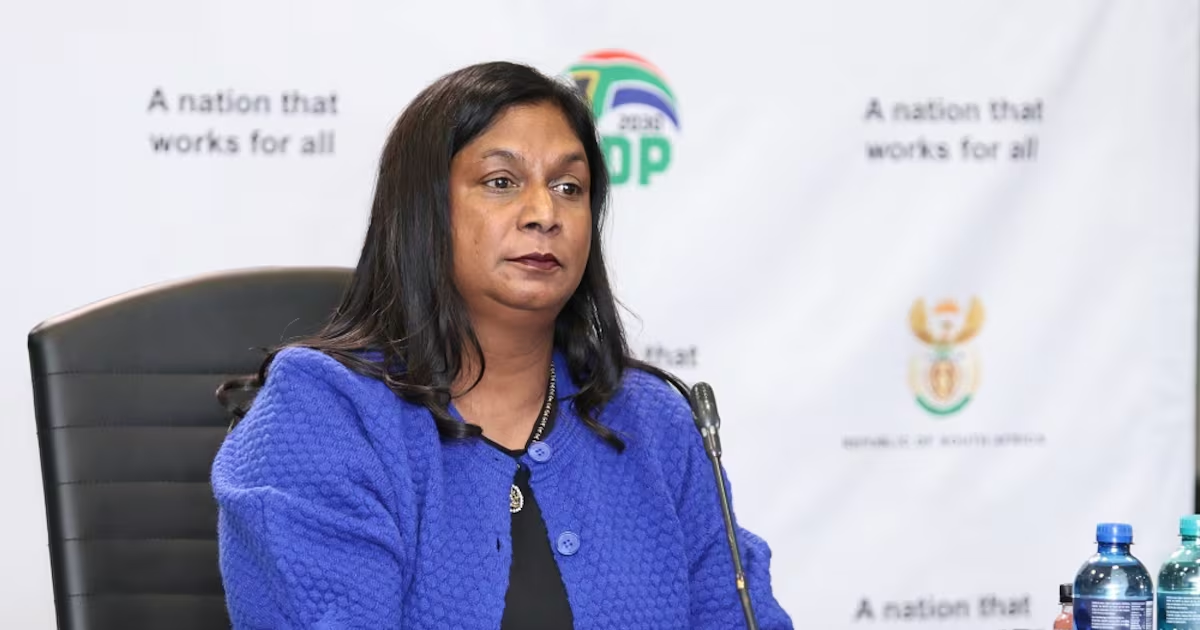
Investigating Directorate Against Corruption (Idac) head Andrea Johnson needed her “memory to be jogged” before answering an allegation before the Madlanga commission that she disclosed a criminal docket to crime intelligence operation support boss Maj-Gen Feroz Khan. Johnson took to the witness box for the first time at the Madlanga commission of inquiry on Tuesday facing allegations of improper conduct. In 2018, she allegedly shared a docket of an assault case that was opened against Khan. In her affidavit to the commission, she described the commission’s subpoena asking her about the allegation as “vague” because it did not have details about the docket but merely asked her about whether she disclosed a docket to Khan. “The allegation referred to above is also vague and unsupported by particulars. No particulars have been provided as to who made the allegation, which docket is implicated, when or where the alleged disclosure occurred, how the docket was allegedly disclosed or what information was allegedly conveyed,” Johnson’s affidavit before the commission read. Because the allegation was serious, Johnson requested more details and filed a supplementary affidavit to the commission after public testimony on the alleged leak of the docket. Evidence leader Mahlape Sello quizzed Johnson about why she struggled to answer to the allegation and whether it was because she disclosed more than one docket to Khan and needed more details about the referred docket, or had never done so. “There isn’t more than one [docket]; at the time I did not recall disclosing a docket. When the evidence is then presented and witnesses testify [at the commission], it is only then that I realise what is being referred to, hence the third affidavit that was made,” she said. “I now have more details about the docket that has been alleged to have been disclosed. I needed my memory to be jogged. Then it will take us in those aspects we want to touch on [the third affidavit].” Retired Hawks Col Kobus Roelofse, who investigated the case, told the commission the sharing of the docket details happened before a warning statement was taken from Khan. Roelofse said he regarded the sharing of the docket, due to the timing factor, as improper conduct. Johnson testified she knew Khan personally, but in 2024 she decided to limit her communication with him after media reports alleged a link to the murders of Cloete and Thomas Murray.“In late 2024, media reports emerged concerning Gen Khan’s alleged involvement with persons allegedly linked to the Murray murders. Those reports concerned me because I had previously met with one of the Murray sons, who wanted to know whether IDAC could assist with the investigation. I informed him that IDAC could not assist, but explained how he could escalate his concerns about the investigation to South African Police Service (SAPS) management,” she said.The directorate’s decision to charge police crime intelligence head Lt-Gen Dumisani Khumalo with corruption has also been a significant part of Johnson’s testimony. Johnson pushed back against the allegation that the controversial arrest of Khumalo, after a complaint from MP Fadiel Adams, was politically influenced.KwaZulu-Natal provincial police commissioner Lt-Gen Nhlanhla Mkhwanazi previously testified the corruption investigation against Khumalo was a move to delay serious organised crime investigations. She told the commission the case was not “pursued for any political purpose, at the instance of any political actor, or to advance any form of political interference within SAPS.” Khumalo was charged with corruption in 2025 related to the SAPS crime intelligence unit’s employment of “unqualified civilian”, Brig Dineo Mokwele, in a senior post. “I would be remiss if I did not dismiss the suggestion that Lt-Gen Khumalo was arrested because he was the co-ordinator of the political killings task team (PKTT). This suggestion is anything but true. It is as false as it is unfortunate,” Johnson told the inquiry.The commission public hearing continues. Business Day
‘My memory needed jogging’: Andrea Johnson testifies at Madlanga inquiry about docket
Johnson denies political motive in arrest of SAPS intelligence chief Dumisani Khumalo
643 words~3 min read