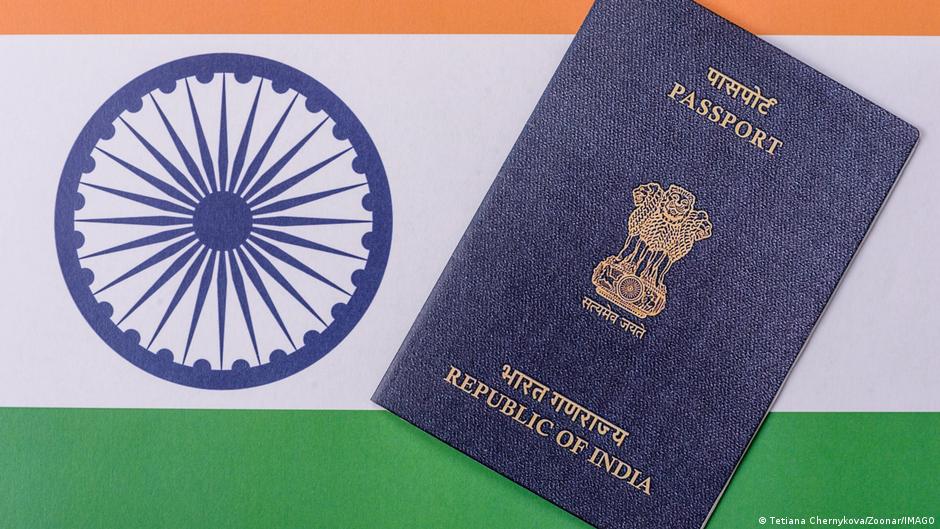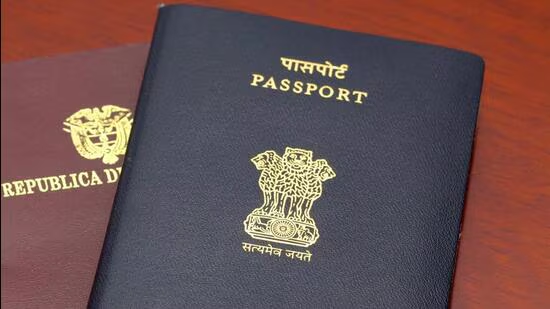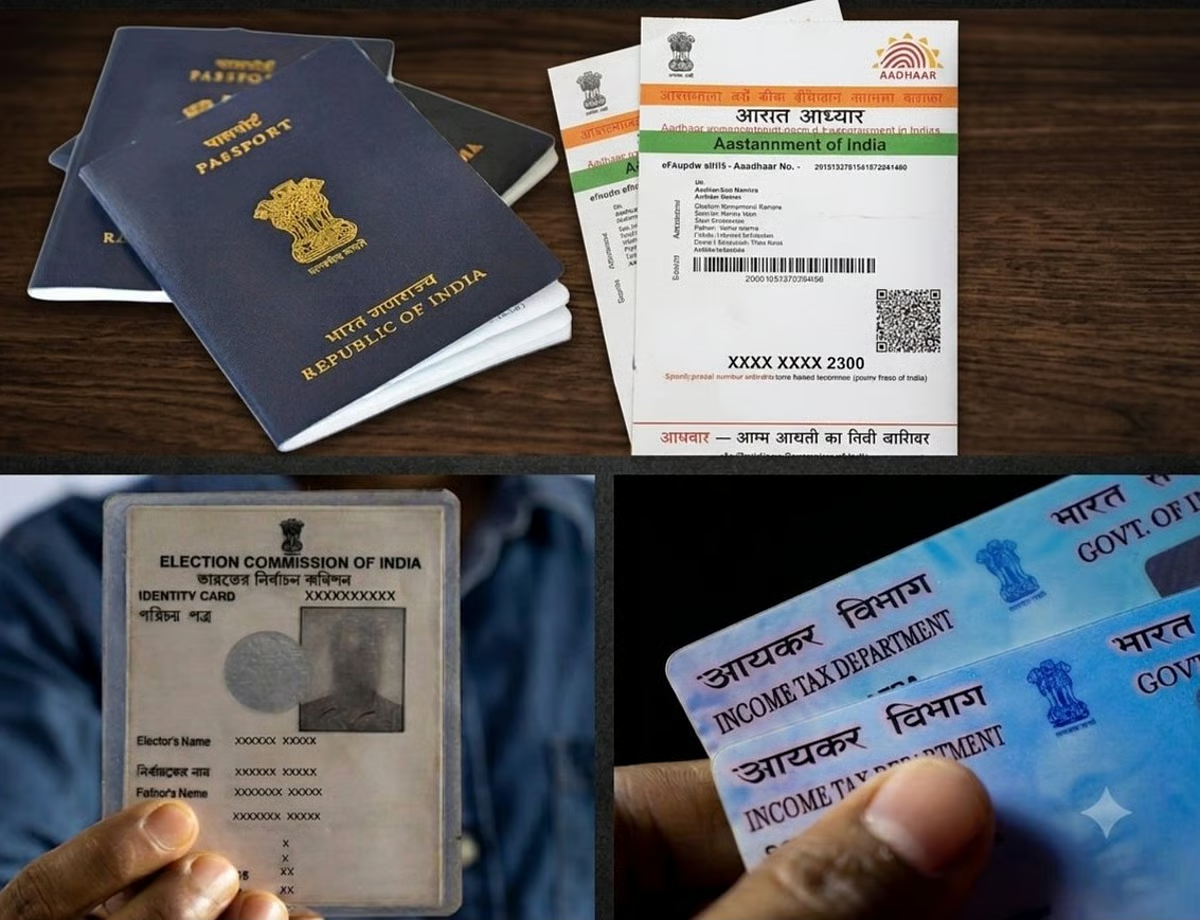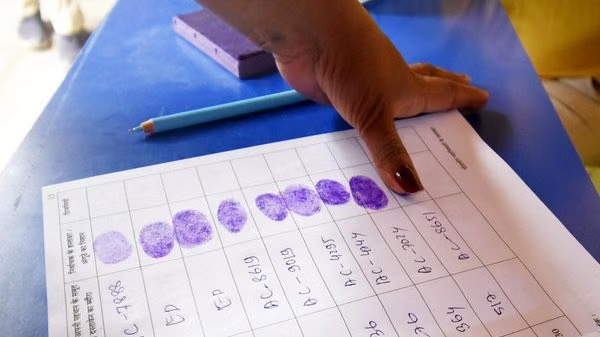
For months now, the Election Commission of India has been saying that only those who can prove their citizenship will be allowed to vote. This idea, already implemented in its broad essentials in Bihar and West Bengal, will now cover the whole nation. The government also recently claimed that the passport is simply a travel document; it does not establish citizenship. If so, which document should be viewed as a definitive certificate of Indian citizenship?
Given the vast literature on citizenship, four critical issues are at stake. What does the concept of citizenship signify? Are there multiple ways of defining citizenship and where does the Indian definition fit in? What kinds of documents establish citizenship? And is the idea of a documentary proof of citizenship exclusive, inclusive or simply neutral?In citizenship literature, one of the most famous lines was penned by Hannah Arendt, an influential political philosopher of the 20th century. She called it “the right to have rights”. Citizenship is a legally enshrined foundational right. A citizen is a juridically recognised member of the political community. This juridical person, by virtue of citizenship, also receives some other rights, especially in a democratic polity, such as the right to liberty, vote, move, practise religion, form organisations and receive welfare benefits.