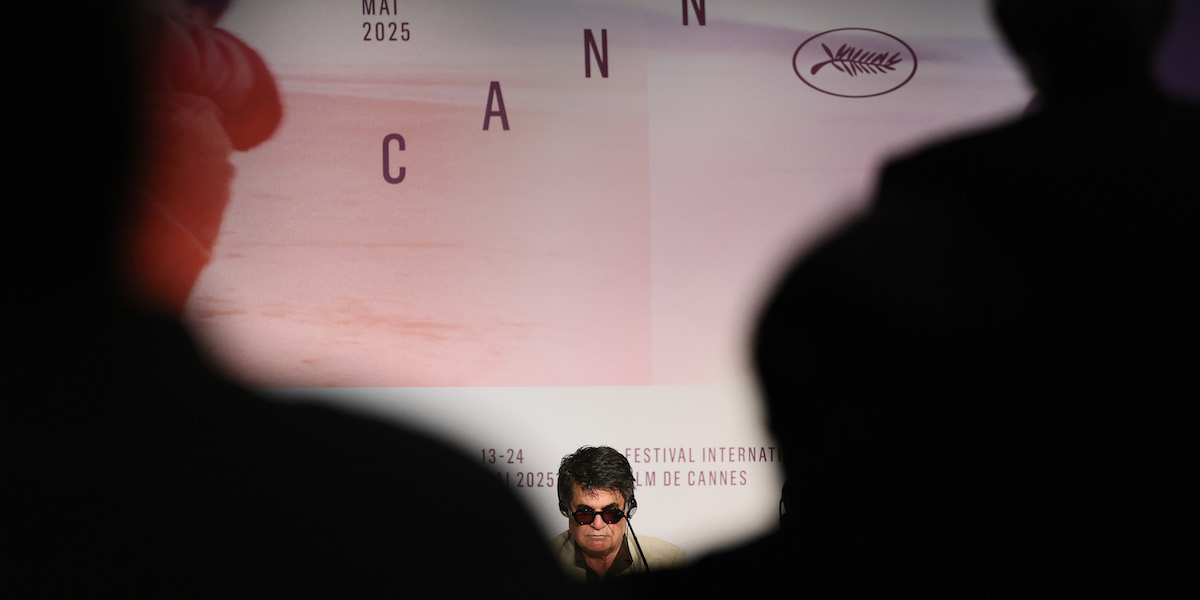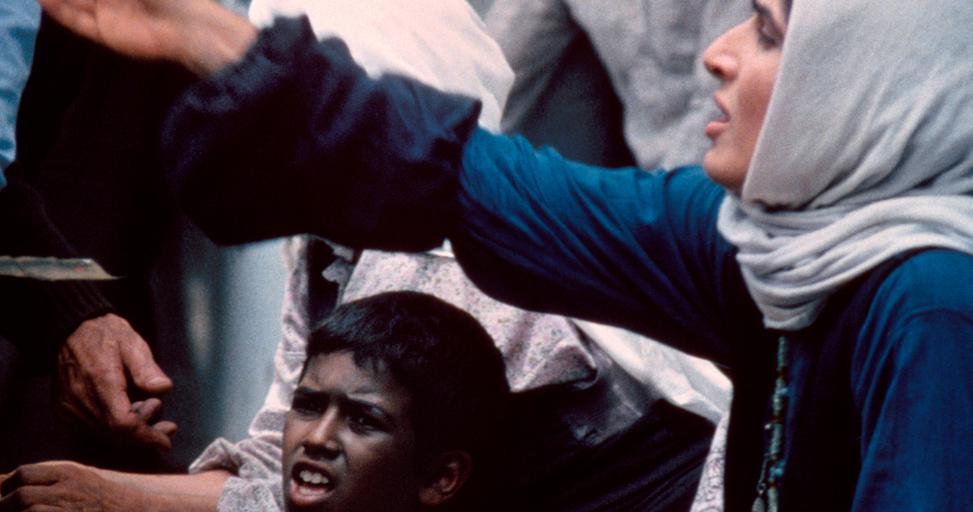
Contemporary Iranian cinema has been hailed for its sophisticated and nuanced depictions of everyday life. But this praise does not always acknowledge the impact of state-imposed restrictions. Filmmaker Tara Aghdashloo looks at how Iranian filmmakers have navigated wars and extreme censorship, sometimes at personal cost.
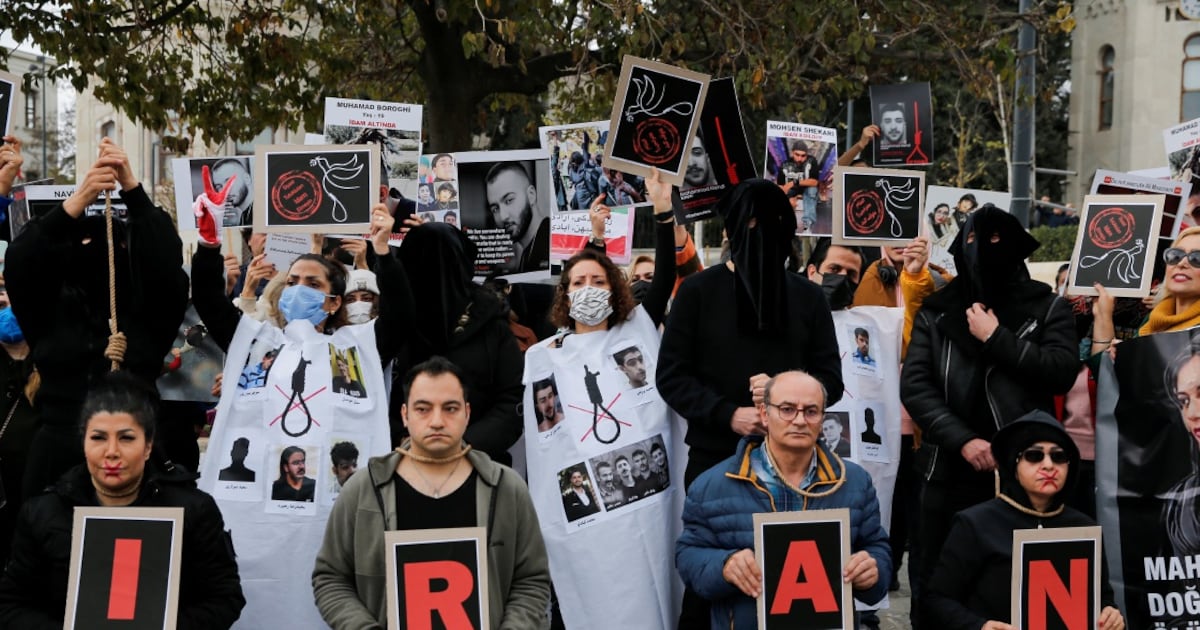
Iran’s recent social history is usually charted through its various political upheavals – the 1979 revolution, the recurring waves of protests, and of course the recent regional escalations. Yet, most Iranians will tell you that they wish to be seen beyond politics, that their diverse and richly cultured country is much more than the sum of its affairs of state. As I write this, the fragile ceasefire in the war against the USA and Israel has held for a few weeks. Amid near-daily executions, restricted internet access, a moribund economy after years of sanctions and mismanagement, and wounds created by regime violence against its citizens, Iranians are trying to reclaim their agency and adopt some semblance of an ordinary life. Shops have reopened, and people meet in cafes and restaurants; workshops and classes have resumed, galleries are cautiously opening, philanthropists are pooling resources to rebuild, and film productions are tentatively resuming.