(Image credit: Shutterstock)
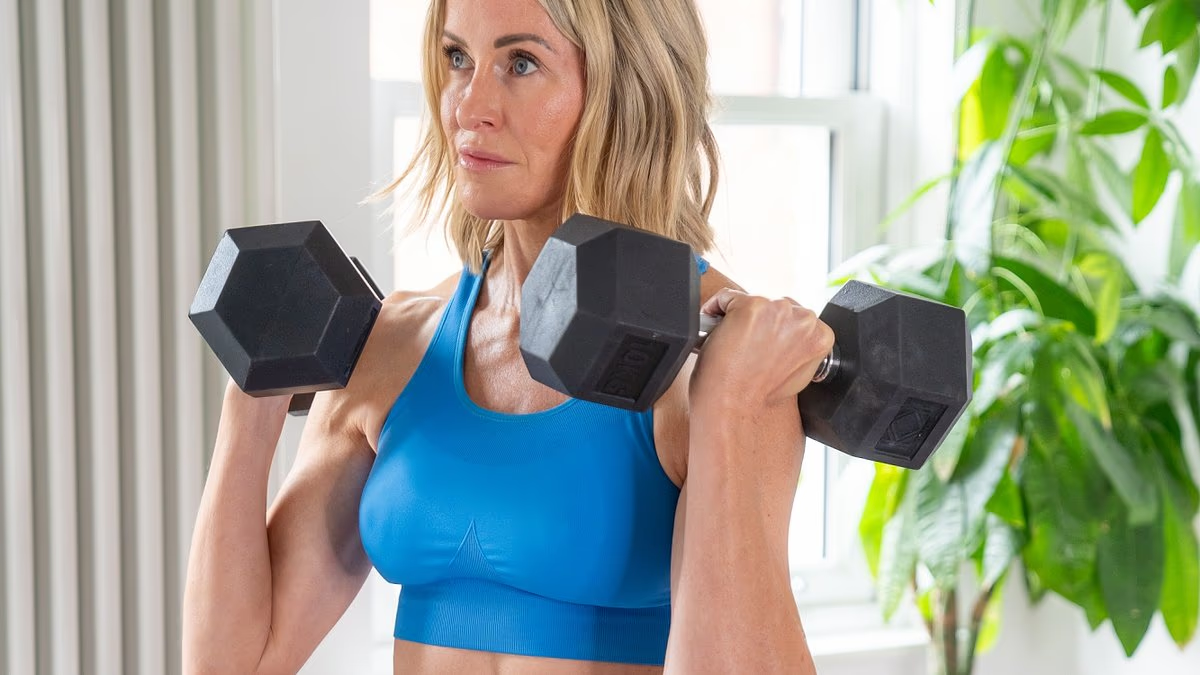
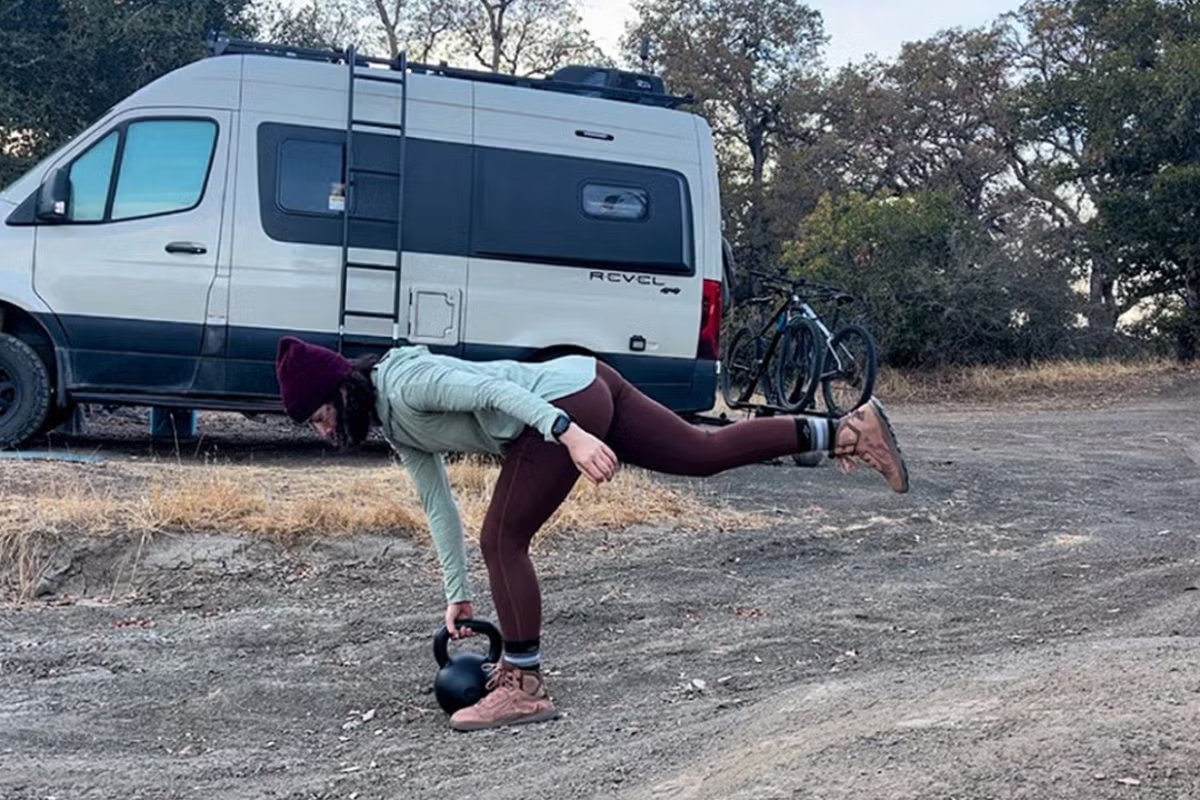
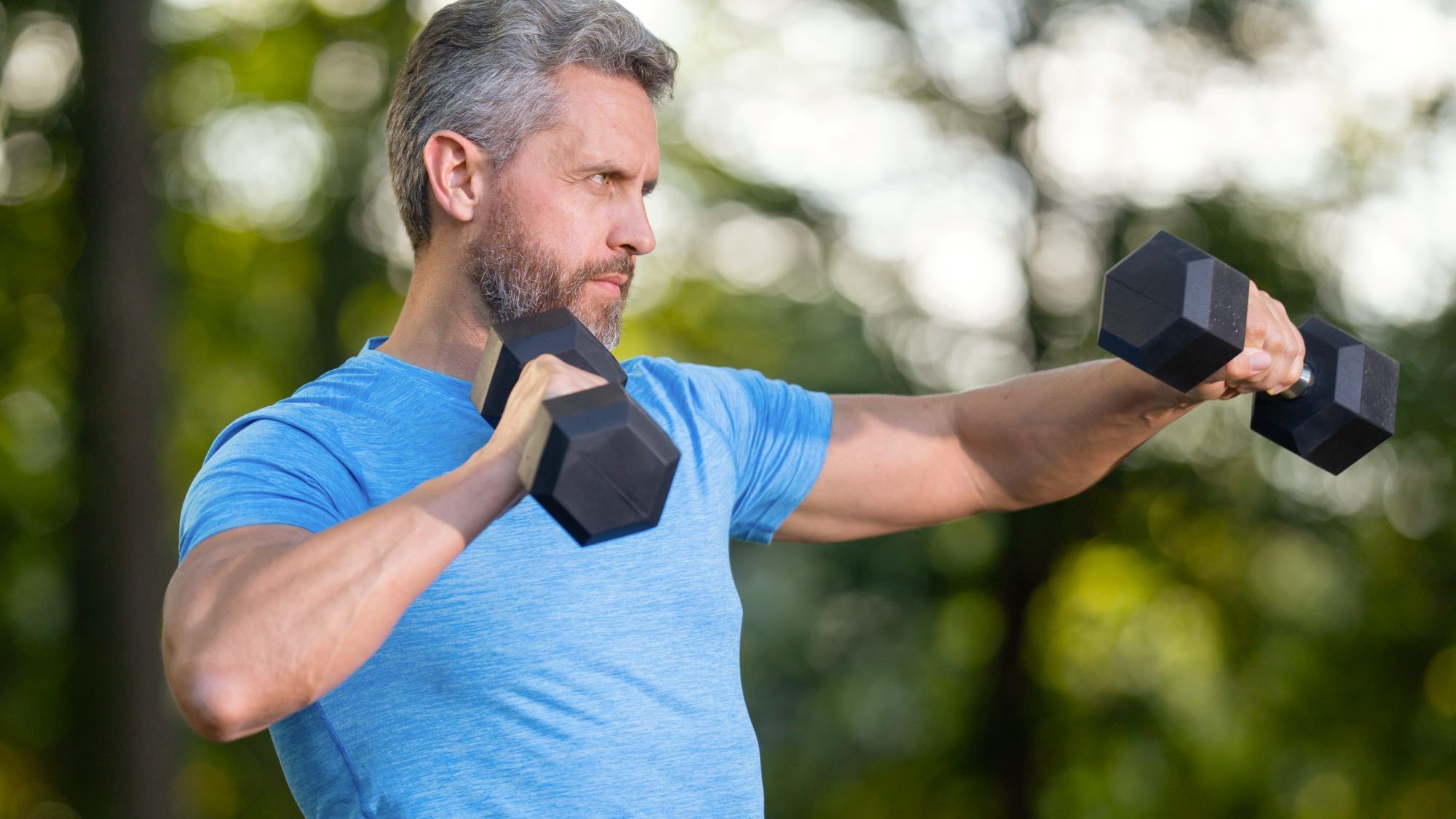
It's not often I share the secrets to my dad's training regimen, but you need to know about this one. My dad is 72, and I've been training him for roughly six years now; we progress and mix up his plan every few months, and here and there, I like to share some of his favorite strength exercises with readers.This one requires a set of the best adjustable dumbbells or hex dumbbells if you prefer your weights less bulky. You could substitute kettlebells or heavy water bottles instead. You'll also need an unstable surface like a Bosu trainer, which is affordable online, but can be replaced by wobble boards or similar.This exercise will improve your balance and stability while building strength in your lower body, and it doesn't take much weight to really challenge your body, especially your glutes, quads, hamstrings and core. Here's how to do it, plus the benefits.Watch: Dumbbell Bosu deadliftIt's never too late to start lifting weights and build resistance training into your program. Later in life, you need strong bones, muscles and ligaments more than ever, as lean muscle mass, strength and balance begin to decline naturally.I encourage clients to work on mobility and strength rather than relying solely on cardio or stretching. The more you can build some lifting into your routine, even if it's just with your bodyweight, the better you prepare your body for those later years.I can tell you that my dad (a keen runner and gardener all his life) looks like a different person when he moves now, and he only really started strength training in his late 60s. Start by trying this exercise!If you experience pain at any time, stop and rest. If you're working with an injury or health condition, I recommend seeking advice before starting these exercises.Get instant access to breaking news, the hottest reviews, great deals and helpful tips.How:Stand on a balance trainer with your feet hip-width apart, holding a weight in each hand using a neutral gripEngage your core, maintain a soft bend in your knees, then send your hips back and lower the weights toward the ground, keeping your back straight and chest proudThe weights should track close to your body at all times. Pause at the bottom and keep your shoulders pulled back and down, gaze slightly aheadDrive up through your legs and core to stand, fully extending your knees and hips.What are the benefits?