(Image credit: Shutterstock)
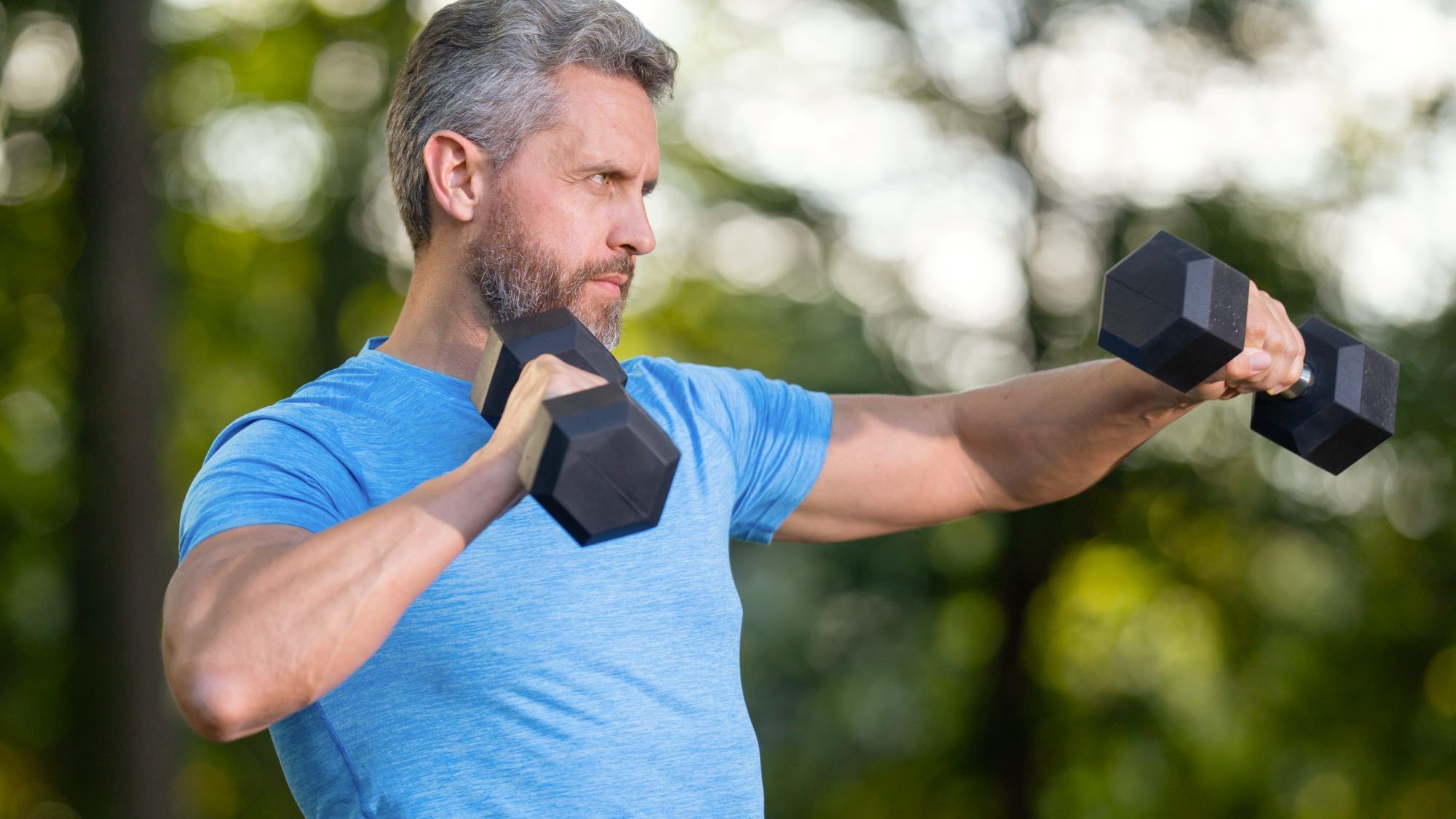
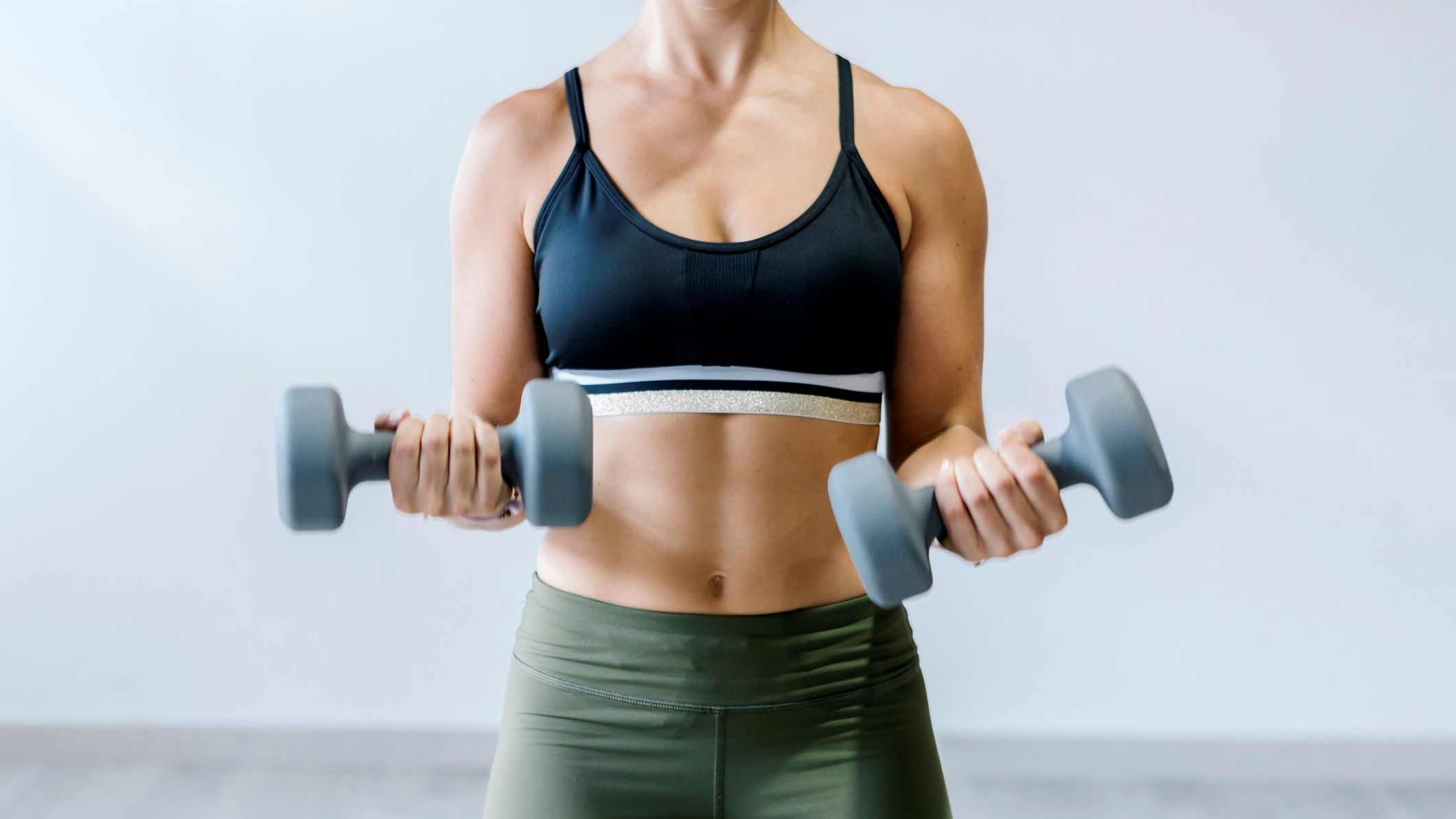
If you’re looking to build balance, power, and definition from home, grabbing a set of the best adjustable dumbbells is a great place to start. Compared to heavy barbells or guided gym machines, dumbbells are amazing at building functional strength and addressing imbalances in the body.Dumbbells force unilateral training, meaning each side of your body is working independently. This forces you to address weaknesses or imbalances in the body, and can help improve your overall balance and stability, as well as helping reduce your risk of injuries.Yet if you’re a beginner or you’re returning to workouts following an extended break, it can be tricky to know where to start. Luckily you’ve landed in the right place. Read on to find a quick 30-minute workout that you can do using just six exercises and a set of weights. As a reminder, if you’re pregnant or postpartum, or recovering from a specific injury, it’s always best to seek personalized advice before trying something new.What is the workout? The workout is designed by certified personal trainer Camilla Cresswell, who specializes in training women aged 40 plus. You’ll need a set of weights for all of the exercises — remember that the right weight for you will feel challenging, but not impossible, by the final few reps. If at any time you feel like the weight is compromising your form, it’s too heavy.You’ll do the following six exercises three times. Take a short break between sets if you need to. Do 12-15 reps of each exercise, and when this feels easy, increase the weight you’re lifting. The workout should take around 30 minutes in total, but remember it’s important to do fewer reps with good form, so don’t rush.Here’s the exercises:Dumbbell squats: For this exercise, hold a dumbbell in each hand and lift your hands to shoulder height. Keeping your feet hip-width apart, engage your core, thinking about sucking your belly button into your spine, and lower into a squat, sending your glutes back as if you were sitting in a chair. Pause at the bottom of the movement, before pushing through your feet to stand back up to your starting position.Deadlift to row: Starting with your feet hip-width apart and the dumbbells on the floor in front of you, hinge at your hips to bend down, keeping a slight bend in your knee. Grab both dumbbells and lift them as you stand up — you should feel this down the back of your legs. Keep the dumbbells close to your legs. Once you’re standing, take your elbows out to the side, and row both dumbbells up to chest height, before reversing the movement and taking the dumbbells back down to the floor to complete your next deadlift.Squat to press: For this exercise, you’ll complete the same dumbbell squat as you did in the first exercise, but this time, as you rise back to your starting position, you’ll extend your arms to lift both dumbbells over your head. Squeeze your shoulder blades together at the top of the movement, before bringing the dumbbells back to your shoulders slowly, and with complete control.Single-leg around the world: Stand with your feet hip-width apart, then lift one leg off the ground, keeping a 90-degree bend in your knee if you can. Balance here, engaging your core, then take both arms out in front of you, before bringing them back to your starting position. Then circle both dumbbells out to the side of your body and overhead, before reversing this movement. Do all of your reps on one leg, then complete the same number on the other leg.Single-leg bicep curls: Adopt the same stance as the previous exercise, balancing on one leg, squeezing your core and keeping your pelvis level. This time, curl both dumbbells up towards your torso, thinking about squeezing your biceps at the top of the movement. Again, complete all your reps on one leg before switching to the other.Tricep kickback: For this exercise, start with your feet hip-width apart, engage your core, and hinge at your hips. From here, take both dumbbells back behind you, squeezing your triceps as your arms extend, before bending your elbows and bringing them both back to your torso to your starting position.What are the benefits?