That is why successful electrification depends on more than the charger itself. Hardware matters, but so do software, energy management, and service concepts that keep operations running smoothly. Fleets do not just need infrastructure; they need infrastructure that fits their operations and supports a competitive total cost of ownership.
In practice, three factors shape charging infrastructure most strongly: grid connection, available space, and scalability. A depot may have enough room for chargers but still lack sufficient grid capacity. It may have power available, but not enough flexibility to avoid expensive peak loads. And because fleets are electrified step by step, the charging infrastructure must be able to grow with demand.
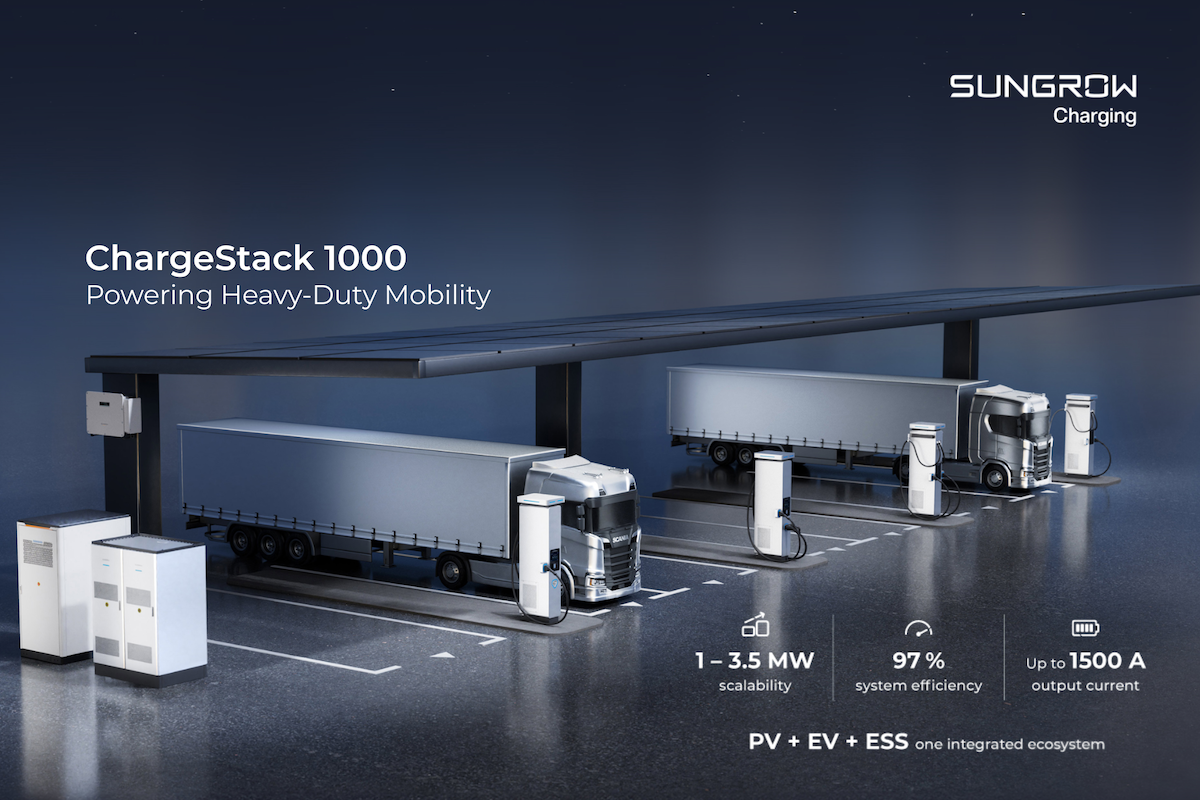
The most efficient depots will not be defined by maximum installed power. They will be defined by whether every truck receives the energy it needs within the available operating window and at a cost level operators can control. The answer is a mixed-power, software-controlled, and scalable depot architecture: some trucks charge at lower power over longer dwell times, while vehicles approaching departure receive higher power.
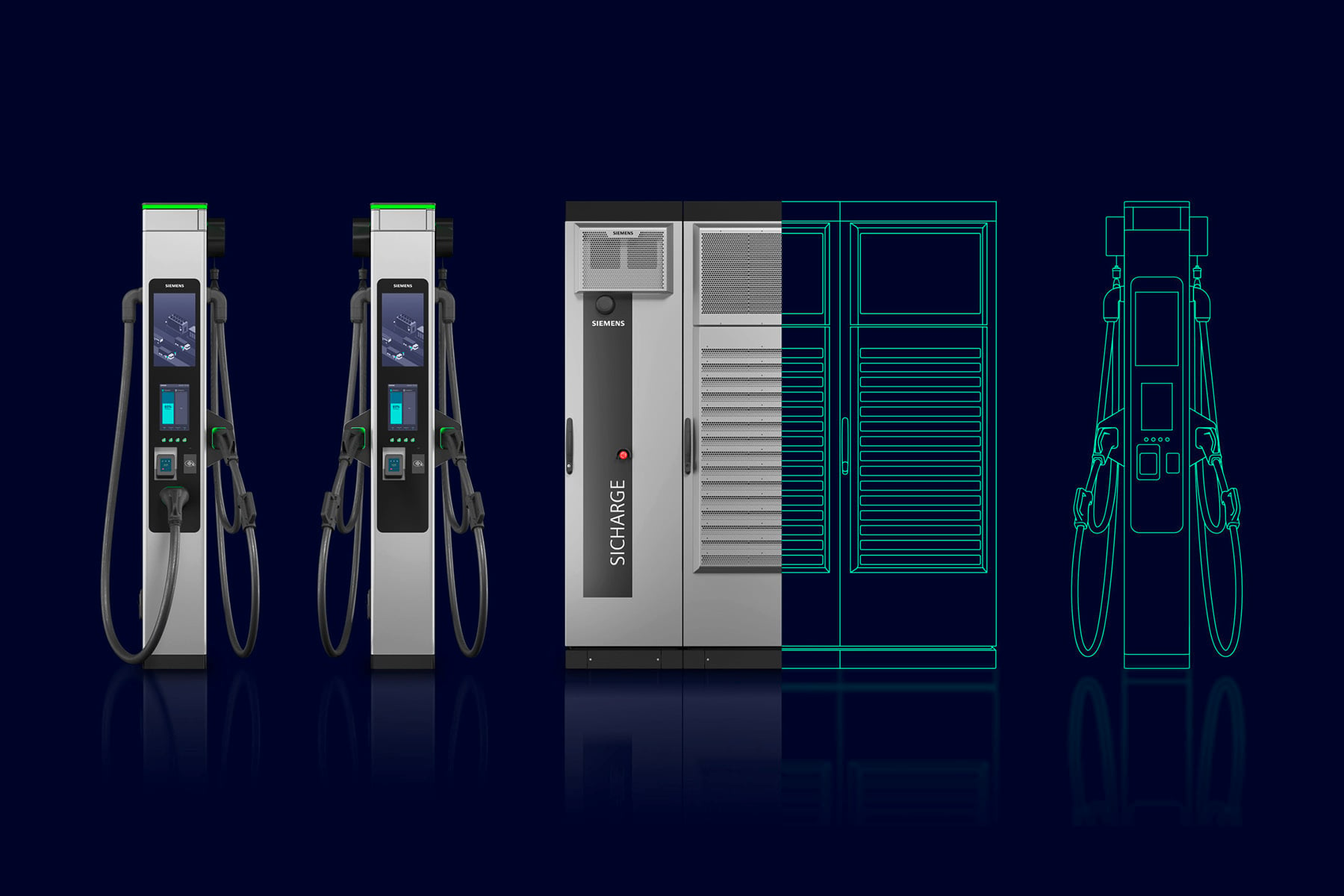
This is where the difference between a charging installation and future-proof charging infrastructure becomes clear. Smart charging, battery storage, and on-site renewable generation help operators balance energy demand and improve resilience. Software turns this flexibility into reliable operations. DepotFinity supports depot monitoring, scheduling, and charging management, ensuring vehicles are ready when operations need them.



 energyathaas.wordpress.com