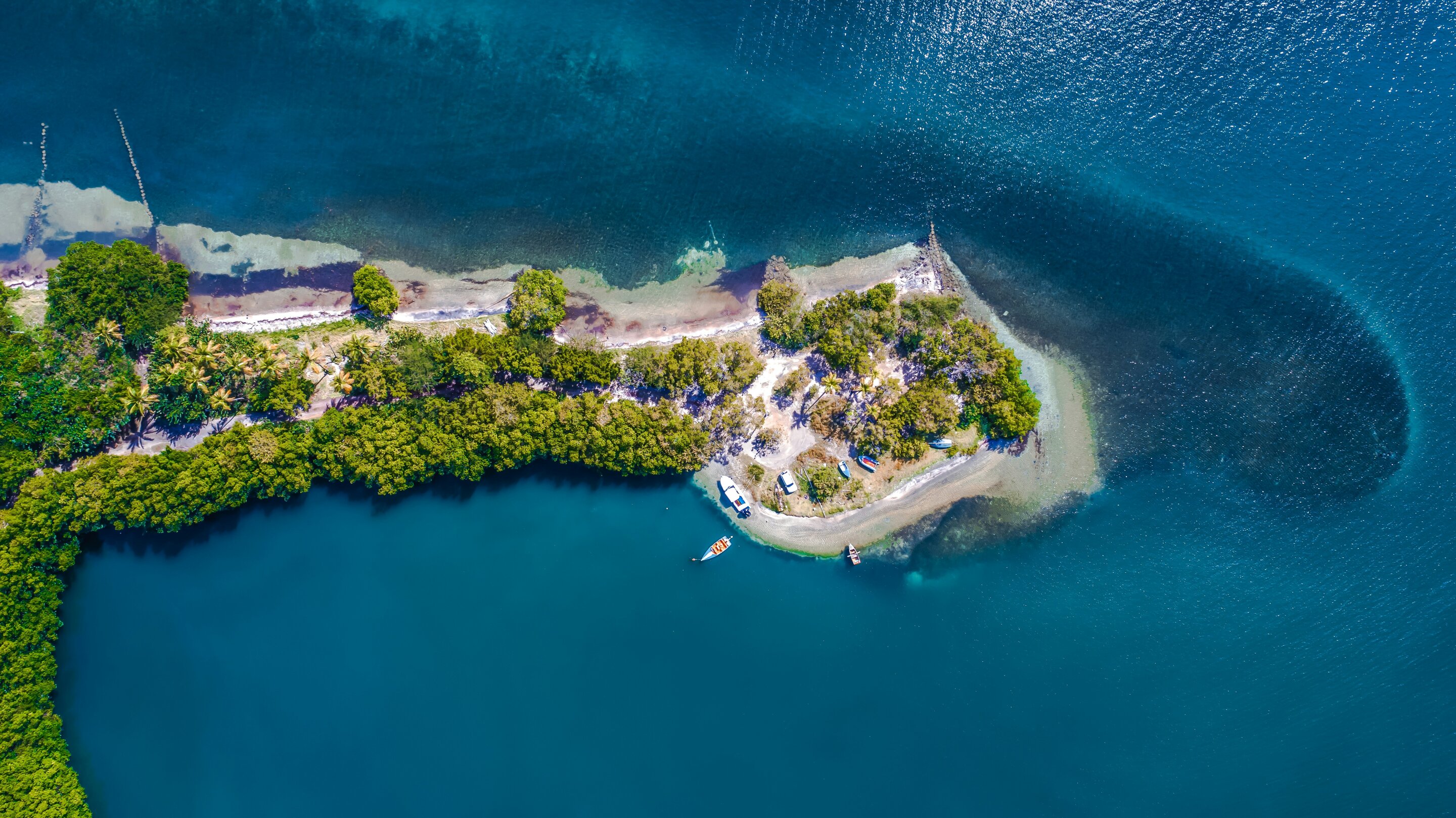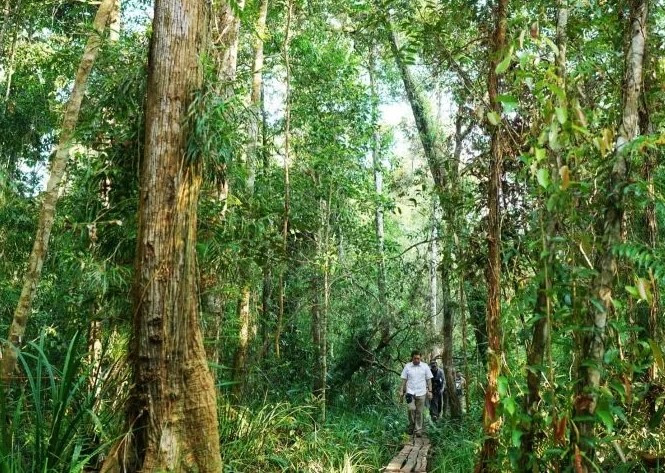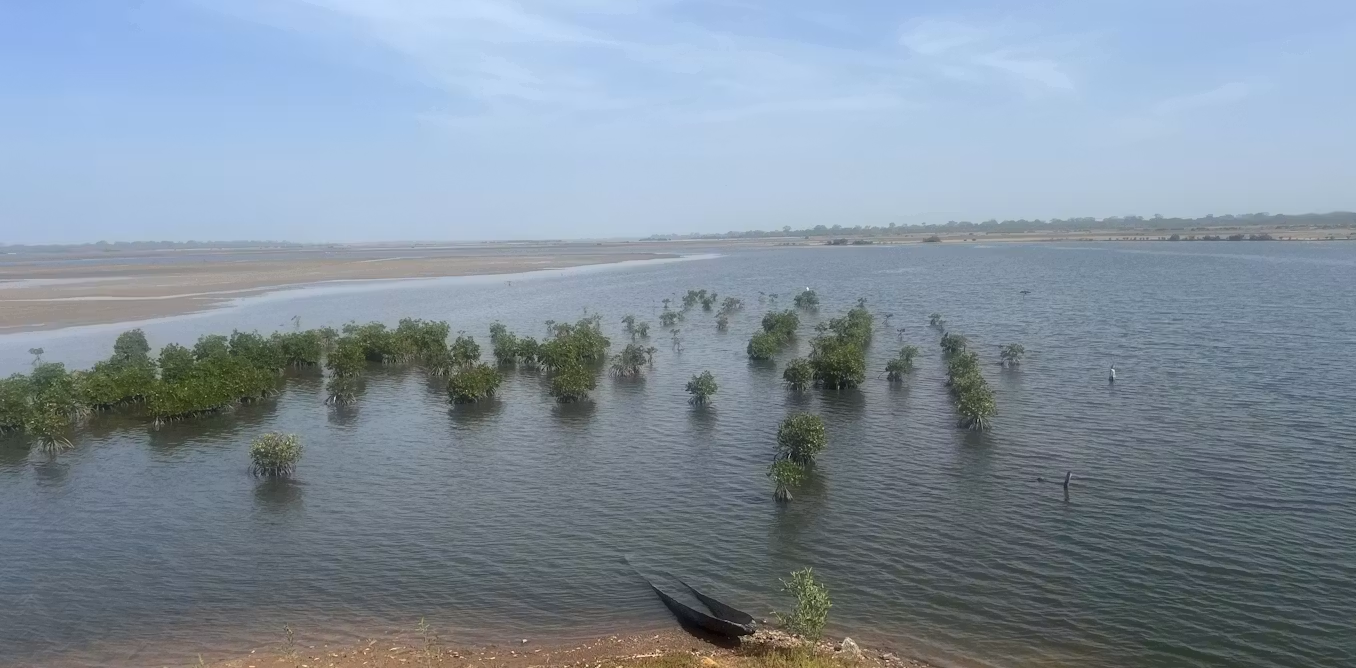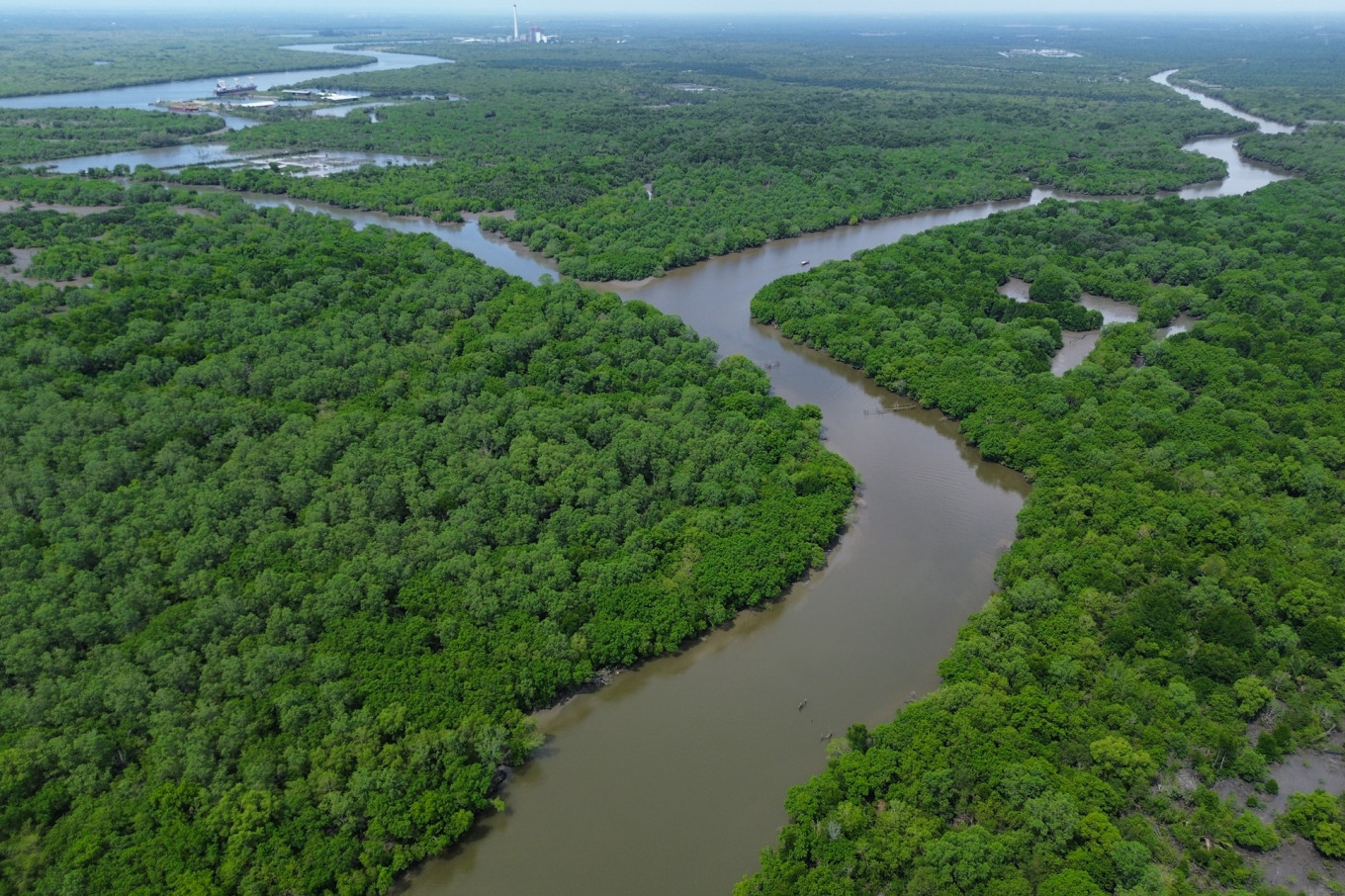
Over the last decade, blue carbon ecosystems, such as mangroves and seagrasses, have taken center stage in global discussions on tackling climate change, and Indonesia, home to 17 percent of the world’s mangroves and seagrasses, has become a key actor in this agenda.Yet, while global attention often centers on restoration targets, carbon markets and blue finance, far less discussion has focused on a more fundamental question: who will actually deliver this transition?
A recent study shows that blue carbon is not merely about quantifying how much carbon these ecosystems store, capture and release, a process called ecosystem carbon accounting.
It also deeply involves valuing co-benefits and addressing trade-offs across governance, finance, policy and on-the-ground practice. Consequently, successful implementation depends not only on policy and investment, but also on supporting people and developing their unique skill sets to implement a more holistic approach to blue carbon.
Yet, workforce readiness may be one of the most overlooked enabling conditions for building a sustainable blue economy.
As a key global player in the blue carbon transition, Indonesia has the opportunity to successfully drive this work by developing competency standards across skills ranging from monitoring and accounting to inclusive engagement with coastal communities.