A new United Nations report co-authored by researchers at the University of Portsmouth provides governments with a practical roadmap for building sustainable blue economies, as pollution, climate change and biodiversity loss place growing pressure on the marine and freshwater ecosystems that support billions of people and a global ocean economy worth US$2.2 trillion.
Published by the United Nations Environment Programme (UNEP), the Sustainable Blue Economy Transition Framework was developed with contributions from the Revolution Plastics Institute at the University of Portsmouth. The framework helps governments translate blue economy ambitions into policy, planning and investment that protect marine and inland water ecosystems while supporting long-term economic development.
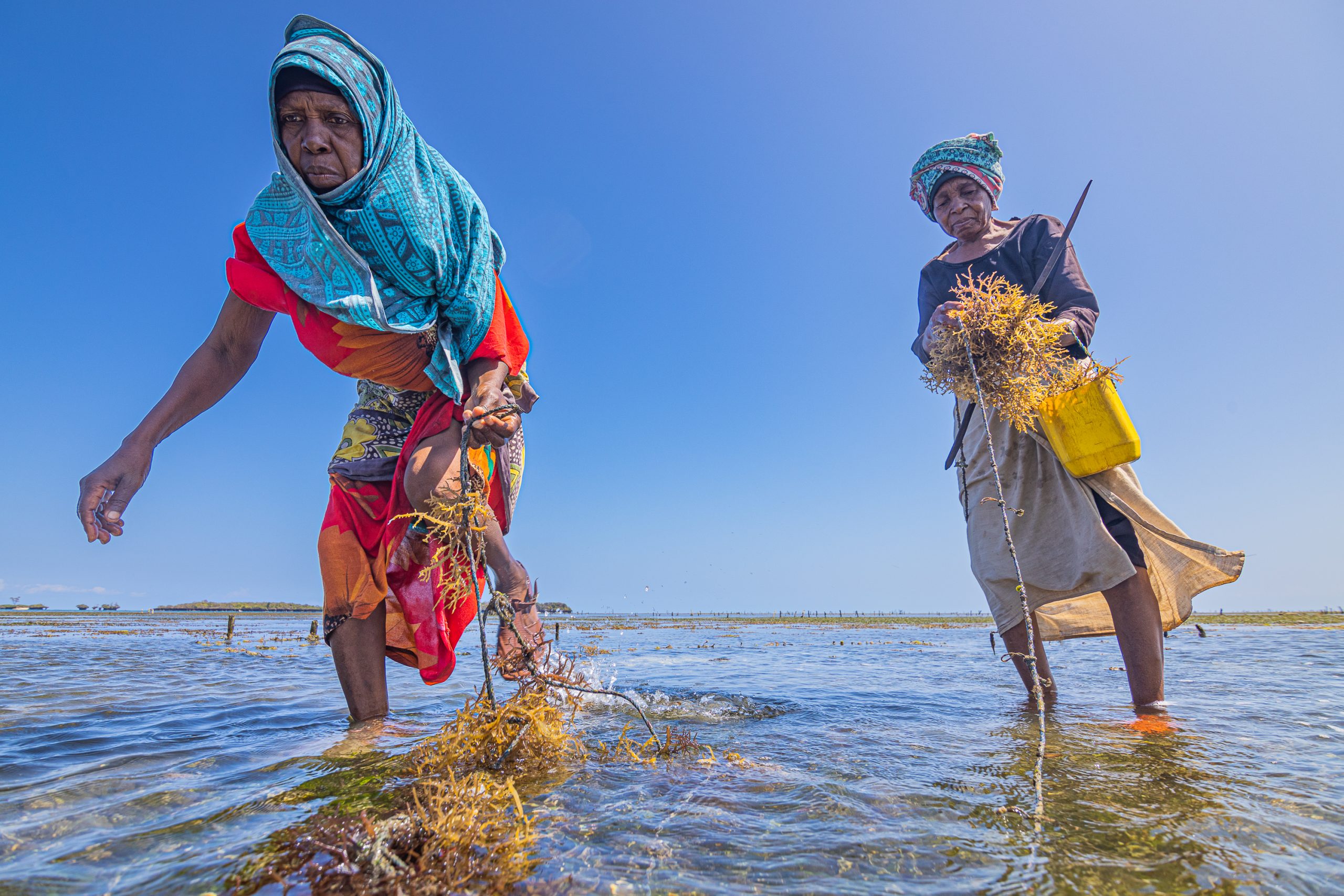
The report warns that current approaches to managing the ocean are often fragmented, with sectors such as fisheries, shipping and tourism operating independently despite sharing many of the same natural resources. Combined with overfishing, pollution and climate change, this fragmented approach is accelerating the decline of ecosystems that regulate the climate, support biodiversity, provide food security and sustain livelihoods around the world.