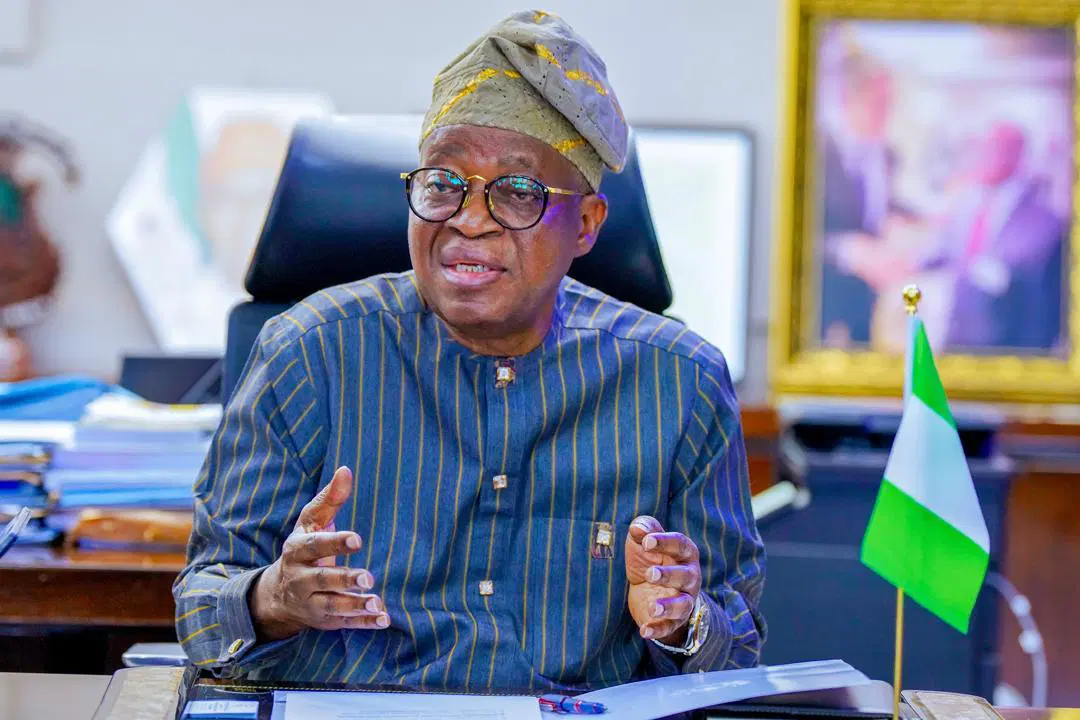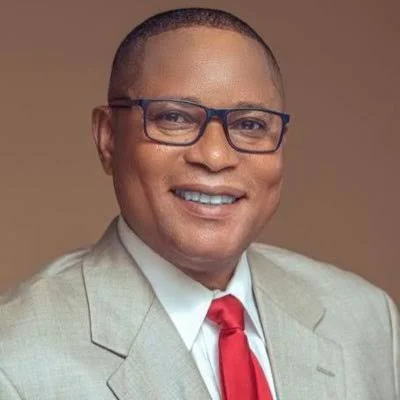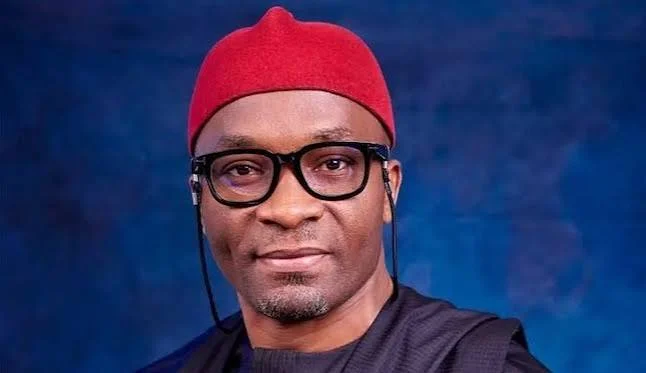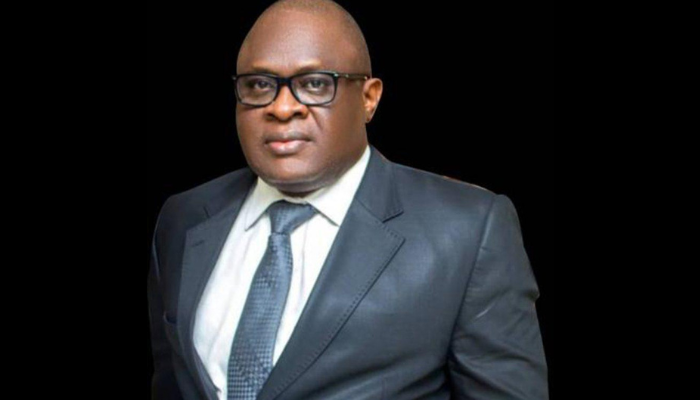
Sylva Opuala-Charles, a professor and president of Garden City Premier Business School, Port Harcourt, and one-time commissioner for Finance in Bayelsa State, has experience that spans both the public and private sectors of the economy. In this interview with SAMUEL ESE in Port Harcourt,
he discussed the huge potentials of Nigeria’s Blue Economy, the challenge of environmental pollution, and infrastructure, but stressed the need for action by developing a blueprint to galvanised action among the three tiers of government. But he also believes that the organized private sector led by the various chambers of commerce, BRACED Commission and governments of South-South states should start the conversations. Excerpts:
There has been this talk about the Blue Economy in recent times and its huge potentials. What are the prospects of the Blue Economy in Nigeria?
The Blue Economy actually has to do with the sustainable use, access and conservation of sea and ocean resources for economic development. It is quite massive if you look at our coastline of about 853 kilometres and over 10,000 kilometres of inland waterways. We are a really blessed country in terms of ocean resources and waterways. But, how do we maximize them? If you look at the global economy today, you can see that the Blue Economy is doing close to about $3.0 trillion, which is quite big. And out of that $3.0 trillion, the jobs that come from it are almost 600 million.