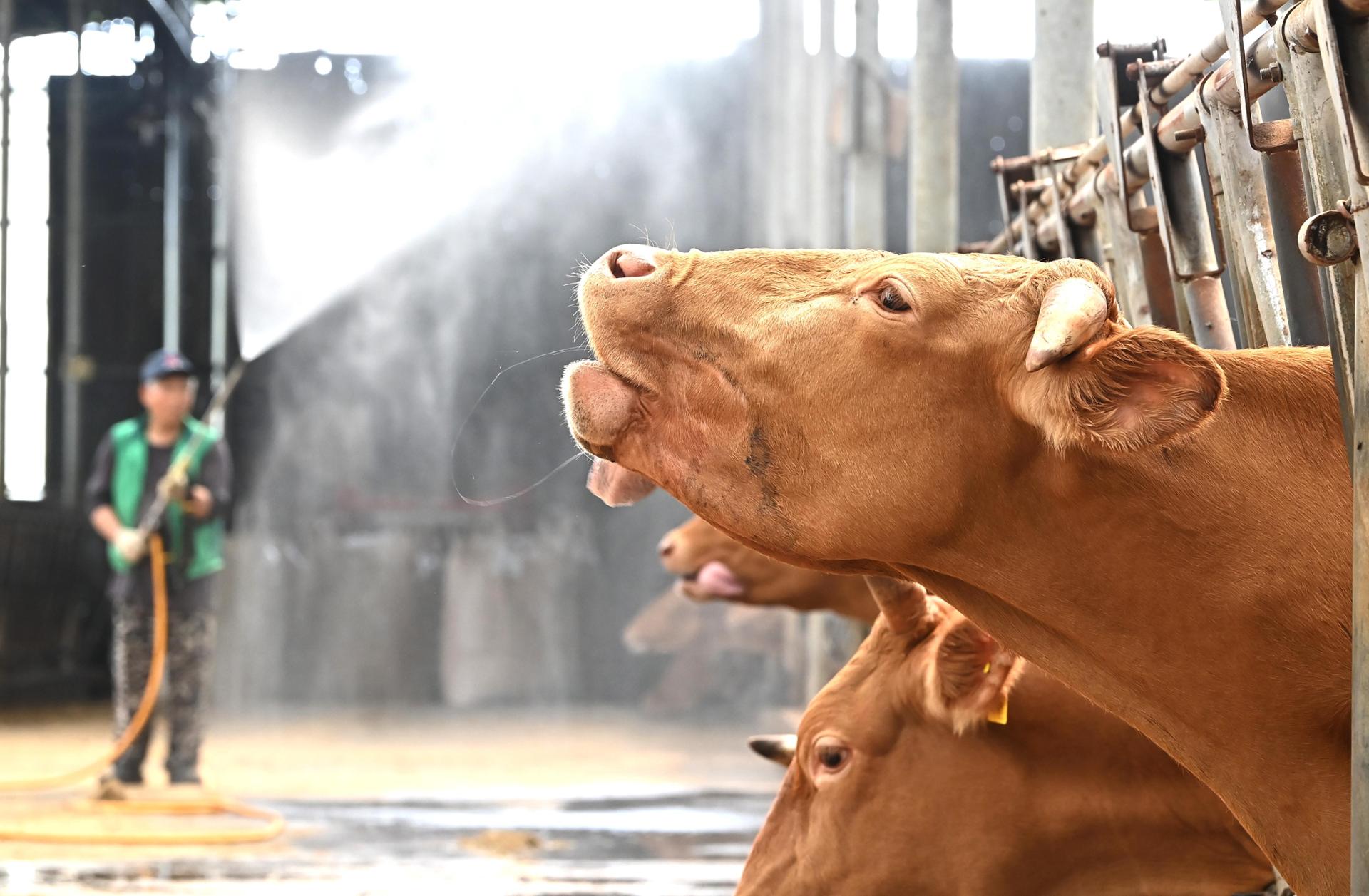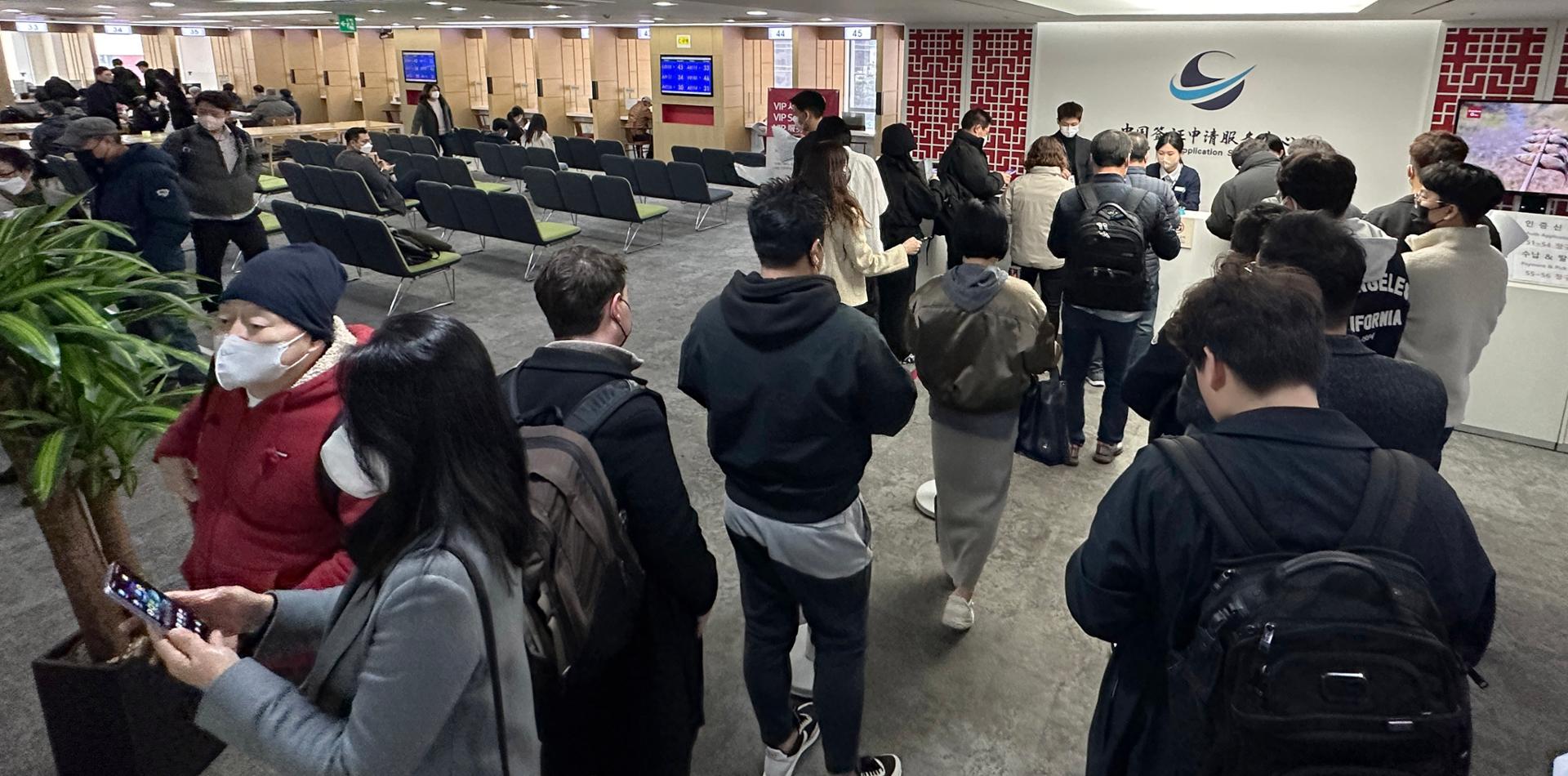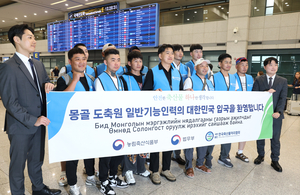
Mongolian workers who entered South Korea on E-7-3 visas pose at Incheon Airport on July 14. They are among the first recipients of a newly introduced visa for slaughterhouse workers, created to address labor shortages in the industry. (Yonhap) Foreign resident registration is required for most people staying in Korea for more than 90 days, but the process begins before registration with securing the appropriate status of stay.The status you need depends on why you are coming to Korea, whether to study, work, join family members or pursue another long-term purpose. It may also need to change later if your activities or circumstances change.Start with Visa NavigatorKorea has dozens of visa categories, identified by combinations of letters and numbers. The government-run Korea Visa Portal provides general information on eligibility, application procedures and required documents.Its Visa Navigator can help narrow down the options. Users select their continent, country or region, purpose of entry and intended length of stay. For long-term stays, choose “91 days or longer.”Students attending universities or exchange programs will generally need the D-2 visa, while those coming for Korean-language courses or other training may need a D-4 visa.People planning to work will see different results depending on their occupation. Professors, researchers, language instructors and other professional or specialized workers fall under different categories within the E-series.A doctor planning to practice in Korea, for example, may need an E-5 professional visa. The visa alone, however, does not authorize the holder to practice medicine, as separate Korean licensing requirements also apply.Foreign journalists assigned to Korea for an extended period may need a D-5 long-term news coverage visa.The F-series covers several forms of family-based and longer-term residence, including categories for dependents, spouses of Korean nationals, overseas Koreans, certain long-term residents and permanent residents.Some people staying for extended medical treatment, recuperation or other designated circumstances may fall under the G-1 series.When your plans changeThe category that first brought you to Korea may not remain appropriate if your plans change.Students with D-2 or D-4 status, for instance, are restricted to certain types of work. Those seeking part-time jobs must follow separate rules and may need prior approval.This means that after graduation, students who want to remain in Korea while looking for work may need to change to a D-10 Job Seeker visa. Those who find employment may then need to switch to whichever employment visa covers their occupation.Similar rules apply when a foreign resident changes jobs, schools, family circumstances or the main purpose of their stay. The change may require immigration approval, additional reporting or a new status of stay.Check before you applyVisa Navigator is therefore best used as a starting point rather than confirmation that an applicant qualifies.Requirements may vary according to nationality, occupation, qualifications, income, sponsoring institution and personal circumstances. Some applicants may also need to complete the process through a Korean diplomatic mission outside Korea.Employers, universities and research institutions may also provide visa guidance tailored to their foreign workers or students. The state-affiliated Institute for Basic Science, for example, offers an online guide to visa categories commonly used by overseas researchers, and students can seek advice from their university’s international student office.People in Korea can contact the Immigration Contact Center by dialing 1345 for multilingual guidance on visas, extensions of stay, changes of status and permission to engage in activities outside their current status.Before beginning a new job, course or other activity, check that it is permitted under your current status of stay and confirm the latest requirements with immigration authorities or a Korean diplomatic mission.
Finding the right visa for long-term stay in Korea
Foreign resident registration is required for most people staying in Korea for more than 90 days, but the process begins before registration with securing the a
586 words~3 min read