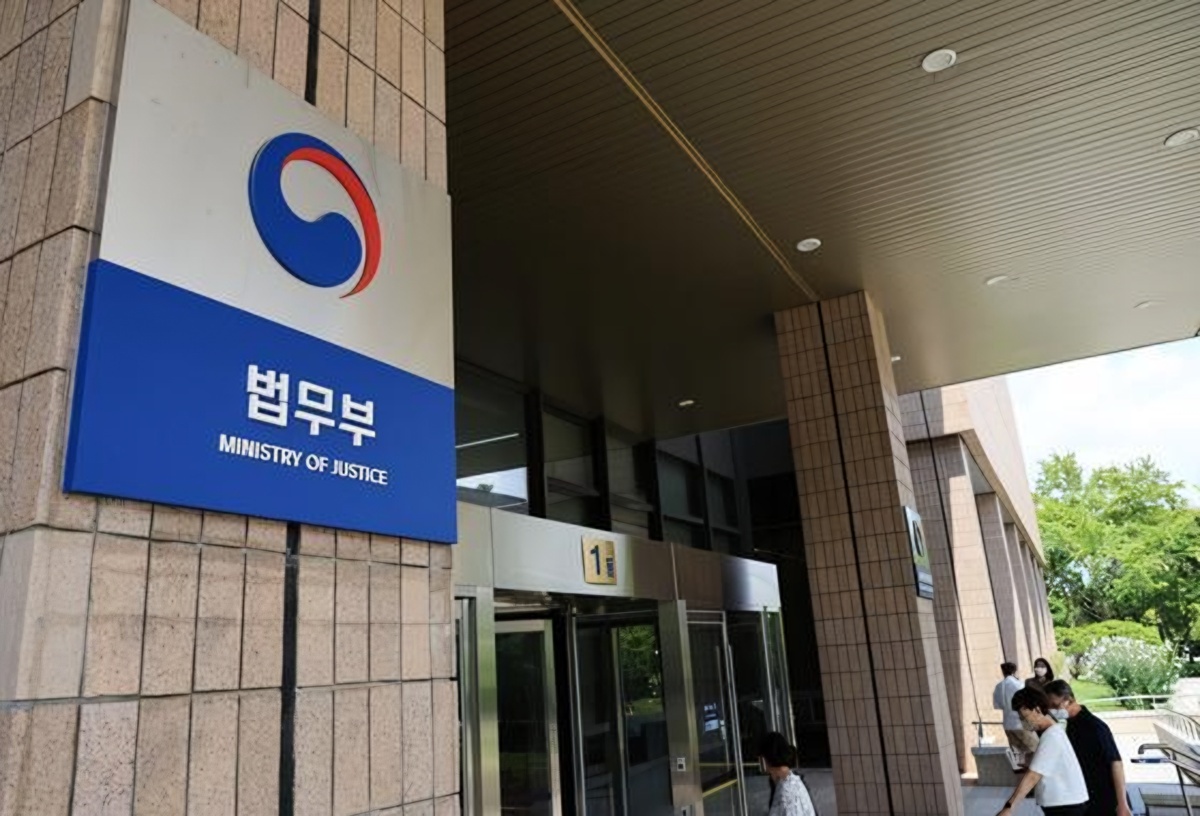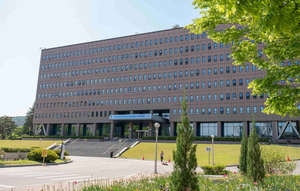
The Ministry of Justice building in Gwacheon, Gyeonggi Province. (Ministry of Justice) South Korea has eased a range of immigration rules over the past year, with changes affecting work visas, foreign students and protections for migrant workers, the Justice Ministry said Monday.The Korea Immigration Service, affiliated with the Ministry of Justice, released a review Monday of immigration policy changes made during the first year of the Lee Jae Myung administration.The ministry said the changes were aimed at connecting foreign talent with local labor demand, supporting regional economies and strengthening protections for immigrants.“The Justice Ministry has achieved tangible outcomes that have been felt by people and local communities,” Justice Minister Jung Sung-ho said.“We will continue to advance immigration and border policies that support local economies and foster shared growth for citizens and immigrants alike.”Work and talent visasWork visa rules have been eased in several fields where foreign labor is considered increasingly important, including high-tech industries, agriculture and regional businesses facing labor shortages.The Top-Tier visa, aimed at highly skilled foreign professionals in advanced industries, and the K-STAR visa, designed for foreign students and researchers in science and technology fields, have been expanded to include foreign professors as well as master’s and doctoral students at more schools.These visas allow eligible foreign nationals to apply for permanent residency after three years.The K-core visa was introduced to help local businesses attract foreign talent. Students enrolled in ministry-designated fields, such as automotive and mechanical engineering, are exempt from financial capacity requirements and allowed to work longer hours.Rules have also been eased to address labor shortages in regions with declining populations. Small businesses, farms and fisheries may hire one foreign seasonal worker without having to first hire a Korean worker.The ministry has also eased rules for issuing work visas in several industries, including construction machinery parts manufacturing, slaughterhouses and aquaculture.Work requirements for applicants for special naturalization have also been eased.Immigrant rightsThe Korea Immigration Service set up the Immigrant Rights Protection Task Force in March to support victims of human rights violations.The task force investigates reports of unfair treatment and provides victims with administrative support when needed. According to the ministry, the task force granted legal status of stay to a victim in the air gun incident that occurred in Hwaseong, Gyeonggi Province, in February.Immigrant Rights Protection Teams have also been placed at immigration offices nationwide to receive reports of violations and provide support.Last November, the government expanded exemptions from public officials’ obligation to report immigrants that lack valid visas to include foreign workers who are victims of wage theft. The measure was intended to allow victims to seek help without fear of exposing their immigration status or facing deportation. (Getty Images) Boosting toursimThe ministry also cited border measures aimed at boosting tourism.In addition to the temporary visa waiver program for Chinese group tourists that began last September, the ministry launched a visa waiver program for Indonesian group tourists this year.More medical institutions have also been reviewed and included as certified medical tourism agencies to meet growing demand from visitors coming to Korea for medical programs.Local safetyThe Justice Ministry also cited efforts to improve local safety through enforcement measures related to drugs, unregistered vehicles and unlicensed driving.“We have tried to keep our community safer through investigative and enforcement efforts on drugs, unregistered vehicles or unlicensed drivers that have threatened local communities,” the ministry said.The Special Voluntary Departure Program was also introduced to allow unregistered immigrants to leave the country voluntarily without facing penalties such as fines or entry restrictions.The Justice Ministry said it expects the policy changes to support local economies and help create safer communities for both Korean nationals and foreign residents.
What changed for foreign visa holders in Korea over past year
South Korea has eased a range of immigration rules over the past year, with changes affecting work visas, foreign students and protections for migrant workers,
606 words~3 min read