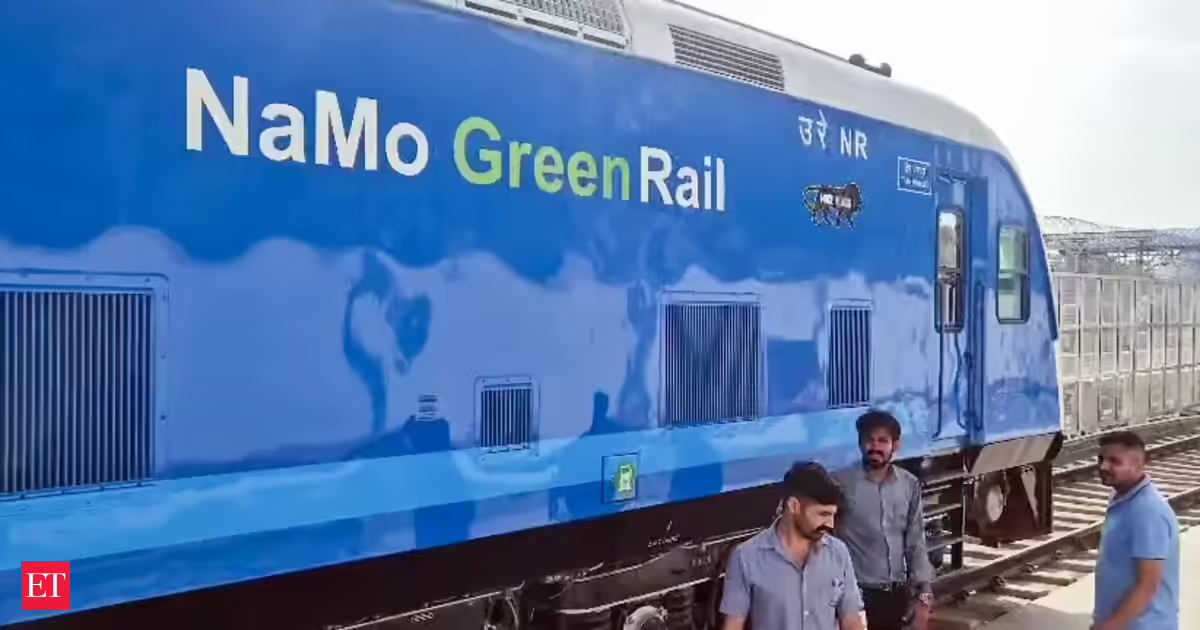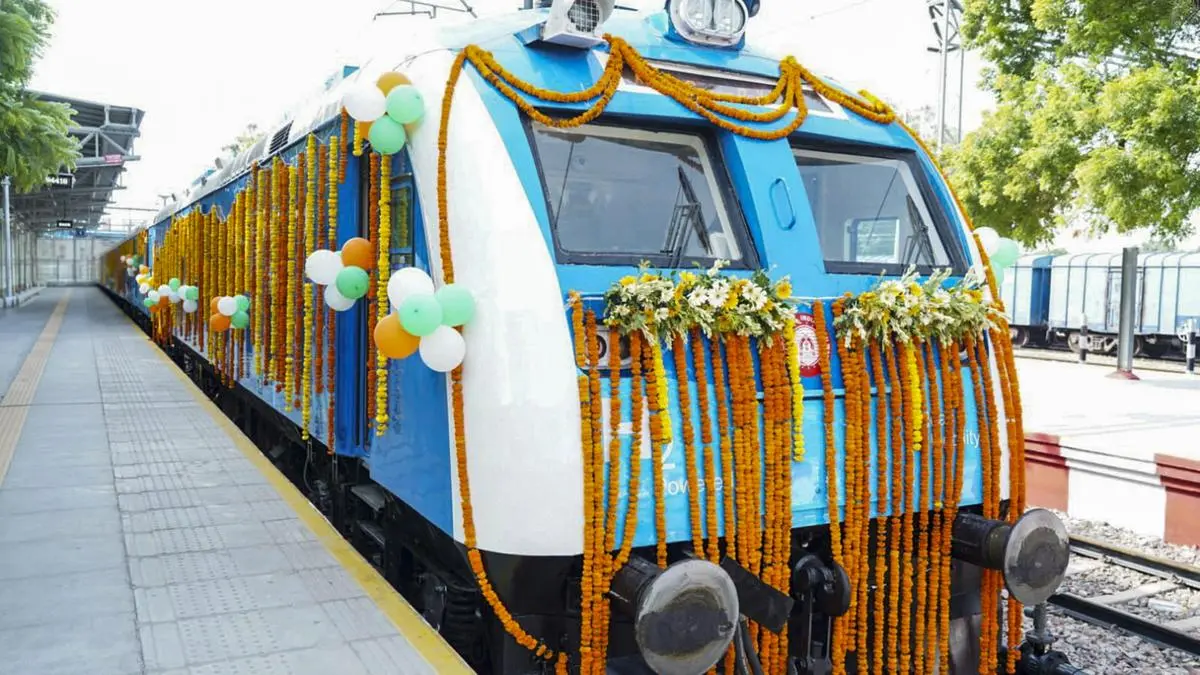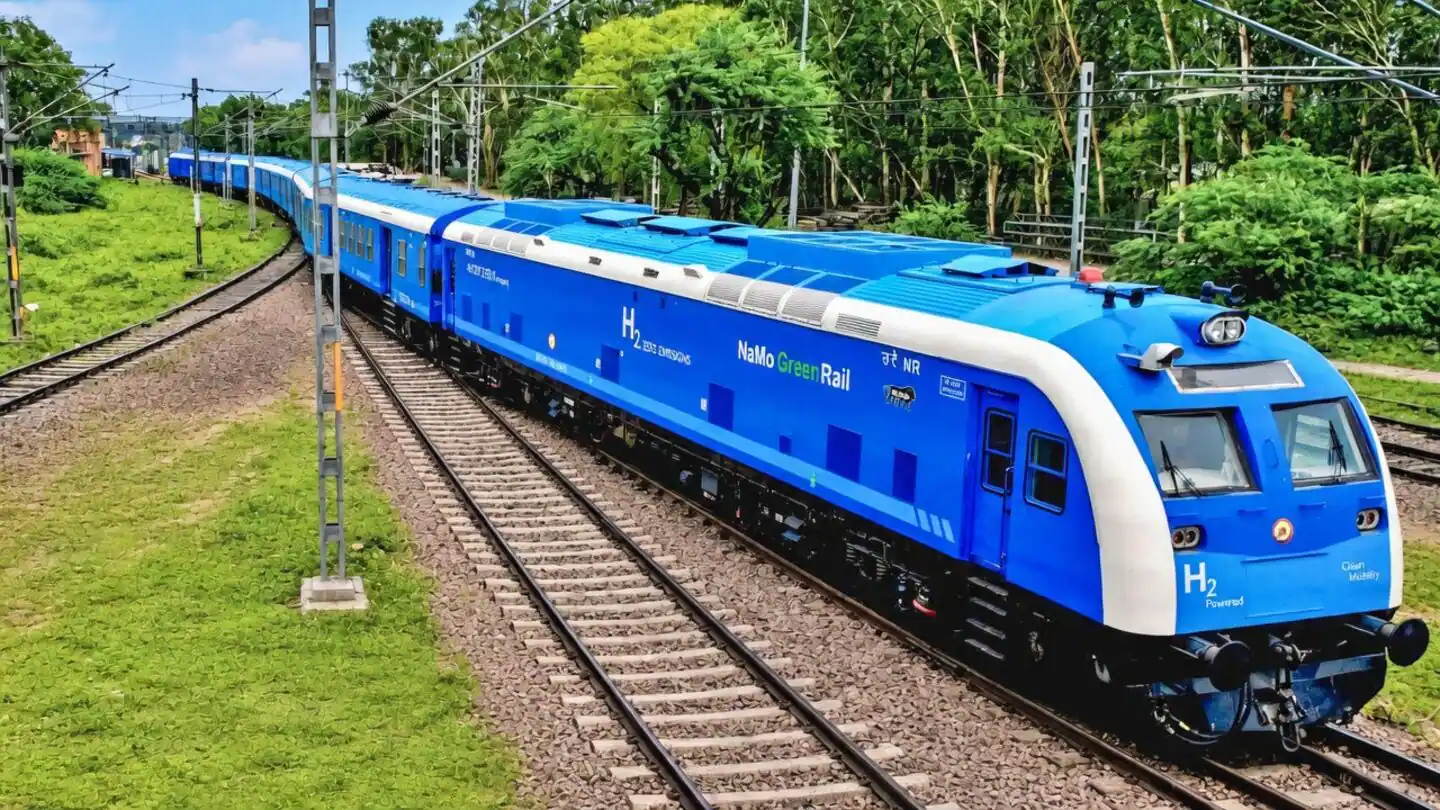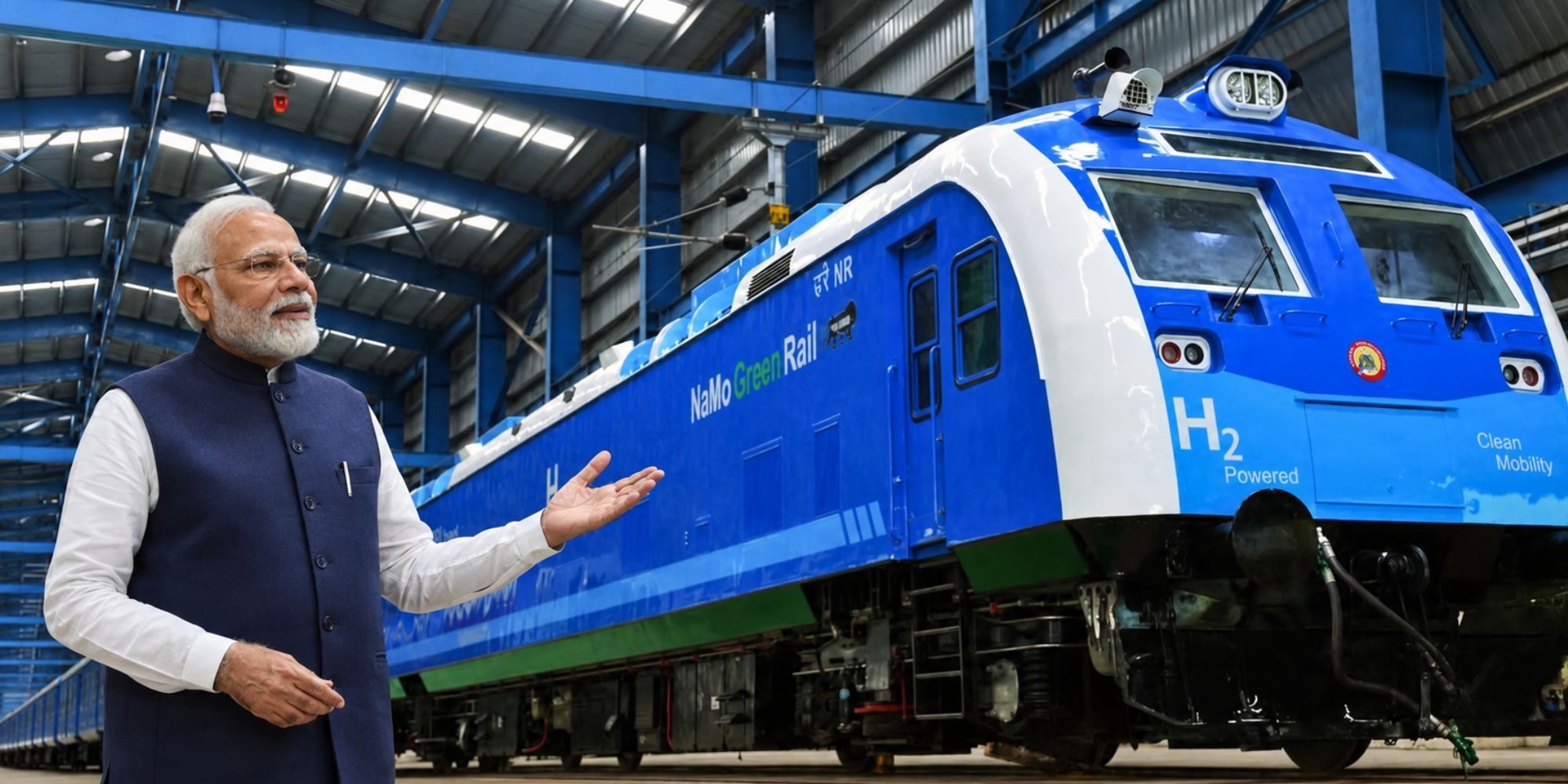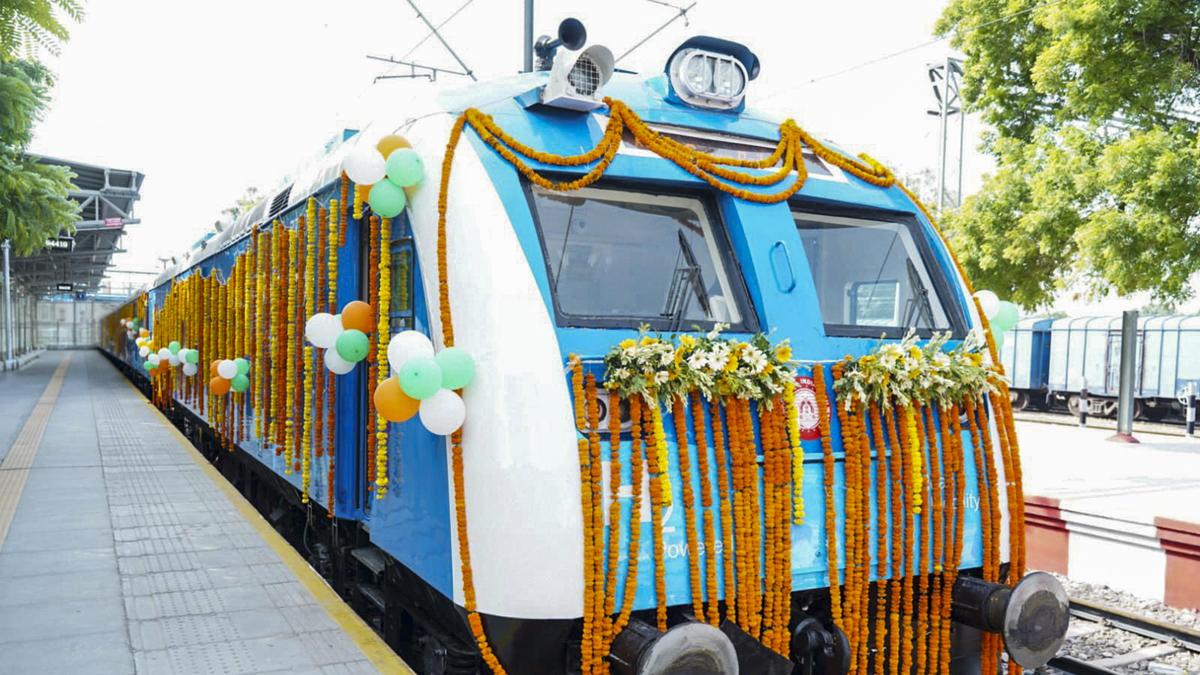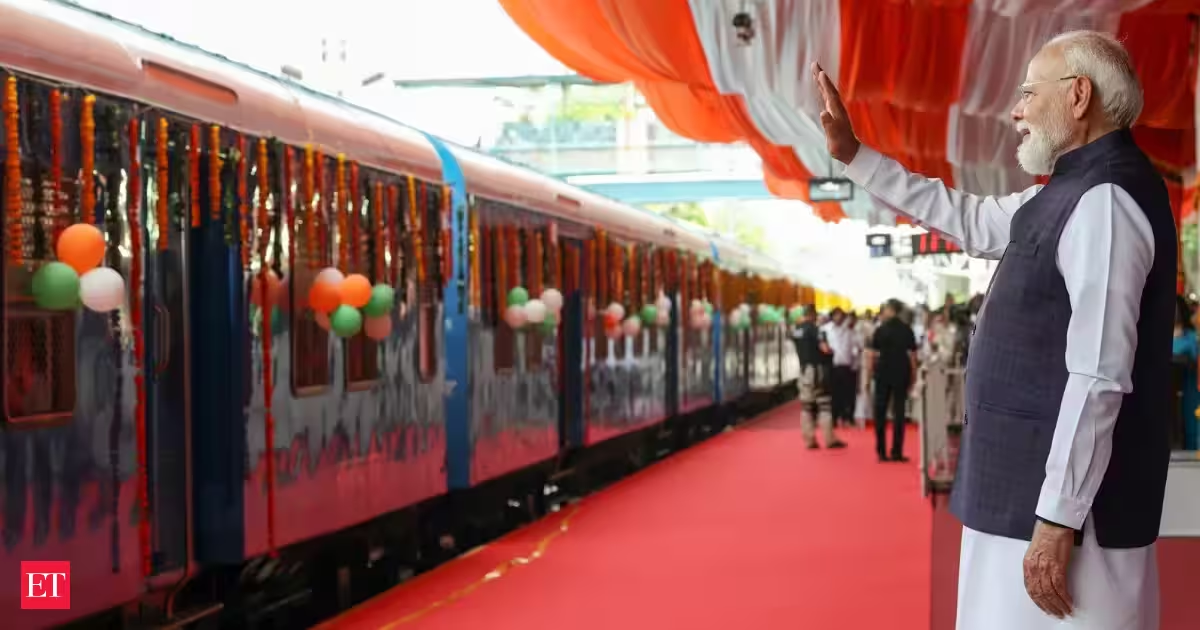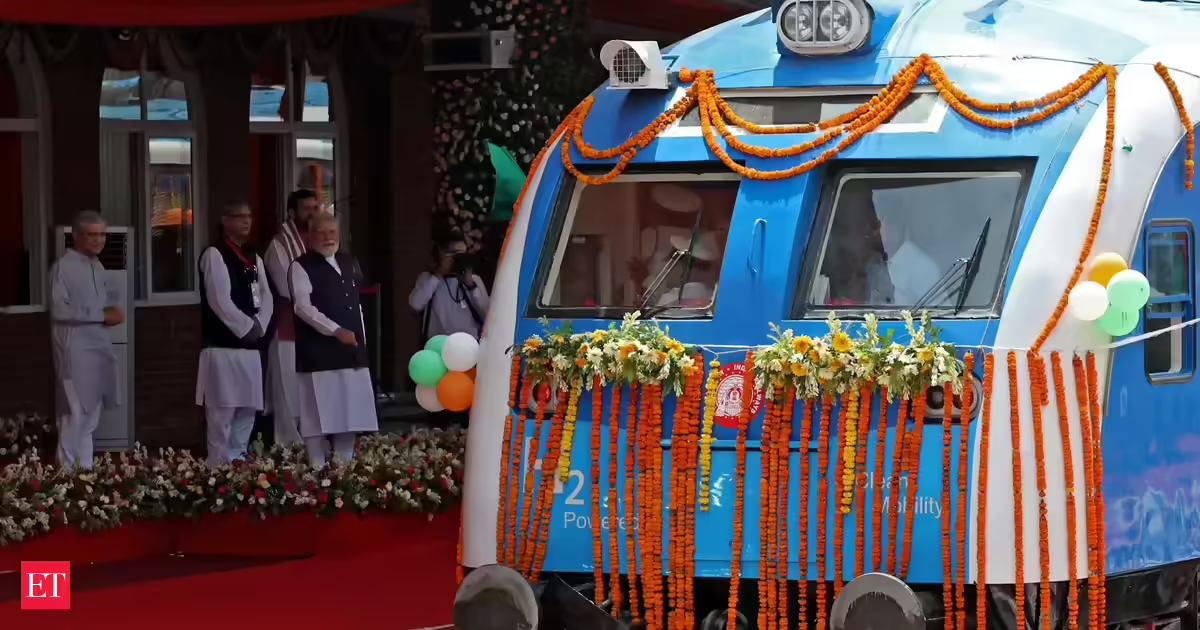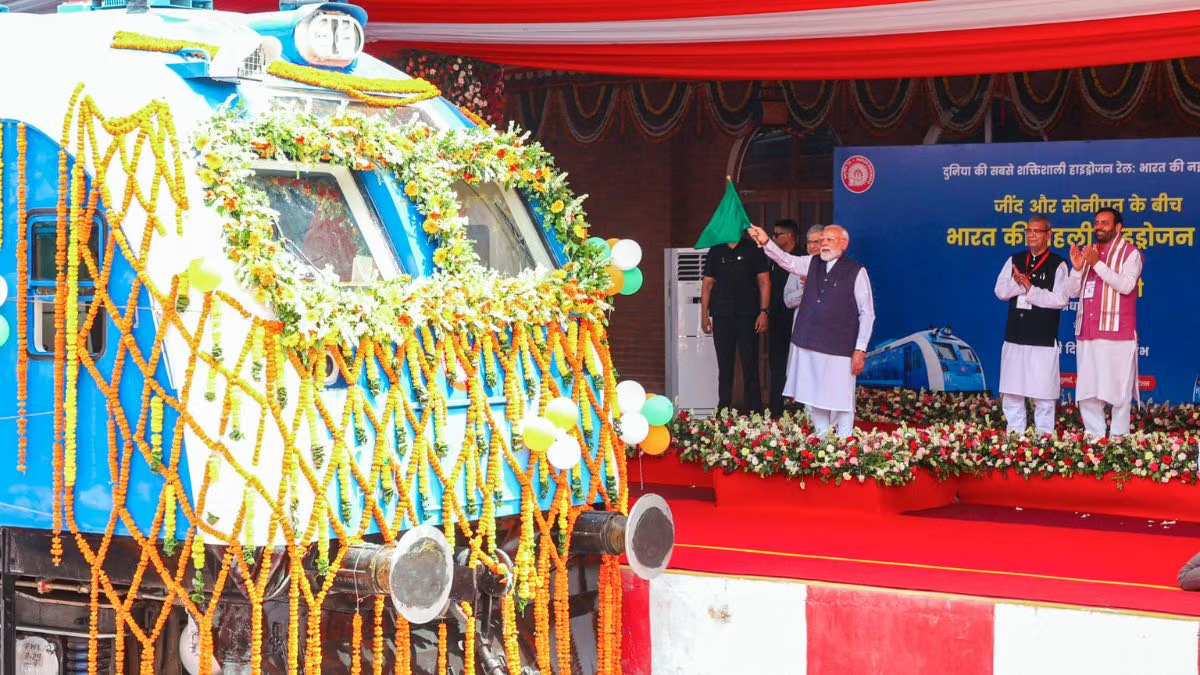
Last week another station was added in the journey for Atmanirbhar Bharat. PM Modi launched India’s first hydrogen-powered train. It was flagged off from Jind Station, Haryana. This locomotive will generate its own electricity, on board the train, using an advanced propulsion technology, with “dedicated hydrogen storage, refuelling and operational infrastructure.”
India in an elite club
Hydrogen trains are a step toward the decarbonisation of the railway systems. By flagging it off, India joins an elite club of five nations that have the engineering capability and battery cell technology to deploy such trains. Germany was the first country to introduce zero emission passenger trains powered by hydrogen way back in 2018, and was followed by Japan, China, and the US. Several other countries, including the UK and France, are testing out this technology.Merely replacing diesel with hydrogen is not what it takes—a country needs to master several technologies simultaneously. First, the production of green hydrogen is required, which needs to be stored at very high pressures. Fuel cell technologies are still at nascent stages of development and high-power batteries are cost-prohibitive. Robust energy management systems need to be in place. Railway engineering systems need to be strong and safety certifications need to be spot on. Unlike electric trains, hydrogen trains also require an entirely new fuel ecosystem, as per the World Economic Forum.