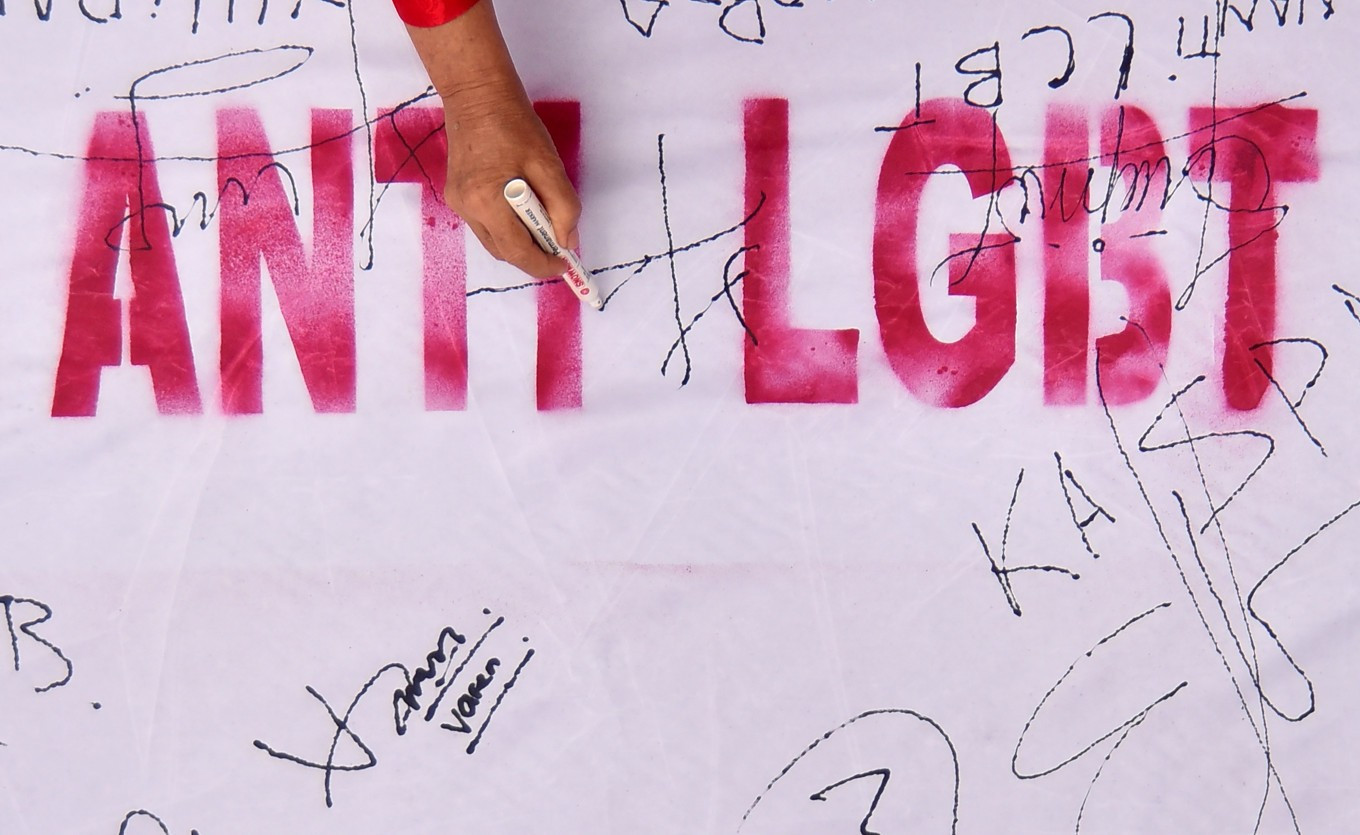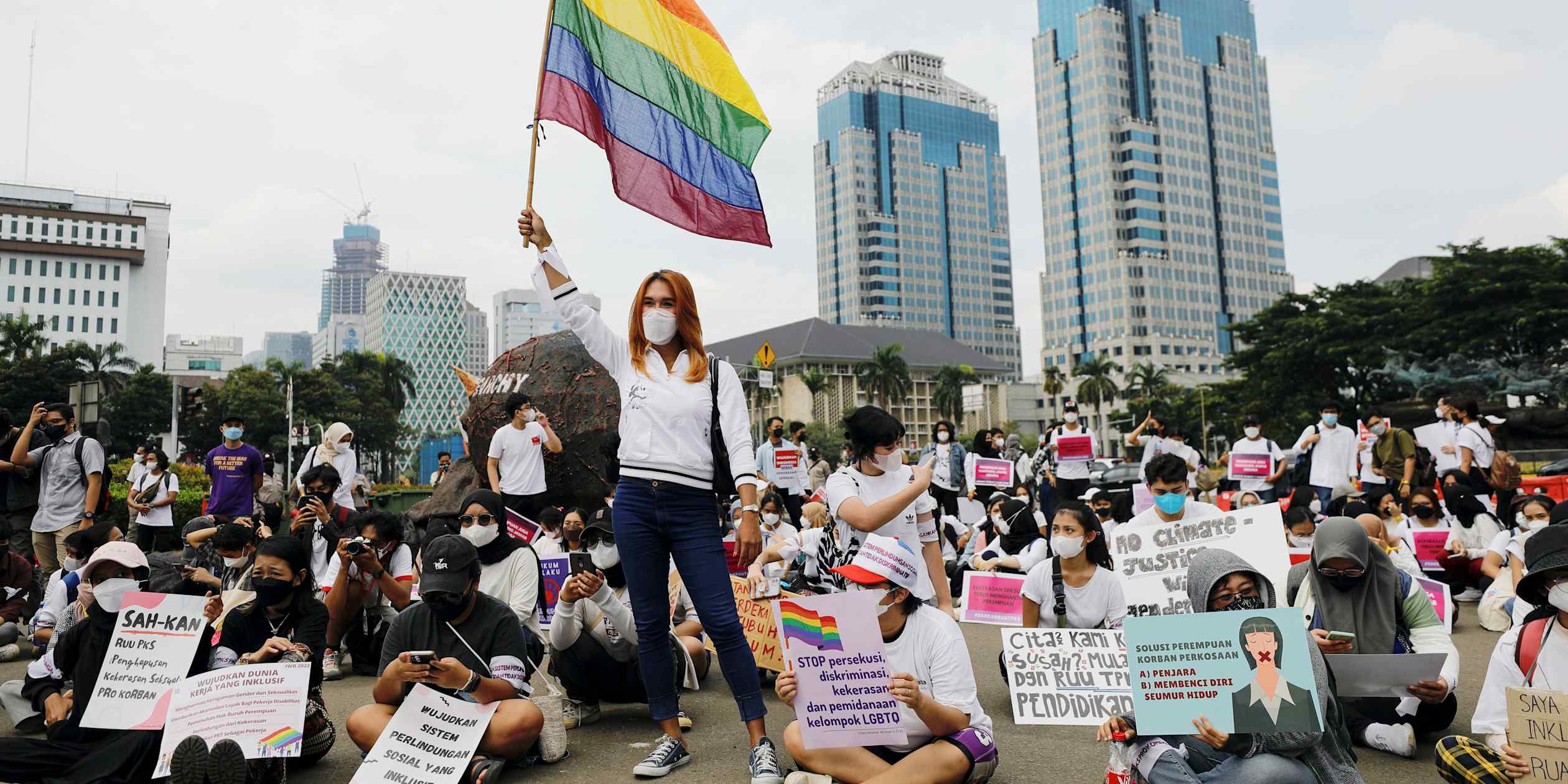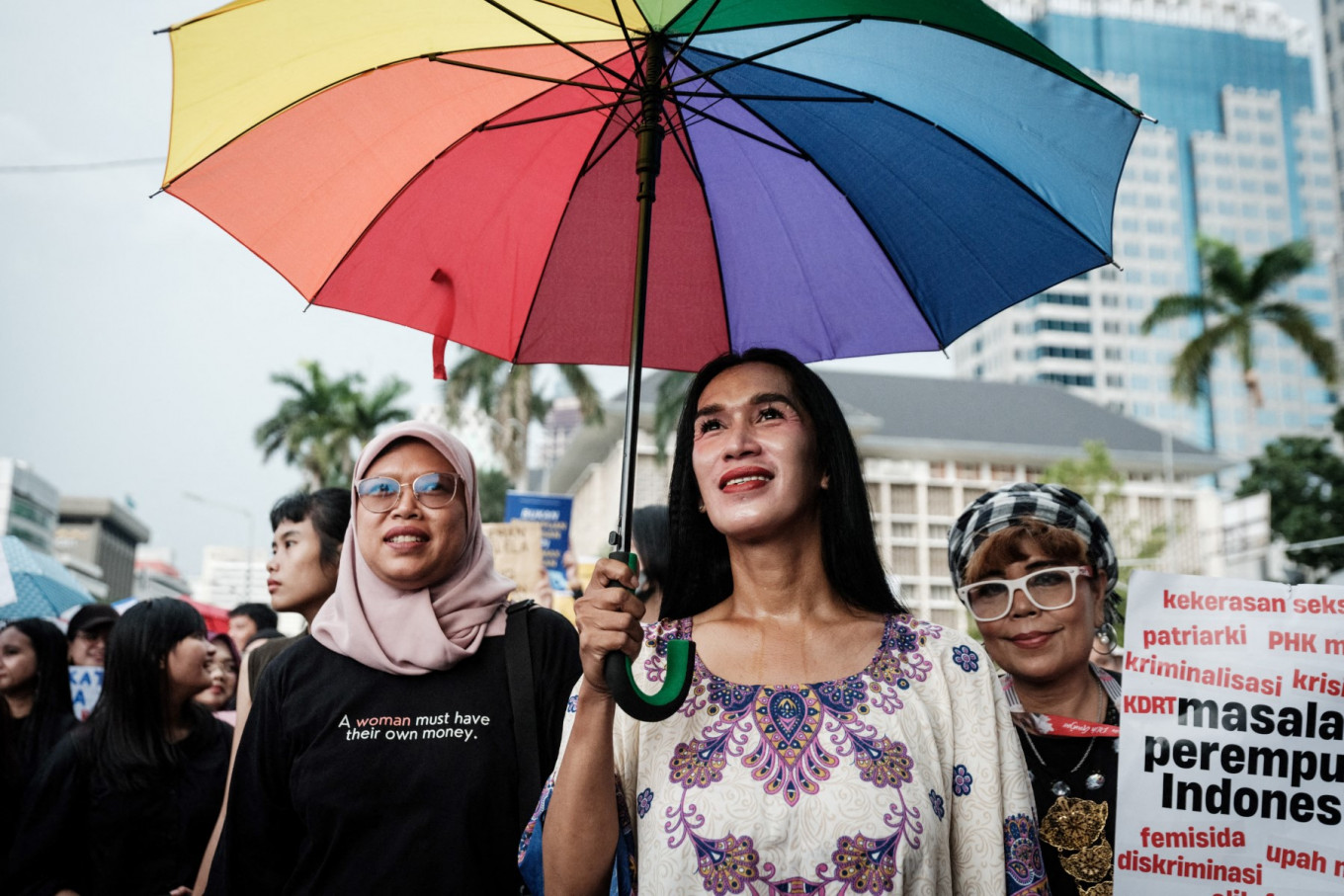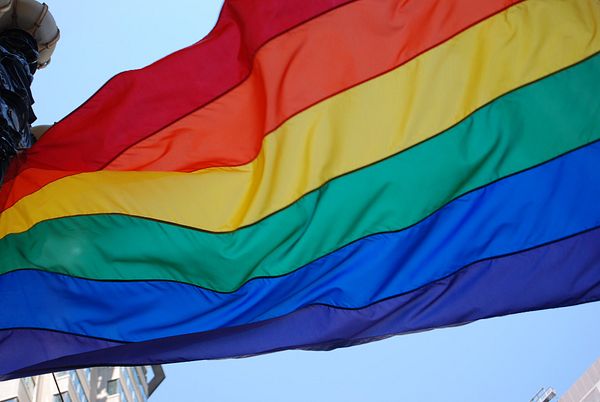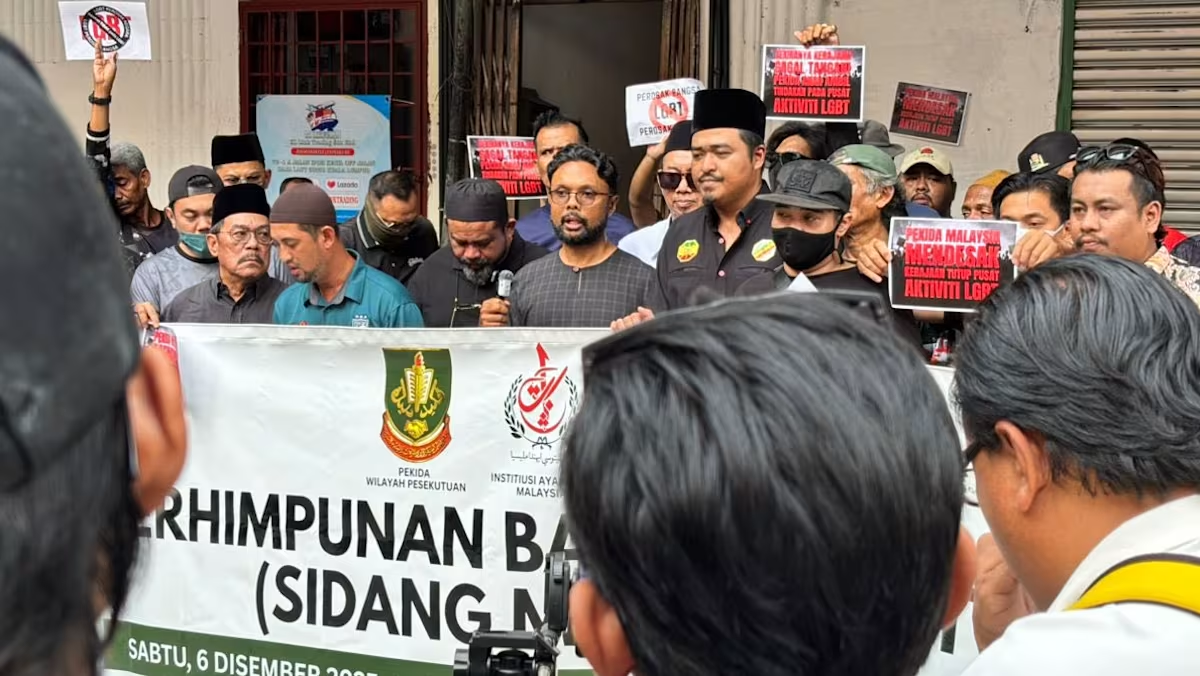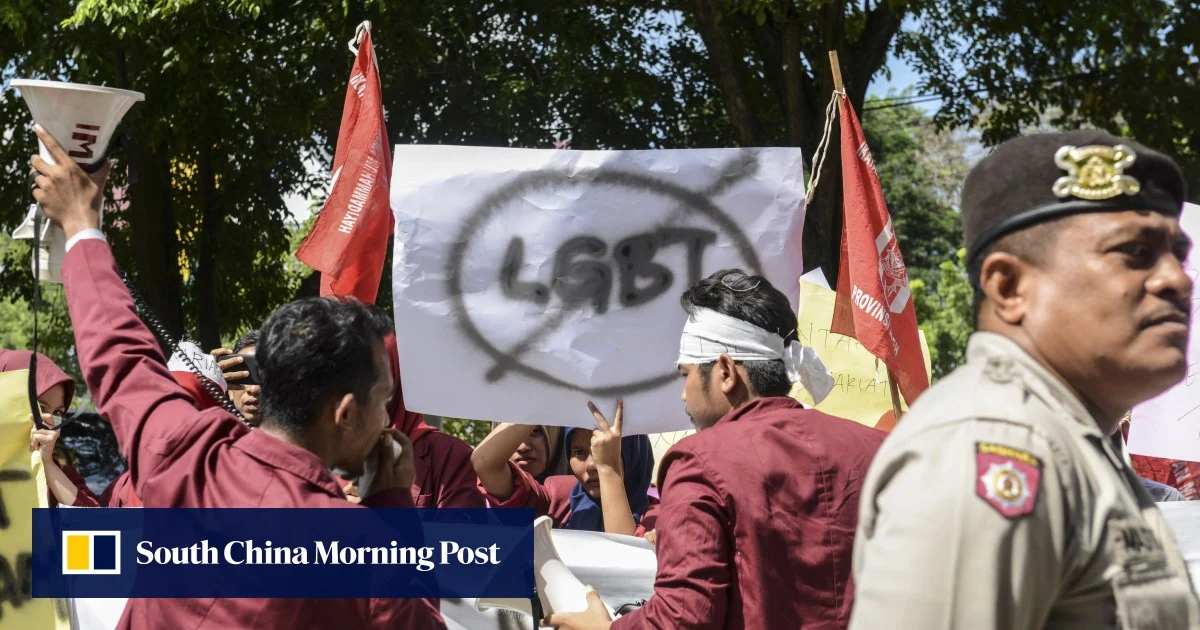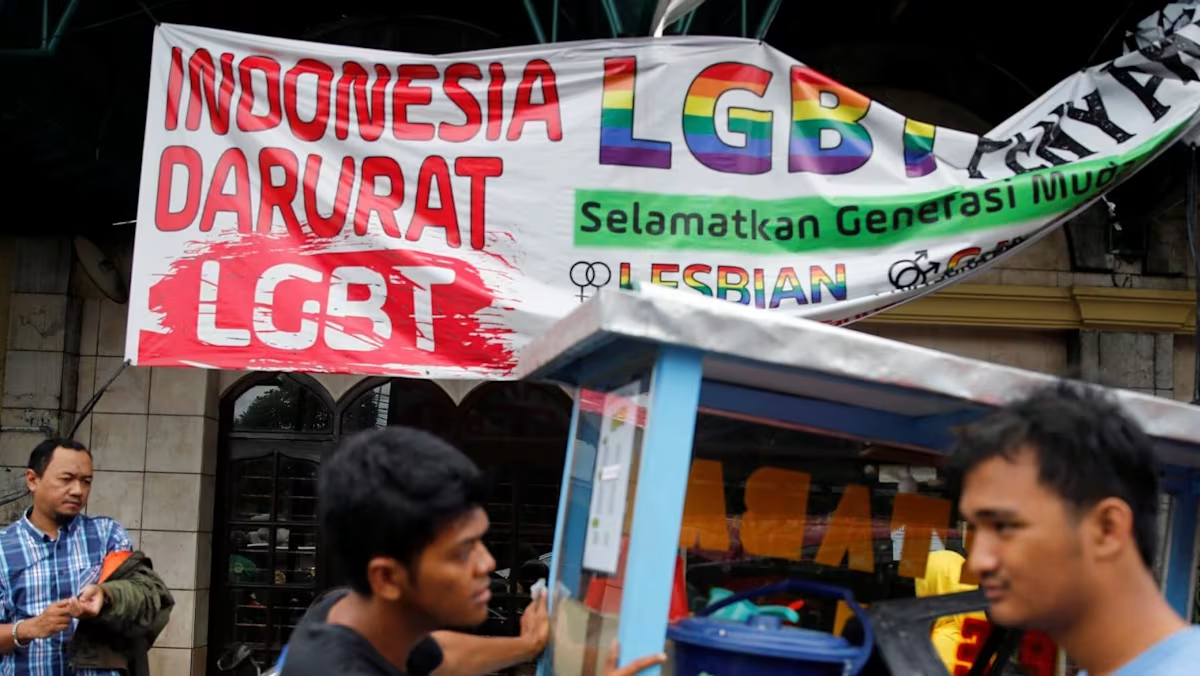
SINGAPORE: For more than eight months, a provision tucked away in an Indonesian presidential regulation on national defence drew little public attention.In an appendix to Presidential Regulation No. 111/2025 on the General National Defence Policy signed in October last year, the government classified the "spread of LGBTQ culture" as one of the country's non-military threats. The clause, referring to lesbian, gay, bisexual, transsexual and queer culture, appeared alongside a range of other threats deemed capable of affecting national resilience. They included illegal trafficking, natural resource theft, terrorism, atheism and radicalism.A presidential regulation is a legally binding regulation published in the State Gazette, while General National Defence Policy documents are highly technical and usually attract little public attention outside government and defence circles.But a series of developments thrust the provision into the public eye this month, sparking a debate on the place of LGBTQ issues in state policy and the extent to which social issues should be framed within Indonesia's defence strategy.The issue quickly spread beyond social media into mainstream Indonesian media with national outlets including Antara, Kumparan, and Tempo examining the regulation and prompting public responses from senior government officials.Some observers and activists say the clause could heighten discrimination against LGBTQ individuals in society, even as Indonesian ministers have defended the regulation while saying the government has no intention of curtailing the fundamental rights of citizens."As Indonesian citizens, LGBTQ people are entitled to education, employment, healthcare and other public services without restrictions, segregation or discrimination," Indonesia's Human Rights Minister Natalius Pigai told CNA in a phone interview.
How a national security threat label has reignited Indonesia's LGBTQ debate
Indonesia last October classified the "spread of LGBTQ culture" as one of the country's non-military threats. A series of developments thrust the provision into the public eye this month, sparking a debate.
1,764 words~8 min read