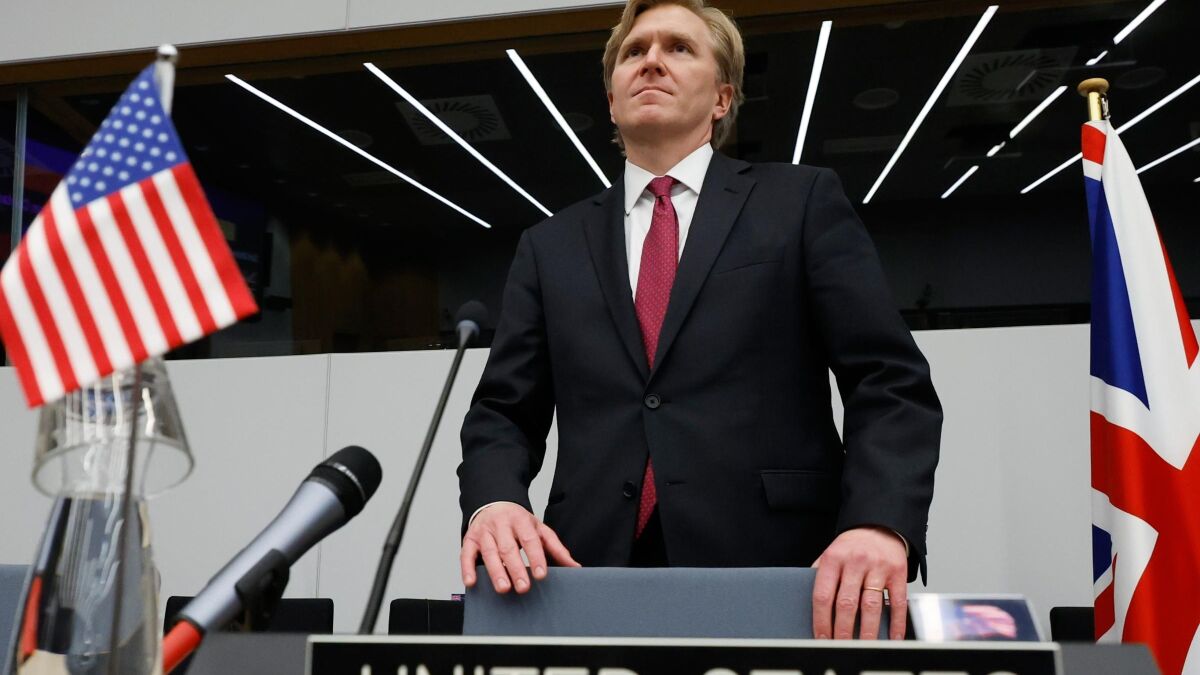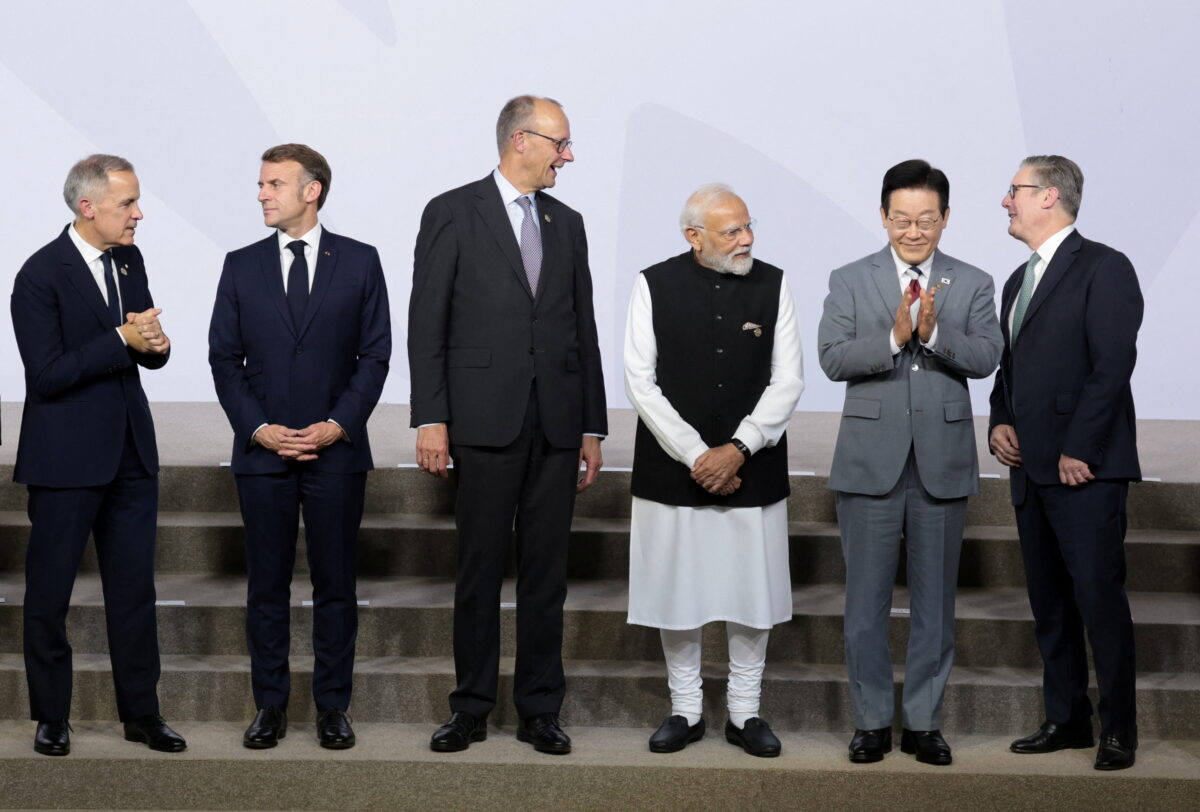
Recent criticism by Elbridge Colby, the U.S. deputy assistant secretary of defense for strategy and force development, whose work has significantly shaped recent American defense thinking, of the emerging debate on middle-power autonomy deserves serious attention. Colby is right on one important point: no single middle power, and probably no loose coalition of middle powers, can militarily match the United States. Nor is there a coherent “middle-powers movement” united by a common ideology, threat perception or geopolitical project. Türkiye, India, Brazil, Saudi Arabia, Indonesia, South Korea and the major European states do not view the world in the same way. Their interests often diverge and, at times, directly collide.
Yet, Colby draws the wrong conclusion from these realities. The absence of military parity does not make autonomy meaningless, and the difficulty of building a unified bloc does not eliminate the strategic significance of middle powers. The real question is not whether they can replace the U.S. They cannot. The question is whether the U.S. can achieve its own strategic objectives without them. Increasingly, it cannot.
This is the central contradiction in Colby’s argument. Washington wants its allies and partners to spend more, produce more, assume greater regional responsibility and reduce the burden on the U.S. But once these states acquire greater military, industrial and diplomatic capacity, Washington becomes uncomfortable with the political autonomy that follows. It wants stronger partners, but not more independent ones; more burden-sharing, but not more power-sharing; greater defense production, but continued dependence on the American defense industrial base.