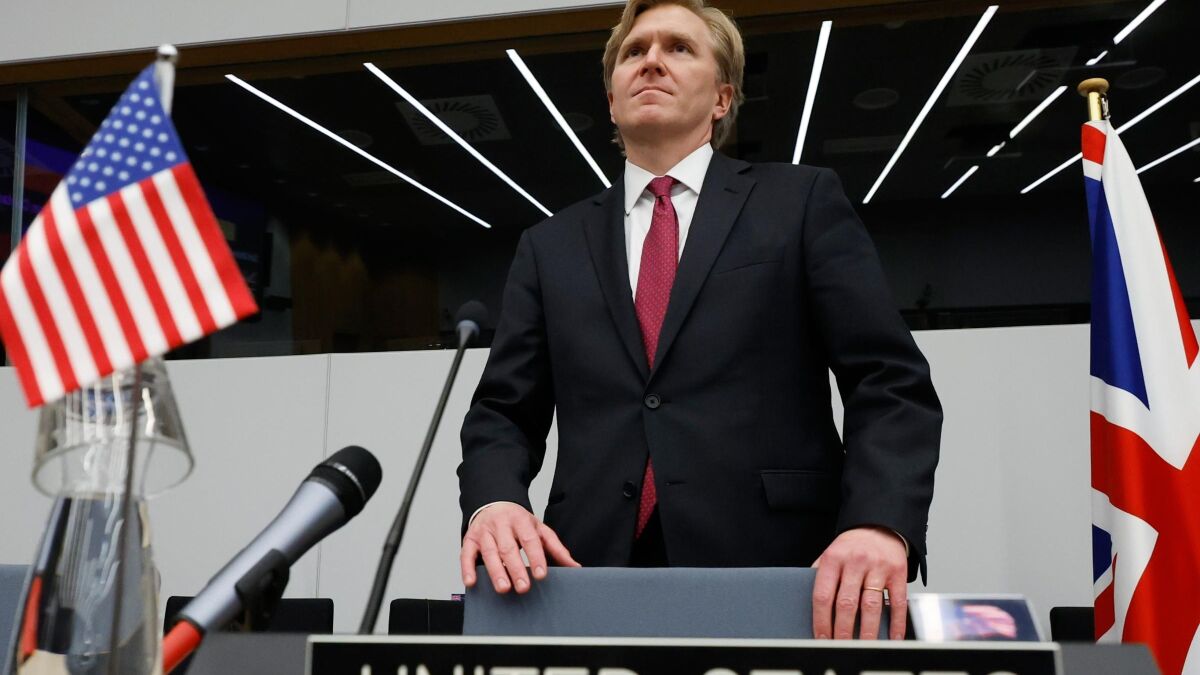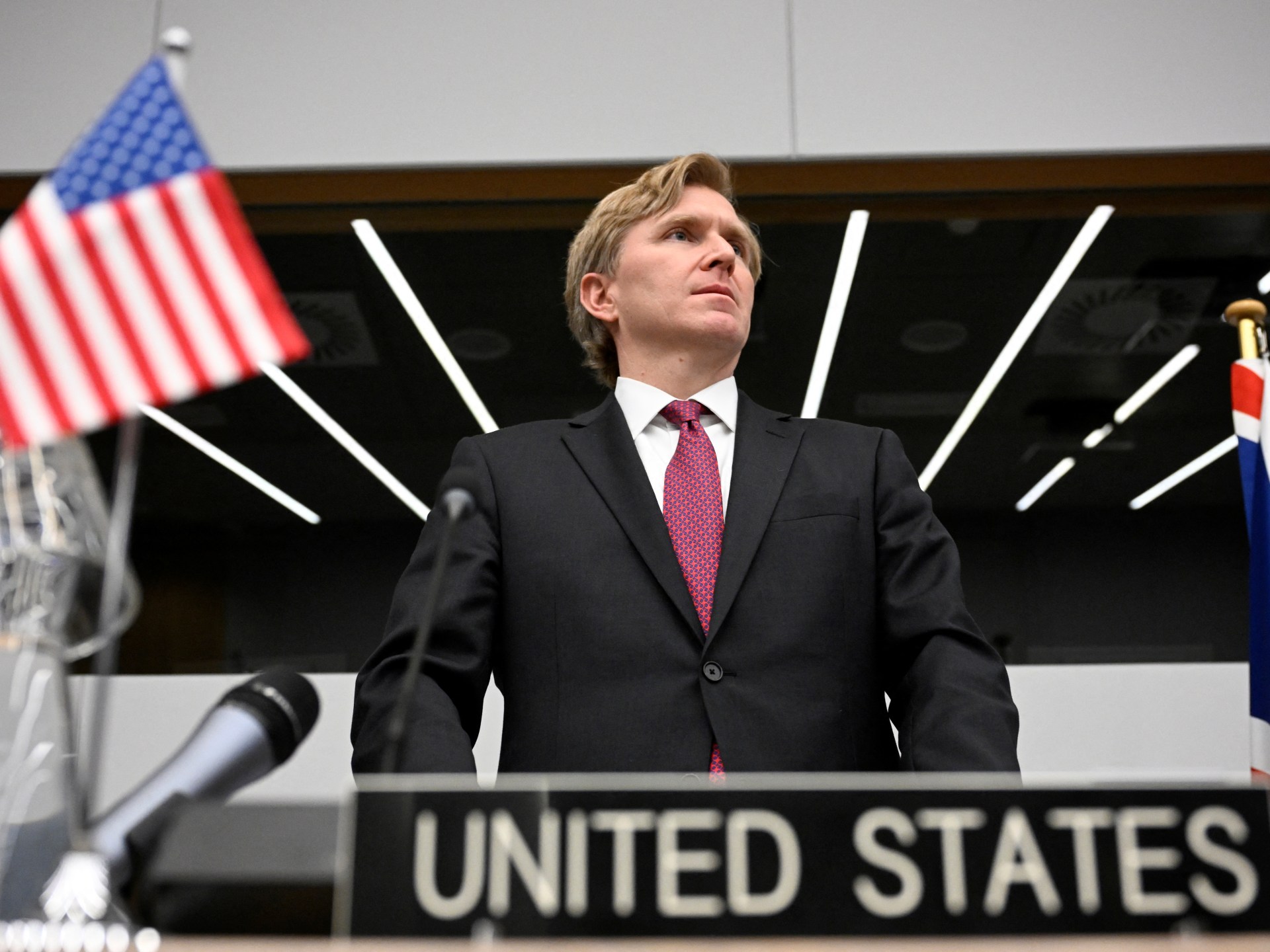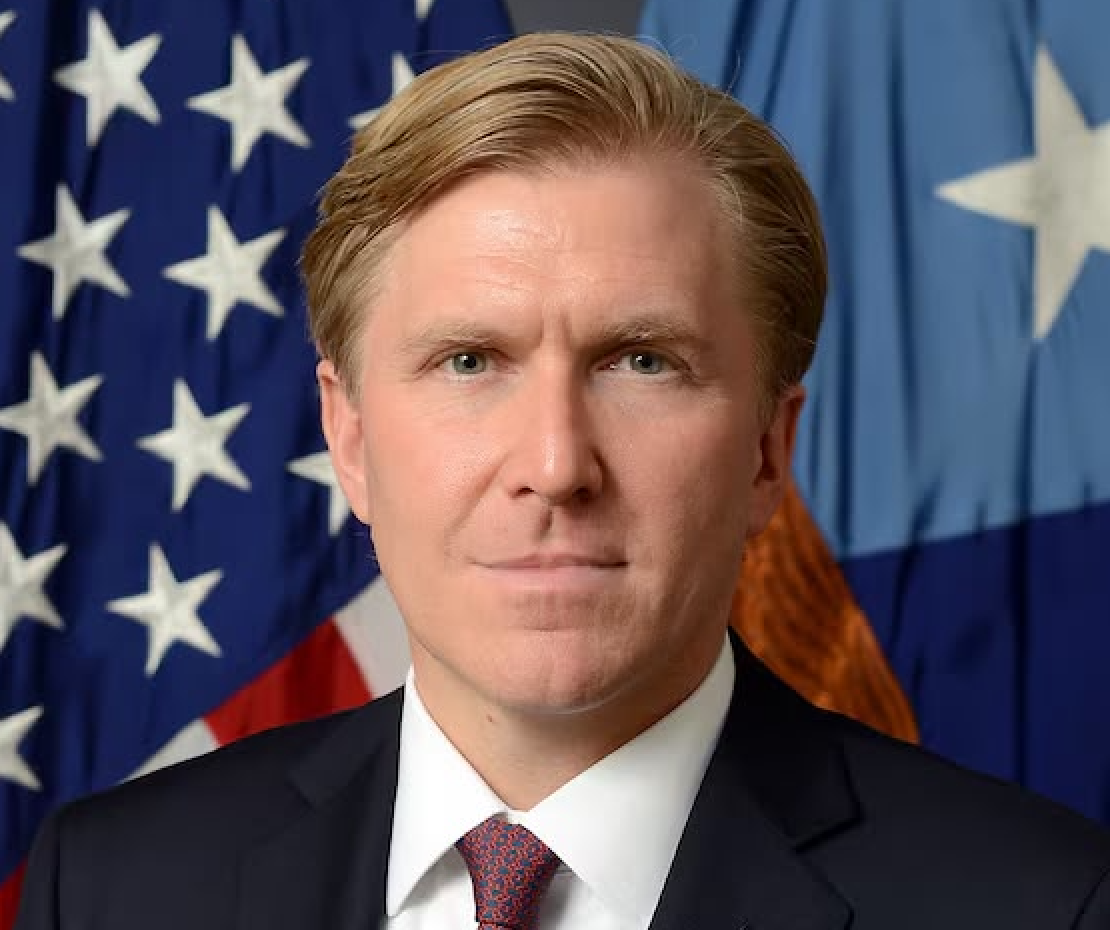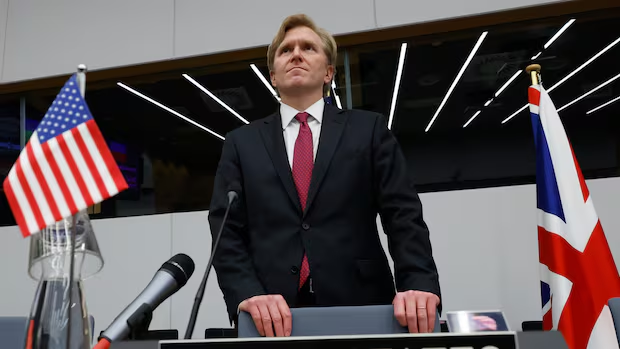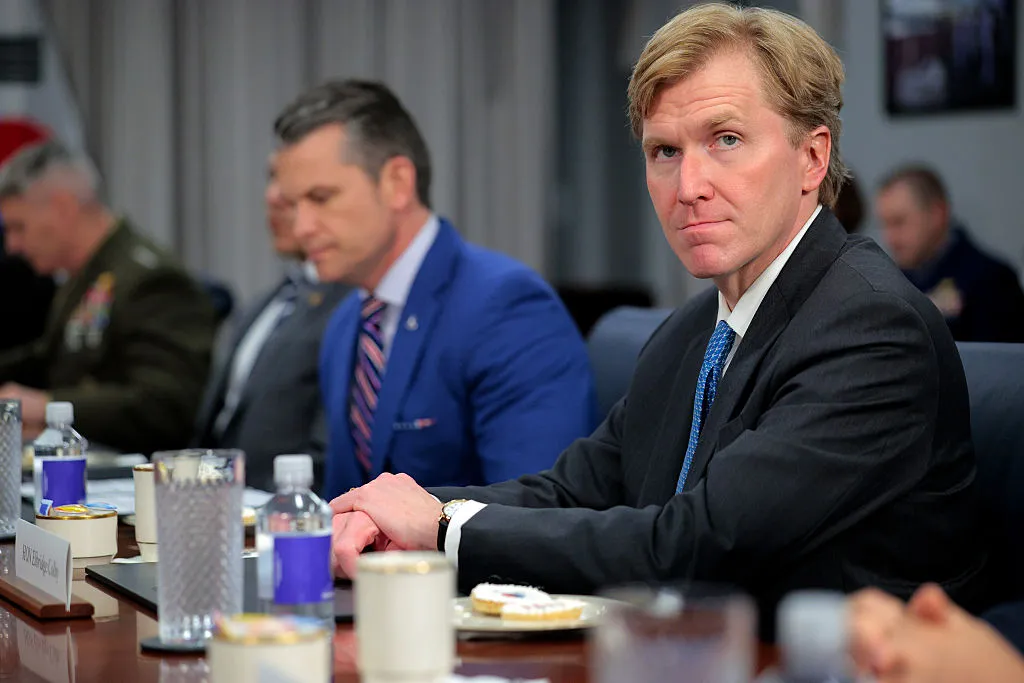
It is hardly news that US relations with the rest of NATO (“rNATO” hereafter) are at an unprecedentedly low ebb. But they took a new and interesting twist last week when the US Under Secretary of War for Policy, Elbridge Colby, issued a curious statement via social media, opining that “middle powers” have no coherent basis for alignment independent of the United States, and that they would therefore be foolish to try.
The “middle powers” in question here are erstwhile US allies with enough of their own wealth and technological capacity to pursue meaningful sovereign capabilities, but not enough to independently rival systemic great powers such as the United States (the likes of Germany, Japan, Britain, Canada, Australia and so forth).
Colby is a serious strategic mind. His earlier work on strategic stability and the perils of nuclear abolition is excellent, for example. He also has a coherent strategic vision for the United States (pivoting US power to deny any Chinese bid for hegemony in the Indo-Pacific by deprioritizing other theaters). His superiors appreciate neither – but that’s hardly his fault. Such recognition notwithstanding, however, his statement still contained at least five key tensions.