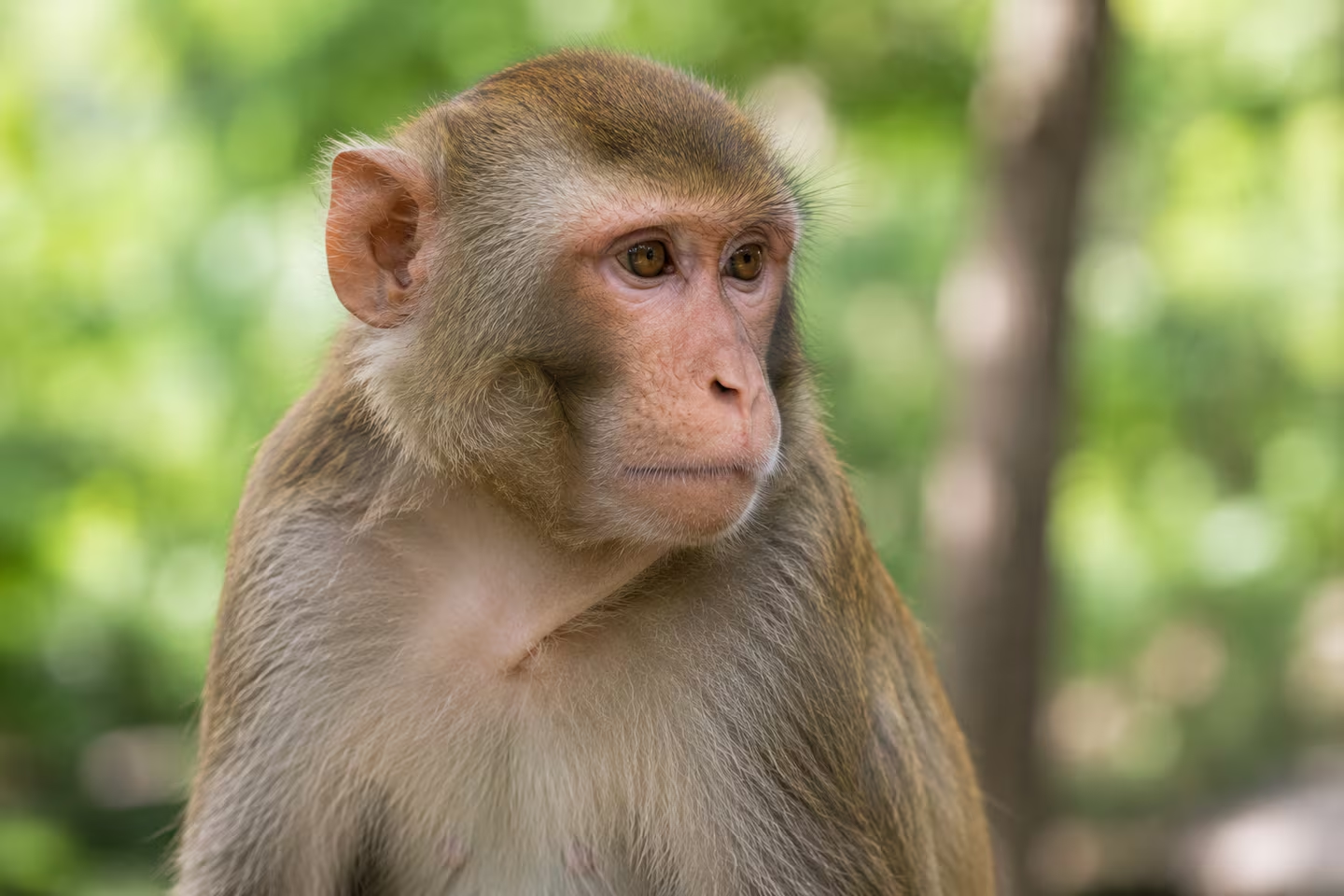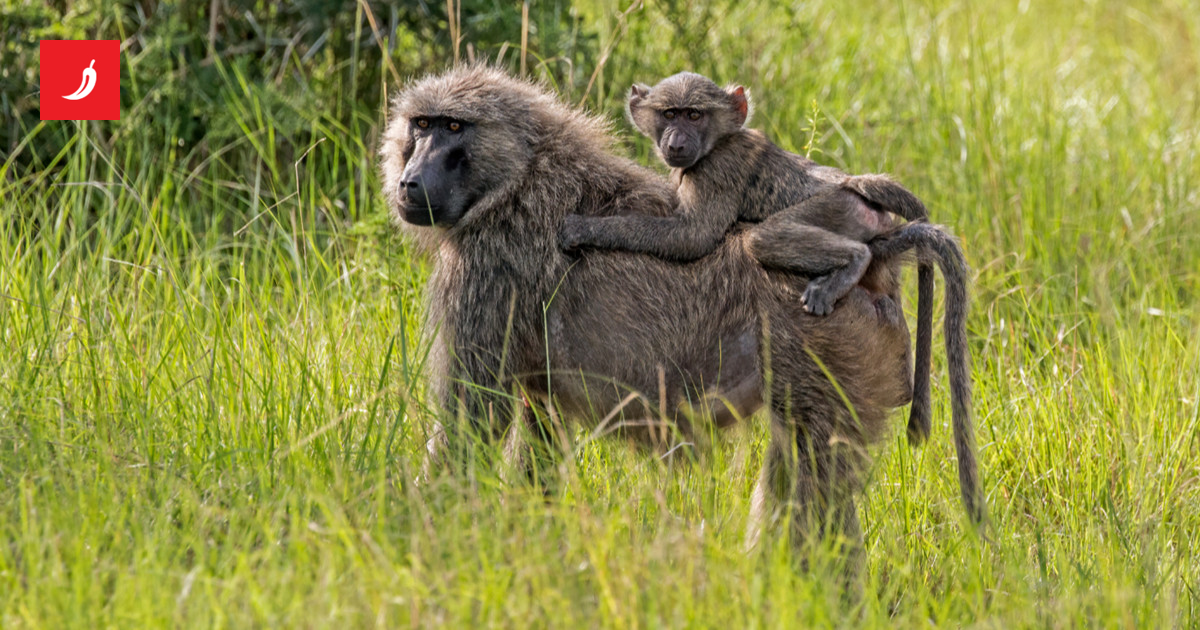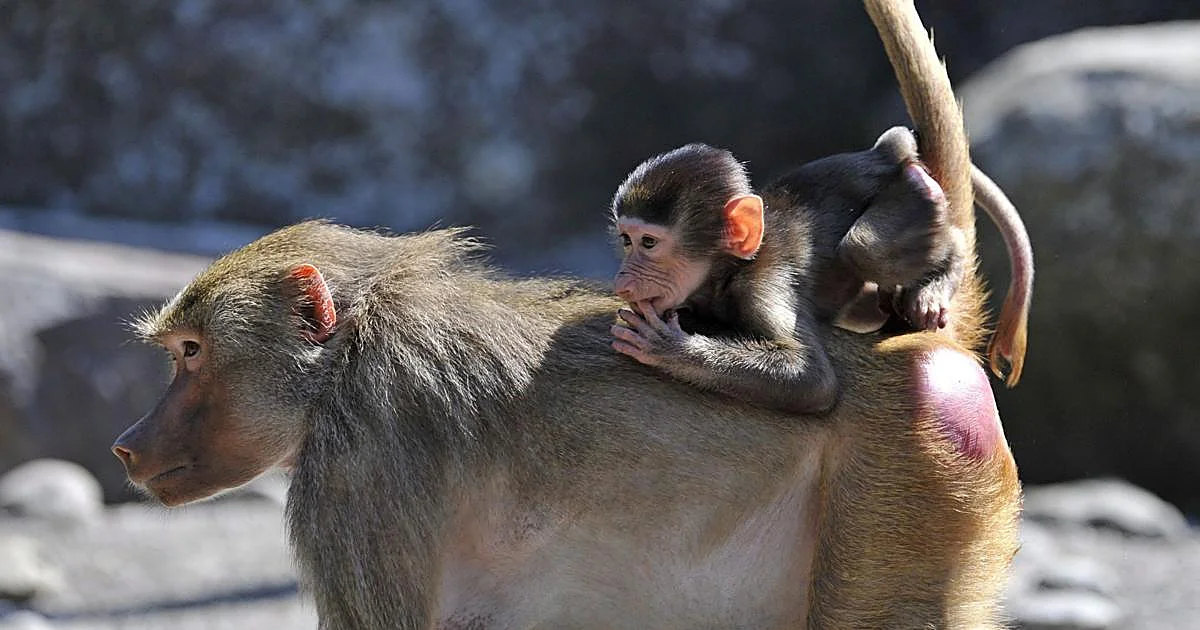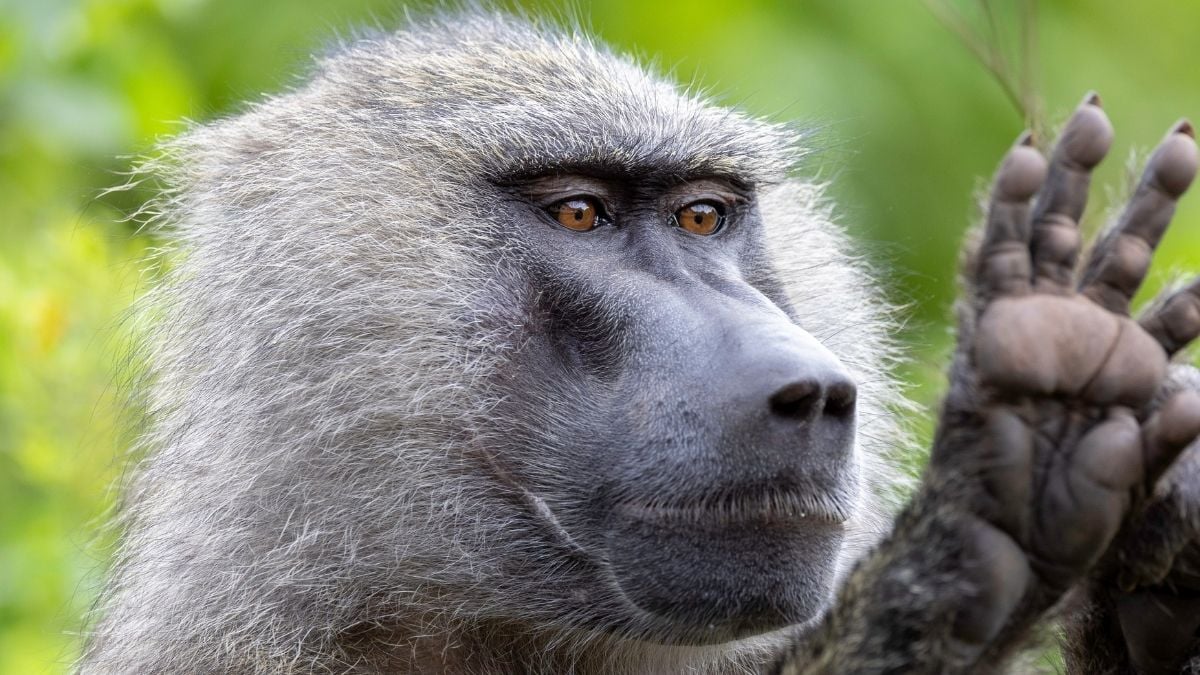
If you've ever gone hiking and reached a fork in the trail, you may be confronted with two triangles: one pointing right, one pointing left. You know the direction they're pointing has meaning, but at the same time, you know these are two of the same shapes, rotated to signify direction.That ability to recognize geometrically identical shapes, even when they're rotated, often comes in handy for human beings – but it turns out we're not the only animals capable of doing it.When it comes to understanding geometry, a lack of formal education may be one of the only things holding back our primate relatives.Scientists at Carnegie Mellon University led a team to investigate just how different our understanding of shapes is from that of other primates.Their findings come from experiments involving eight adult monkeys – four rhesus macaques (Macaca mulatta) and four olive baboons (Papio anubis), 55 preschoolers (ages 3-6) from the United States, and 77 Indigenous Tsimane' adult volunteers with minimal formal education.The monkeys actually enjoyed the matching game so much that they would often form a line – with arguments ensuing if someone was hogging the game, as this baboon, Kalamata, often did. (Scott Hamilton/RIT)They also used a subset of data from a previous study that included baboons, French preschoolers and first-graders, and French and Indigenous Himba adults, analyzing it in parallel."By studying adults with informal geometry education alongside adults who formalize geometry education (like in the US), and children and monkeys, we could ask which aspects of geometric reasoning emerge naturally and which are strengthened specifically through education," developmental neuroscientist Jessica Cantlon told ScienceAlert.Monkeys may not have the same symbolic understanding of geometric shapes that we do, but their ability to recognize rotated triangles, rectangles, trapezoids, and others in a line-up is pretty much on par with untrained human minds.Participants of all ages and species were required to complete a matching task using a touchscreen. The goal was to find pairs of shapes with the same geometry (e.g., two right-angled triangles) that might be rotated slightly differently or scaled to different sizes, among a jumble of geometric shapes.
Monkeys Have Geometric Skills On Par With Human Preschoolers, Study Suggests
If you've ever gone hiking and reached a fork in the trail, you may be confronted with two triangles: one pointing right, one pointing left.
785 words~4 min read