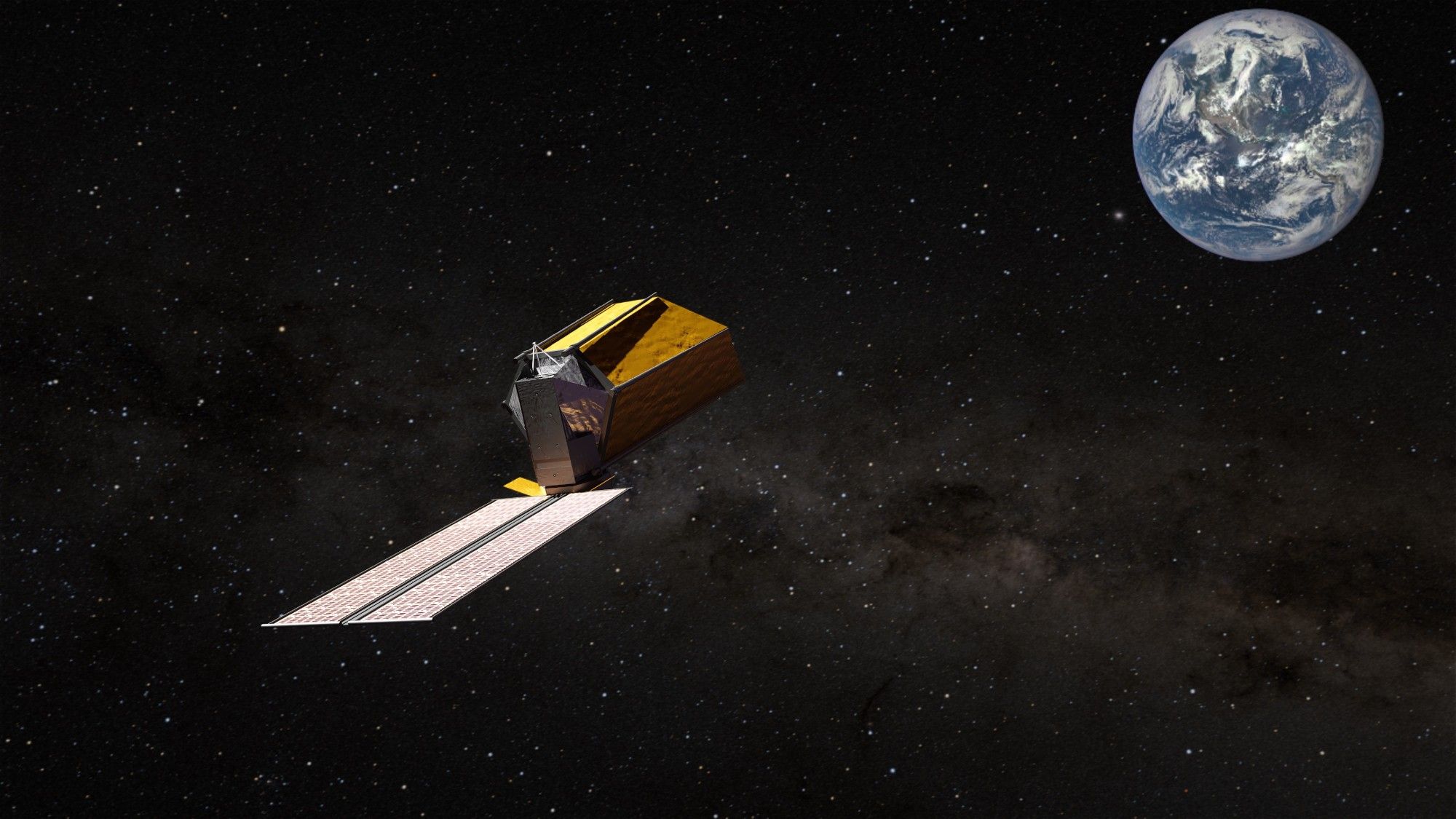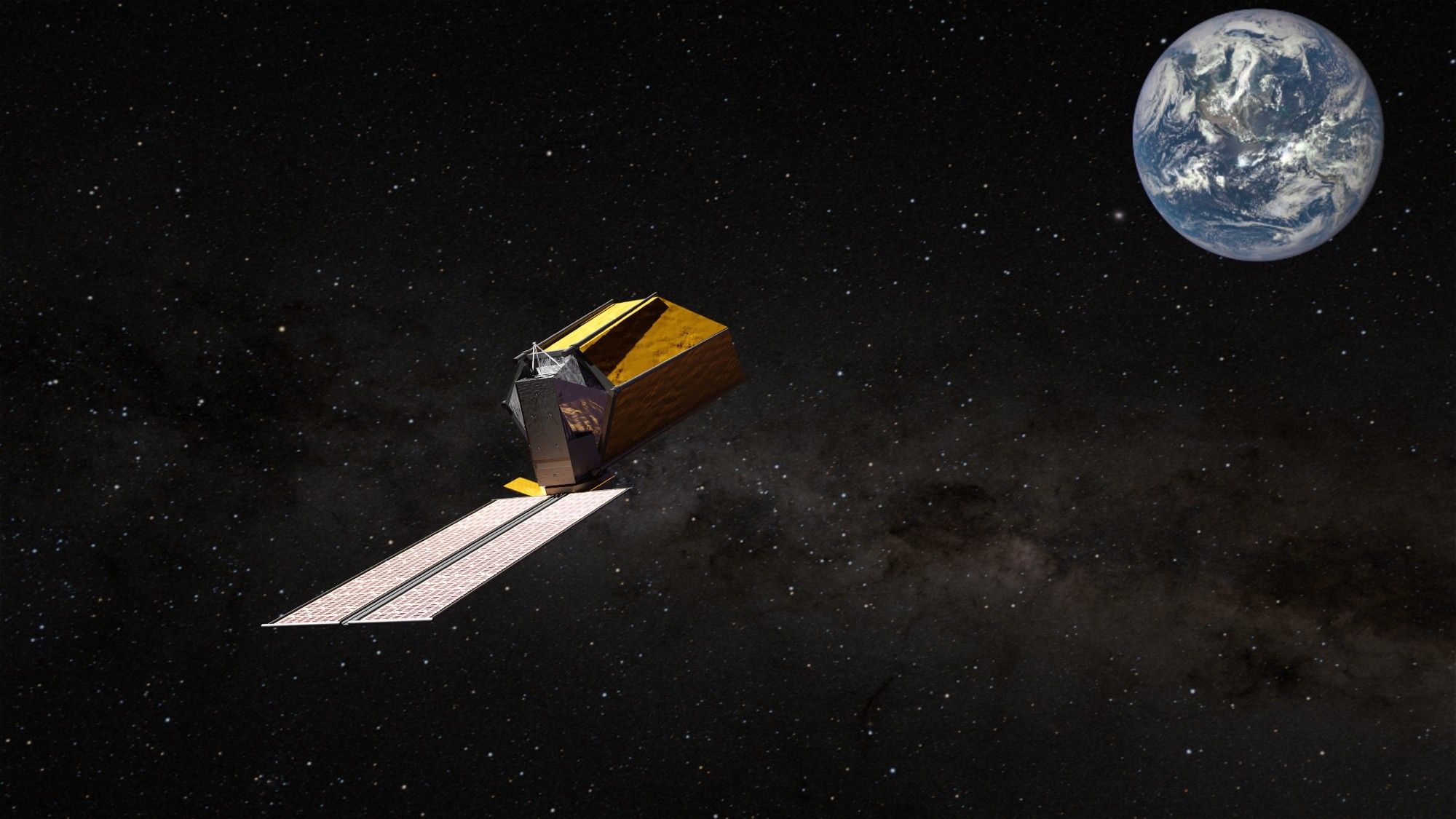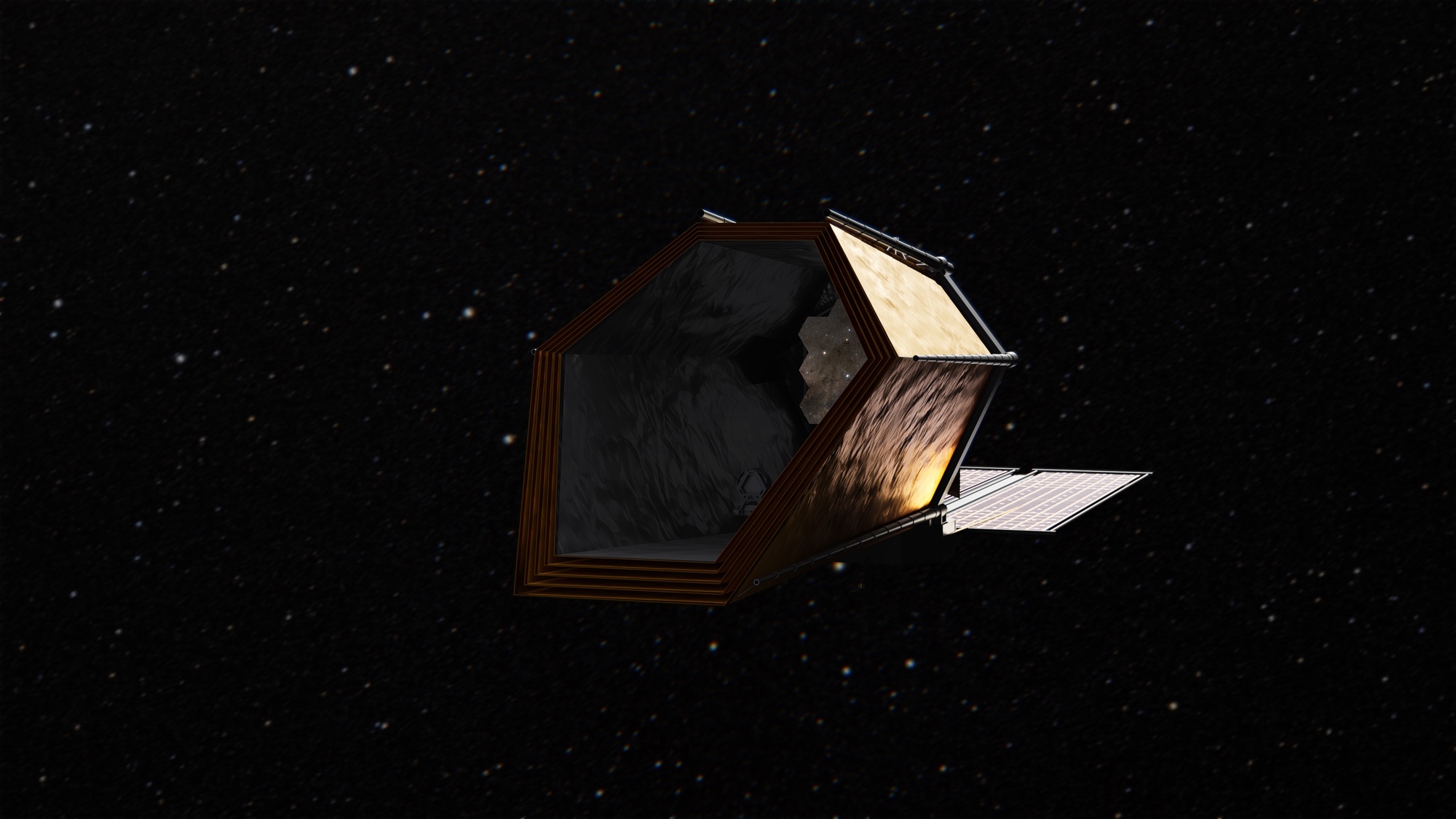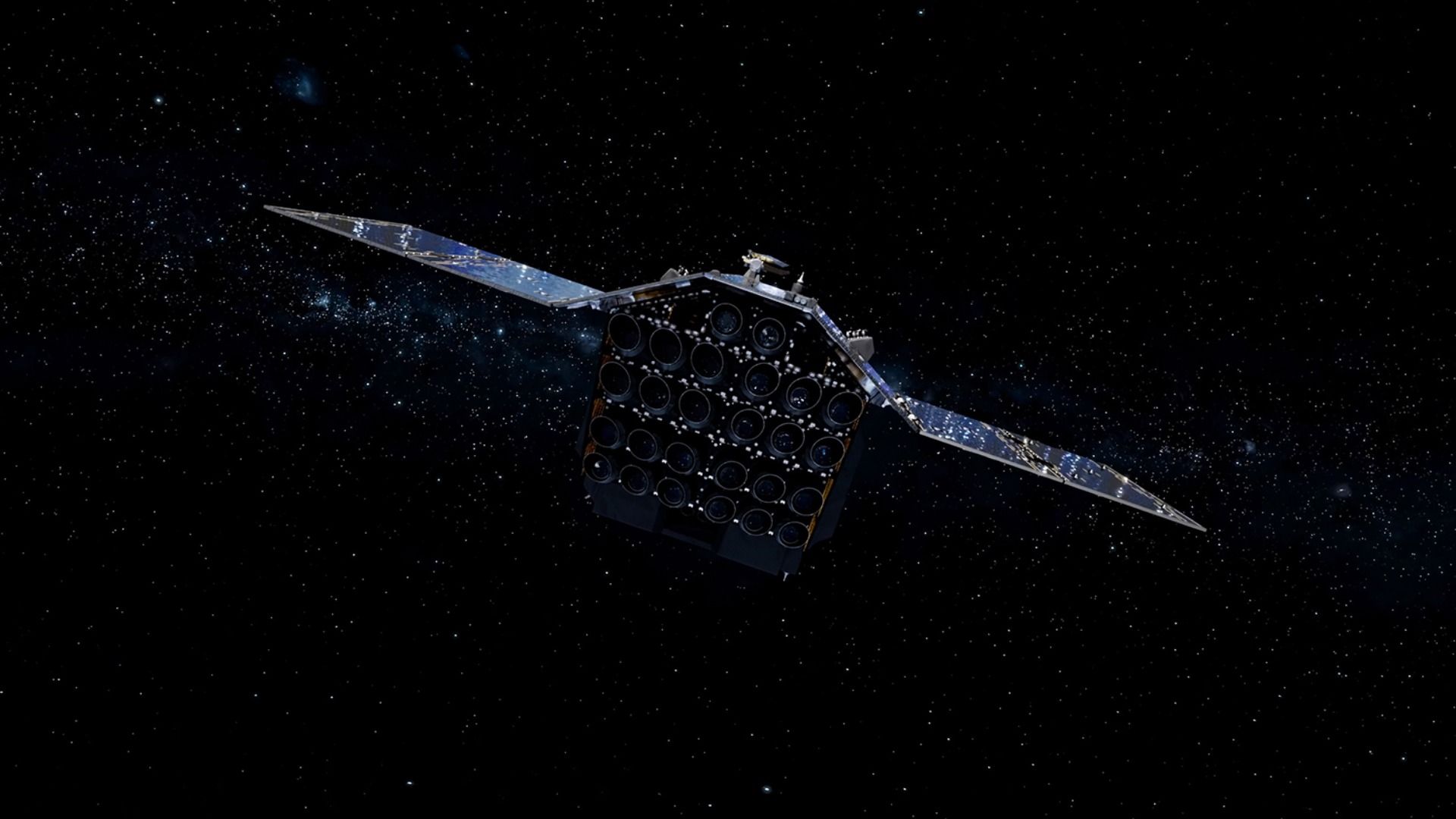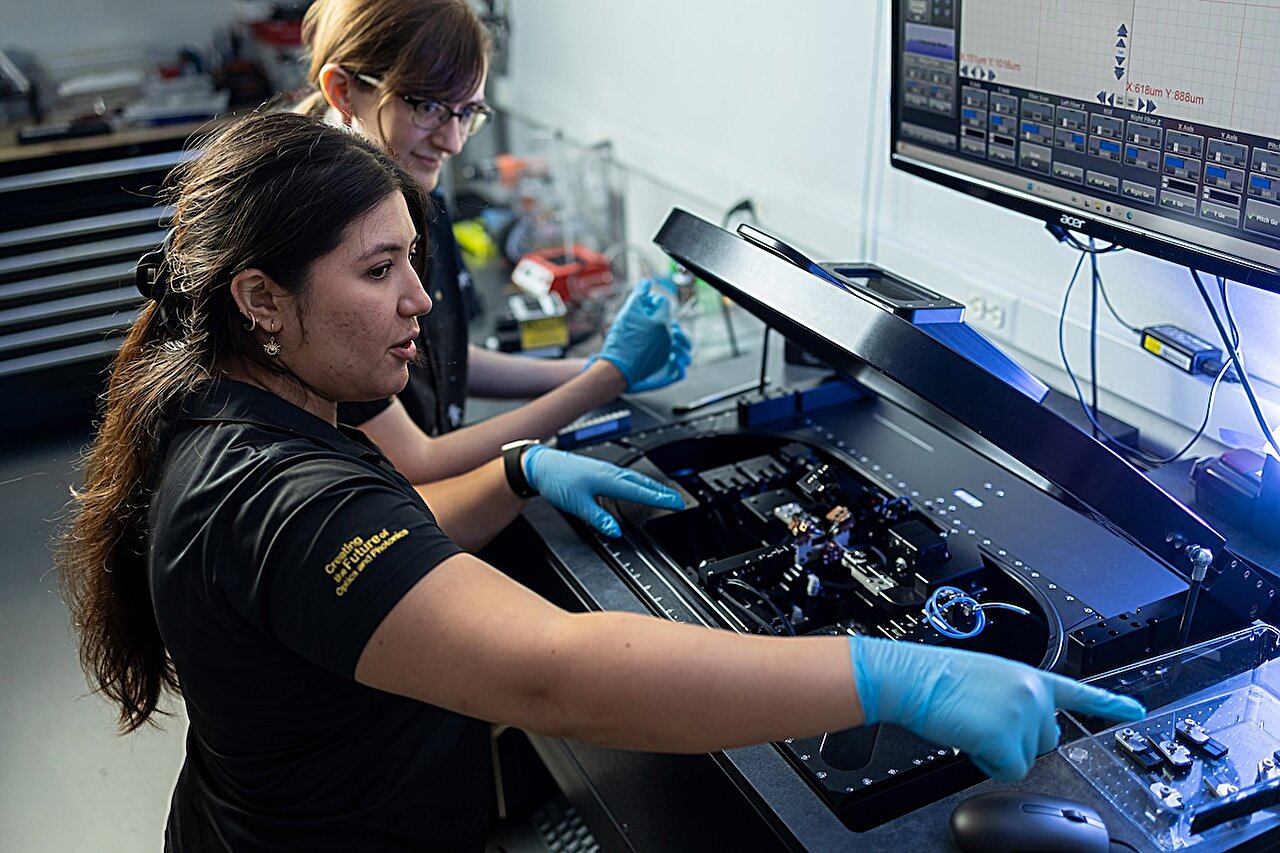
UCF graduate students Liza Fernanda Quinn Reyes (foreground) and Genevieve Markees work with photonic lantern fabrication equipment in a CREOL laboratory. The technology is being developed as part of the PEEPSS project to improve future exoplanet imaging. Credit: Antoine Hart / University of Central Florida
Are we alone in the universe? For scientists working on NASA's proposed Habitable Worlds Observatory, that question is no longer purely philosophical. It is increasingly becoming an engineering problem.
Researchers at UCF's College of Optics and Photonics (CREOL) are helping develop technology designed to help future space telescopes detect potentially habitable planets orbiting distant stars.
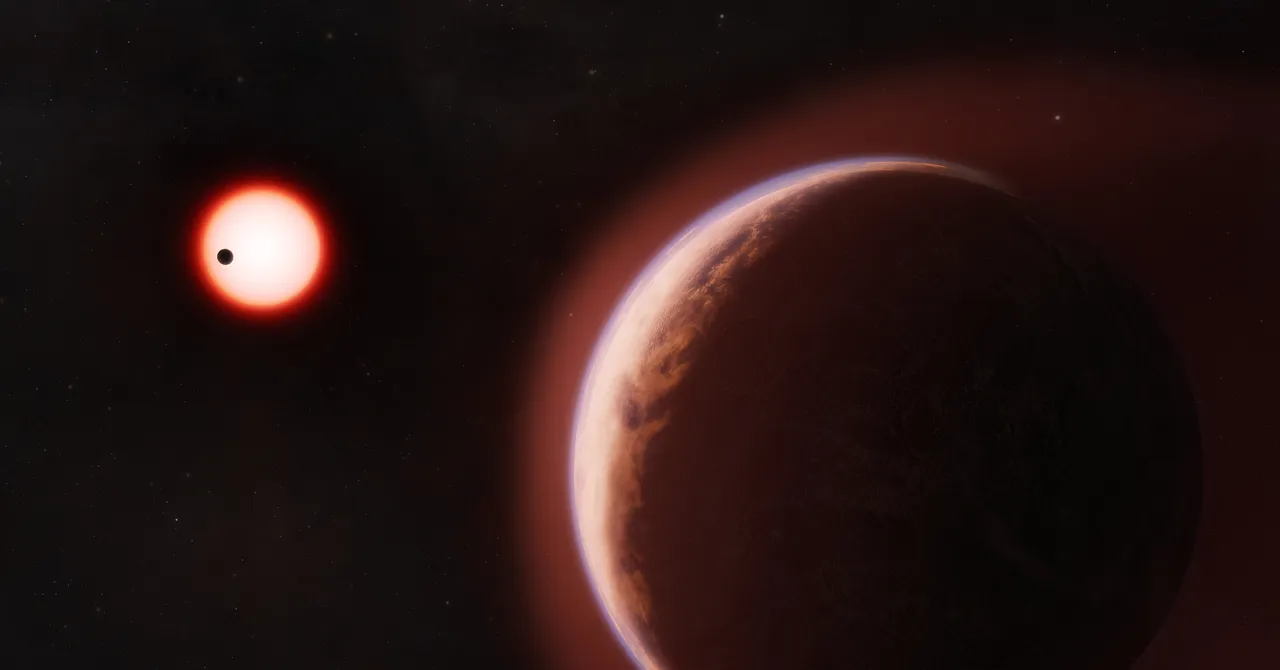
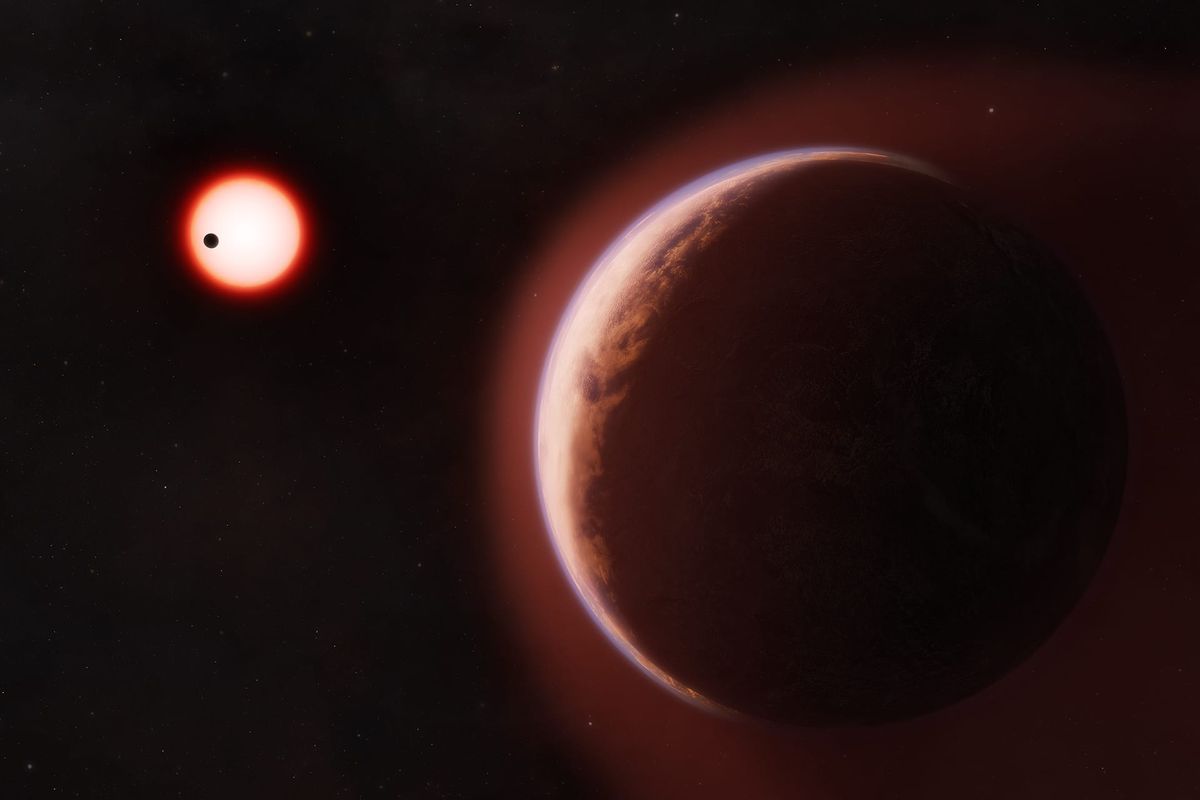
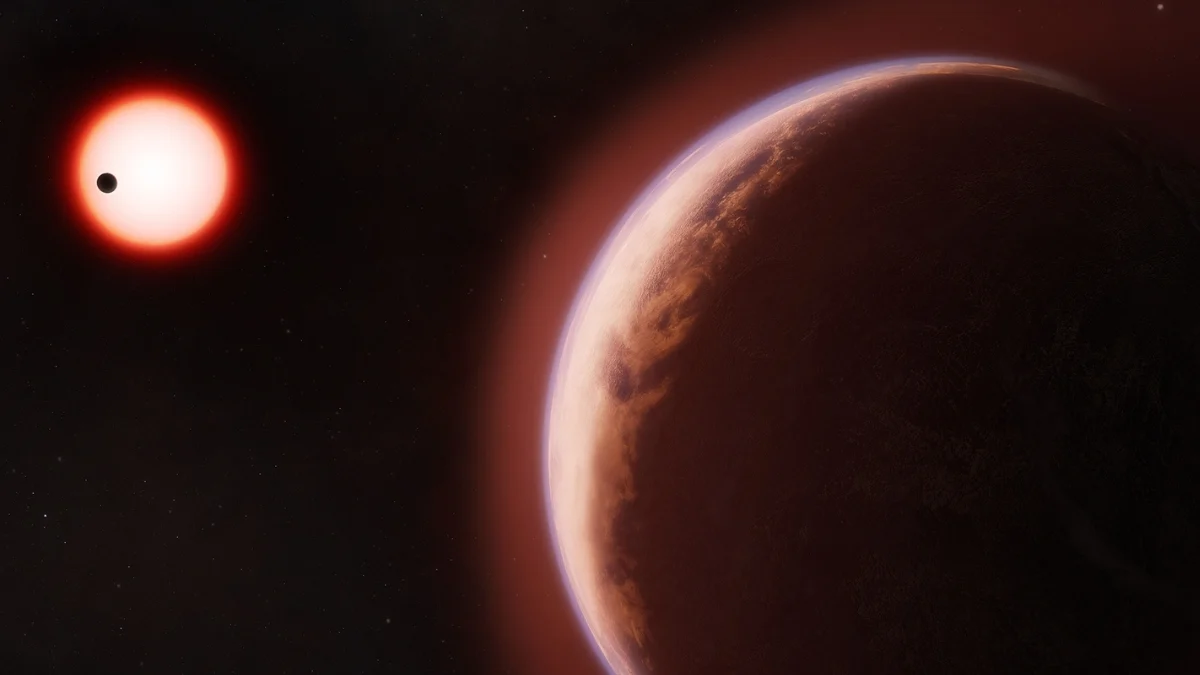
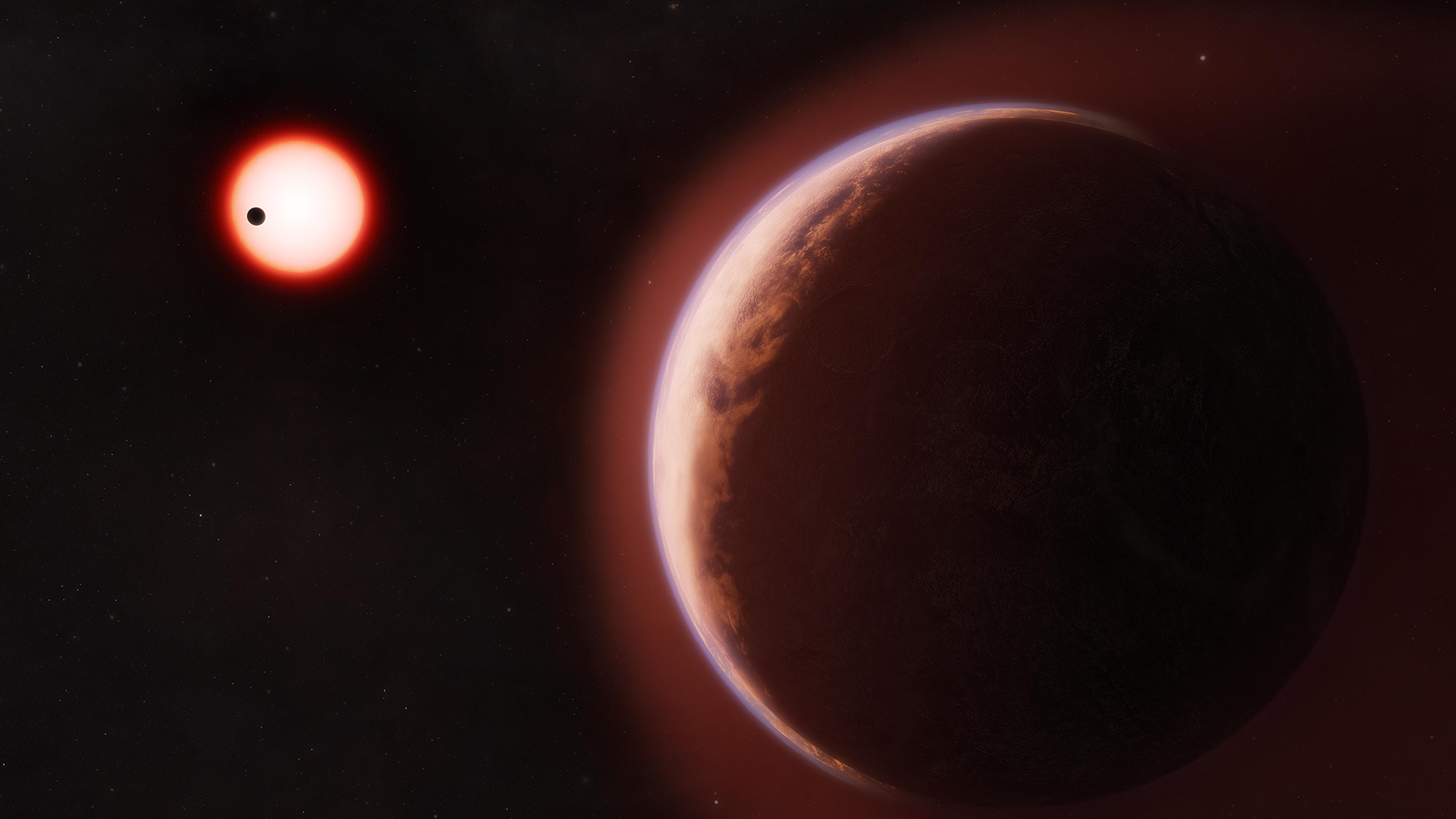
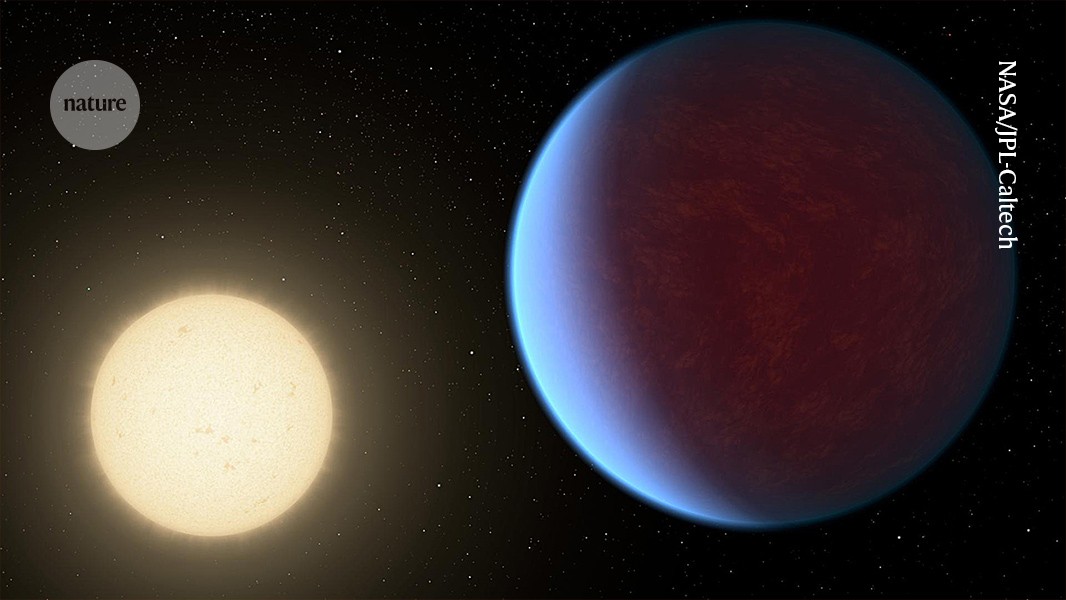
The project, known as PEEPSS (Photonics-Enabled Exoplanet Spectroscopic System), aims to help astronomers directly observe planets hidden within the overwhelming brightness of their parent stars.
"If they're in the habitable zone, that means they are orbiting close to their host star, and that host star is typically going to be 10 billion times brighter than the planet," says Stephen Eikenberry, a professor and principal investigator on the project.