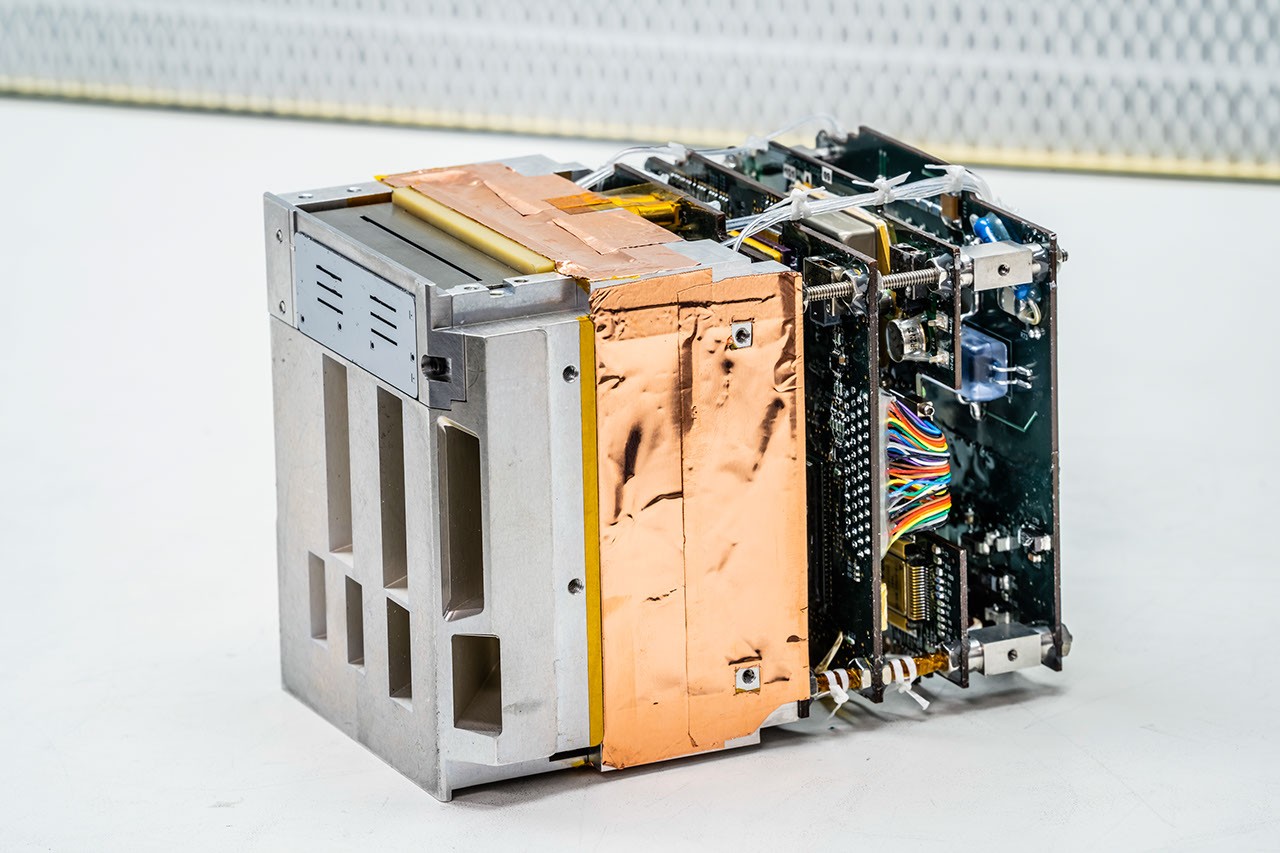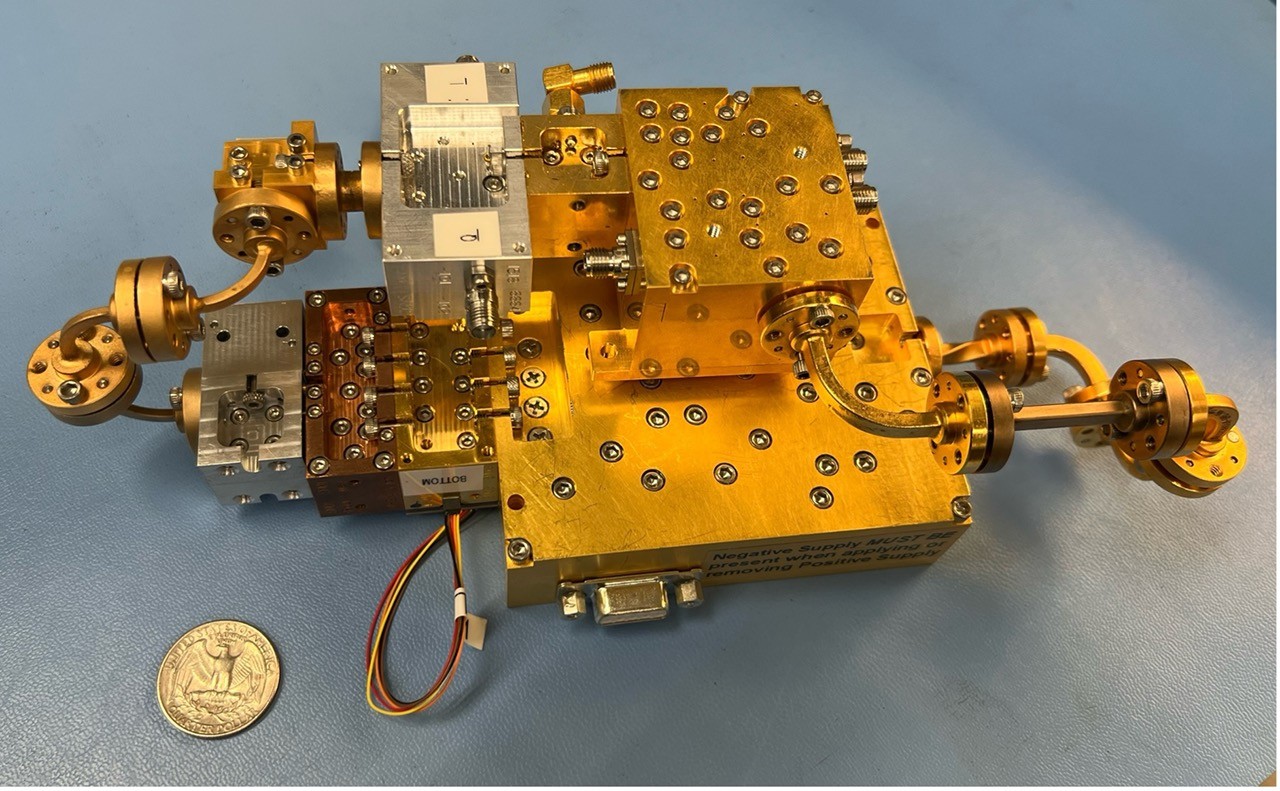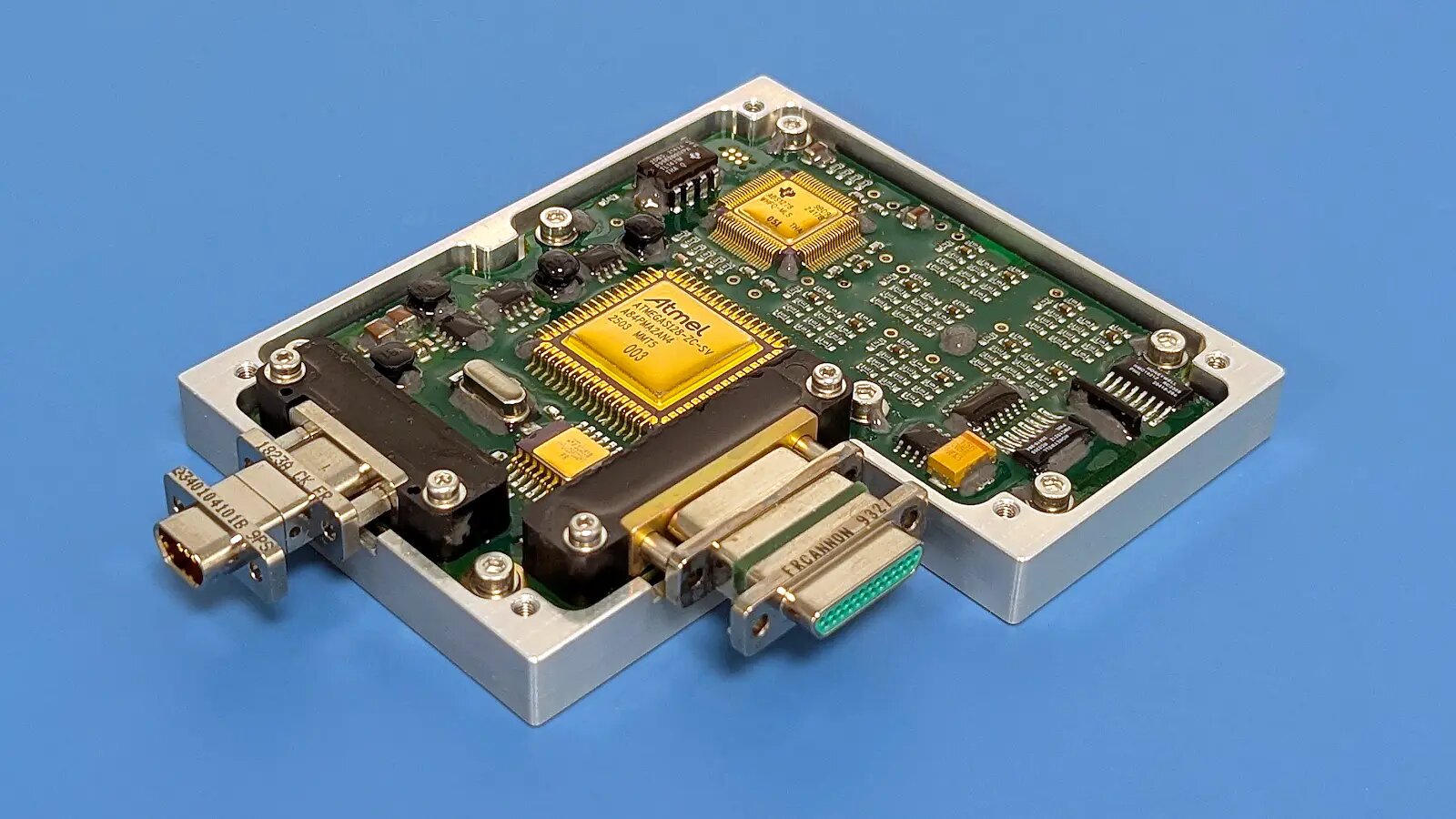
Photograph of the MAGIC instrument. This is the flight instrument that has just been finished and will soon be sent for integration into HENON. It is missing the sensor, which is attached by a wire and will be mounted on a deployable boom. Credit: Harry Lewis/ Imperial College London
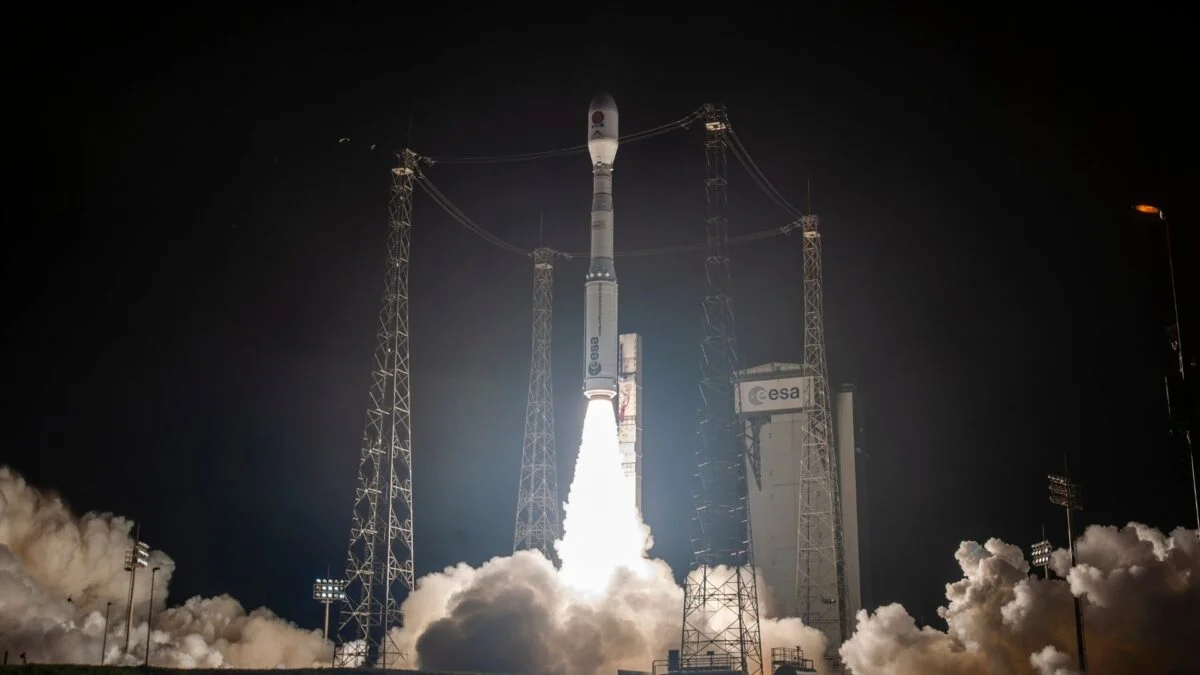
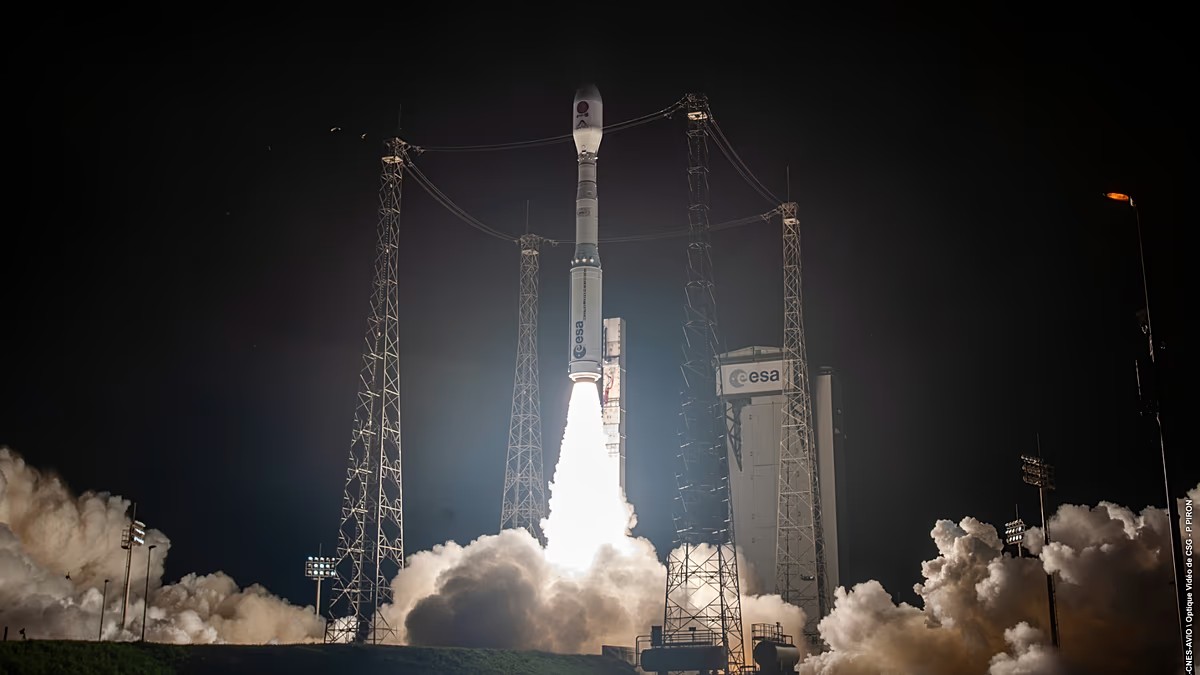
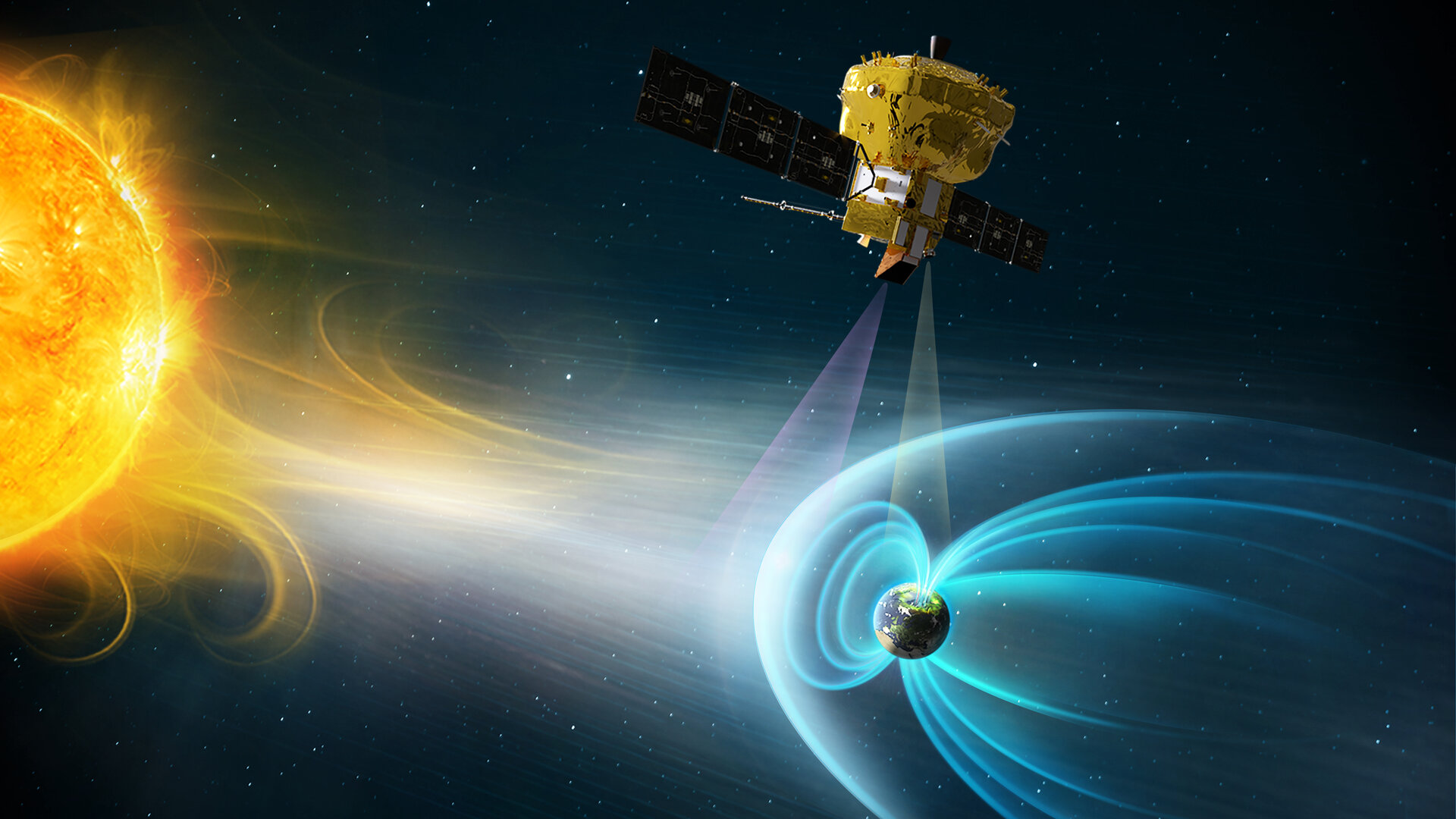
Space weather warnings could be received hours before Earth is hit rather than minutes with the help of a miniature UK-built instrument soon to be stationed in deep space. MAGIC (MAGnetometer from Imperial College) is part of the European Space Agency's Heliospheric Pioneer for Solar and Interplanetary Threats Defense (HENON) CubeSat mission, which is scheduled for launch in early 2027.
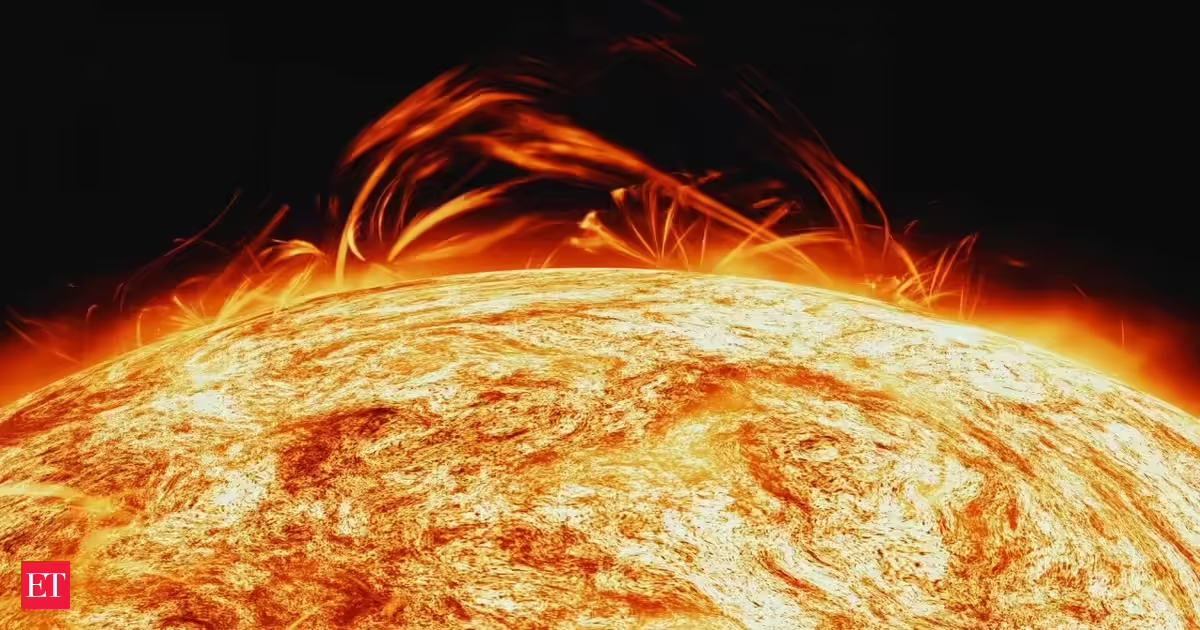
By measuring the sun's magnetic field much farther upstream than current real-time space weather monitors, the mission aims to extend advance warning of severe solar storms from just tens of minutes to several hours.
The research was presented at the Royal Astronomical Society's National Astronomy Meeting in Birmingham by Jonathan Eastwood, professor of space physics in the Department of Physics (Blackett Laboratory) at Imperial College London.
"I am really excited to be working on the HENON mission because it paves the way for a dramatic improvement in our ability to respond to severe space weather," said Eastwood.