From the west coast of Wales to the northern tip of Scotland, a set of ultra-sensitive listening posts are being built around Britain to monitor an invisible shield upon which all life on Earth depends.
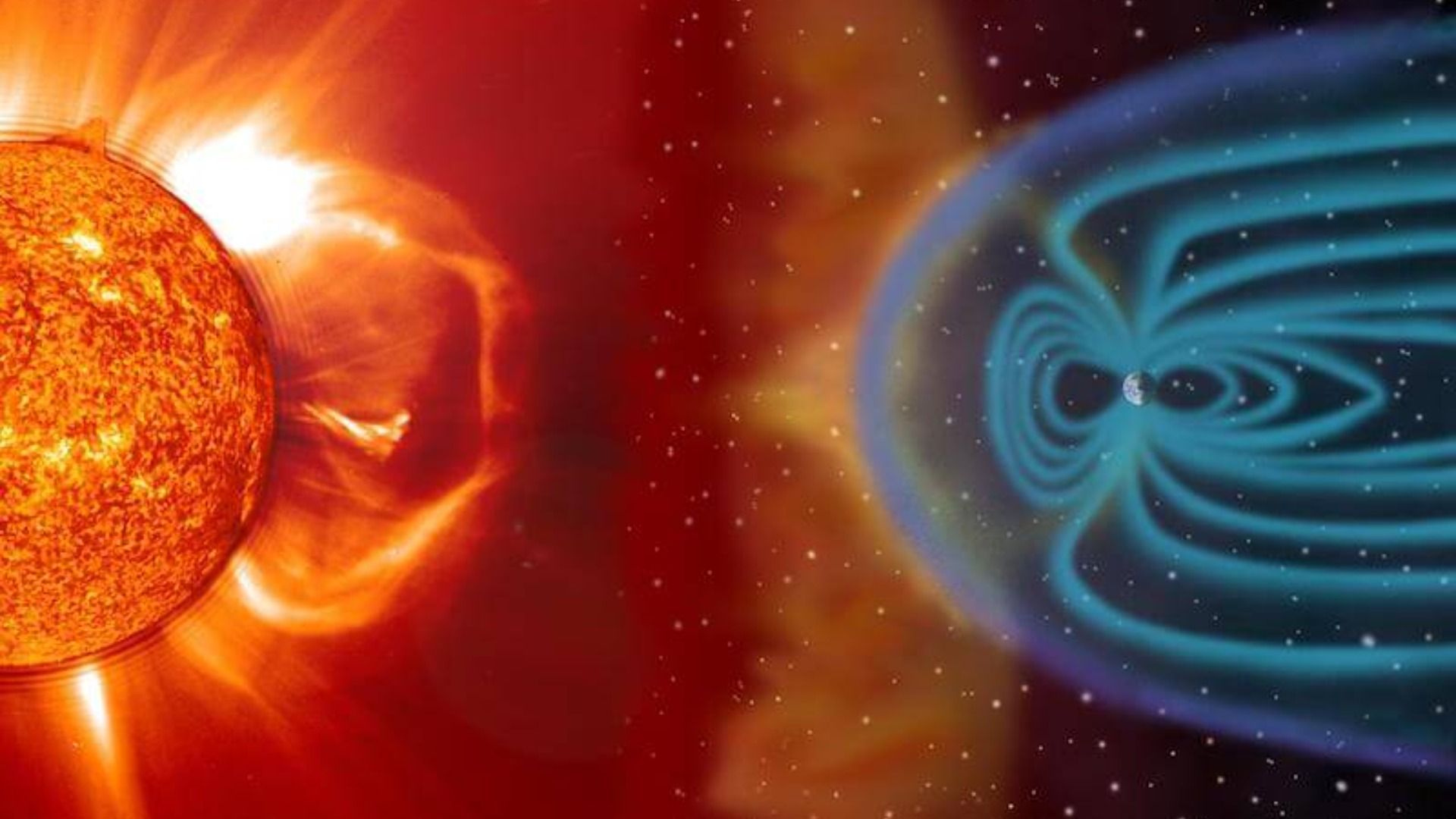
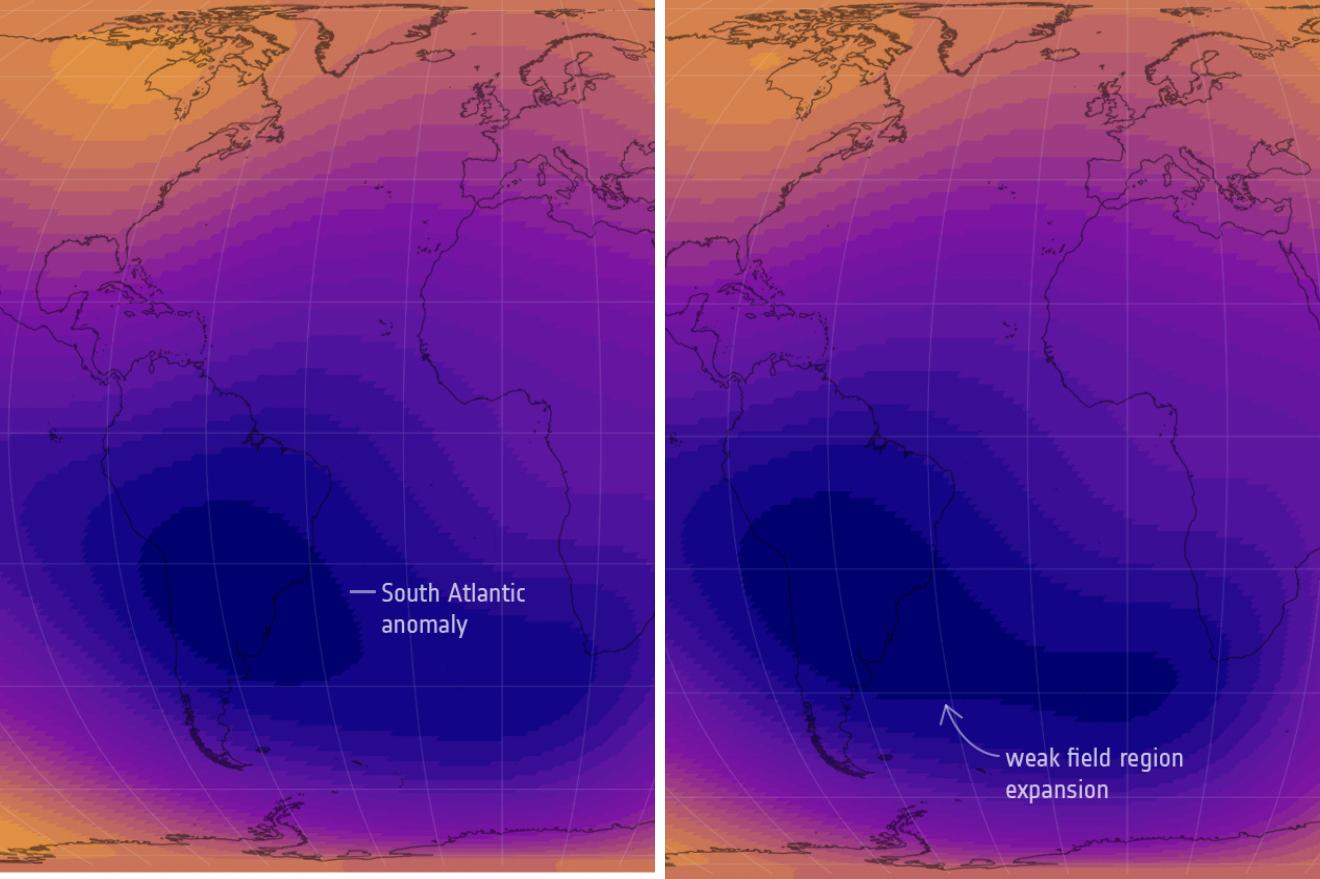
The shield in question is the planet’s magnetic field, generated by the churning of molten iron deep beneath our feet.
Most of the time, it is relatively steady. As well as directing compass needles, it protects living things from the dangerous solar radiation that streams through space.
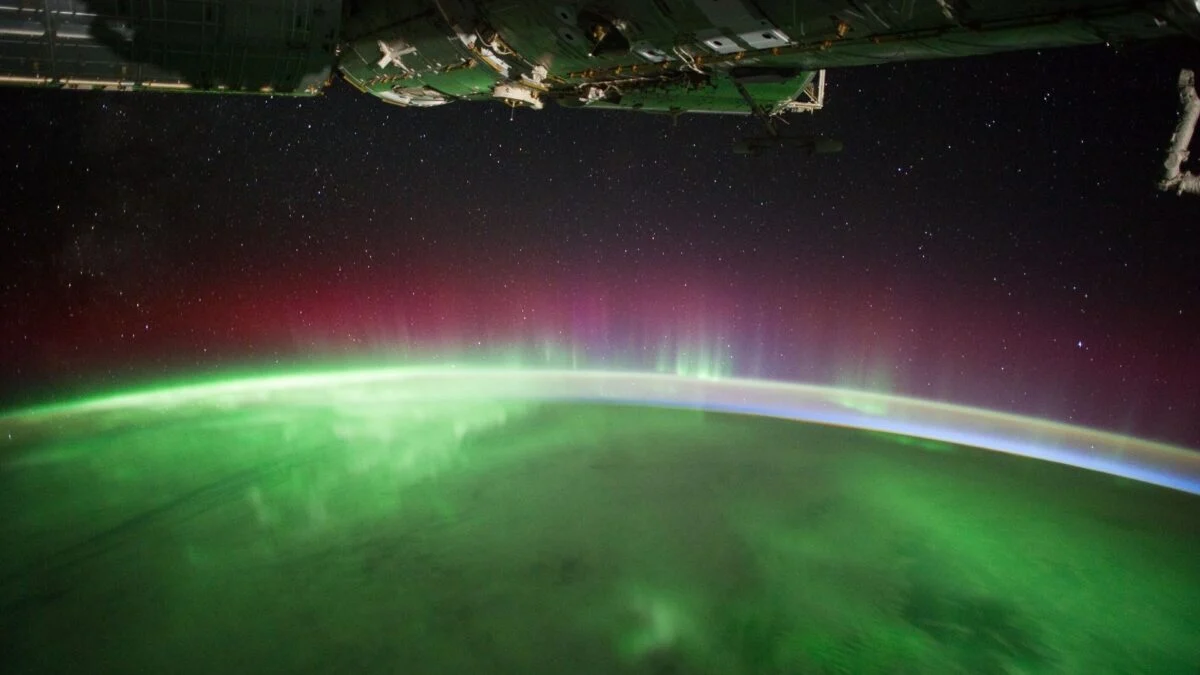
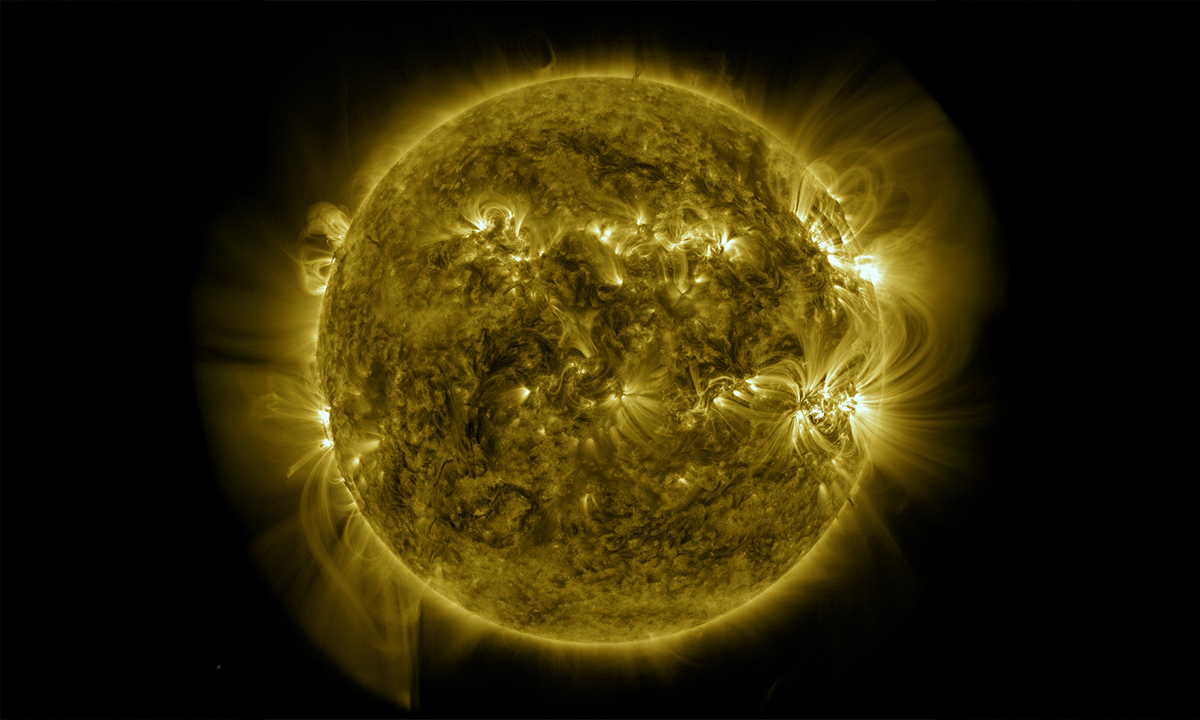
Occasionally, however, the Sun hurls a coronal mass ejection — a violent blast of charged particles — towards Earth. When these particles crash into the field, they push and twist it, a little like wind buffeting a sail, creating ripples and surges that can disrupt power grids, knock out satellites and disable navigation systems. These solar storms also mean we see the northern lights far further south.
Now the British Geological Survey is rolling out one of the world’s most sensitive networks to monitor these changes. It will use five quantum magnetometers, instruments that measure magnetic fields with extraordinary precision.