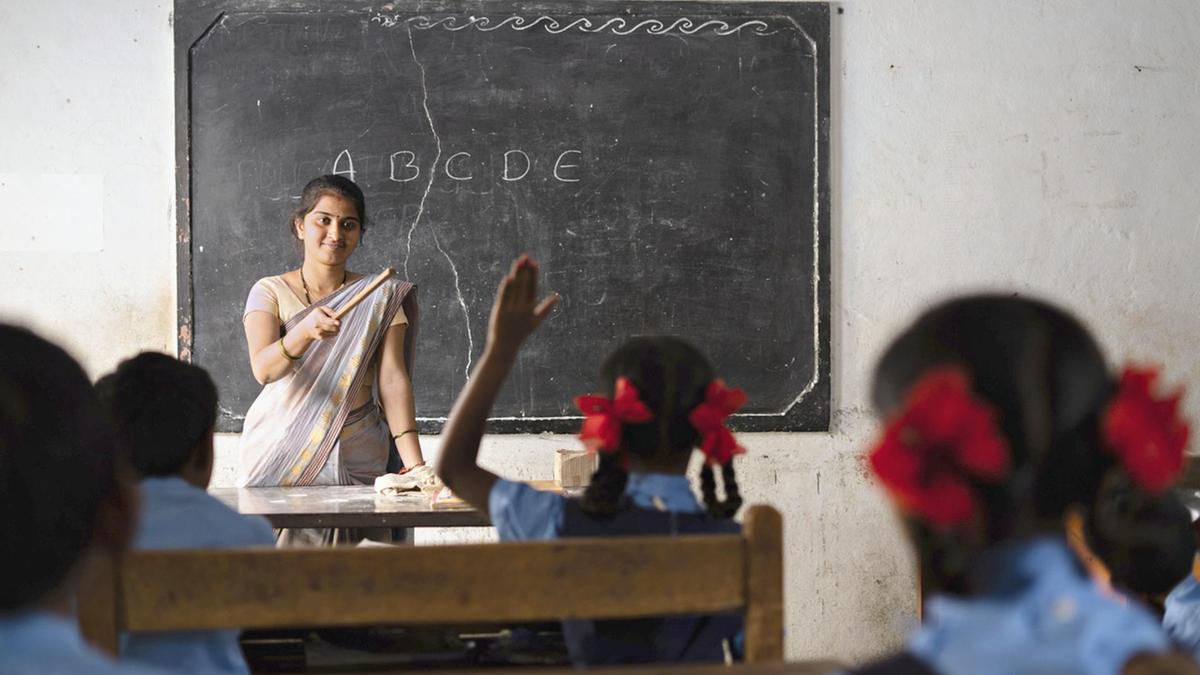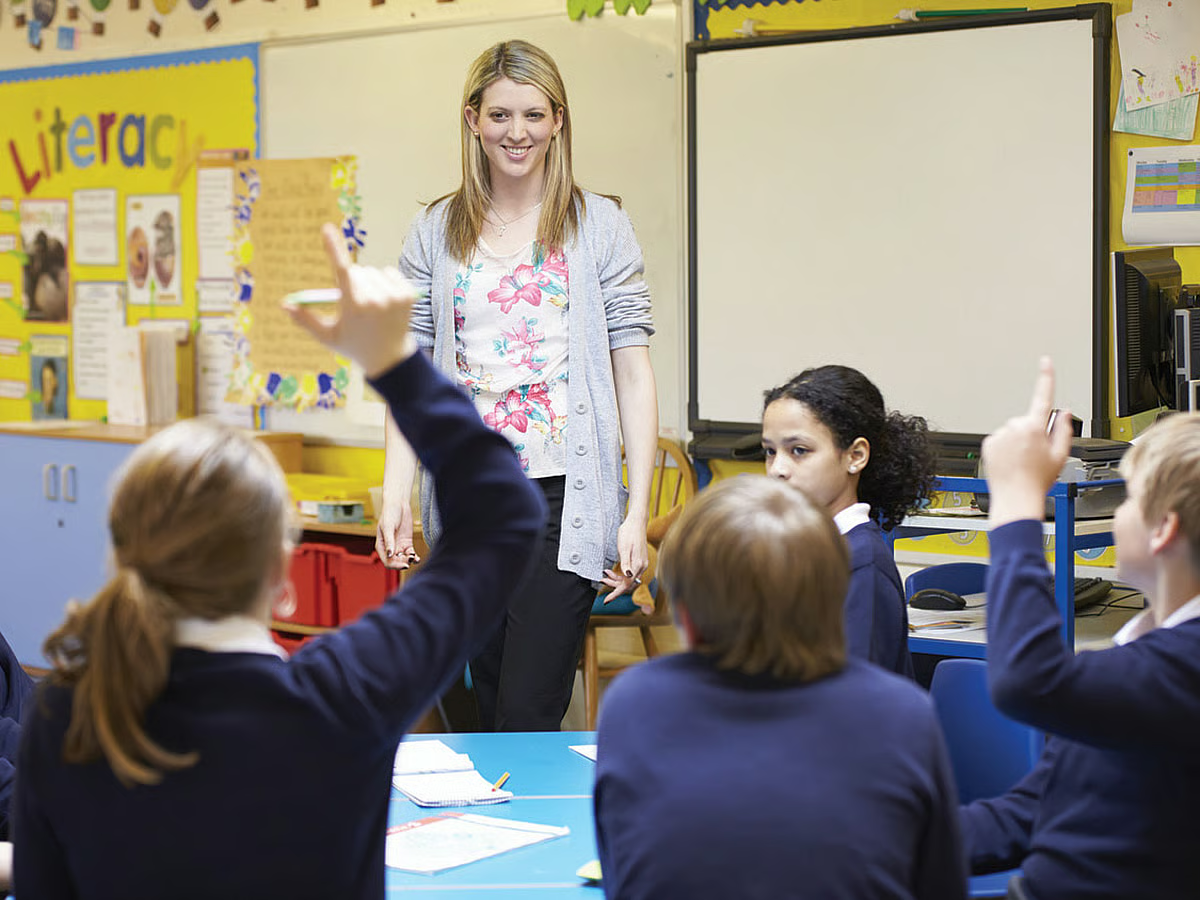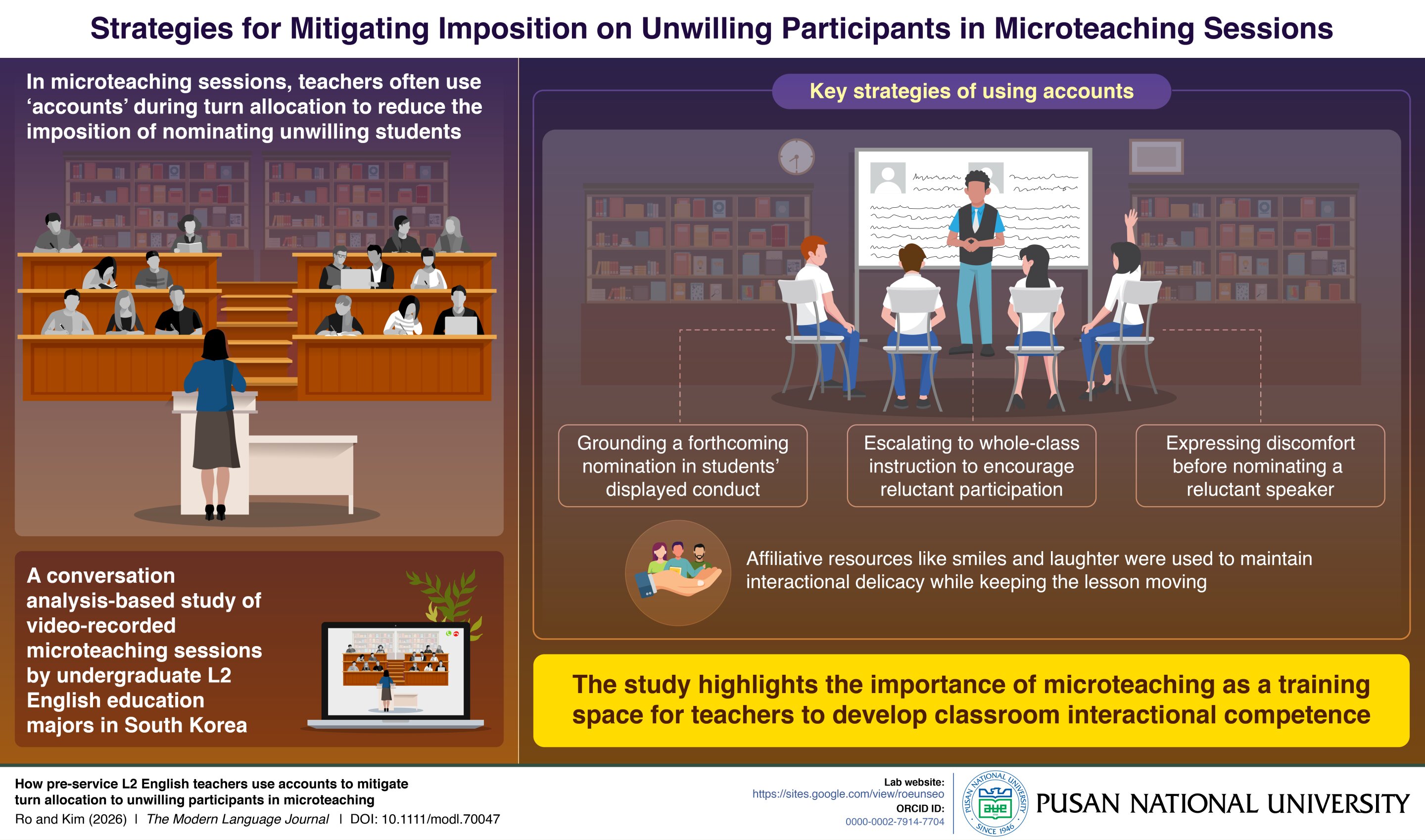
Reformulated prompts, wait time, and supportive classroom cues help novice teachers encourage participation without undermining student autonomy. Credit: Professor Eunseok Ro, Pusan National University, Republic of Korea
Classrooms often fall silent when the teacher poses a question. The pause is not always due to a lack of knowledge. Students may be hesitant, unsure, shy or simply unwilling to participate, and these feelings are often shown through subtle cues such as gaze aversion, delayed responses, posture, facial expressions or quiet laughter.
Such moments can be especially challenging for novice teachers. While ensuring that the lesson is not interrupted, it is also important to avoid the impression that participation is being forced. This makes turn allocation—deciding who speaks next—not just a classroom routine, but a delicate interactional skill. It requires sensitivity, timing and awareness of student readiness.
A new study conducted by Professor Eunseok Ro of Pusan National University and Professor Hyunwoo Kim of Yonsei University examined how novice teachers deploy accounts during microteaching sessions.
The findings were published in The Modern Language Journal.