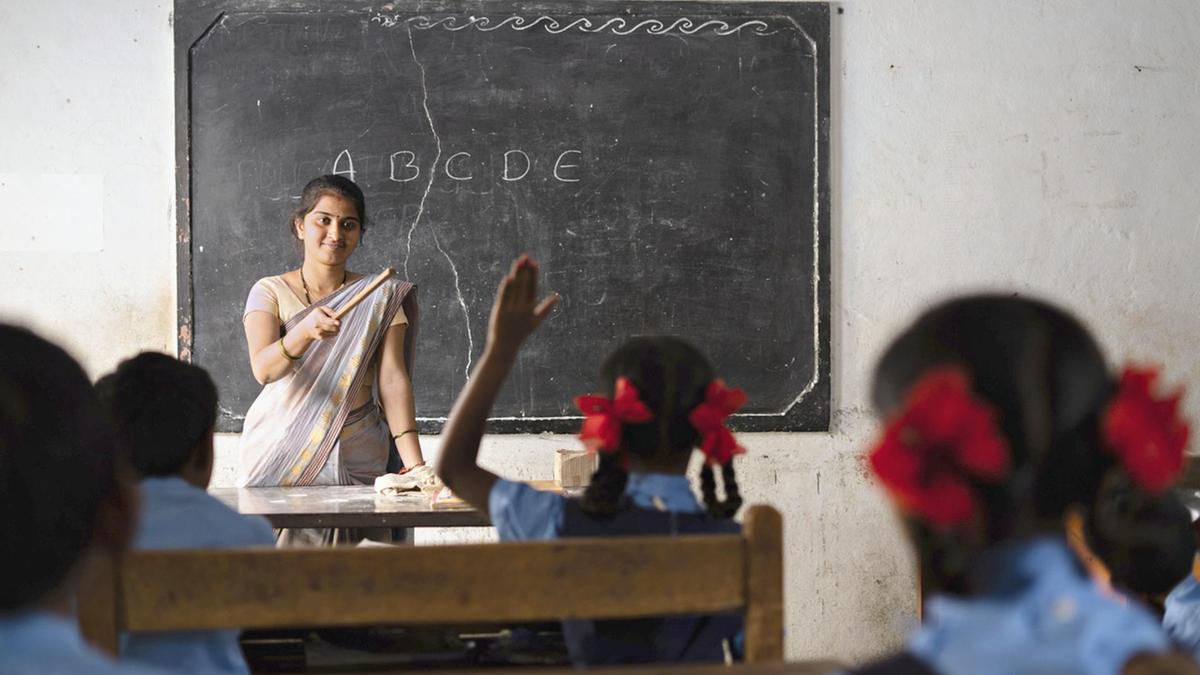
Silence in a classroom is not always a sign of understanding and enhanced disciplined learning.
| Photo Credit: Getty Images/iStockPhoto
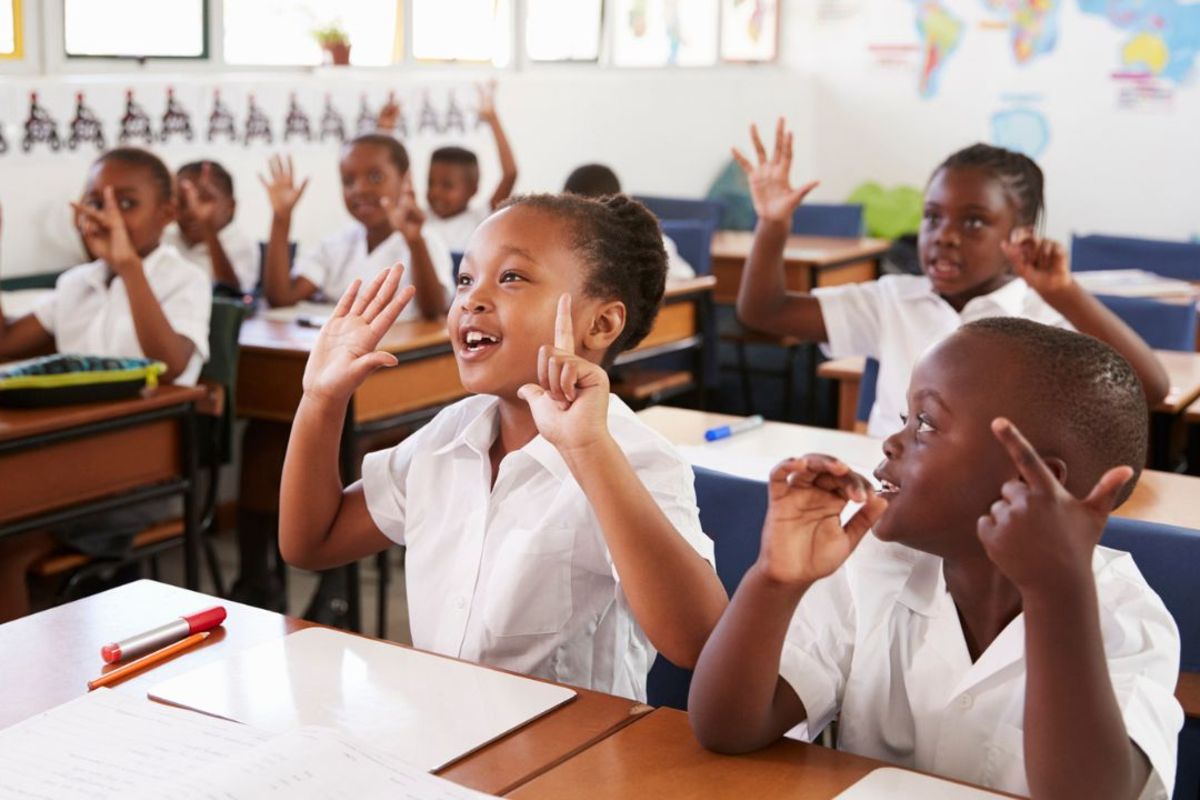
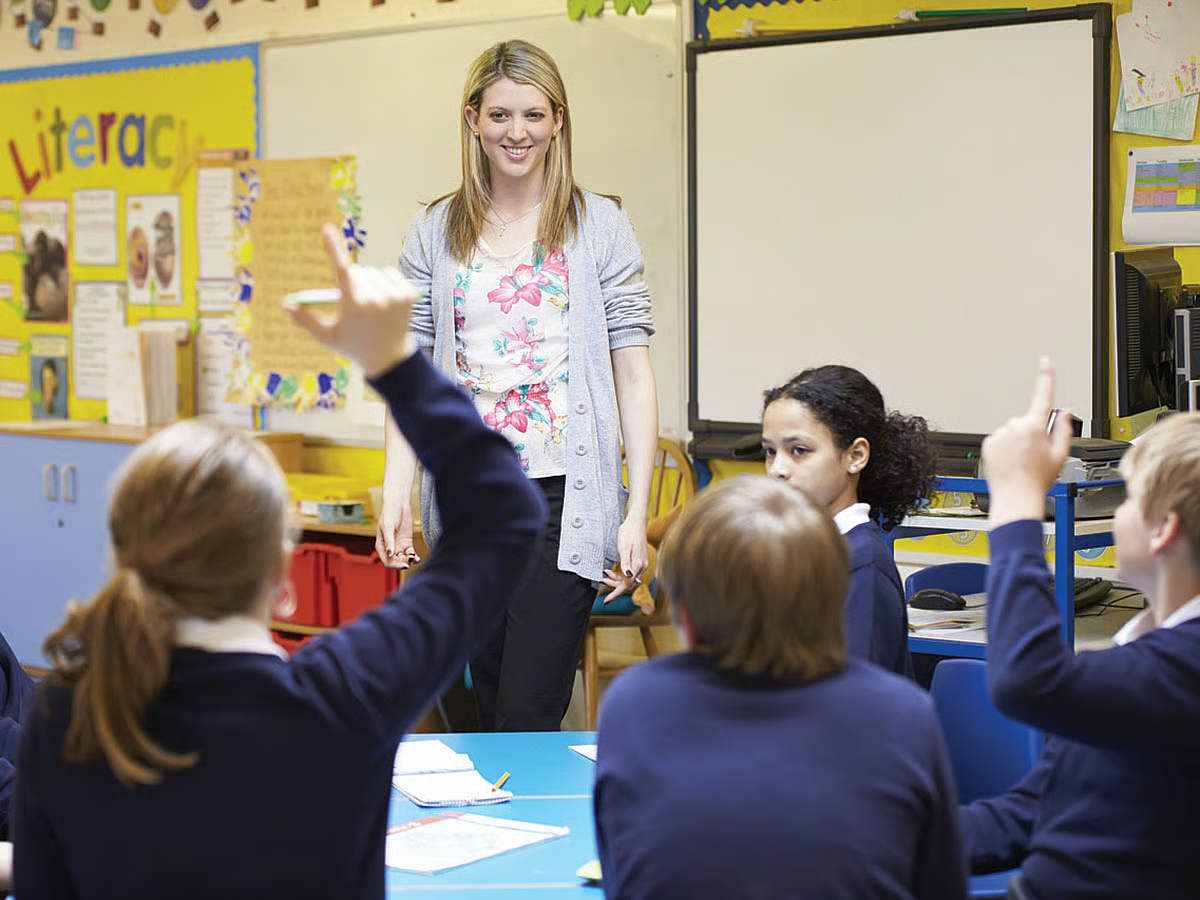
Today, effective classroom management involves creating inclusive, vibrant, and dynamic environments where students feel safe to learn and participate. However, in most classrooms, there is a group of students who remain largely unnoticed. They are present, attentive, and compliant. They complete their work, follow instructions, and rarely draw attention to themselves. Yet, despite their regular presence, they often do not actively engage with the classroom activities.Silent onesThey are the invisible students, ones wish to remain so for several reasons. Silence in a classroom is not always a sign of understanding and enhanced disciplined learning. Educators have to make them visible and heard. Bringing them to the mainstream is a daunting and undoubtedly the most challenging task. The practical difficulties involved are humongous.Much of classroom attention tends to centre around those who stand out, either because they are high achievers or their need for additional support. In this situation, students who fall in between can easily be overlooked. Some may lack confidence, others may fear making mistakes in a public setting, and a few may have experienced being overlooked in the past.In such contexts, silence becomes a way to navigate the classroom rather than an indicator of comfort or clarity. Their silence is often interpreted as understanding and their compliance as progress. But, this invisibility can have implications on learning. When students do not participate actively, their doubts may remain unaddressed and their level of understanding may go unexamined. Over time, this can lead to a gradual disengagement from the learning process. even if it is not immediately evident.Teachers must ensure that every student in the class participates and does not remain silent. Clarity can be achieved only through conversation. Deliberately staying quiet can hinder a student’s communication skills in the future. The classroom is an ideal environment to develop speaking abilities and foster the confidence to speak up. This is a crucial skill today, as it enables students to understand and interpret the events around them from a broader perspective.StrategiesRecognising these students requires deliberate attention and meticulous planning. Simple practices such as asking open-ended questions, creating opportunities for all students to respond, encouraging multiple forms of participation, seeking responses from those who have not responded, deliberately asking easy questions to those who always wish to remain silent, intentionally seeking their responses to show on the class board, appreciation of even small tasks in front of the class, creating a stress-free environment for all, and, most importantly, fostering an environment where errors are treated as part of learning will make a difference. The objective is not to compel participation, but to create conditions when students feel capable of engaging with confidence and clarity.A classroom’s effectiveness is not determined by the performance of its most visible students but also by how it supports those who remain on the margins of participation. Bringing these students into the fold is less about intervention and more about awareness. Ensuring that no student remains unseen is an essential part of inclusive and meaningful education.The writer is a Maths teaching professional, Central Board of Secondary Education, Hyderabad. Published - June 11, 2026 02:49 pm IST