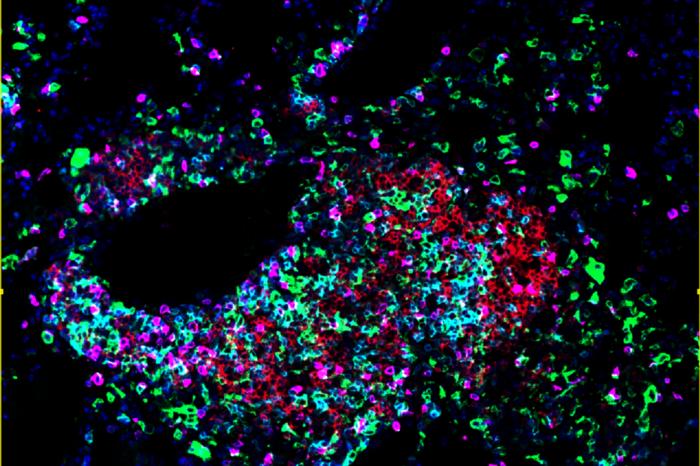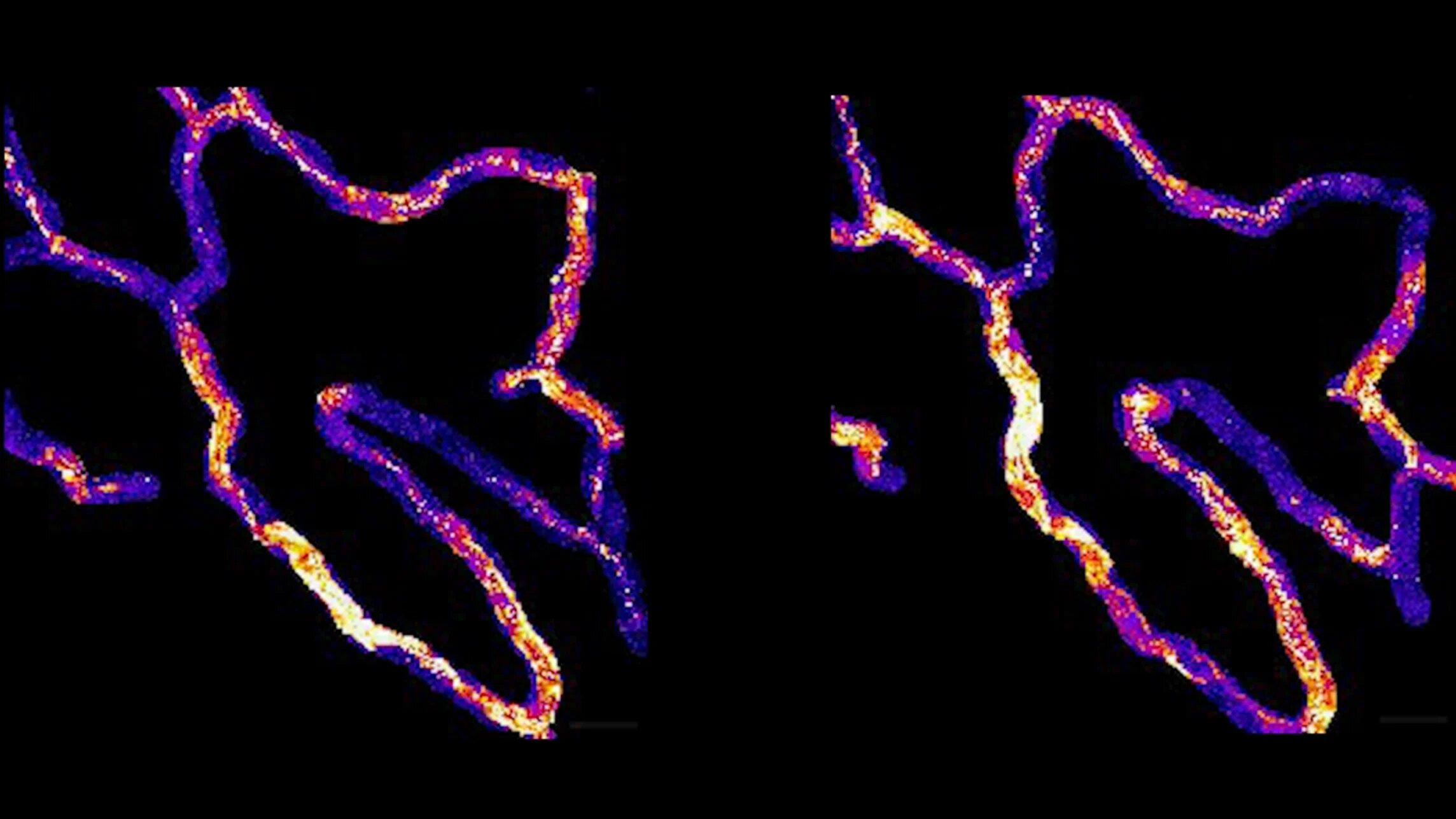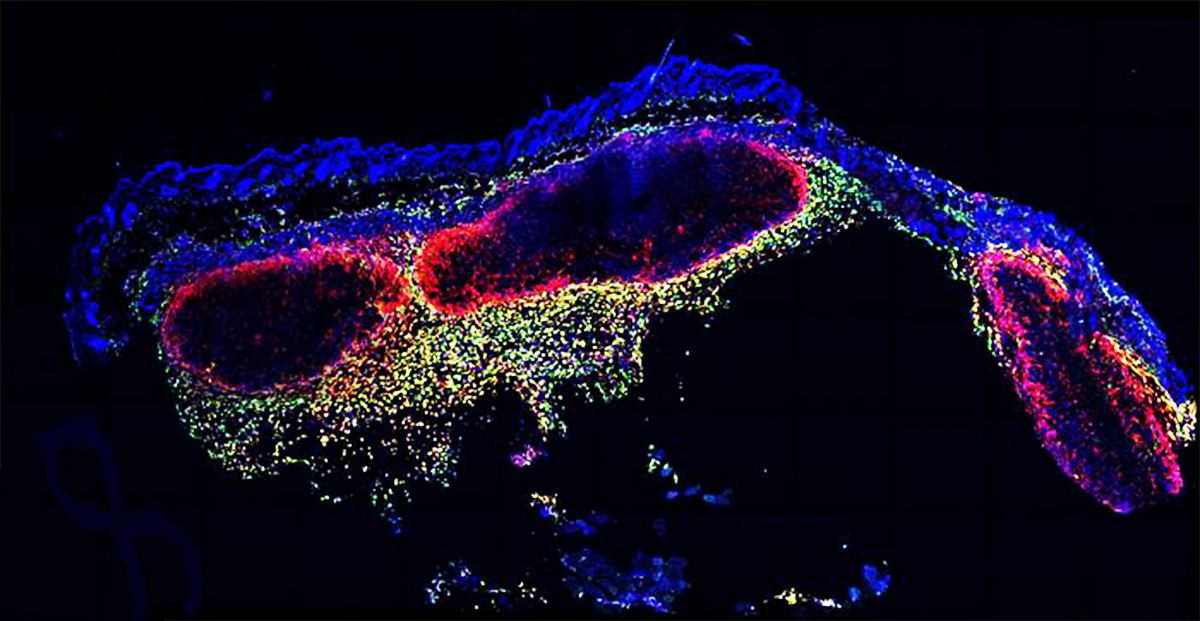
It has long been suspected that endothelial cells, the specialized cells lining the inner walls of blood vessels, play a key role in determining how the body's immune system responds to tumors. Researchers at the German Cancer Research Center (DKFZ) in Heidelberg and the Medical Faculty Mannheim of Heidelberg University have now identified, in mouse studies, a specialized population of blood vessel lining endothelial cells that enable an effective immune defense against cancer metastases in the liver. The findings could pave the way for novel combination therapies for cancer.
Immunotherapies are designed to empower the body's own immune cells to recognize and destroy cancer cells. However, many patients respond poorly to these treatments. One major reason is that immune cells often fail to enter tumors in sufficient numbers. A research team led by Hellmut Augustin of DKFZ and Heidelberg University therefore set out to investigate the role of tumor blood vessels in this process.
Blood vessels guide immune cells
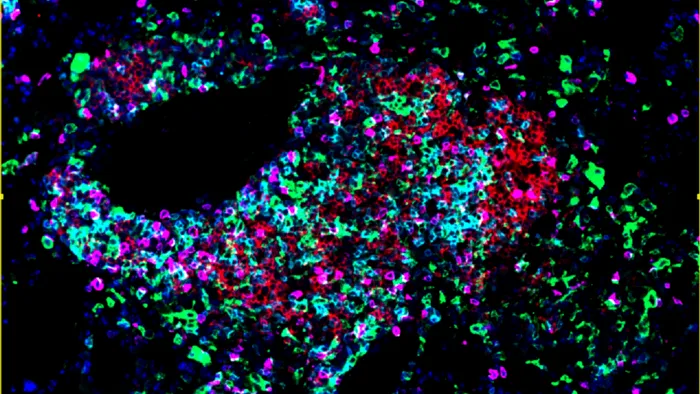
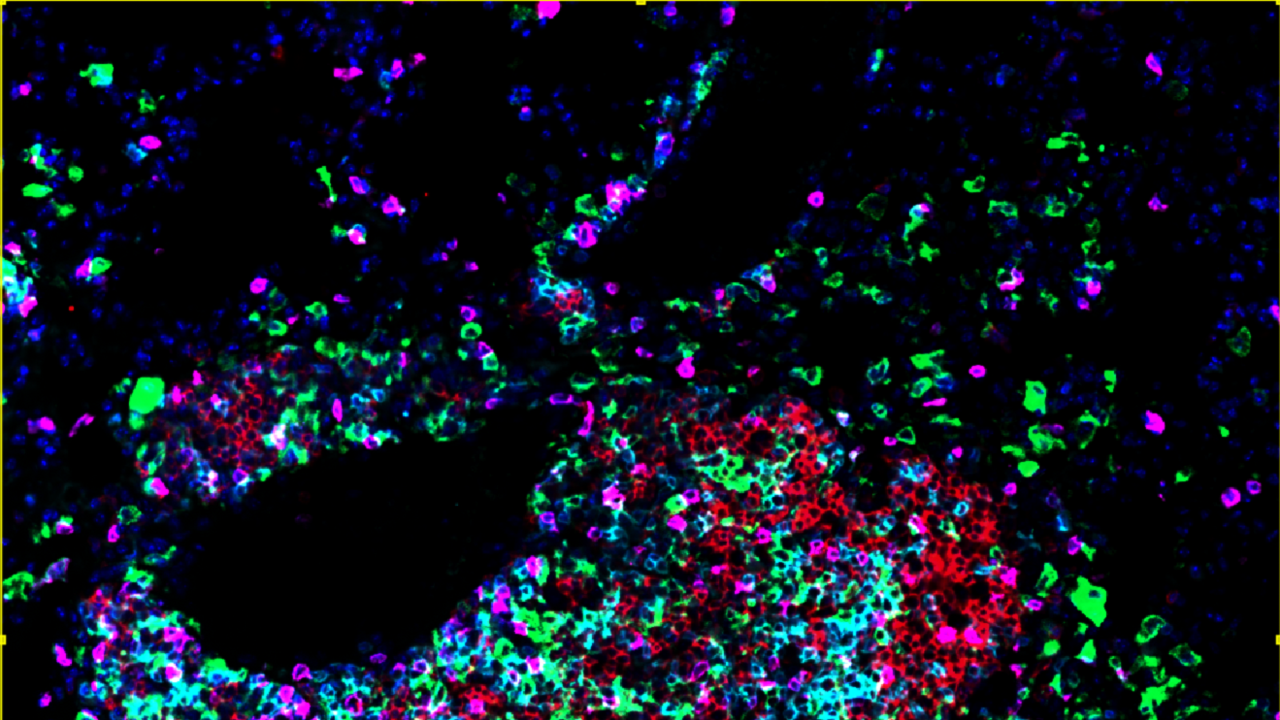
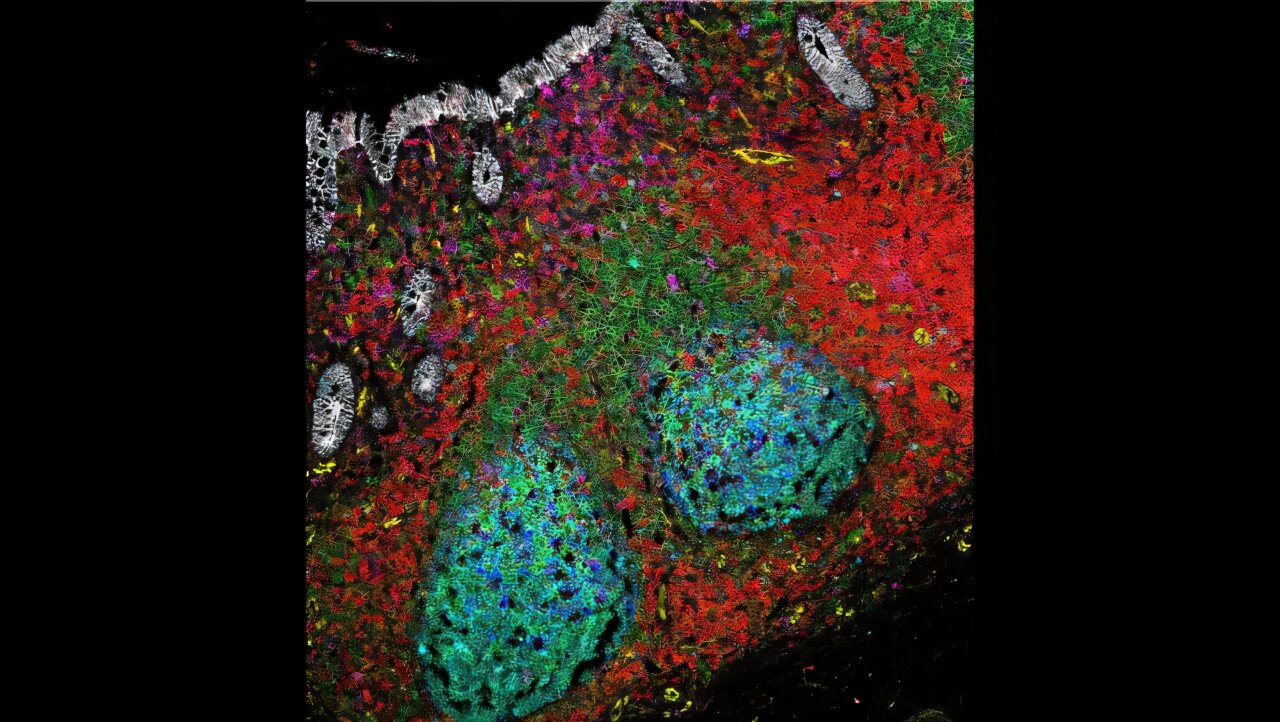
The researchers focused on liver metastases, which commonly occur in advanced cancer and are often difficult to treat with immunotherapy. Within the blood vessels of metastases, the team identified a specialized subgroup of endothelial cells, which line the inside of blood vessels. These cells produce lipoprotein lipase (LPL), a key enzyme involved in fat metabolism. The LPL-producing endothelial cells act like guides for activated T cells, the immune cells capable of specifically attacking cancer cells. The more LPL-producing endothelial cells were present, the more T cells were able to enter the tumor and fight cancer cells.