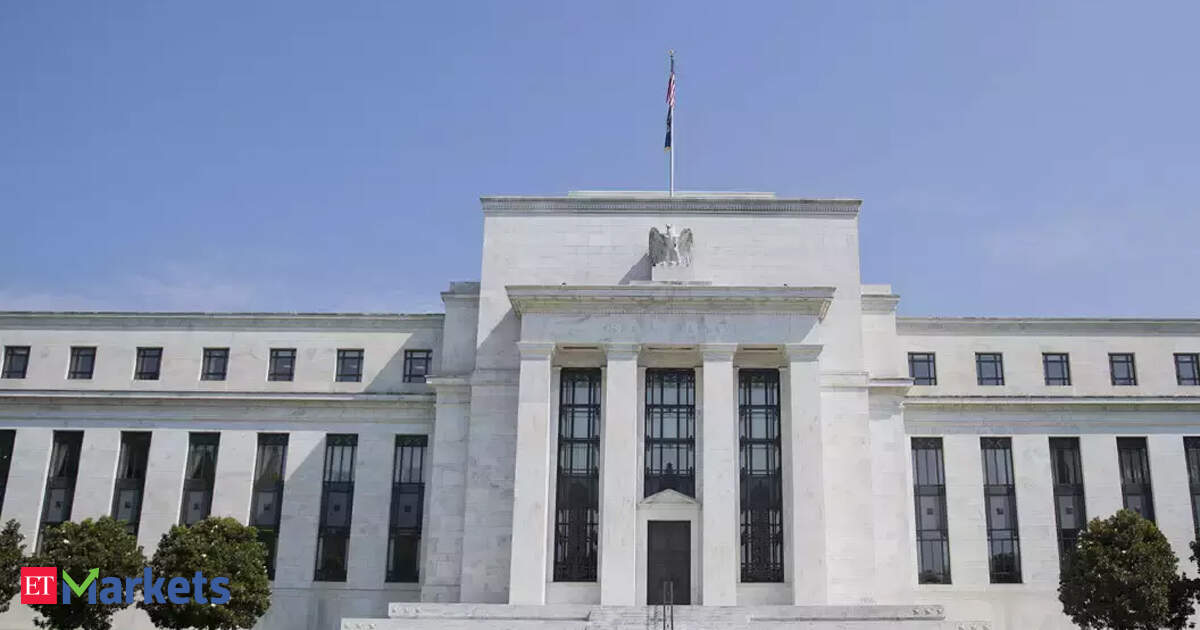
The US government faces a growing refinancing risk as a large portion of its $39.5 trillion debt comes due while Federal Reserve officials consider raising interest rates.
The Treasury has relied heavily on short term securities to limit borrowing costs, issuing debt that typically carries lower yields than longer maturity bonds. Capital Economics estimates that Treasury bills accounted for roughly 85% of federal debt issuance over the past few years.
That strategy reduced immediate interest expenses but increased the frequency at which the government must refinance its obligations. About 20% of outstanding federal debt will mature during the next four months, with the share reaching roughly 33% within a year, according to Capital Economics.
The concentration creates a direct link between Federal Reserve policy and the government’s debt servicing costs. If the Fed raises rates more aggressively than expected, maturing bills would need to be replaced with new securities carrying higher yields.
The risk is increasing as the central bank adopts a firmer position on inflation. Fed Chair Kevin Warsh recently said the central bank has no tolerance for persistently high inflation, while half of Fed policymakers now support raising rates.